 Türkiye
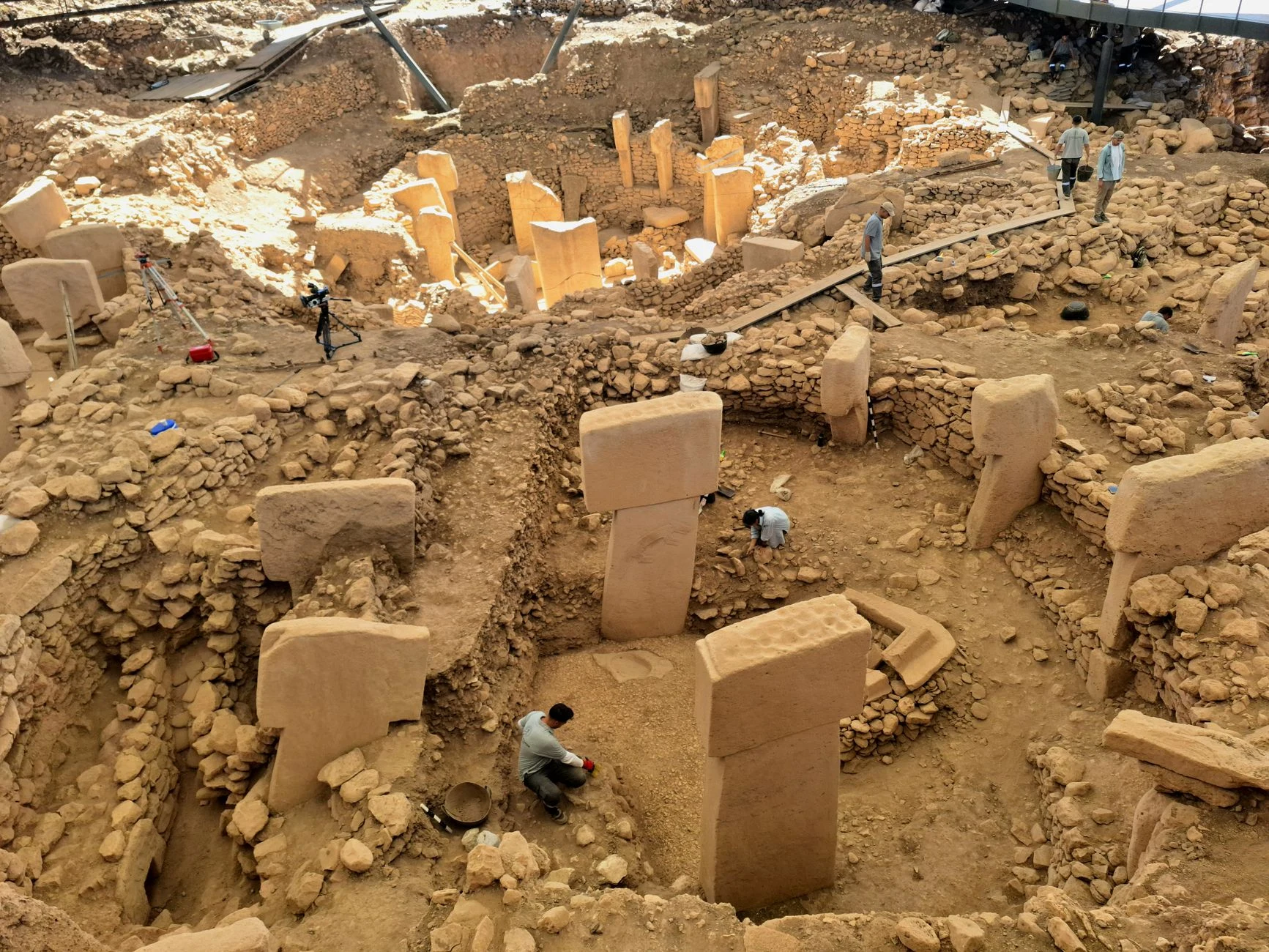
Göbekli Tepe begins at the Şanlıurfa museum
The visit makes more sense when the site and the Şanlıurfa Archaeology Museum are treated as one experience: first the objects, then the landscape and its pillars.
Read guide →Discover Archaeological sites guides with useful information, visible sources and context to plan each trip better.
 Culture
The visit makes more sense when the site and the Şanlıurfa Archaeology Museum are treated as one experience: first the objects, then the landscape and its pillars.
Read guide →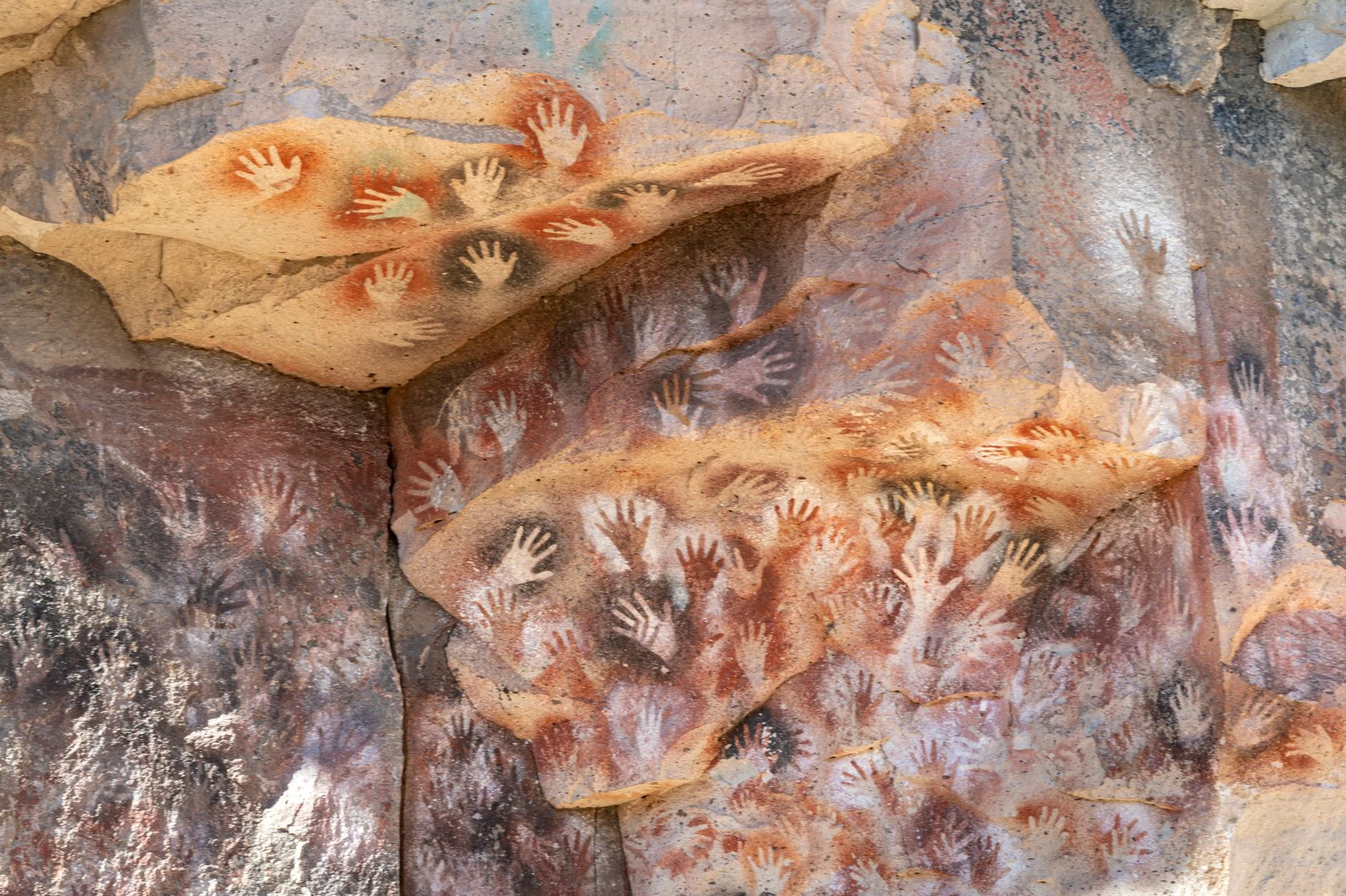 Culture
Cueva de las Manos first requires you to work out the distance, transport and pace of the visit. Perito Moreno is the practical base for arriving with enough time and understanding rock art that cannot be rushed.
Read guide →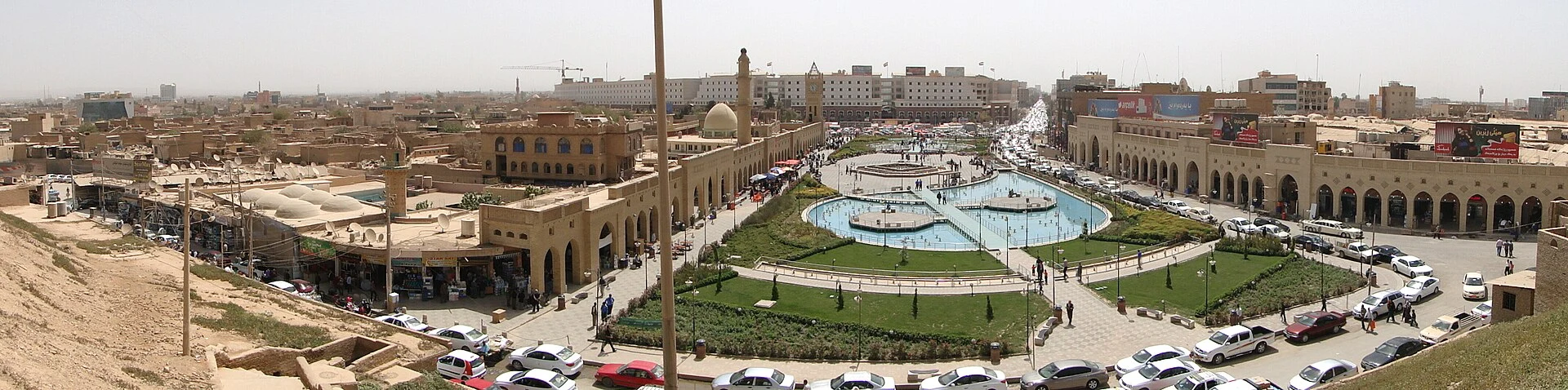 Responsible travel
Erbil Citadel reveals an urban form built on a millennia-old tell. However, current travel advisories discourage planning a tourist trip: this is a place to understand and prepare to visit later, not to set out for now.
Read guide →A day at Sarazm and Ancient Panjakent covers almost four millennia of urban history—provided you do not mistake a proto-urban site for a Sogdian city. The key is to set realistic expectations: read the understated structures in the landscape and allow time for the objects preserved in museums.
Read guide →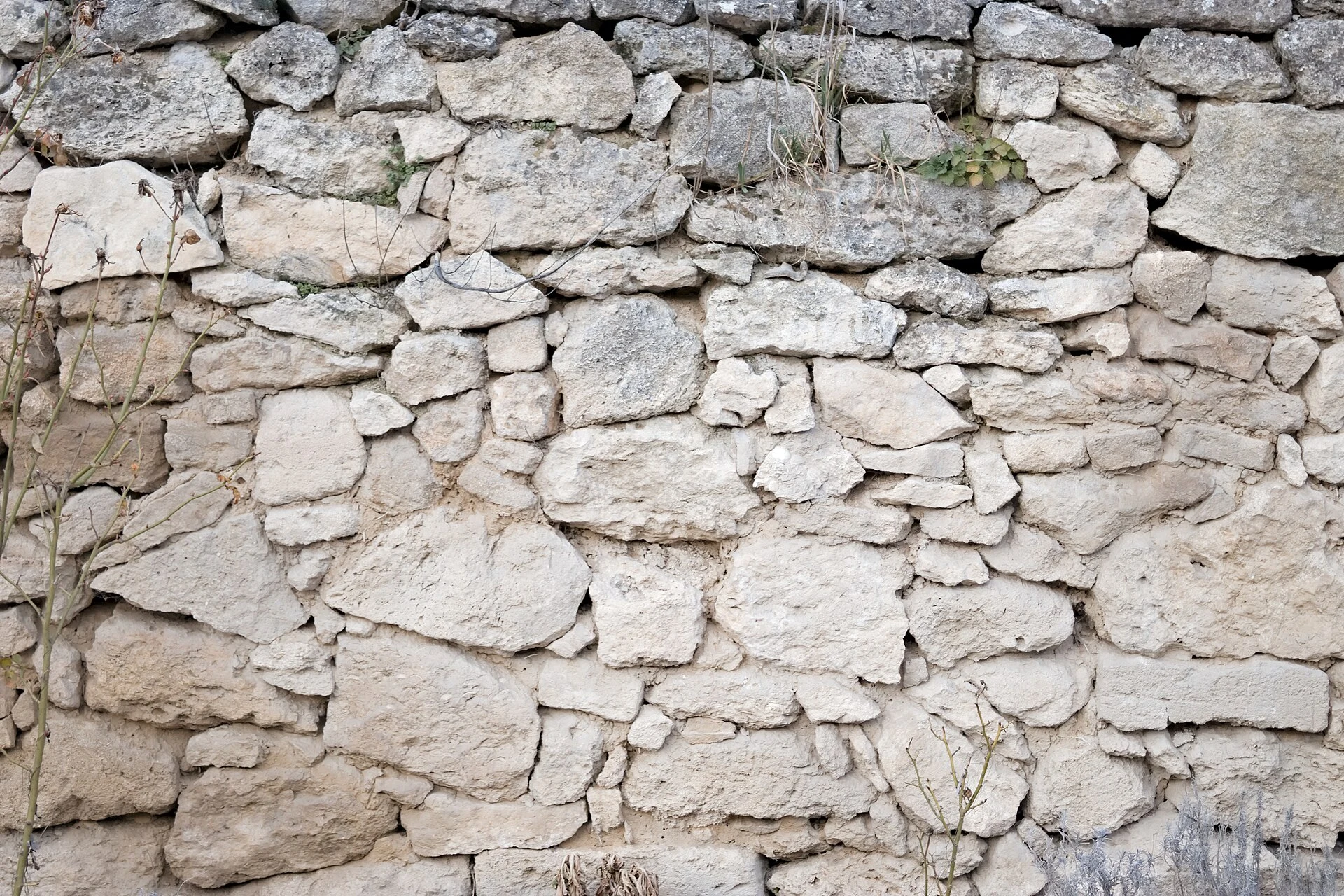 Routes
Orheiul Vechi is best understood as a broad landscape of ruins, rock-hewn hermitages, villages and riverside paths. Here is how to choose between a day trip from Chișinău and an overnight stay in Butuceni or Trebujeni.
Read guide →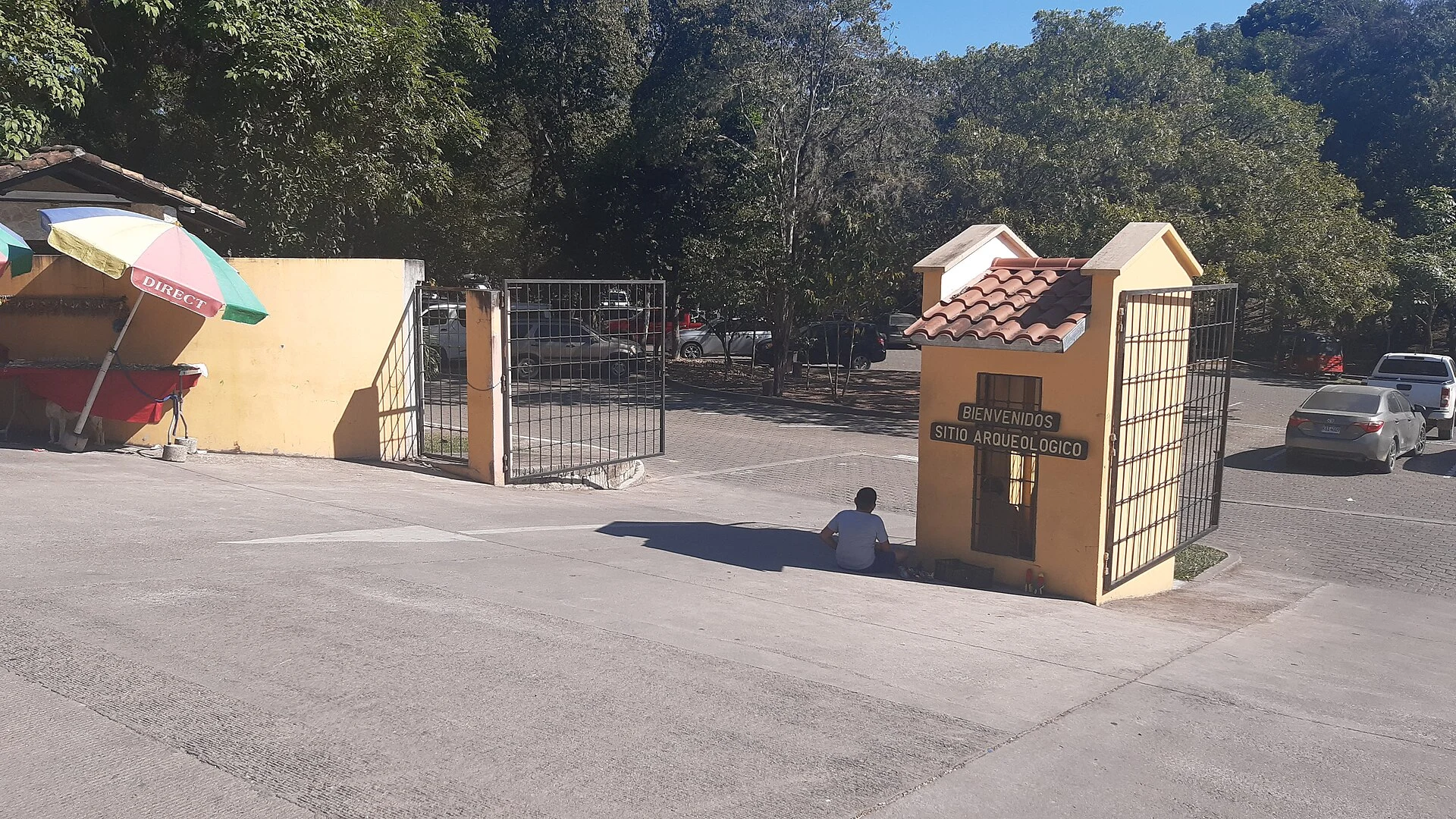 Culture
A visit to Copán makes more sense when it is spread across the Main Complex, the Sculpture Museum and Las Sepulturas, rather than focused solely on the Hieroglyphic Stairway.
Read guide →The two components of Hail’s rock-art World Heritage property tell very long human stories, but they are read differently: Jubbah through the memory of a vanished lake; Shuwaymis through a remote rocky corridor. Choosing well keeps an archaeological visit from becoming a race for photographs.
Read guide →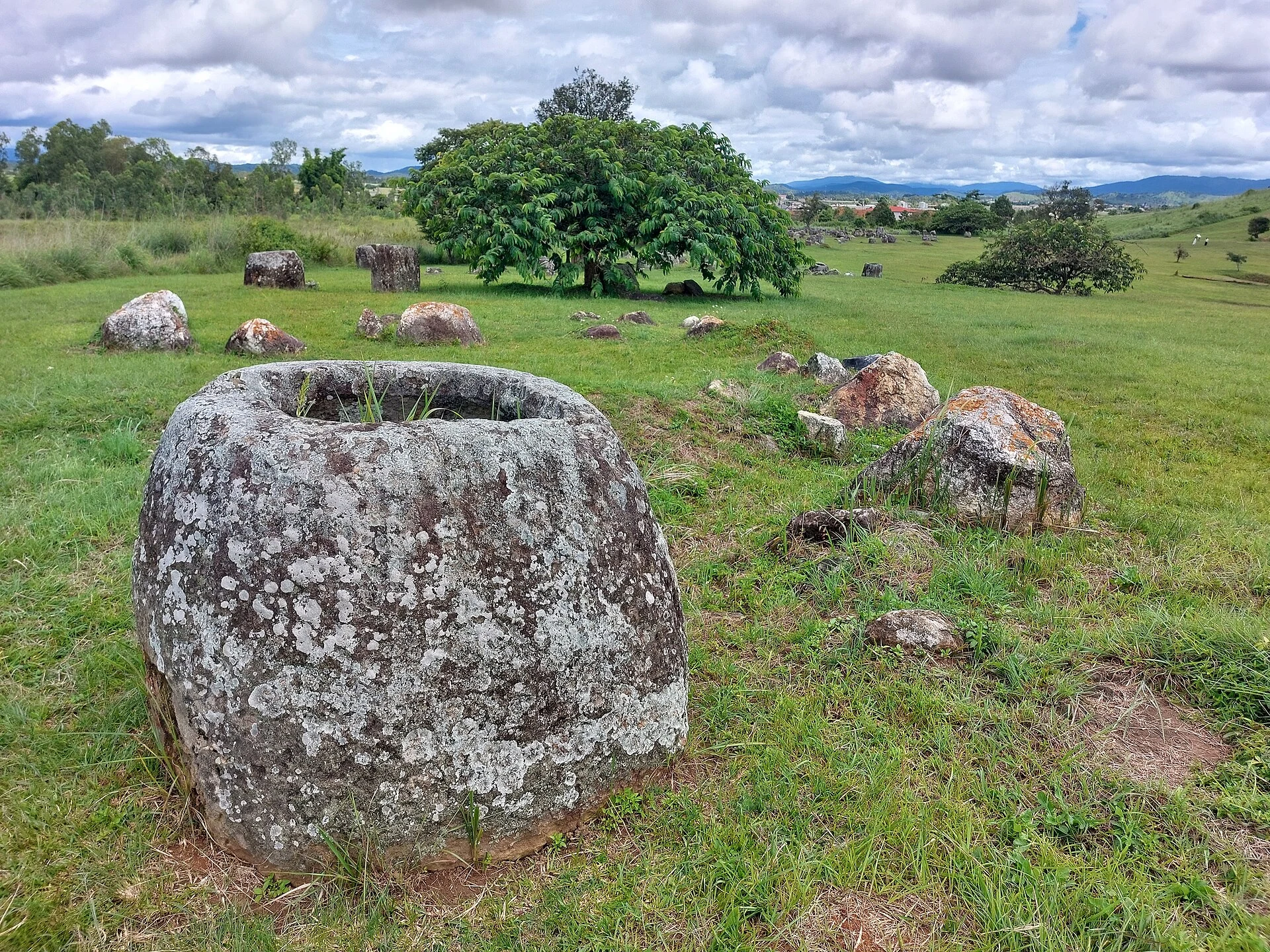 Culture
The jars are not something you take in all at once: Site 1 provides scale and context, while Sites 2 and 3 offer landscape and contrast. The important decision, however, is not how many sites to add, but recognising that marked routes are an essential part of a responsible visit.
Read guide →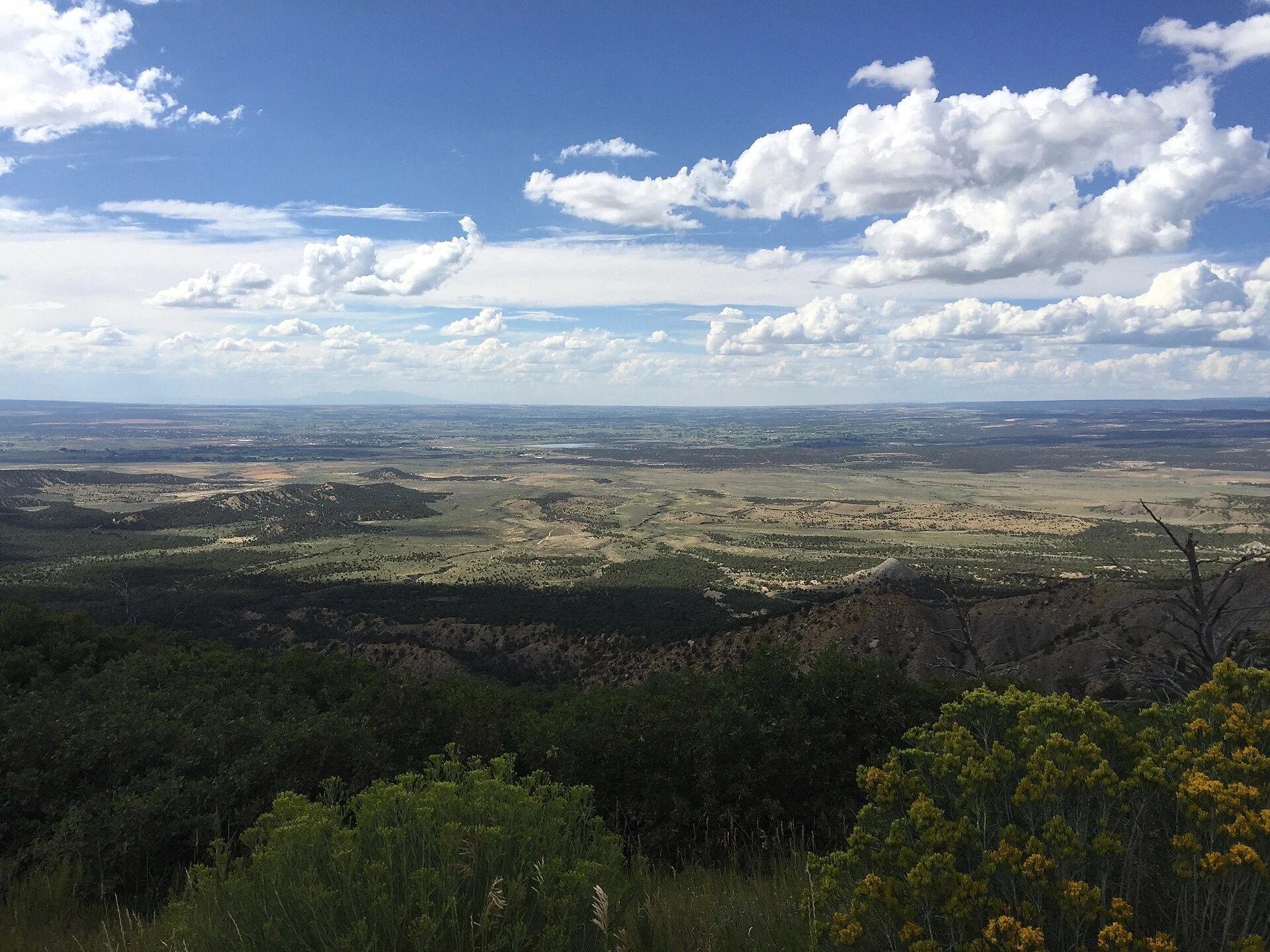 Culture
The useful question at Mesa Verde is not which viewpoint photographs a cliff dwelling best, but which part of the landscape you want to understand: mesa-top villages, a close-up guided visit, or a slow day on foot and by bicycle. Each option calls for different amounts of time, physical ability and expectations.
Read guide →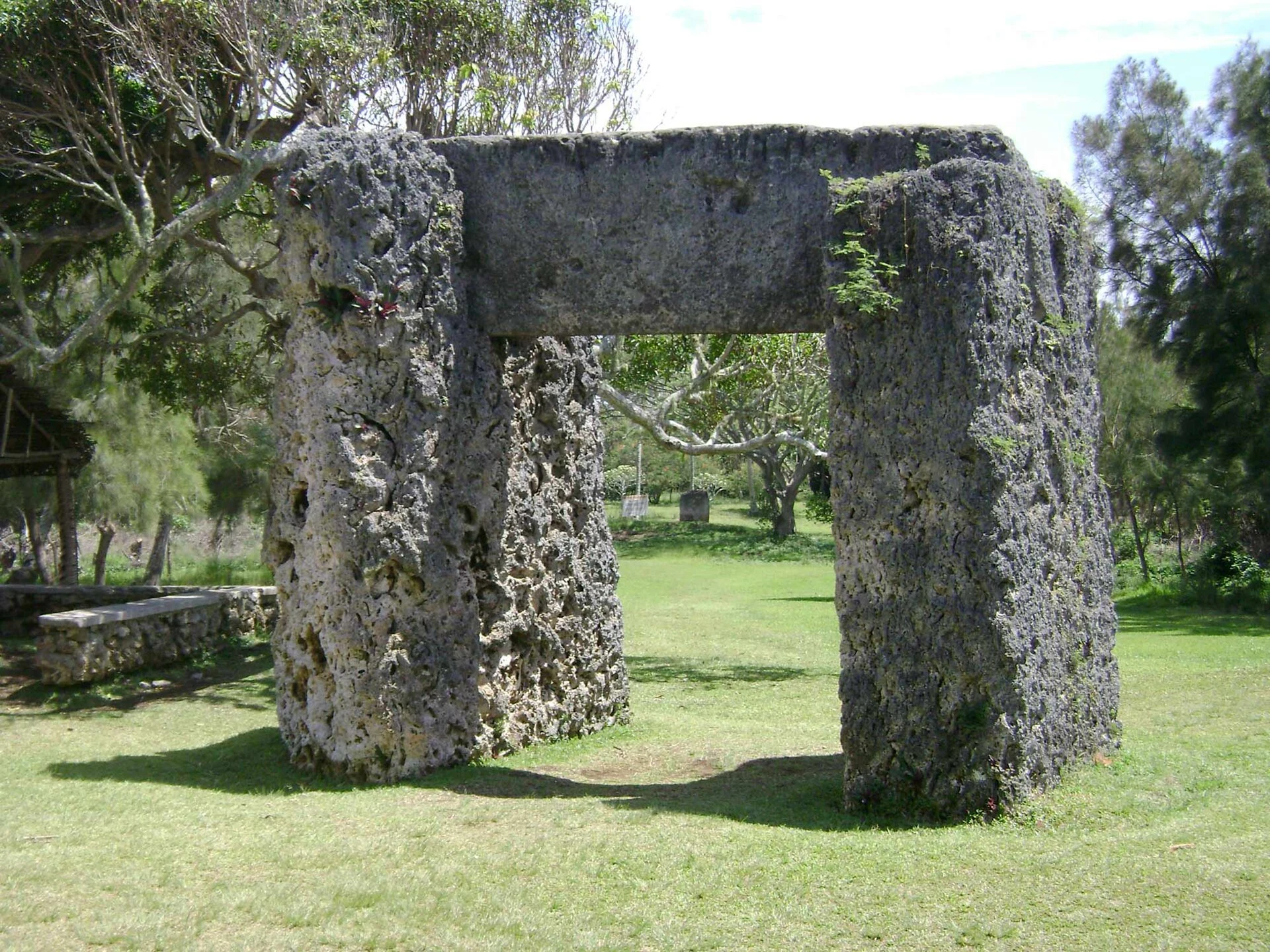 Culture
Ha’amonga ‘a Maui and the langi of Lapaha are not two isolated monuments or a Tongan version of an archaeological park. This short route through eastern Tongatapu helps you decide when seeing the trilithon is enough, why it is worth continuing to Muʻa, and how to visit a landscape of authority, genealogy and memory that still has meaning locally.
Read guide →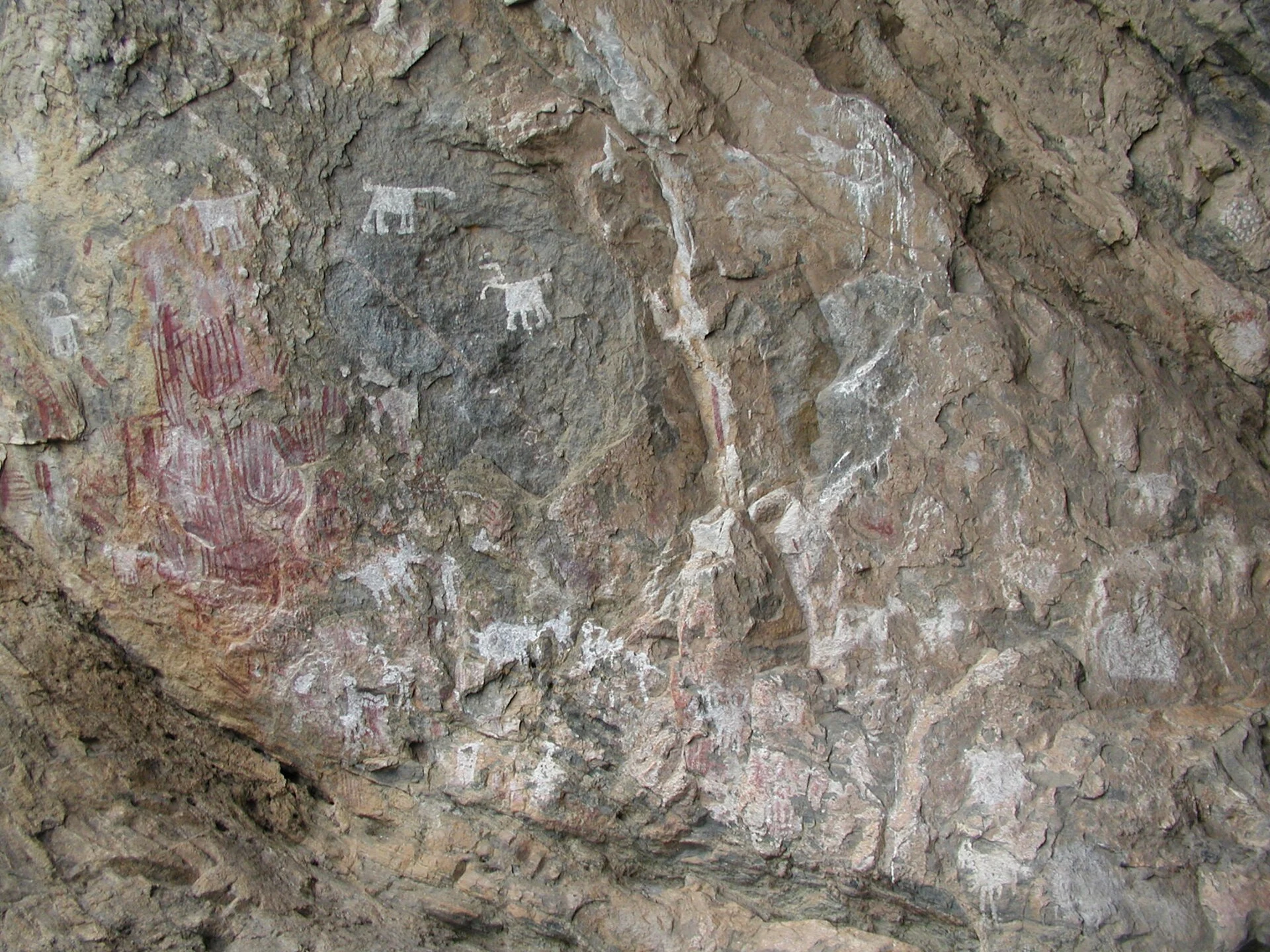 Culture
At Chongoni, the best plan is not to collect rock shelters. It is to choose a feasible visit, go with a guide and accept that a ceremonial landscape is not always available to visitors.
Read guide →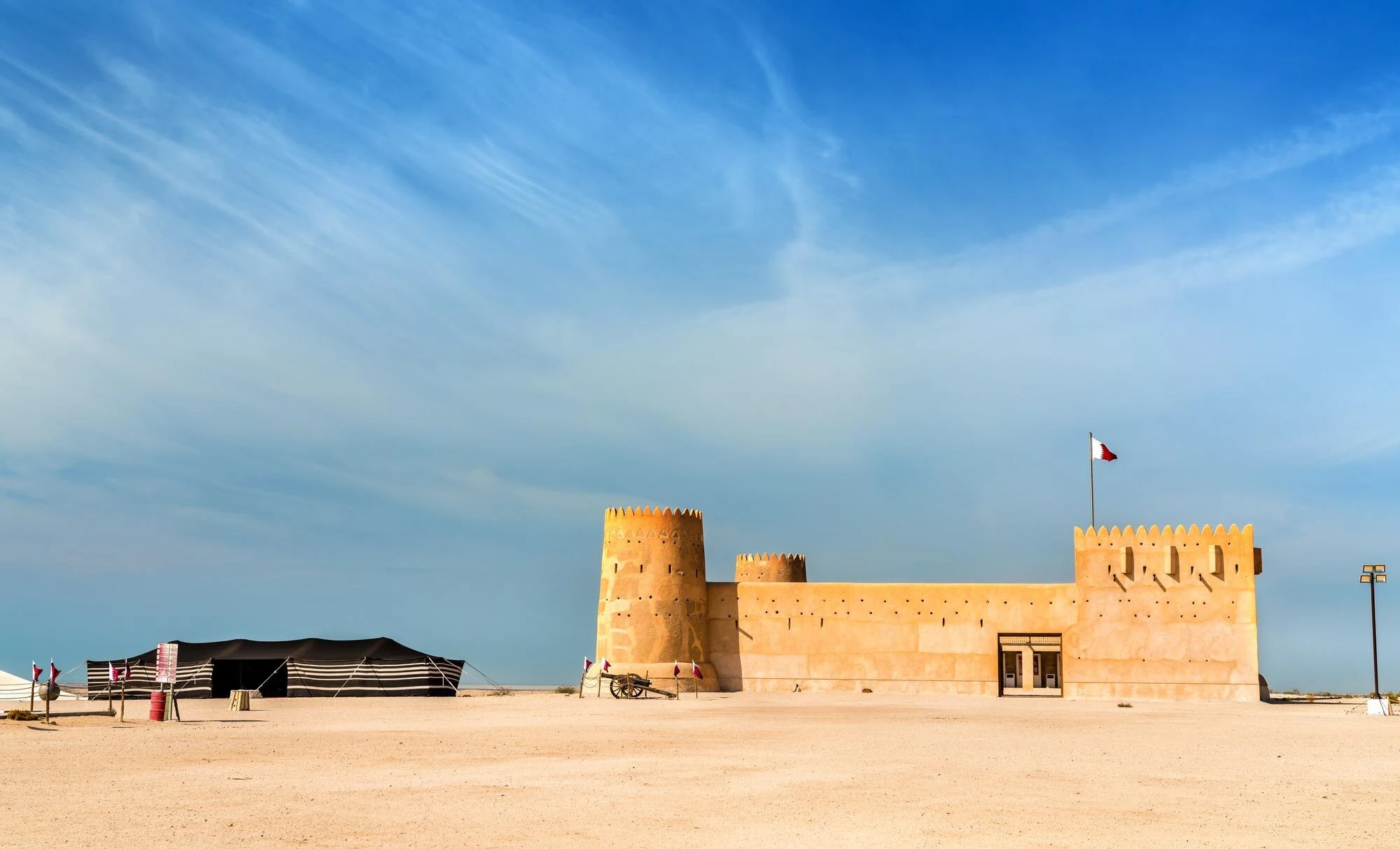 Culture
The 1938 fort is the gateway, not the whole destination. Al Zubarah rewards visitors who set aside time to understand an abandoned trading city, its maritime connections and the desert landscape that still surrounds it.
Read guide → Argentina
 Iraq
Iraq Tajikistan
 Moldova
 Honduras
 Saudi Arabia
 Laos
Laos United States
 Tonga
Tonga Malawi
 Qatar
Qatar