Qatar · Heritage and practical decisions
Al Zubarah and the History of a Pearl-Trading City
The 1938 fort is the gateway, not the whole destination. Al Zubarah rewards visitors who set aside time to understand an abandoned trading city, its maritime connections and the desert landscape that still surrounds it.
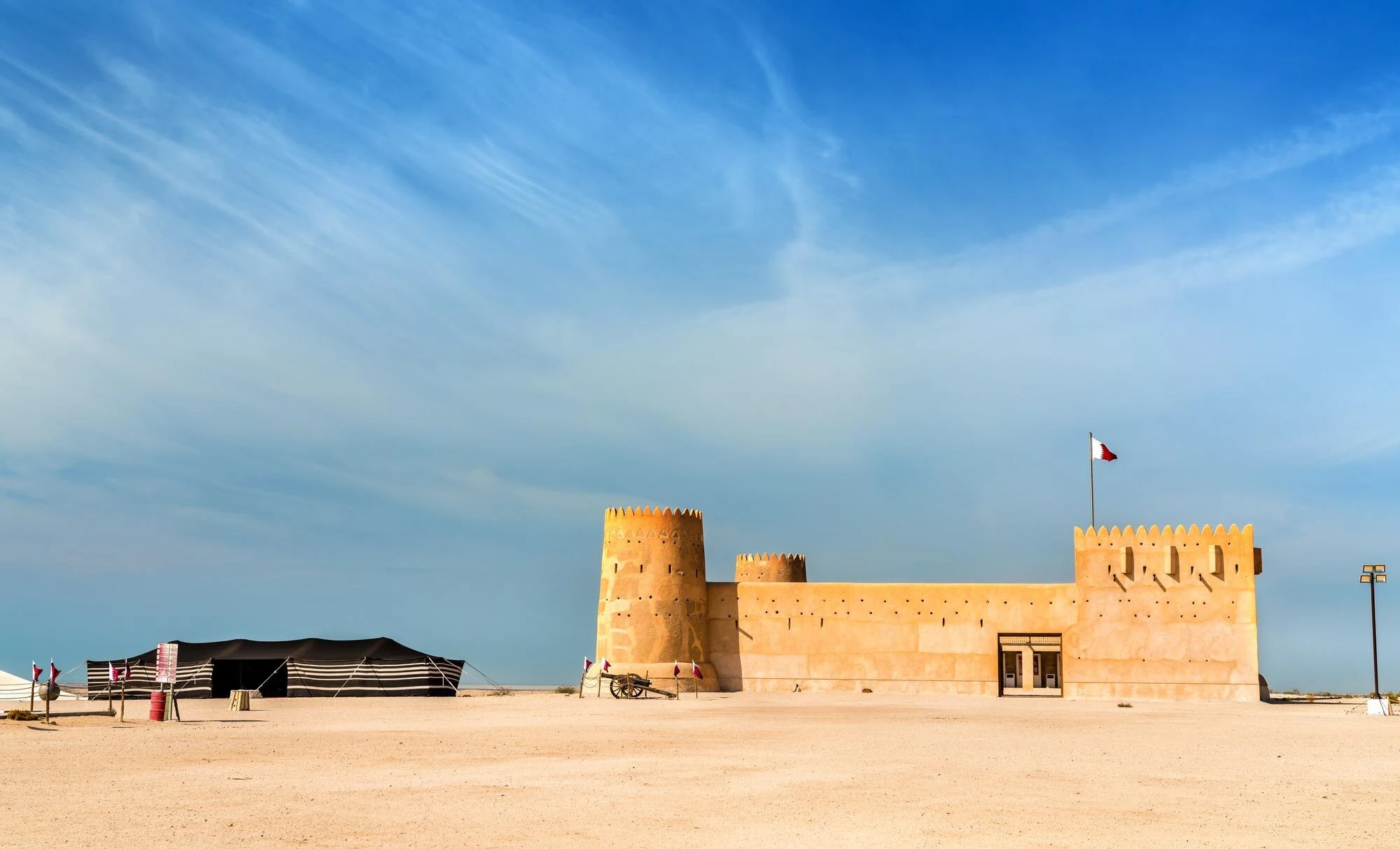
Around 100 kilometres northwest of Doha, Al Zubarah offers a different kind of visit from an urban museum: this is not about counting galleries or seeking out a monumental ruin. It is a fortified port city that flourished through trade and pearl fishing in the late 18th and early 19th centuries, was destroyed in 1811 and abandoned at the beginning of the 20th century. Sand preserved much of its layout, so it is best explored as an incomplete urban landscape rather than as an isolated fort.
The key decision: go if you want to interpret a place, not just photograph it
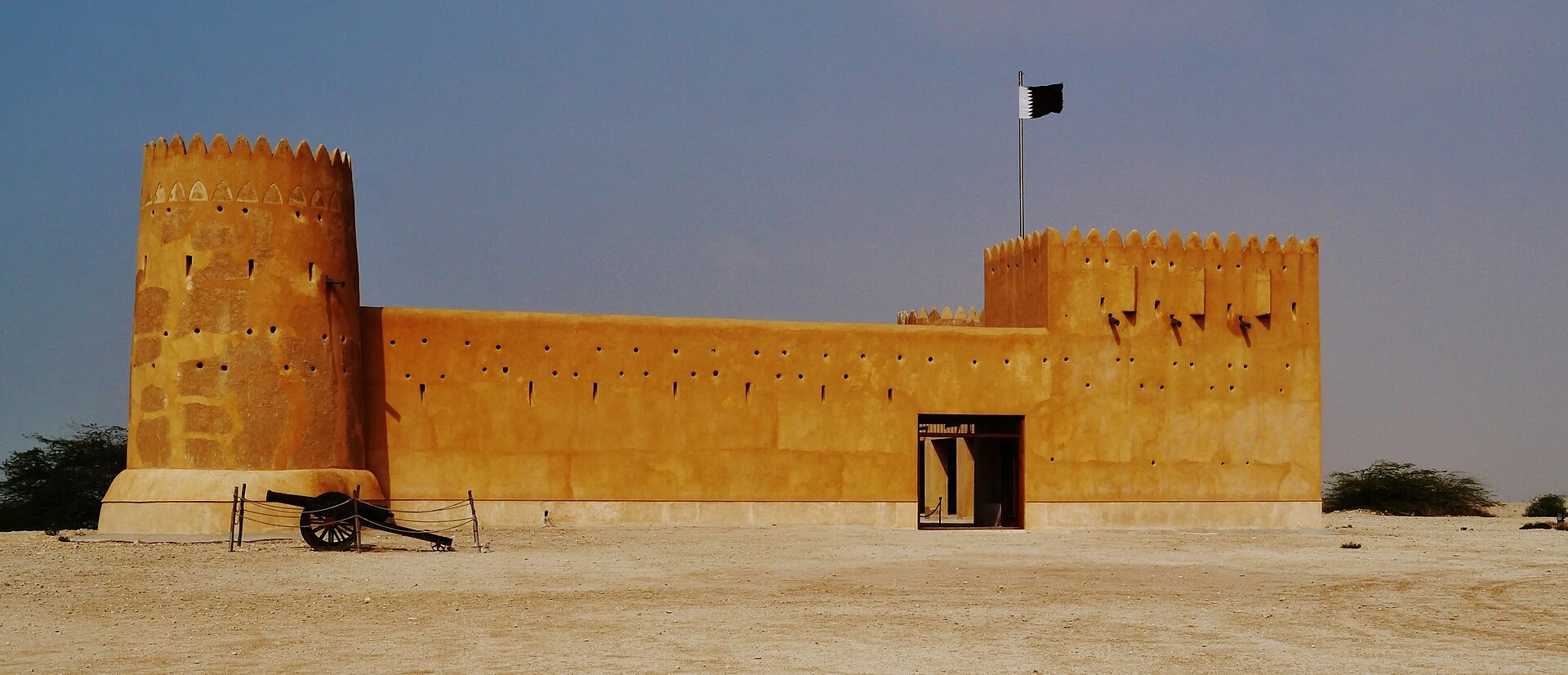
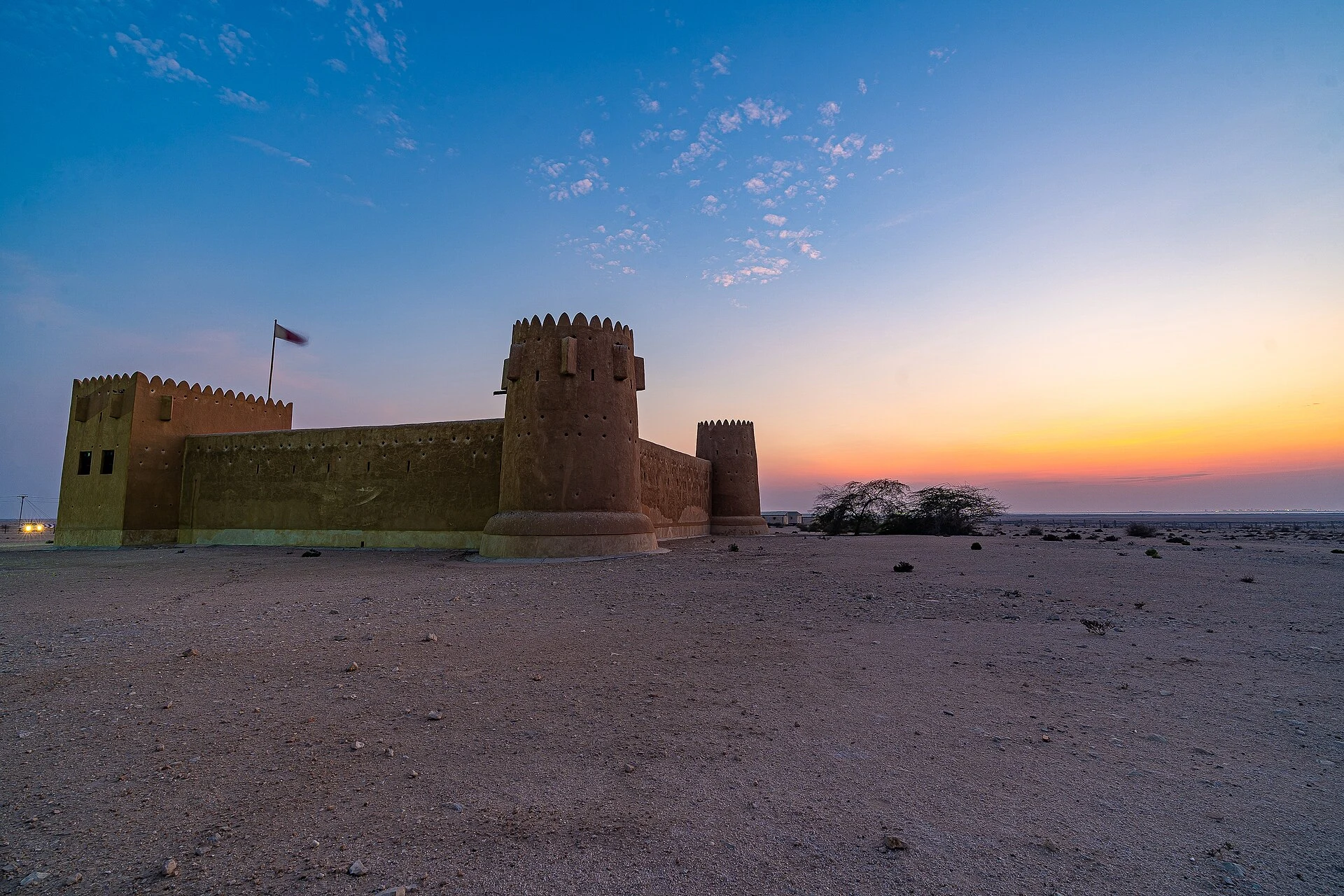
Al Zubarah Fort, built in 1938, is the most visible feature and concentrates the visitor services, but it dates from after the commercial city’s heyday. The reason to make the journey is to connect three scales: the fort as an orientation point; the boardwalk and remains of houses, mosques, the market and defensive structures; and the coastal-desert horizon, which explains how trade, water, fishing and domestic life depended on one another. UNESCO specifically highlights the site’s value in preserving the urban plan, its hinterland and its relationship with the sea—not in a single structure.
How to structure your visit: context first, distance second
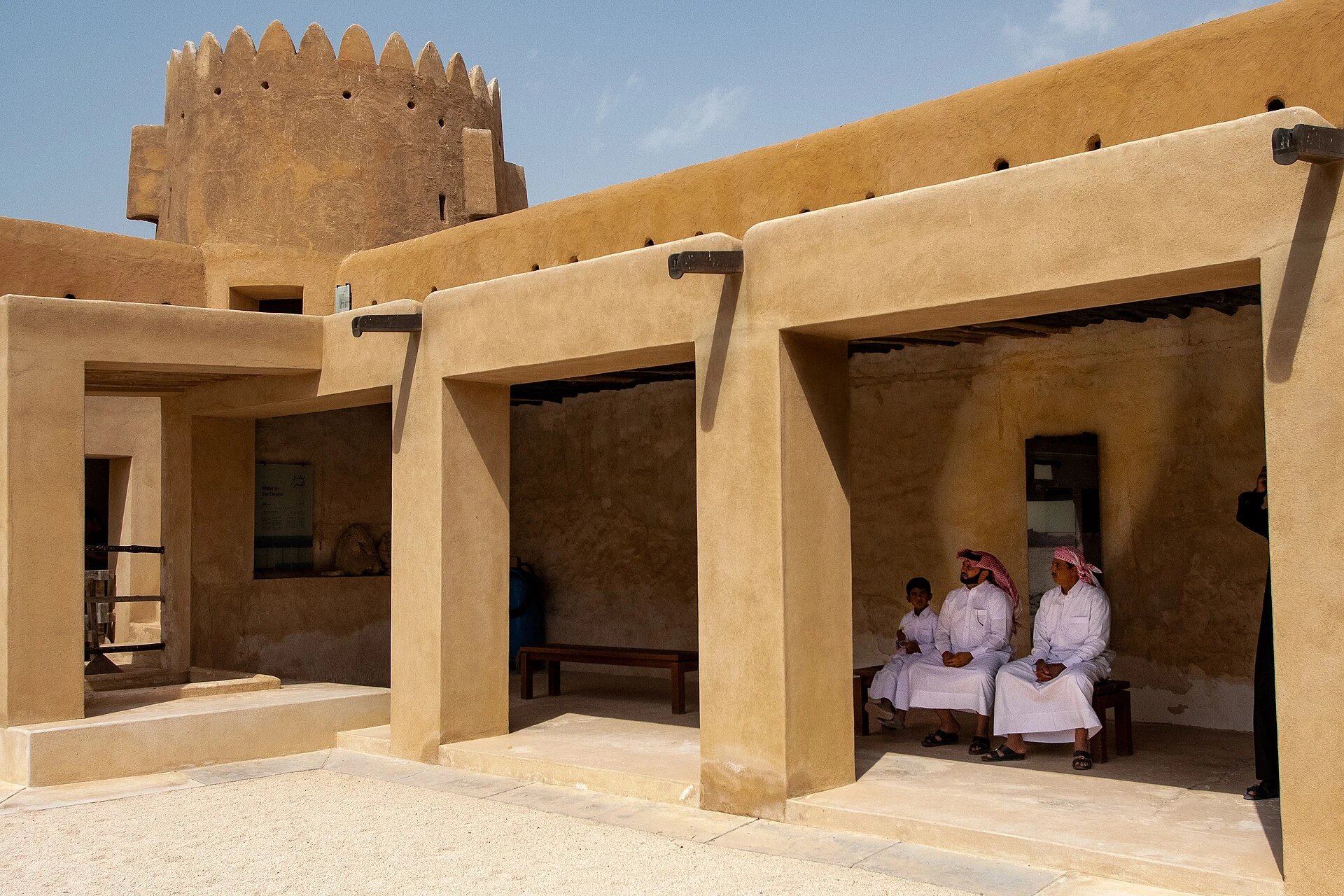
Start at the fort and use its interpretive materials to establish the chronology and understand the objects; then take the internal transfer and boardwalk towards the settlement. Qatar Museums states that the complex stretches about 2.5 kilometres between the fort and the coast and has a shuttle service, so it should not be treated as a quick roadside stop. Once in the city, look for the logic of its streets, courtyards, defensive buildings and productive areas before focusing on any one detail. The aim is not to “see everything”: much of the site remains beneath the sand, and only a small portion has been excavated.
Do not mistake conservation for a lack of interest
Al Zubarah may seem understated if you are expecting a complete reconstruction. That restraint is part of its importance: abandonment and layers of sand preserved the plan of a city connected to pearl fishing and Gulf trade. It also calls for careful visiting. UNESCO describes the exposed remains as vulnerable to erosion and notes that conservation cannot completely halt deterioration. Stay on the designated routes, do not climb walls, and do not turn fragile areas into shortcuts for a photograph.
The logistics involve a trade-off: independence versus convenience
Qatar Tourism places the site around 105 kilometres from Doha and recommends arriving by car or taxi. It is a sensible outing if you have a vehicle or can arrange a return journey, but less suitable if you are looking for a spontaneous stop between urban activities. Bring water, sun protection and sturdy footwear: Qatar Museums warns that many of the country’s heritage sites are in remote locations, with limited facilities and conditions that may be uneven.
Opening hours, tickets and accessibility: check before setting out
This is the detail you should not treat as permanent. Qatar Museums currently states that Al Zubarah requires a ticket and is open Saturday to Thursday from 9:00 to 17:00 and Friday from 12:30 to 17:00; its ticketing page includes both the site and the fort. However, the Qatar Tourism listing shows a different period, from 15:00 to 18:00. Before booking transport, confirm the opening hours, ticket availability and any closure on the official Qatar Museums website. For accessibility needs, the museum requests advance contact and says it may be able to provide support; the boardwalk, internal transfers and terrain do not by themselves amount to a guarantee of universal access.
The best extension is not to add more forts, but to ask a broader question
If you have a full day, do not fill the itinerary with similar stops. Use Qal’at Murair to think about water supply and connections with the interior: Qatar Tourism describes a site with towers, wells, cisterns, a mosque and a canal associated with trade. If you do not have time to stop and read these relationships, it is better to give Al Zubarah your full attention and return to Doha than to turn northern Qatar into a checklist of forts. Confirm through official sources which areas are accessible on the day of your visit.
References consulted during editorial review. Times, requirements and advisories may change: always confirm with the official source.
- https://whc.unesco.org/en/list/1402whc.unesco.org
- https://whc.unesco.org/en/statesparties/qa/documentswhc.unesco.org
- https://whc.unesco.org/en/decisions/4790whc.unesco.org
- https://whc.unesco.org/en/list/whc.unesco.org
- https://whc.unesco.org/en/documents/117214whc.unesco.org
- https://whc.unesco.org/en/documents/169051whc.unesco.org
- https://whc.unesco.org/document/169047whc.unesco.org
- https://whc.unesco.org/document/169049whc.unesco.org
- CatarWikidata · CC0 1.0 · Wikidata · Q846
- QatarWorld Countries — mledoze · ODbL 1.0 · World countries dataset by mledoze and contributors · ODbL 1.0
- QatarWorld Bank Open Data · CC BY 4.0 · World Bank
- Mundial de Catar: autogol o éxito para los patrocinadores. Análisis de los videos publicados en YouTube y la respuesta de la audienciaOpenAlex · CC0 1.0 · OpenAlex