Saudi Arabia · Cultural heritage · Hail
Jubbah and Shuwaymis, two rock-art landscapes around Hail
The two components of Hail’s rock-art World Heritage property tell very long human stories, but they are read differently: Jubbah through the memory of a vanished lake; Shuwaymis through a remote rocky corridor. Choosing well keeps an archaeological visit from becoming a race for photographs.
Conditions described in the guide: confirm current requirements and access with the official source before travelling.
Viajalo Atlas
Photography pending verification
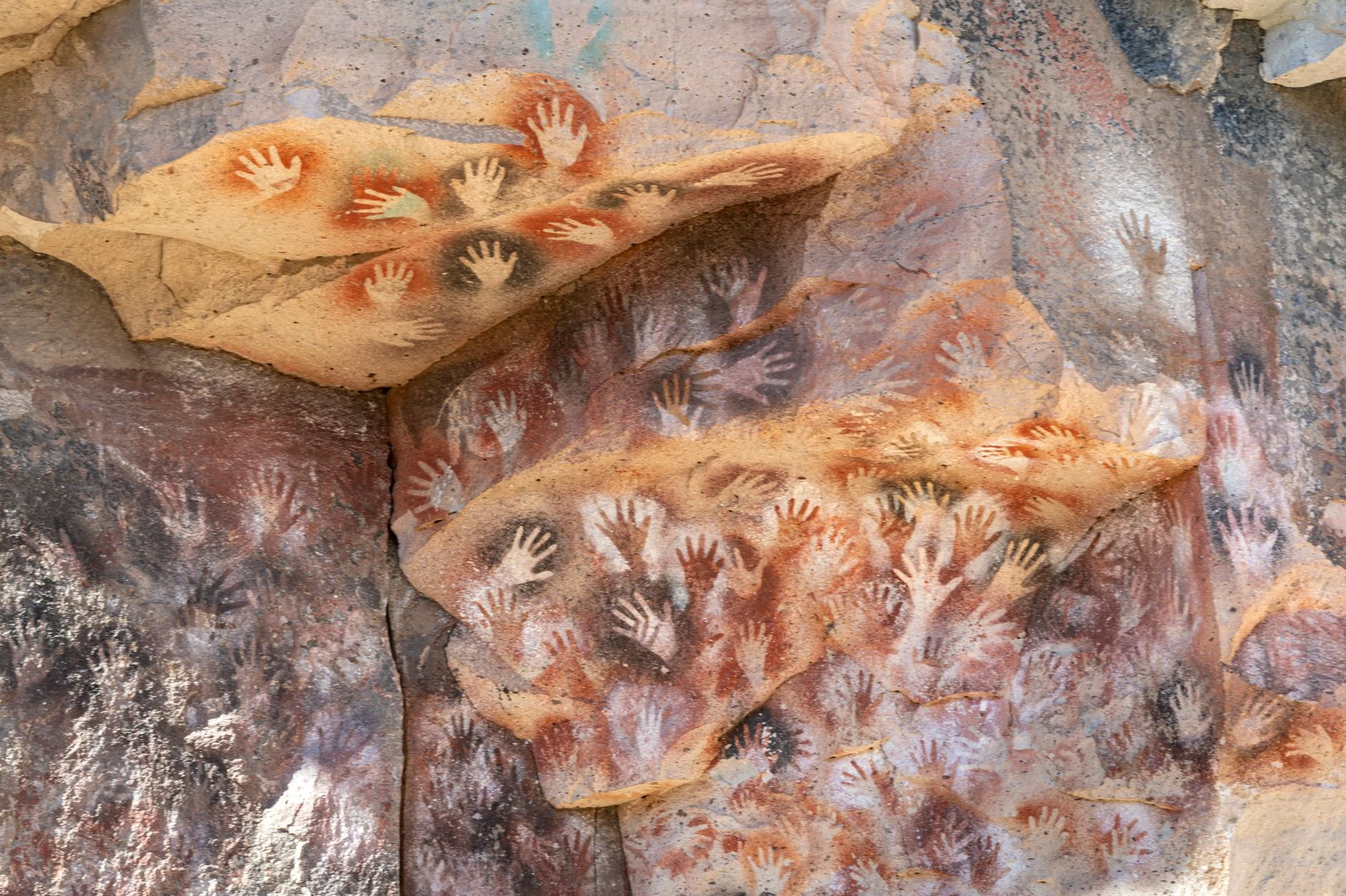
Hail’s UNESCO rock-art site is not a single enclosure or a collection of isolated images: it brings together Jabal Umm Sinman, beside the Jubbah oasis, and the formations of Jabal al-Manjor and Raat, in Shuwaymis. Their carvings and inscriptions preserve traces of human movement over thousands of years. For travellers, the decisive question is not which is “more spectacular”, but what landscape, travel time and level of preparation they are willing to take on.
The basic choice: Jubbah to read an oasis; Shuwaymis to read a valley
Choose Jubbah if your priority is understanding how water organised life in the desert. Jabal Umm Sinman rises beside Jubbah, on the southern edge of the Great Nafud, where a freshwater lake once existed. This environmental transformation helps you read human figures, animals and subsistence scenes as part of their territory rather than in isolation. From Hail, Jubbah lies about 90 km to the north-west.
Choose Shuwaymis if you want the landform itself to be part of the visit. There, al-Manjor and Raat are escarpments along a wadi now covered with sand, and the experience depends more on accepting an open environment, desert roads and a longer day of logistics: Shuwaymis is approximately 250 km south of Hail. It is not an expanded version of Jubbah, but another geographical archive.
If you can visit only one, do not decide by the number of carvings
Jubbah lets you focus on one major complex: Umm Sinman brings together rock art and inscriptions from different periods, including numerous Thamudic inscriptions and later evidence from the Islamic period. It is a sensible choice for a first visit if you want a clear chronological reading and do not have several days to spend in the region.
Shuwaymis rewards a different question: how did a corridor of rock and sand support successive human presences? UNESCO stresses that both components contain human and animal figures accumulated over roughly 10,000 years; you do not need to “see everything” to understand the value of the property. Spend time with a few panels, compare techniques, superimpositions and the species depicted, and let a single landscape guide the visit.
A realistic day: base yourself in Hail and arrange transport before setting out
Hail is a practical base for Jubbah and a useful preparation point for Shuwaymis, but the distances mean they should not be treated as spontaneous detours. For Jubbah, official experiences include transport from Hail. For both places, Visit Saudi recommends comfortable footwear, water and sun protection, and suggests hiring a guide if you want a deeper interpretation of the inscriptions.
Check before booking accommodation or a vehicle: the Saudi Memory Map listing indicates that Jubbah requires an appointment. Confirm the booking system, authorised access, whether a guide is available, road conditions and any temporary restrictions directly; these details can change and should not be inferred from an old review.
How to look without causing damage or oversimplifying
The appeal of these places does not lie in finding one “iconic” figure, but in recognising that the rocks bring together scenes of hunting, herding, movement, writing and ecological change. In Jubbah, for example, the representations range from early figures and animals to repertoires in which camels, horses, ibex and scripts become more prominent. This variety makes it impossible to reduce the site to a prehistoric postcard.
Stay on the designated paths and platforms, do not touch or trace the panels, do not climb the rocks to frame a photograph, and avoid treating the inscriptions as decorative backdrops. UNESCO emphasises that the value of these complexes depends on their remaining in their original location and setting. If you cannot visit through regulated access or with enough time to do so carefully, postponing the visit is more responsible than improvising.
A way to complete the visit without turning it into a marathon
Set aside the day before or after for the Hail Regional Museum and the city, rather than trying to force Jubbah and Shuwaymis into the same itinerary. The national tourism office itself proposes the museum as context before visiting the rock-art sites. This pause helps separate the material history from the road journey and avoids expecting every carving to explain the entire history of Arabia on its own.
References consulted during editorial review. Times, requirements and advisories may change: always confirm with the official source.
- https://whc.unesco.org/en/list/1619whc.unesco.org
- https://whc.unesco.org/en/statesparties/sawhc.unesco.org
- https://whc.unesco.org/document/189240whc.unesco.org
- https://whc.unesco.org/en/list/1619/documents/whc.unesco.org
- https://whc.unesco.org/en/list/1619/gallery/whc.unesco.org
- https://whc.unesco.org/document/177676whc.unesco.org
- https://whc.unesco.org/en/decisions/8169whc.unesco.org
- https://whc.unesco.org/en/tentativelists/6636/whc.unesco.org
- Arabia SaudíWikidata · CC0 1.0 · Wikidata · Q851
- Saudi ArabiaWorld Countries — mledoze · ODbL 1.0 · World countries dataset by mledoze and contributors · ODbL 1.0
- Saudi ArabiaWorld Bank Open Data · CC BY 4.0 · World Bank
- Saudi ArabiaDBpedia · CC BY-SA 3.0 · DBpedia
- Arabia Saudí y las dinámicas de financiarización en Oriente Medio: algunas repercusiones geopolíticas del proyecto Neom en el Mar RojoOpenAlex · CC0 1.0 · OpenAlex
- La proyección internacional de Arabia Saudí: poder sutil en Oriente MedioOpenAlex · CC0 1.0 · OpenAlex
- Arabia Saudí: coronavirus, tronos y guerra petroleraCrossref · Metadatos públicos; derechos específicos por campo cuando correspondan · Crossref