Santa Cruz · Argentina
Cueva de las Manos from Perito Moreno: How to Plan a Well-Paced Visit
Cueva de las Manos first requires you to work out the distance, transport and pace of the visit. Perito Moreno is the practical base for arriving with enough time and understanding rock art that cannot be rushed.
Conditions described in the guide: confirm current requirements and access with the official source before travelling.
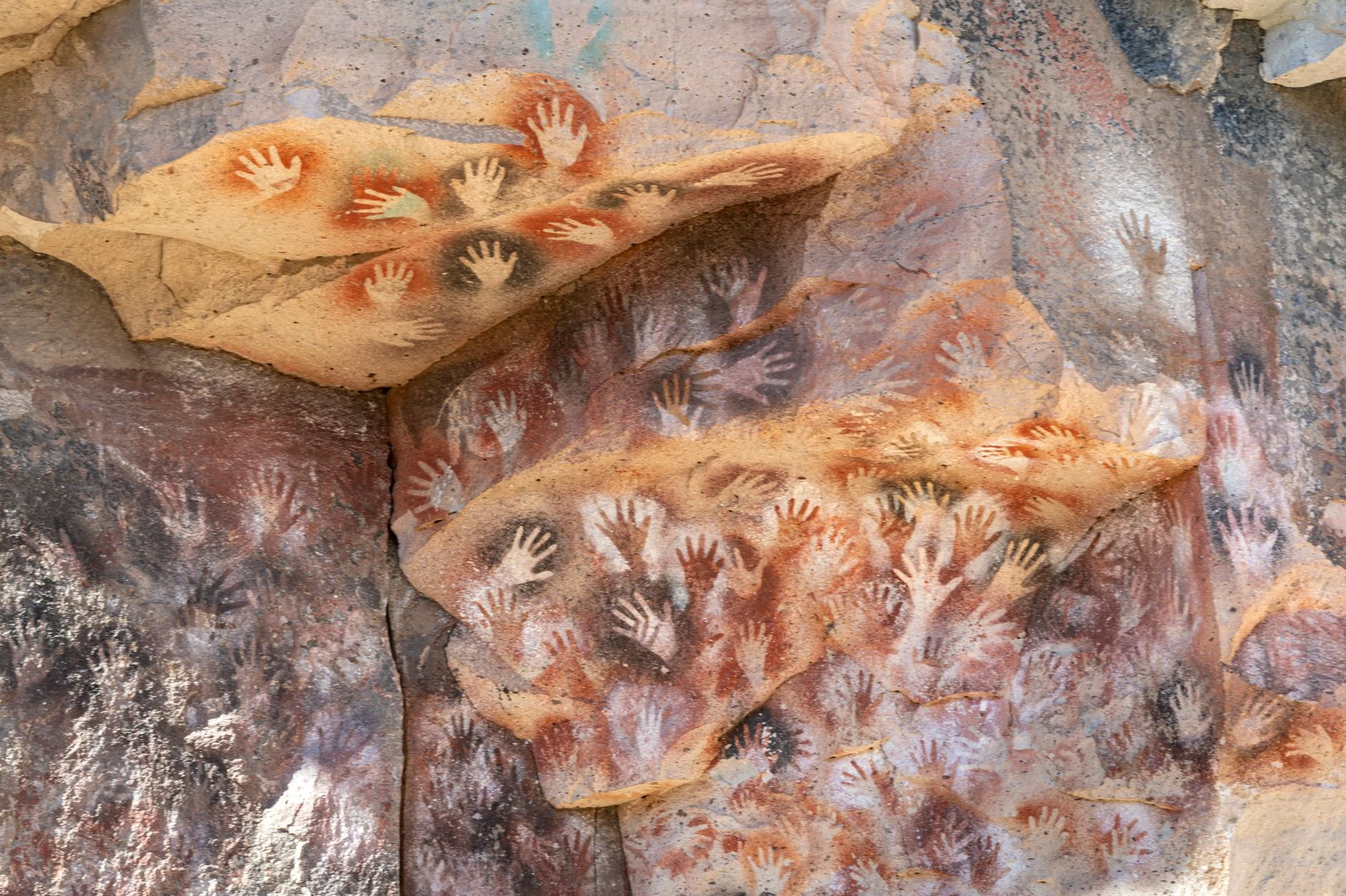
In northwestern Santa Cruz, Cueva de las Manos brings together hand silhouettes, guanacos and hunting scenes on the canyon walls of the Pinturas River. The value of the visit lies not in simply adding kilometres on Route 40, but in combining sensible logistics with a careful reading of an archaeological site whose artistic sequence spans millennia.
Listen to Argentina
A documented soundscape that complements this guide to Argentina. Cueva de las Manos first requires you to work out the distance, transport and pace of the visit. Perito Moreno is the practical base for arriving with enough time and understanding rock art that cannot be rushed.
Audio by CarlosCarty · Openverse · CC BY 4.0 · Duration: 00:08
Choose the right base: the town of Perito Moreno
The practical base is the Santa Cruz town of Perito Moreno, not the glacier of the same name near El Calafate. Transfers and excursions to the provincial park are organised from the town, which also has accommodation, services and the Carlos Gradin Archaeology Museum. Arriving the day before means you do not have to rely on a late connection or turn the cave into a rushed few-hour detour.
The park entrance is on the Route 40 corridor between Perito Moreno and Bajo Caracoles. Drivers should bear in mind that road conditions, wind and winter weather can change actual journey times. Without a car, the sensible option is to reach Perito Moreno by regular transport and book a trip to the site in advance: the bus can get you to the town, but it does not replace the final leg to the cave.
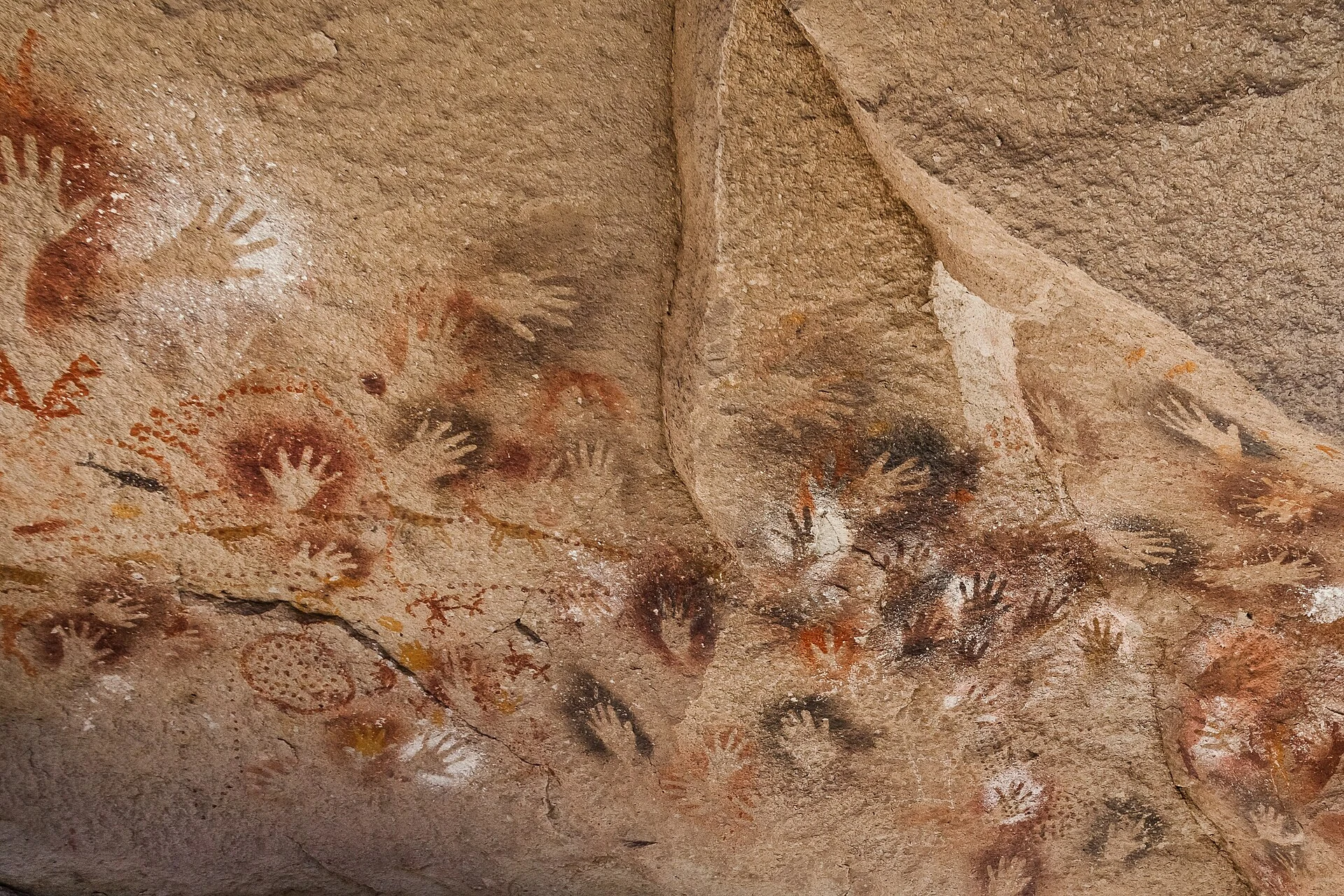
A guided visit lets you see more than just the hands
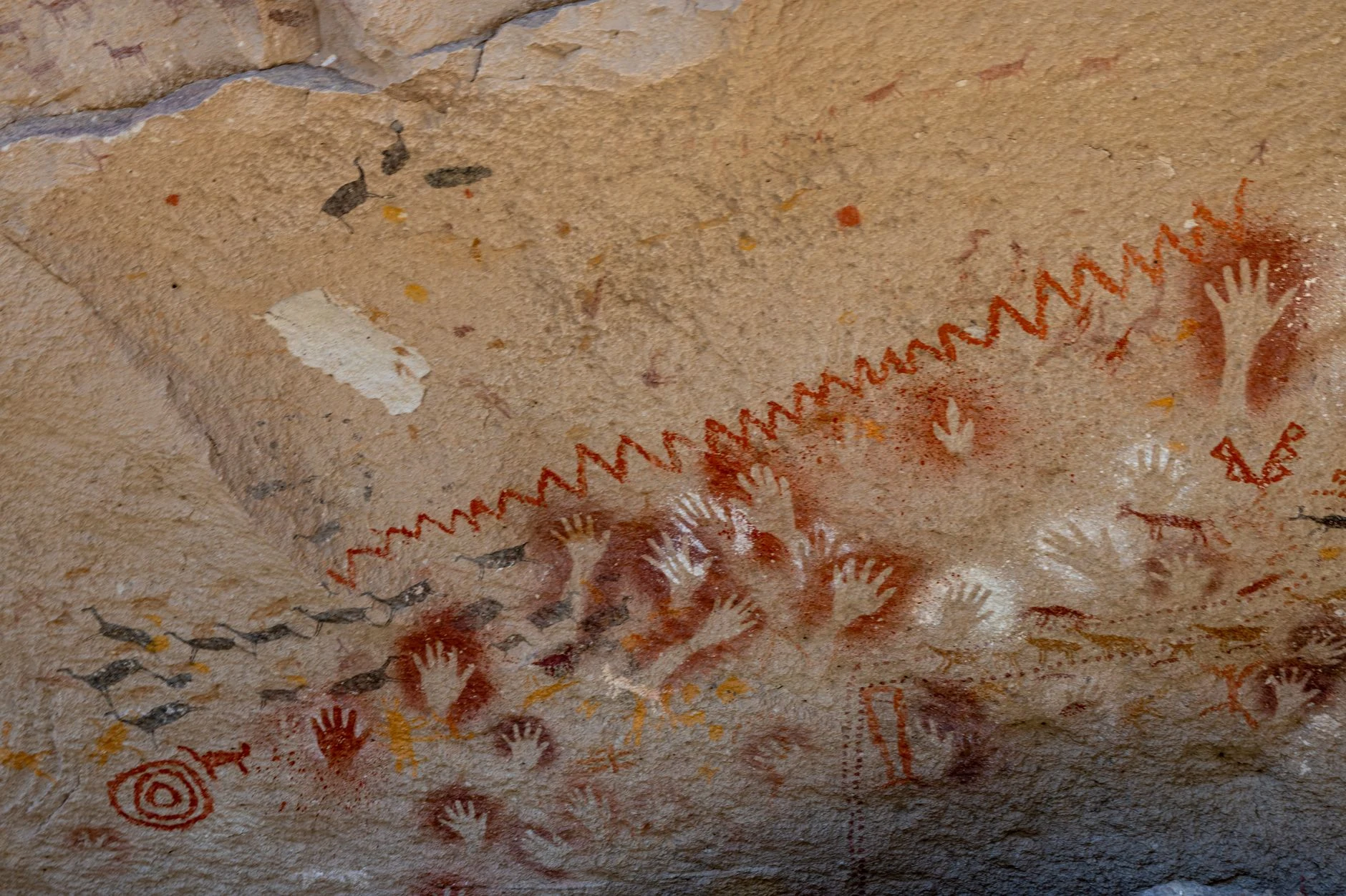
Visits to the park take place with a guide and generally last about an hour, a format worth treating as part of the experience rather than as a formality. The negative handprints are the best-known image, but they are not the whole story: there are depictions of guanacos, human figures and scenes that help visitors consider the hunting strategies, movement and social life of hunter-gatherer groups.
There is no need to assign a single meaning to every hand stencil. It is more useful to observe the overlaps, sizes, colours and the relationship between the panels, the rock shelter and the canyon. The mineral pigments and the site’s long sequence of use are key to understanding why it has exceptional archaeological importance in South America.
Prepare for a low-friction day
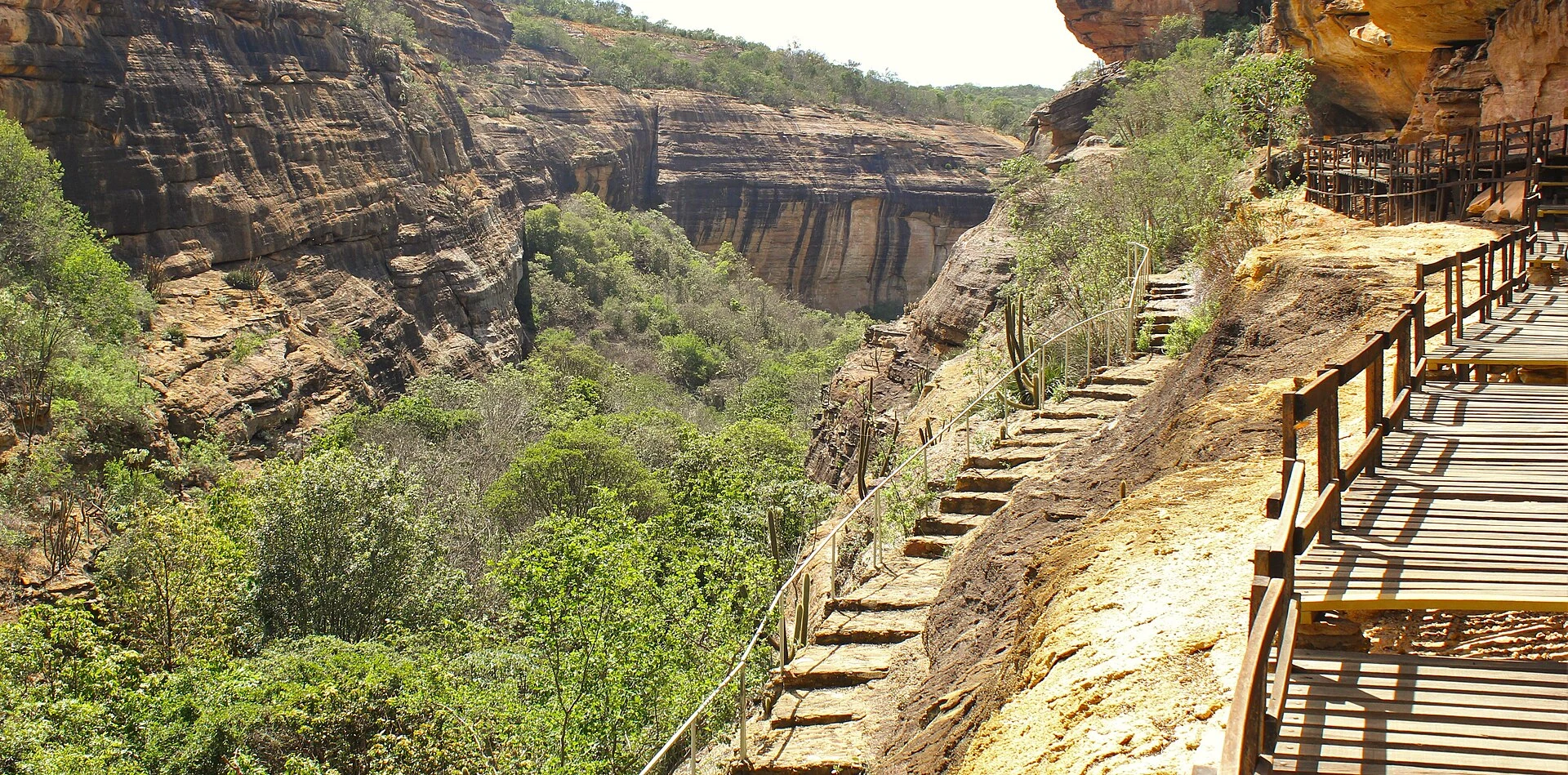
Allow plenty of time for the return journey, and bring water, warm layers, sun protection and stable footwear for the outdoor sections. The setting is exposed and the perceived temperature can change quickly. The visit uses viewing balconies and controlled paths: it is not a mountain hike, but it does involve moving across natural terrain and staying aware near the canyon edge.
Avoid using flash when photographing the paintings and follow the distance specified by staff. Not touching the rock, staying on the designated paths and taking all rubbish with you are practical conservation measures: the rock art has survived to the present thanks to particular environmental conditions, but it is vulnerable to contact, dust and intentional damage.
When to add a night and the museum
If your route continues towards Los Antiguos, Lago Posadas or Patagonia National Park, Perito Moreno works better as a one- or two-night stop than as a simple resupply point. The local museum adds archaeological context before or after the visit and helps prevent the site from being reduced to a photograph of the hands.
The region can be visited year-round, but daylight hours, road conditions and operating schedules change. In winter, or when your itinerary depends on gravel roads and connections, it is better to prioritise flexibility than to combine the cave with a long journey on the same day.
Details to confirm before setting out
Confirm directly with the Perito Moreno Tourism Office and the park administration the current booking or ticket-purchase arrangements, capacity limits, guided departure times, access conditions and availability of excursions. These details may change with the season, weather, maintenance work or site management.
Also check bus or regional flight connections if you are arriving without a vehicle. Keeping a spare night in Perito Moreno is the most useful decision when public transport and road conditions do not allow for a tightly timed visit.
Official references for planning and checking details
- National Institute of Anthropology and Latin American Thought: tourism information, guided visits and site conservation recommendations.
- Perito Moreno Tourism Office and Santa Cruz Tourism: local base, general arrival options and visitor guidance services.
- La Ruta Natural, a national public initiative: park location, its connection with Bajo Caracoles and the context of the Pinturas River canyon.
- UNESCO World Heritage Centre: chronology, techniques, motifs and archaeological values of the inscribed property.
References consulted during editorial review. Times, requirements and advisories may change: always confirm with the official source.
- https://whc.unesco.org/en/statesparties/arwhc.unesco.org
- https://whc.unesco.org/en/list/936whc.unesco.org
- https://whc.unesco.org/en/tentativelists/6297/whc.unesco.org
- https://whc.unesco.org/en/decisions/2561whc.unesco.org
- https://whc.unesco.org/en/statesparties/ar/documentswhc.unesco.org
- https://whc.unesco.org/en/list/whc.unesco.org
- https://whc.unesco.org/en/listwhc.unesco.org
- https://whc.unesco.org/en/search/?criteria=ids+-12b&maxrows=200whc.unesco.org
- ArgentinaWikidata · CC0 1.0 · Wikidata · Q414
- ArgentinaWikidata · CC0 1.0 · Wikidata · Q4789276
- ArgentinaWikidata · CC0 1.0 · Wikidata · Q3622264
- ArgentinaWorld Countries — mledoze · ODbL 1.0 · World countries dataset by mledoze and contributors · ODbL 1.0
- ArgentinaWorld Bank Open Data · CC BY 4.0 · World Bank
- ArgentinaDBpedia · CC BY-SA 3.0 · DBpedia
- Sobre José Zanca, Catolicismo y cultura de izquierda en la Argentina del siglo XXCrossref · Metadatos públicos; derechos específicos por campo cuando correspondan · Crossref
- Sobre la historia de la cultura en ArgentinaCrossref · Metadatos públicos; derechos específicos por campo cuando correspondan · Crossref
- Miradas antagónicas del turismo en Argentina, una revisión sobre Bariloche y las guías de turismo del peronismo (1945-1955)Crossref · Metadatos públicos; derechos específicos por campo cuando correspondan · Crossref
- Literatura ArgentinaOpen Library · CC0 1.0 (registros de catálogo) · Open Library