Helgeland Coast · Norway
Vegaøyan, an island visit shaped by the eider
In Vegaøyan, the journey is not about ticking off islands. It is about knowing when to stay on the main island, when to go out by boat and when to keep away from bird colonies.
Conditions described in the guide: confirm current requirements and access with the official source before travelling.
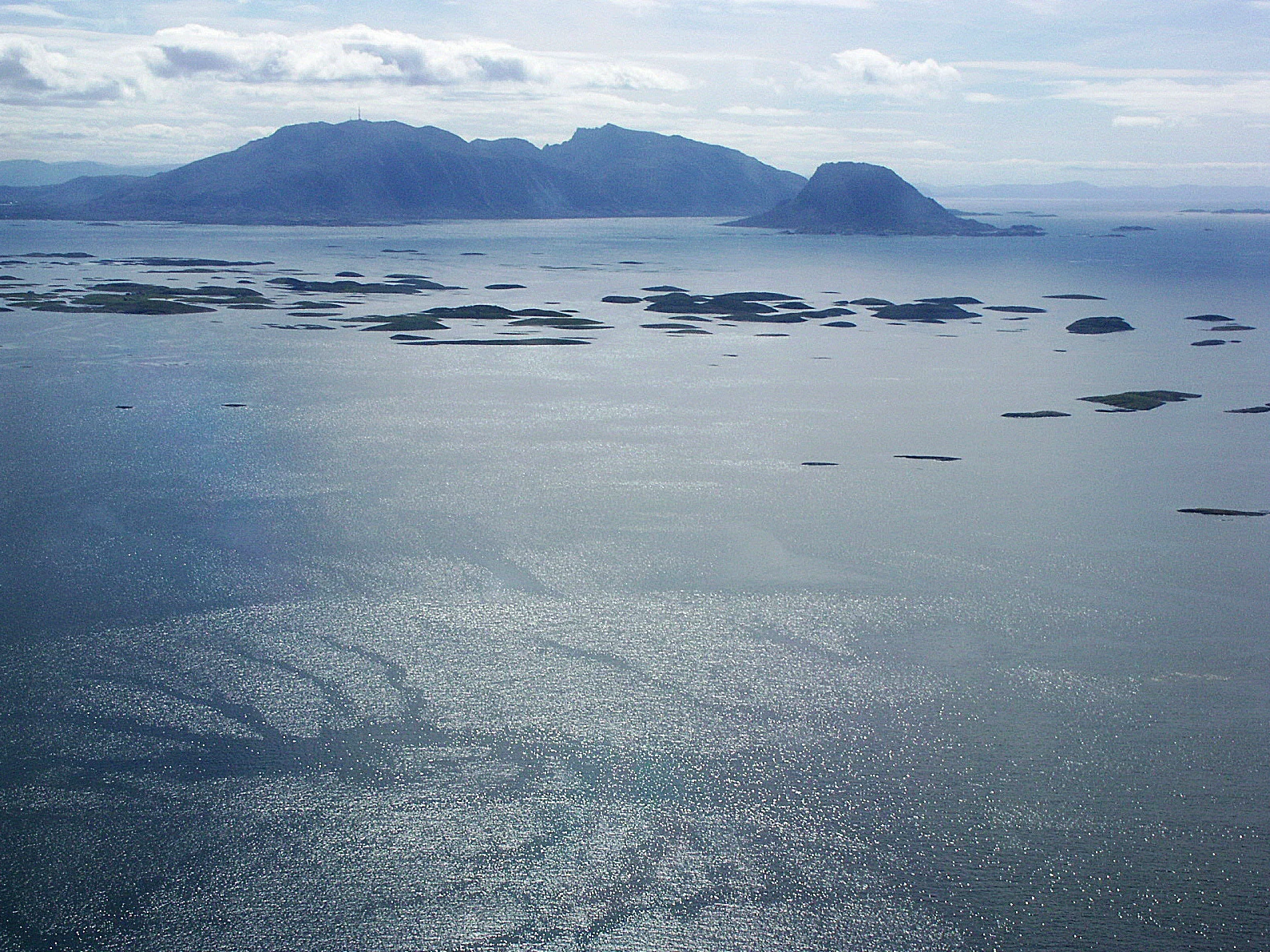
Vegaøyan is an island cultural landscape south of the Arctic Circle, shaped over centuries by fishing, farming, seafaring and the traditional management of eider ducks. This distinction matters to visitors: the archipelago is not an undifferentiated maritime setting that can be accessed at will. It is a collection of communities, protected areas and small islands whose rhythms change with the birds’ breeding and moulting seasons.
The most useful approach is to plan Vega as a two- or three-night stay on the main island, using the World Heritage Centre as your starting point. Add a trip to Lånan only if it coincides with an organised visit that is available, and with the environmental restrictions currently in force. This avoids building the journey around a landing that may be unsuitable, unauthorised or impossible.
Start on the main island, not on the outlying islands
Vega Island is the practical base for understanding the archipelago. Everyday services, roads and the interpretation centre at Gardsøy are concentrated here. The centre explains the relationship between nesting houses, down collection and the lives of fishing farmers. Visiting at the beginning helps you recognise the jetties, sheds, pastureland and buildings connected with that economy as you encounter them in the landscape.
The appeal of the area should not be measured by how many islets you set foot on. Vegaøyan’s value lies precisely in the relationship between the sea, the settlements and the seasonal care of the eiders. If you have only one full day, stay on Vega: combine the centre with a cycling or walking route around Gardsøy, Nes, Gladstad or the coast. It is a more coherent and less fragile option than improvising a trip to the outer islands.
Ferry or fast boat: a choice that changes the trip
You can reach Vega by ferry to Igerøy or by fast boat to several landing points, including Rørøy and Gardsøy. These arrivals are not equivalent. Igerøy makes sense if you are bringing a vehicle, but it is some distance from Gladstad and the interpretation centre. Gardsøy is the more convenient option for a car-free visit focused on the heritage, since it allows you to begin near the centre and continue on foot or by bicycle.
The island is larger than it looks on a map: points of interest may be several kilometres apart. For a short stay, a bicycle makes the journey part of the experience and avoids relying on a car; if you are short on time, carrying bulky luggage or travelling with people who do not want to cycle, a car or taxi can make the day much easier. Timetables, request stops, capacity and boarding conditions vary by season. Check the complete itinerary before booking accommodation, and do not plan tight connections.
The down tradition is understood through limits, not close approaches
The eider is not merely a decorative motif here. The local tradition involves preparing shelters and nests for the birds, protecting them during breeding and collecting the down once the nests are empty. This work, in which women have played a central role, explains Vegaøyan’s inscription as a world cultural landscape.
Lånan is the best-known example and the one that calls for the greatest caution. Some summer visits take place with local hosts or guides, but an excursion does not give you permission to land freely or look for birds on your own. Some areas prohibit landings during the breeding season; some islands are temporarily inhabited by people caring for the colonies; and in some stretches visitor traffic must be reduced so as not to disturb vulnerable birds.
If your aim is to learn about the tradition, prioritise a confirmed guided outing or the account given at the interpretation centre. If there is no place available, authorised sailing or suitable conditions, do not replace it with a kayak or private-boat approach to bird areas. In Vegaøyan, giving up one particular island may be the decision that shows the greatest respect for the place.
A slow itinerary that fits into three days
Day 1: arrival and orientation. Arrive with plenty of time, settle into your base and explore the area around the landing point. If you arrive via Gardsøy, make the most of being close to the World Heritage Centre; if you arrive via Igerøy, first arrange transport towards Gladstad or Gardsøy.
Day 2: cultural landscape on two wheels. Spend the day cycling from Gladstad or Gardsøy, adjusting the route to your energy levels and the wind. The island’s roads are better suited to travelling at an unhurried pace than to stringing together a long list of stops. Add a short signposted walk only if conditions and the time you actually have allow it.
Day 3: a purposeful trip out to sea or a second day on land. If there is a confirmed guided visit to Lånan or another island and the conditions are right, use it to explore the archipelago’s history in greater depth. If not, spend the day on trails on the main island and in areas where visits are expressly intended. The second option is not a fallback plan: it prevents a sea crossing governed by weather, capacity or bird protection from determining the entire trip.
Travelling carefully in a protected archipelago
In protected areas, follow local restrictions even when the sea appears calm or an island seems empty. Do not use drones, do not land where landing is prohibited, keep your dog on a lead where required and avoid camping outside permitted sites. If you navigate independently, reduce speed near the shore and do not chase birds for photographs.
The best time for a visit to Lånan depends on the type of experience available: June may offer activities connected with the nesting period and July guided visits on the island, but both options must be confirmed for the specific year. The interpretation centre also operates on a seasonal calendar. Check opening hours, transport, access restrictions and activities before setting out: in an archipelago where nature sets the pace, these details are part of the journey, not bureaucracy.
References to check before travelling
- Vegaøyan World Heritage Centre: seasonal calendar, exhibitions and visiting conditions.
- Reis Nordland: timetables and operational notices for ferries serving Vega, including Igerøy services.
- Visit Vega: arrival options, distances on the island, bicycle hire and signposted routes.
- Vegaøyan World Heritage and Visit Vega: protected-area regulations, seasonal restrictions, landings and visits to Lånan.
- UNESCO: background on the cultural landscape, the eider-down tradition and the historic role of women in it.
References consulted during editorial review. Times, requirements and advisories may change: always confirm with the official source.
- https://whc.unesco.org/en/list/1143/whc.unesco.org
- https://whc.unesco.org/en/list/1143whc.unesco.org
- https://whc.unesco.org/en/decisions/128whc.unesco.org
- https://whc.unesco.org/document/5301whc.unesco.org
- https://whc.unesco.org/uploads/nominations/1143.pdfwhc.unesco.org
- https://whc.unesco.org/archive/websites/arctic2008/annex341a.html?id=2940whc.unesco.org
- https://whc.unesco.org/en/statesparties/nowhc.unesco.org
- https://whc.unesco.org/en/documents/117744whc.unesco.org
- NoruegaWikidata · CC0 1.0 · Wikidata · Q20
- NoruegaWikidata · CC0 1.0 · Wikidata · Q105688800
- NorwayWorld Countries — mledoze · ODbL 1.0 · World countries dataset by mledoze and contributors · ODbL 1.0
- NorwayDBpedia · CC BY-SA 3.0 · DBpedia