Timor-Leste · Island planning
Atauro Island from Dili with bases, boats and reef rules
Beloi offers an easy arrival at the reef; Vila, the west coast and Manukoko require more time, local transport and a low-impact approach.
Conditions described in the guide: confirm current requirements and access with the official source before travelling.
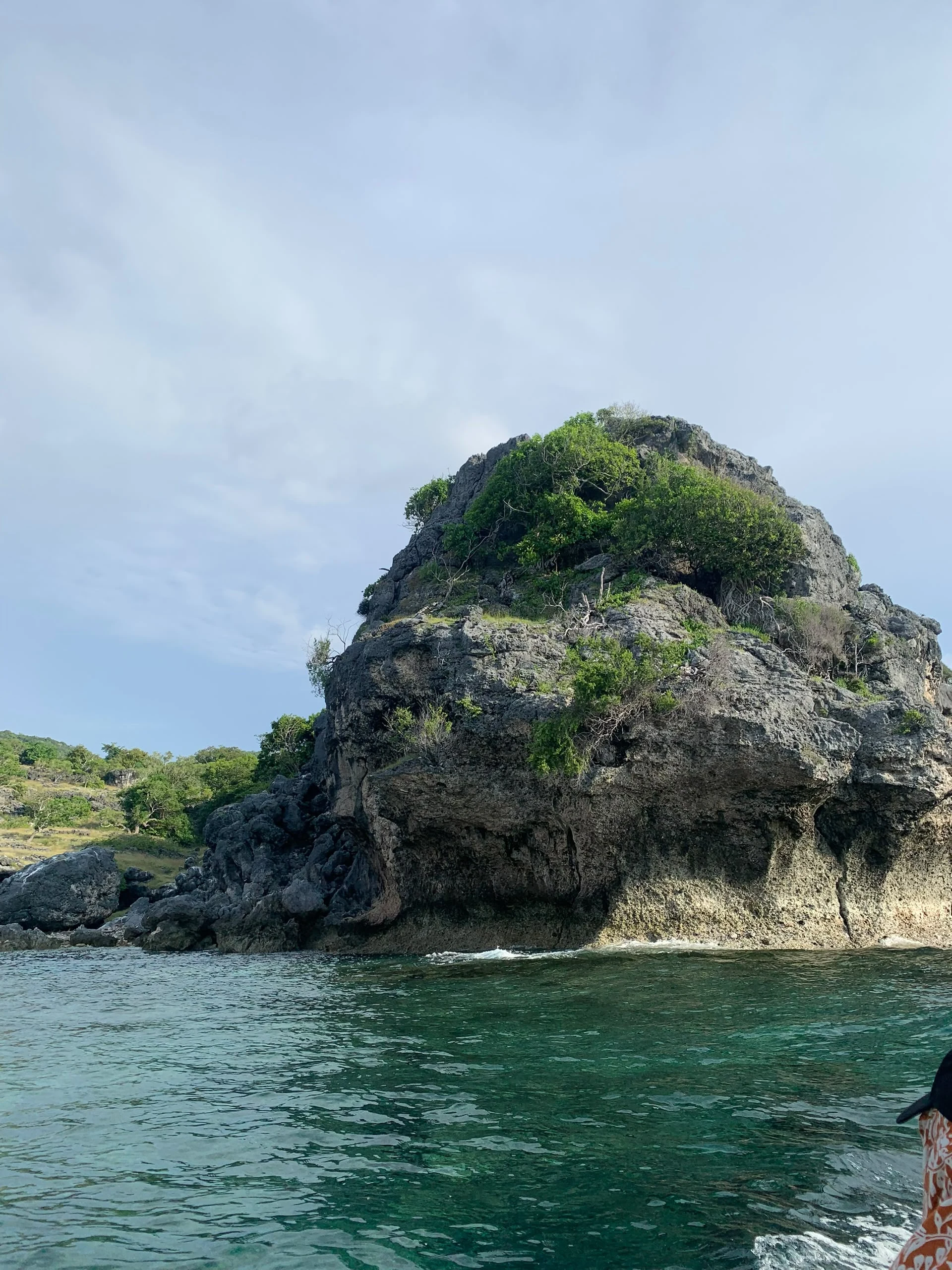
Atauro does not work particularly well as a trip built around a single activity. The crossing from Dili, possible ferry changes and the island’s rugged interior make it worth staying at least three nights. The useful decision is not to search for the “best” beach, but to choose a base that matches the time available, the level of independence you want and the way you wish to engage with reefs that are also managed by the island’s communities.
Before setting out: confirm the boat, departure port, sea conditions and accommodation availability. These details change and genuinely determine how the trip unfolds.
Beloi for a straightforward first stay
Beloi is the most sensible choice when your main aim is snorkelling, diving or spending just a few days on the island. It is where many maritime services arrive and it brings together accommodation, small-scale services and a jetty beside an accessible reef.
That proximity does not make the sea an activity requiring no preparation. Ask your accommodation or a local operator about the right entry point, currents and conditions that day; for more distant areas, taking a boat with people from the island provides context and avoids improvisation. Bring your own reusable bottle, avoid standing on coral and favour a rash vest or UV shirt rather than applying sunscreen immediately before entering the water.
Beloi also makes it possible to visit without a private vehicle: the coastal route towards Vila-Maumeta can be covered on foot or by tuk-tuk. It is the right base for travellers who prefer to simplify transfers and spend time along the same stretch of coast instead of trying to cover all of Atauro.
Vila-Maumeta and the west coast: changing base changes the trip
Vila-Maumeta adds everyday life and a more land-based perspective on Atauro. Allow plenty of time for the visit rather than treating the town as a quick stop between dives: here, the pace of shopping, meals and travel reflects an island where fishing and farming remain essential activities.
The west coast, including Adara, is particularly appealing to experienced divers looking for organised trips to deeper walls and reefs. The trade-off is clear: less immediate logistical convenience and greater reliance on a boat, guide or transport arranged in advance. Inland tracks and several coastal access points are steep and rough; do not assume that a motorbike or ordinary car will solve every transfer.
For a three- to five-day stay, a sensible combination is to sleep in Beloi first, then book a marine activity or transfer with a local provider, and leave a full day of margin before returning to Dili. That buffer protects the itinerary against rough seas, transport adjustments or simply the time needed to move around at an unhurried pace.
Manukoko is not a last-minute viewpoint
Manukoko peak dominates the island and is sacred to Atauro’s communities. The ascent offers a genuine alternative to the coast, but it involves exertion on mountainous terrain and should be planned with a local guide. Ask in advance about the route, the amount of water needed, the duration, footwear and whether conditions make the hike possible.
The walk does not have to replace a day at sea: it works better as another way to understand the island. From above, you can see why its coastal plains are narrow and why villages, tracks and water resources shape movement around Atauro. Follow guidance concerning places of community significance and do not turn the summit into a place for noise, drones or collecting natural objects.
Snorkelling on a community-managed reef
Atauro’s underwater richness is connected to a network of locally managed marine areas and tara bandu practices, community rules that regulate the use and protection of resources. Do not present this reality as scenery for a dive: it is the reason to listen to local rules, pay any applicable fees and use services that work with the communities.
Atauro’s national park status was still in the process of being established in 2026; it is therefore better not to assume a single set of regulations or take zones, permits or fees for granted. Check which area you are visiting, what activity is permitted and whether the community requests a contribution. The best souvenir from a reef is to leave it untouched: do not touch or feed wildlife, remove shells or coral, or bring unnecessary waste to the island.
References to check before setting out
- Timor-Leste official tourism portal, “Ferries to Atauro & Oecusse”: confirm the operator, departure port in Dili, frequency, ticket sales and notices about sea conditions or maintenance.
- Timor-Leste official tourism portal, “Atauro Island Sustainable Management Plan”: background on sustainable management, community reliance on resources and the island’s environmental challenges.
- Government of Timor-Leste, information on the August 2026 OceanX symposium: status of the process to establish Atauro National Park and marine planning.
- Atauro Tourism, “Boat Ride & Snorkeling at the Beloi Reef” and “Why Atauro Island”: local information on activities, Beloi Reef, guides and mobility options on the island.
References consulted during editorial review. Times, requirements and advisories may change: always confirm with the official source.
- https://www.conservation.org/places/timor-lestewww.conservation.org
- https://snap.mappf.gov.tl/mainsnap.mappf.gov.tl
- https://timor-leste.conservation.org/our-work/creating-a-protected-area-networktimor-leste.conservation.org
- https://timor-leste.gov.tl/?lang=en&p=32989&print=1timor-leste.gov.tl
- https://timor-leste.gov.tl/?cat=39&lang=entimor-leste.gov.tl
- https://ambiente.gov.tl/tlambiente.gov.tl
- https://timor-leste.conservation.org/projects/northern-marine-conservation-blue-economytimor-leste.conservation.org
- https://timor-leste.gov.tl/?lang=en&p=51041&print=1timor-leste.gov.tl
- Timor OrientalWikidata · CC0 1.0 · Wikidata · Q574
- Timor-LesteWorld Countries — mledoze · ODbL 1.0 · World countries dataset by mledoze and contributors · ODbL 1.0
- Timor-LesteWorld Bank Open Data · CC BY 4.0 · World Bank
- Timor-orientalDBpedia · CC BY-SA 3.0 · DBpedia
- Timor orientalDBpedia · CC BY-SA 3.0 · DBpedia
- Henry Kissinger en las guerras del Sáhara Occidental y Timor OrientalCrossref · Metadatos públicos; derechos específicos por campo cuando correspondan · Crossref