Piauí, Brazil
Serra da Capivara in three days with guides and two museums
Choose your base carefully, follow guided routes and visit two museums to approach the rock art and caatinga without reducing the park to a single stop.
Conditions described in the guide: confirm current requirements and access with the official source before travelling.
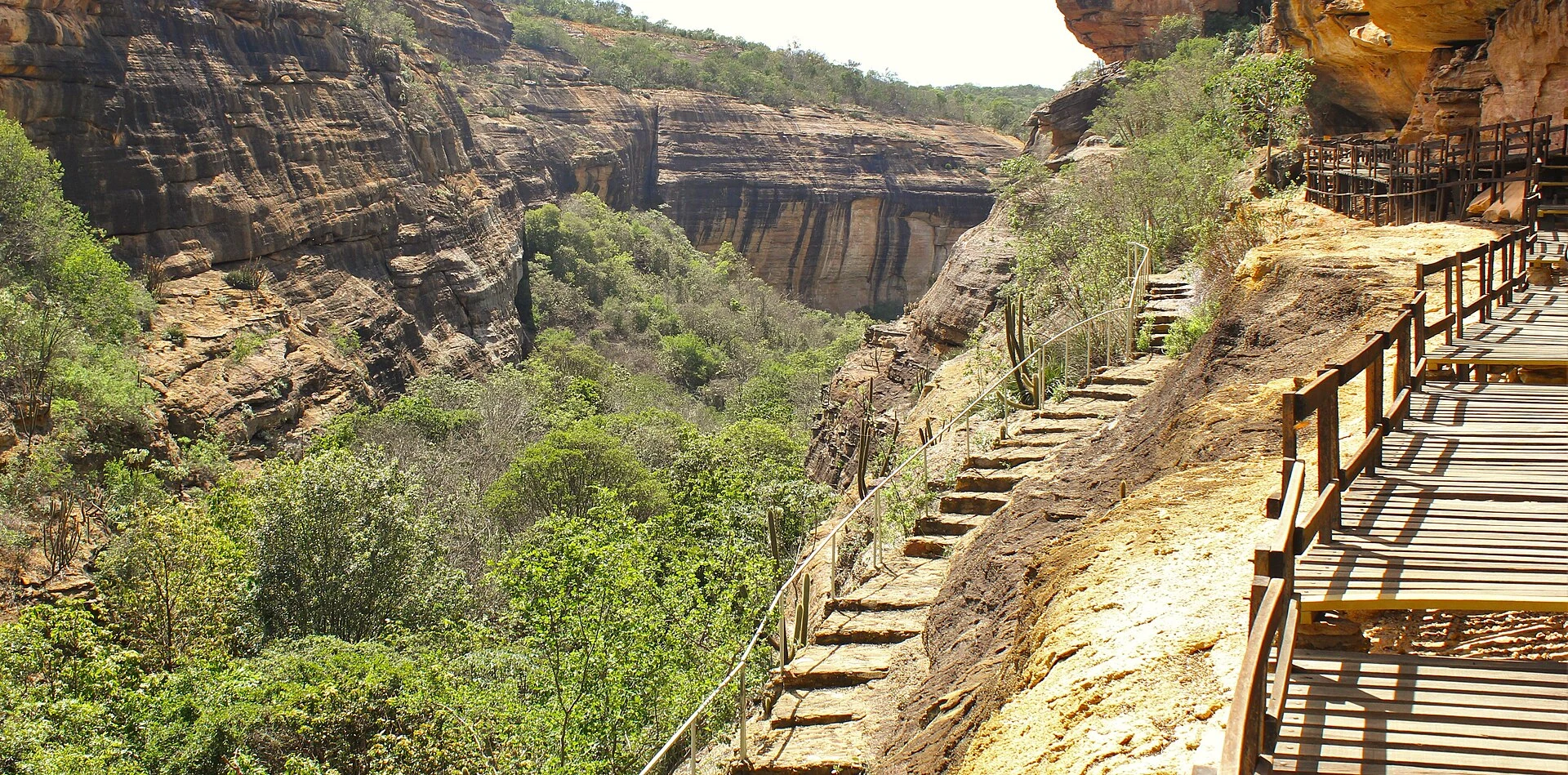
Serra da Capivara National Park requires time, organized transport and a willingness to look slowly. Its rock-art shelters are not an isolated backdrop: they form part of a territory shaped by caatinga, archaeological research and everyday conservation. For a first visit, three days allow you to combine two days in the park with the museums in São Raimundo Nonato and Coronel José Dias, without pretending to cover every open circuit.
Choose your base before your itinerary
The first decision is where to stay. São Raimundo Nonato is home to the park administration and lies about 26 km from the Boqueirão da Pedra Furada entrance; the Serra da Vermelha entrance is about 19 km away. Coronel José Dias is closer to the main entrances and the Museu da Natureza, reducing travel time on park days.
The trade-off is clear: intercity transport can take you to São Raimundo Nonato, but there is no regular public transport from São Raimundo Nonato or Coronel José Dias to the park entrances. Arrange your transport in advance with an accredited driver or your accommodation, and do not plan the visit as an improvised walk from town. If you are arriving from far away, remember that local air connections and available routes are subject to change: check them before buying flights or booking non-refundable nights.
Two days in the park, not a race to see every panel
Visits are organized with accredited local drivers, whose services are compulsory, and must be scheduled in advance. The park states that 204 archaeological sites are open to visitors and that completing the available circuits can take six days. That scale helps set expectations: on a short trip, do not chase a list of famous paintings. Instead, choose routes that fit the group’s time, interests and physical condition.
Spend the first day on a circuit that includes Boqueirão da Pedra Furada, significant for the excavations that brought international attention to research in the region. Reserve the second day for contrasting shelters, sandstone cliff landscapes and caatinga viewpoints. Ask your guide to explain what can be observed directly, what comes from excavations and which hypotheses remain under discussion: the quality of the visit depends as much on that conversation as on the photographs.
Bring drinking water, sun protection, closed shoes and a light meal if the itinerary requires it. Stay on trails and walkways, do not touch the paintings and do not collect natural elements. These are simple gestures, but they help prevent additional wear on particularly vulnerable archaeological surfaces.
The two museums change how you read the landscape
The Museu do Homem Americano, in São Raimundo Nonato, brings together materials from regional archaeological research: stone artefacts, pottery, skeletons and resources about the paintings. It is the most useful stop before or after entering the park if you want to relate the panels to excavation and dating methods, rather than interpreting them only by their appearance.
The Museu da Natureza, located around Coronel José Dias, offers a multisensory experience about climate change, fauna, flora and the formation of the landscape. Visiting both is not redundant: the first focuses on evidence of human occupation; the second places those occupations within long-term environmental transformations. Together, they show that the painted scenes and the canyons do not belong to separate narratives.
What it means to look at rock art precisely
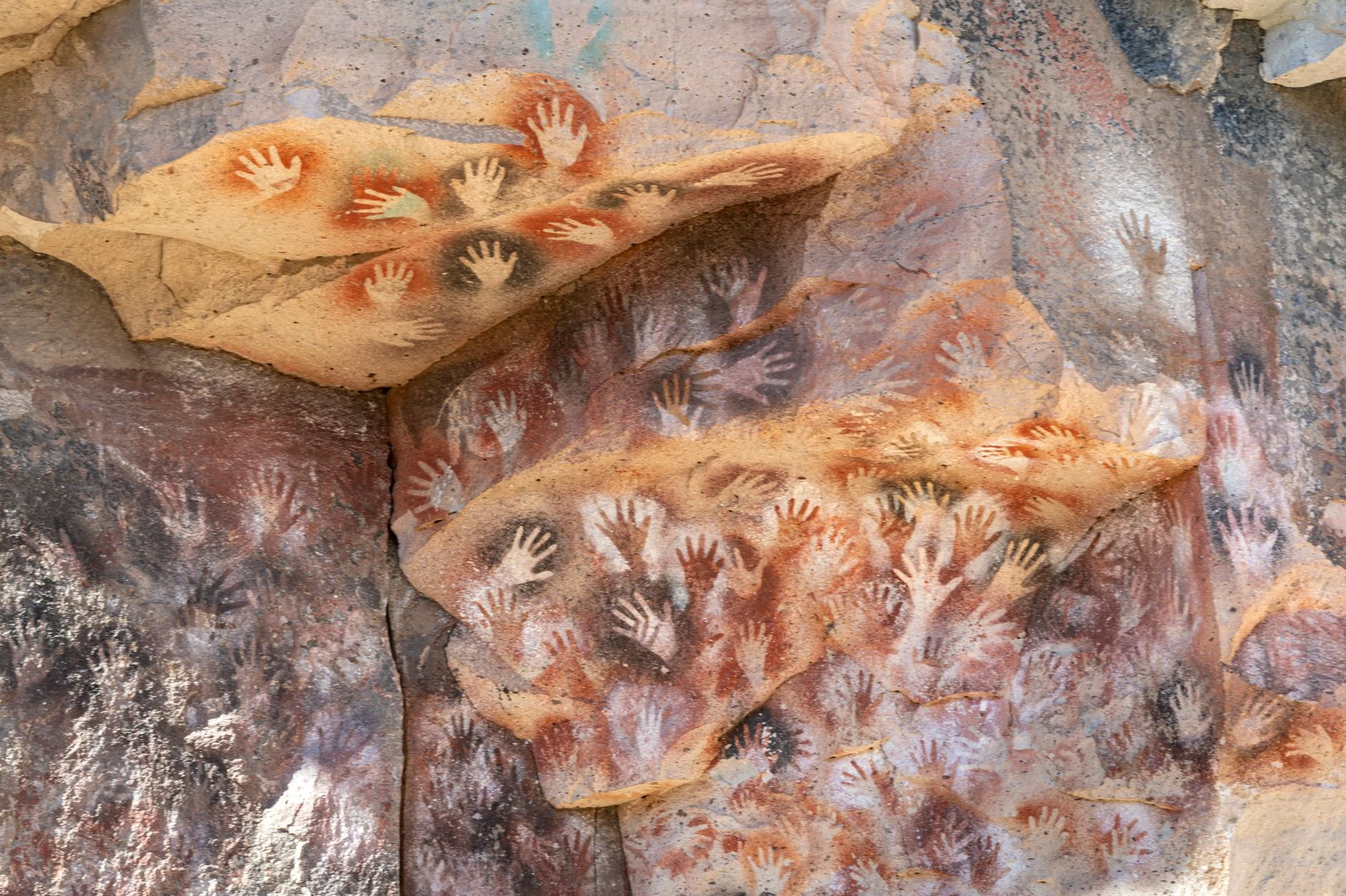
The paintings show human figures, animals and compositions that may suggest movement, social relationships, activities and rituals. But suggesting is not the same as translating: avoid assigning a fixed meaning to every motif or turning it into a postcard of a uniform past. Archaeological interpretation depends on context, stratigraphy, comparisons and new research.
Serra da Capivara has worldwide recognition for its collection of archaeological sites and rock art. Some dates and debates about the antiquity of human presence in the Americas have given the area exceptional scientific importance; precisely for that reason, it is worth listening to nuanced explanations and distinguishing between the age of a painting, that of an excavated deposit and that of a hypothesis about the peopling of the Americas. This attention turns the visit into an experience of heritage still under investigation, rather than a hasty confirmation of old headlines.
References and checks before you leave
To plan routes, compulsory driving arrangements, access, land transport and visiting rules, consult the visitor information from the Chico Mendes Institute for Biodiversity Conservation. Before travelling, check the current reservation procedure, the contacts for accredited drivers, entry conditions and any operational changes.
To adjust the duration to your profile and learn about the museums’ visiting options, consult the visitor information from the American Man Museum Foundation.
For heritage and archaeological context, review the UNESCO World Heritage Centre information on Serra da Capivara National Park.
Flights to São Raimundo Nonato are particularly subject to change. Confirm operations with the airline and cross-check them with official airport information before basing your trip on that connection.
References consulted during editorial review. Times, requirements and advisories may change: always confirm with the official source.
- https://whc.unesco.org/en/list/606whc.unesco.org
- https://whc.unesco.org/document/153867whc.unesco.org
- https://whc.unesco.org/en/tentativelists/6609whc.unesco.org
- https://whc.unesco.org/document/143642/whc.unesco.org
- https://whc.unesco.org/document/1442whc.unesco.org
- https://www.gov.br/pt-br/servicos/visitar-unidades-de-conservacao-federaiswww.gov.br
- https://whc.unesco.org/document/153869whc.unesco.org
- https://whc.unesco.org/en/statesparties/brwhc.unesco.org
- BrasilWikidata · CC0 1.0 · Wikidata · Q155
- BrasilWikidata · CC0 1.0 · Wikidata · Q36962840
- BrasilWikidata · CC0 1.0 · Wikidata · Q3643794
- BrazilWorld Countries — mledoze · ODbL 1.0 · World countries dataset by mledoze and contributors · ODbL 1.0
- BrazilWorld Bank Open Data · CC BY 4.0 · World Bank
- BrazilDBpedia · CC BY-SA 3.0 · DBpedia
- Historia mínima de BrasilCrossref · Metadatos públicos; derechos específicos por campo cuando correspondan · Crossref
- ANÁLISE MULTICRITÉRIO DAS AMEAÇAS DO TURISMO DE AVENTURA DE SANTA CATARINA - BRASILCrossref · Metadatos públicos; derechos específicos por campo cuando correspondan · Crossref