Orheiul Vechi trails, villages and ancient cities in Moldova
Orheiul Vechi is best understood as a broad landscape of ruins, rock-hewn hermitages, villages and riverside paths. Here is how to choose between a day trip from Chișinău and an overnight stay in Butuceni or Trebujeni.
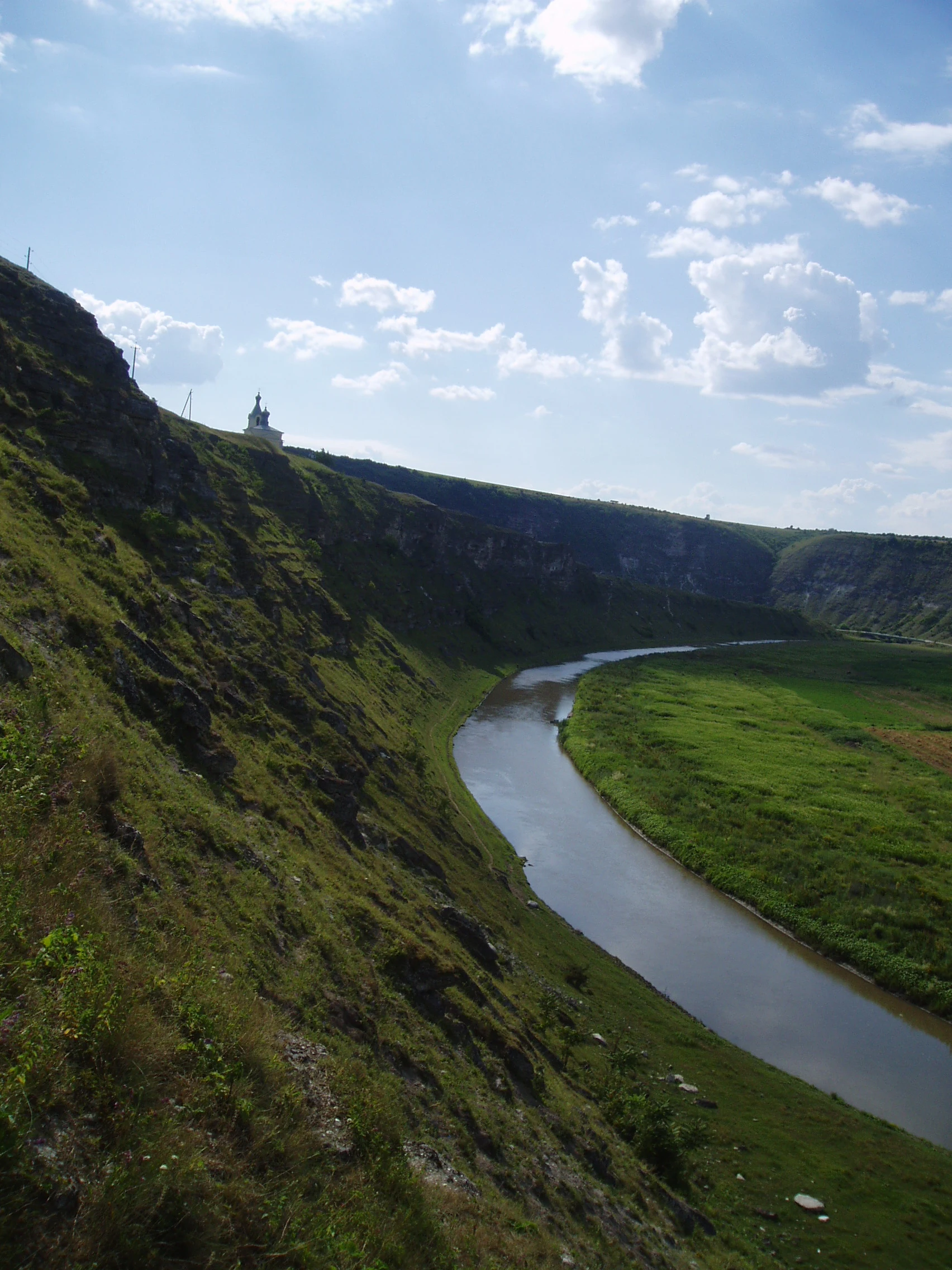
About 55 kilometres from Chișinău, Orheiul Vechi is not a quick-stop archaeological site. The valley carved by the Răut River brings together ancient fortifications, the remains of a Mongol-period city and another medieval Moldavian one, rock-hewn monasteries, and the villages of Butuceni and Trebujeni. The practical question is not which monument to tick off first, but how much landscape you want to cover and how much time you have.
Visual context for MoldovaContext video selected for this guide; it does not by itself identify every place mentioned.Video by Marian Croitoru · Pexels · Pexels License · Duration: 00:16
♫
Listen to Moldova
A documented soundscape that complements this guide to Moldova. Orheiul Vechi is best understood as a broad landscape of ruins, rock-hewn hermitages, villages and riverside paths. Here is how to choose between a day trip from Chișinău and an overnight stay in Butuceni or Trebujeni.
Cultural or ambient audio selected as context; it does not necessarily represent every place mentioned. Audio by Romanian Radio Broadcasting Company · Europeana · CC BY-SA 4.0 · Duration: 02:1401
An archaeological landscape, not a single ruin
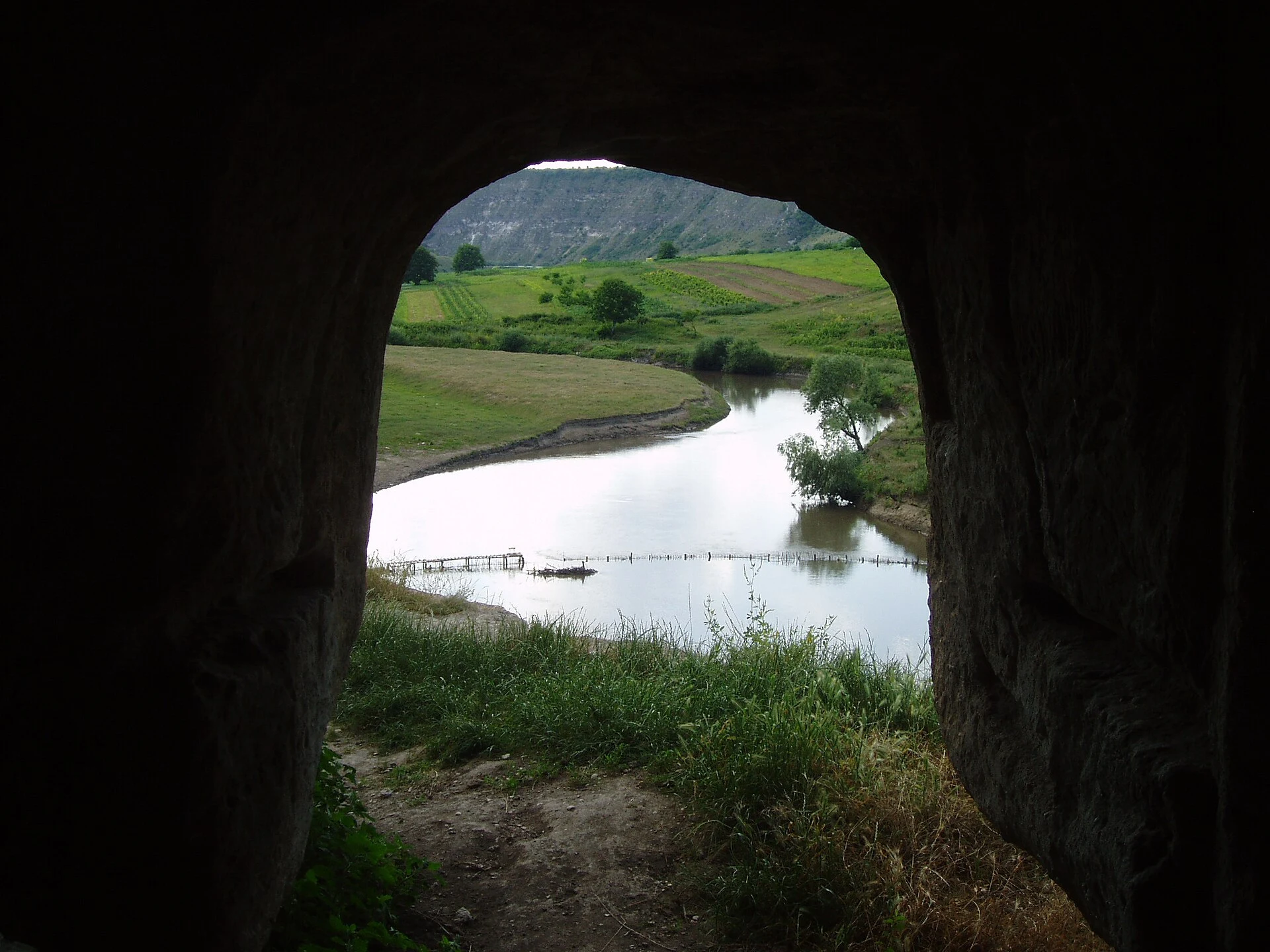
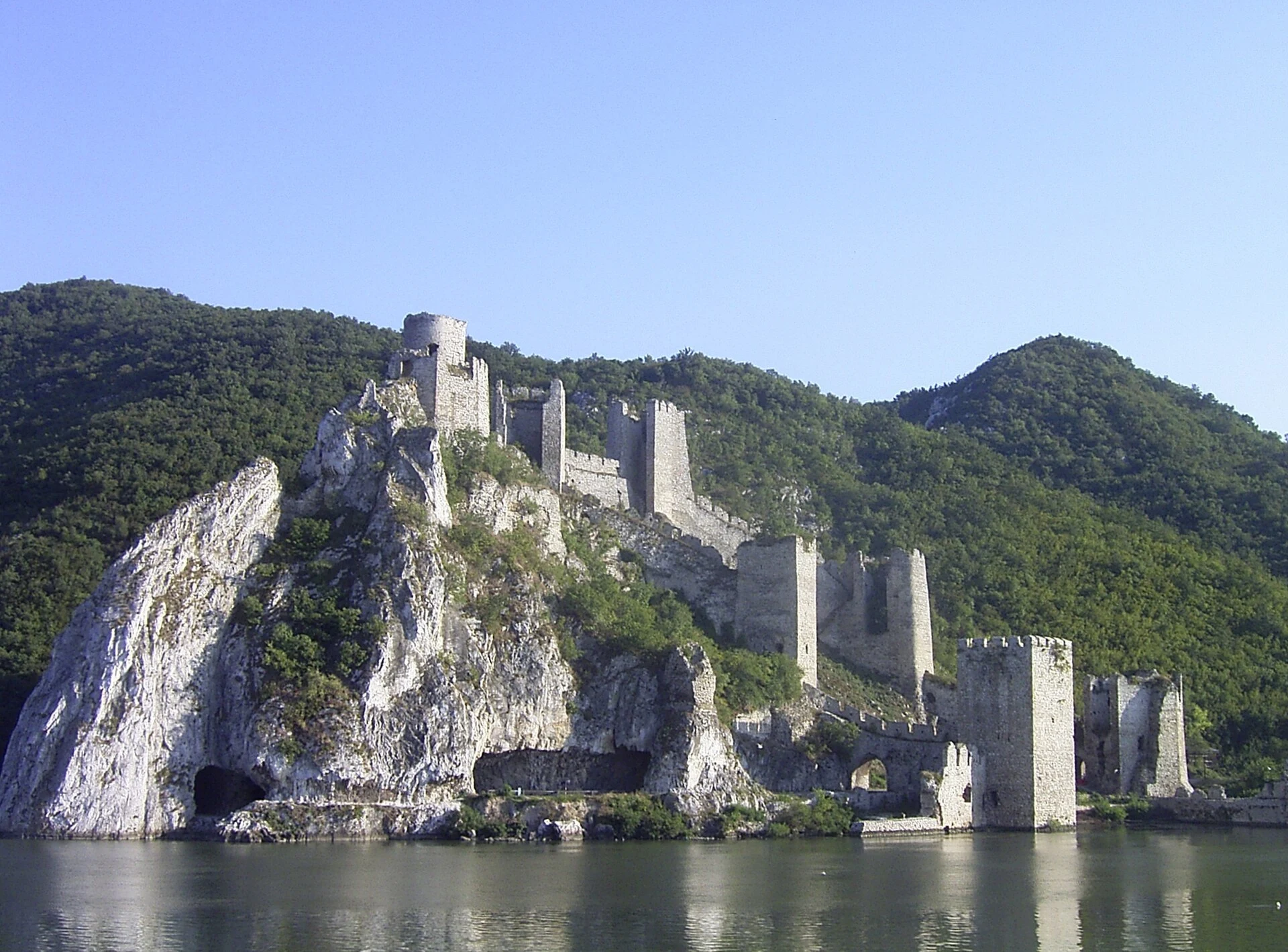
Scale is the key. The Răut’s meanders, limestone promontories and settlements explain why different powers chose this place over the centuries: there were prehistoric occupations, Getic fortifications, the city of Şehr al-Cedid and medieval Orhei. The visitor centre helps make sense of these layers through archaeological and ethnographic objects; it is worth starting there or at the information point before setting out on foot.
Do not misunderstand its heritage status: Orheiul Vechi appears on Moldova’s Tentative List for World Heritage, but it is not inscribed as a World Heritage site. That distinction matters when reading the place for what it offers—a protected, inhabited cultural landscape—rather than as a collection of monumentalised ruins.
A day trip works well if your priority is the Butuceni core: viewpoints, a church and rock-hewn monastery, the visitor centre and a signposted walk. The “Pe urmele trecutului” circuit covers 7.5 kilometres and is described as easy, with around three hours of walking. Allow extra time to find your bearings, eat and make the return journey: it is best not to turn the day into a race against the last transport.
Stay overnight in Butuceni or Trebujeni if you want to add a longer hike, see the valley at the beginning or end of the day, or take part in a home-cooking workshop that your accommodation can confirm. An overnight stay is not necessary to see the essentials, but it eases the logistical pressure and makes the villages part of the visit rather than simply the parking area for the ruins.
There are rock-hewn hermitages beyond the most immediate route. Access to the Pârcălabului Albu-Machcăuți hermitage is limited because of natural deterioration, so do not treat it as a guaranteed stop on the day.
Getting there without a car means checking the return first
The reserve publishes public-transport connections from Chișinău’s central bus station, as well as links from the city of Orhei, to Butuceni and Trebujeni. A car-free visit is therefore feasible, especially if you plan to focus on the core area and walk, but it depends on infrequent services. Check the return departure before starting any route and leave a generous buffer.
With a car, the advantage is not being able to drive to every attraction: within the protected areas, motorised access is restricted to authorised, signposted itineraries, and parking must be in designated areas. Whichever way you travel, downloading the official map and starting at an information point will help you avoid improvising on rural paths.
04
Choose the walk according to the terrain, not the photograph
For a first visit, the core circuit combines a manageable distance with the main points of interest. Those looking for something shorter can choose the Trebujeni Landscape Reserve route, 3.4 kilometres long and rated easy. By contrast, the section towards the Bosie hermitage is classified as difficult despite being 3 kilometres long, while the Butuceni–Piatra route extends for more than 22 kilometres and is rated moderate. Distance and elevation gain do not tell the same story.
Bring water, sun protection and shoes with good grip, and do not treat caves, slopes or rocky edges as photographic shortcuts. Stay on marked trails, do not light fires, leave no waste, and do not touch or carve the structures or cave walls. The site’s value lies precisely in the fragile coexistence of archaeology, habitats and village life.
05
Official checks and references before setting out
Check with the Orheiul Vechi Cultural-Natural Reserve for the opening hours of information points, ticket purchases, guide availability, and the condition of trails or areas with restricted access. Confirm current public-transport times and the last return to Chișinău or Orhei with the same organisation: these details are subject to change.
To prepare your routes and understand the activities available, consult Moldova Travel. For the site’s heritage status and the historical description of the landscape, consult the UNESCO World Heritage Centre.
Sources and checks
References consulted during editorial review. Times, requirements and advisories may change: always confirm with the official source.