Tonga · living heritage on the main island
Heketā and Lapaha, a route through Tonga’s ancient capitals
Ha’amonga ‘a Maui and the langi of Lapaha are not two isolated monuments or a Tongan version of an archaeological park. This short route through eastern Tongatapu helps you decide when seeing the trilithon is enough, why it is worth continuing to Muʻa, and how to visit a landscape of authority, genealogy and memory that still has meaning locally.
If you have one day on Tongatapu, set aside the eastern part of the island for a two-part reading: Heketā, near Niutōua, and Lapaha, in Muʻa. Together, these sites make up Tonga’s UNESCO tentative-list nomination titled The Ancient Capitals of the Kingdom of Tonga; being on the Tentative List does not mean being an inscribed World Heritage Site. The distinction matters: you are not arriving at a closed museum compound, but at places connected to political and funerary traditions that remain alive.
The key decision: do not choose between Ha’amonga and Lapaha; visit them in that order
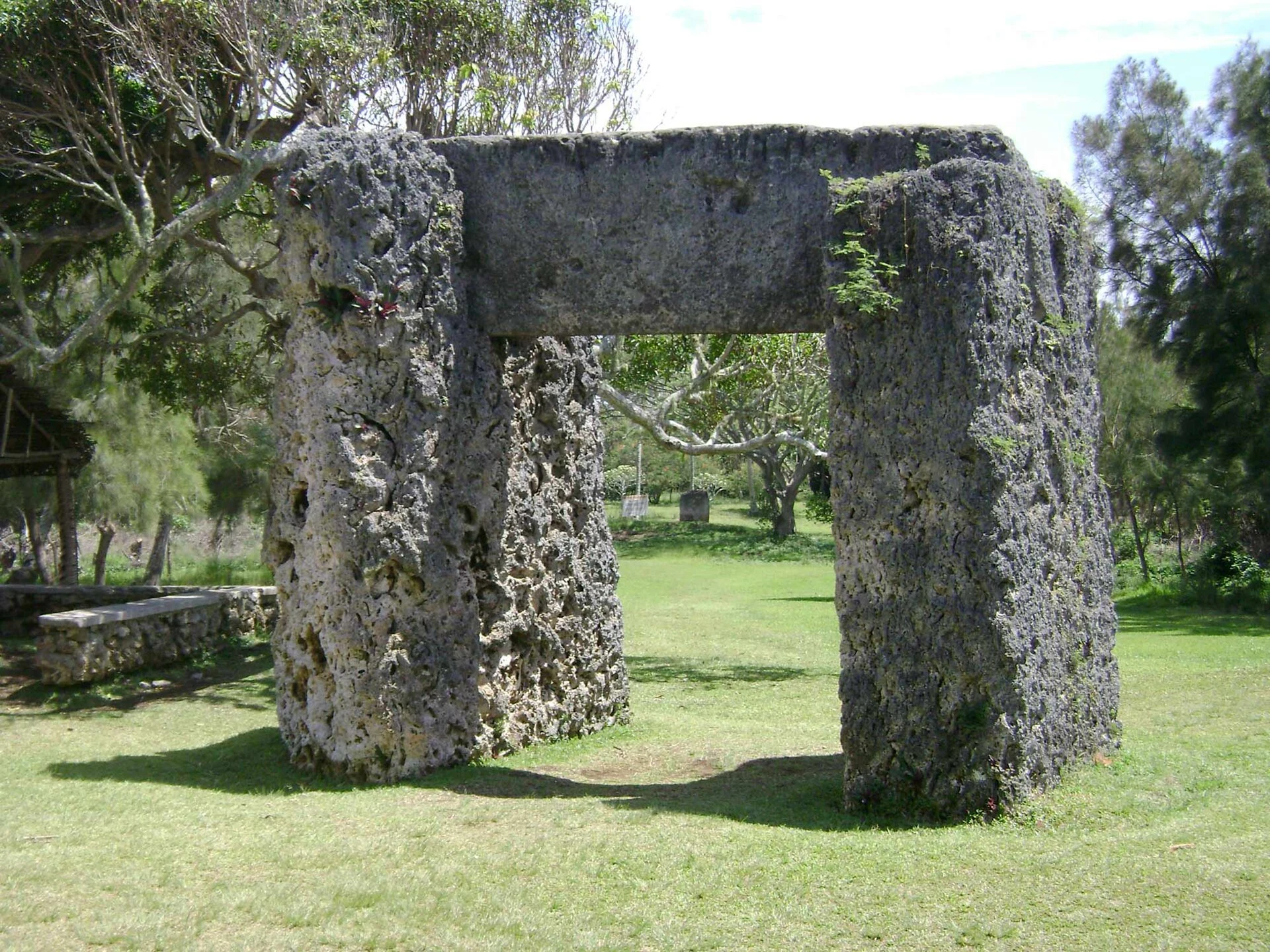
Ha’amonga ‘a Maui, the great limestone-coral trilithon at Heketā, is the most recognisable image of Tonga’s past. But seeing it alone encourages an incomplete reading: UNESCO’s own entry links Heketā Historical Park with the ancient royal tombs of Lapaha as two parts of the ancient capitals. According to the historical tradition recorded in the nomination, the centre of power moved from Heketā to Lapaha, in Muʻa, around the 13th century.
Start at Heketā if you want to understand a transition: the trilithon is associated with Tuʻi Tonga Tuʻitātui, and there are different interpretations of its function—as the entrance to a royal compound, a symbol of brotherhood, and something connected with solar observations. Do not present any of these as definitive archaeological fact: the dossier acknowledges that the origin of the astronomical interpretation is not fully clear.
Then go to Lapaha to change scale. The langi are not “Tongan pyramids”: they are stepped funerary platforms supported by stone slabs, associated with the Tuʻi Tonga and with burial and care practices preserved by local families. This is the part that turns a photograph of monumental engineering into a story of lineage, power and community responsibility.
What to look at at each stop—and what not to force
At Ha’amonga, take time to look across the whole setting rather than simply posing beneath the arch. UNESCO’s nomination also places the Maka Faʻakinanga stone slab nearby and explains that the park occupies the site of Heketā, an ancient royal residence. This gives you reason to consider orientation, the relationship between the stones and the landscape, without turning oral accounts into scientific proof or inventing a “perfect alignment” for social media.
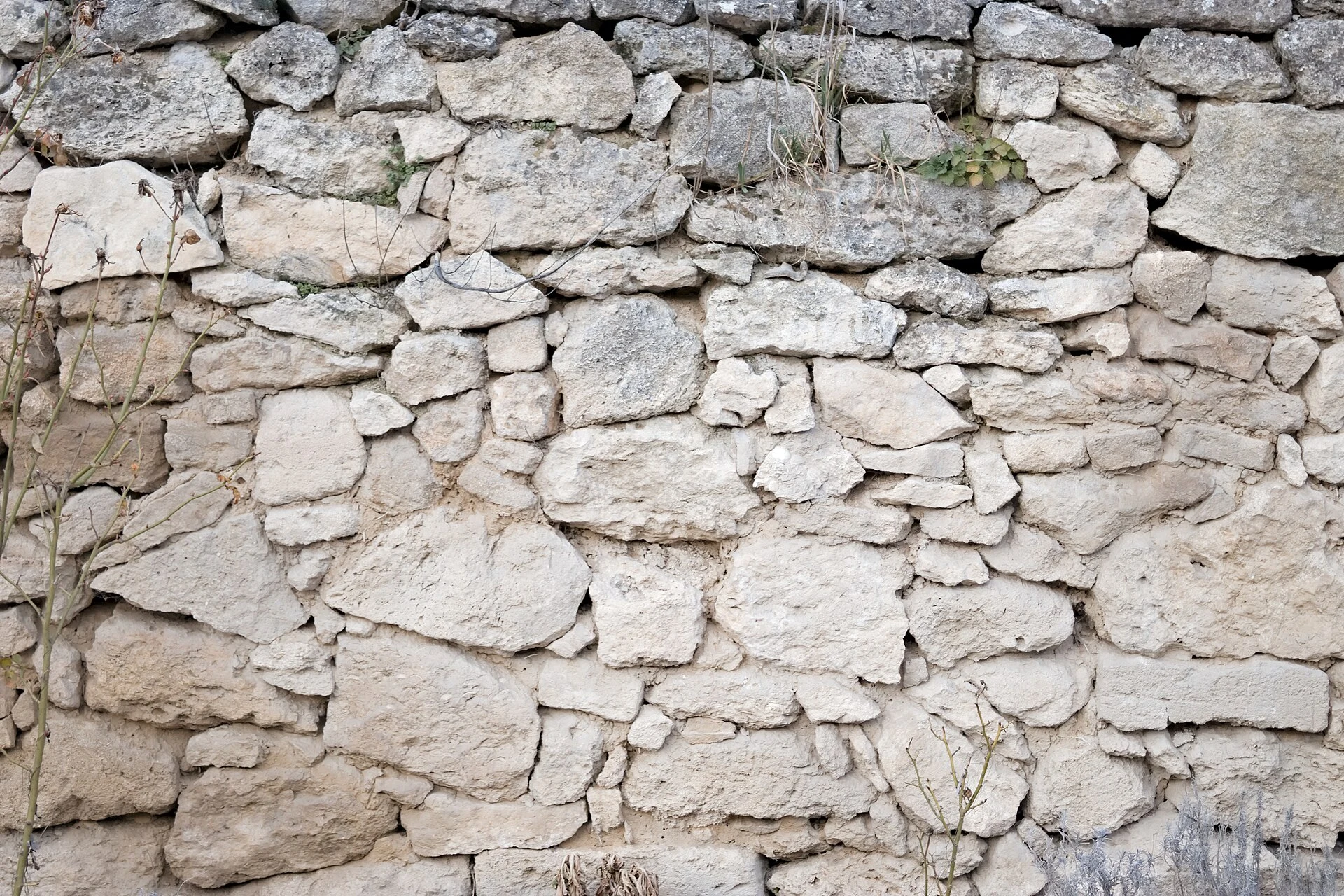
At Lapaha, slow down. The mounds may seem modest beside the trilithon, but their distribution through the village and beside the lagoon makes it necessary to abandon the idea of an isolated attraction. Do not climb on the structures, cross through residential areas or plots as though they were public access routes, and ask permission before photographing people, ceremonies or maintenance work. The best visit is observant: notice the masonry, keep your distance and accept that the site’s value does not depend on how spectacular it looks on camera.
If your time is very limited, choose Heketā only if you are looking for a visual introduction and have direct transport. Choose the Heketā–Lapaha pairing if you can give it an unhurried half-day: it is the option that explains why the trilithon exists within a larger political geography. Leave the caves, blowholes and western beaches for another day; trying to combine everything in a quick island circuit usually turns heritage into a sequence of stops.
Realistic logistics: transport, Sunday and access
Tonga’s tourism authority says that Tongatapu has rental cars, taxis and local buses; for a Heketā–Lapaha sequence, a car with a driver or a taxi arranged for several stops will usually give you more control over your time than relying on occasional connections. If you drive, check the current visitor-permit requirements, insurance and vehicle conditions before setting out: traffic drives on the left.
Plan to finish in daylight. Australian consular information warns of poor lighting, uneven road quality in some places, pedestrians and loose animals, especially at night; this is a practical reason not to extend the route until dark. Also check weather and emergency alerts before heading to coastal areas.
Do not plan this excursion as though Sunday were a normal tourist day. In Tonga, Sunday is devoted to rest and worship, and many shops and services close or operate on reduced schedules. Dress discreetly in villages and places of worship: the national tourism guide recommends covering shoulders and knees and not wearing a hat inside a church. Confirm that same day with your accommodation, driver or the tourism authority the exact access arrangements, opening times, possible donations, toilets and any closures: these operational details can change.
A responsible way to end the day
Return to Nukuʻalofa without looking for a packaged “traditional experience” as a compulsory finale. If you want to go deeper, ask your host or guide about vocabulary, genealogies or local protocols relevant to the site, and pay for their accompaniment when it is an agreed service. Buy food, crafts or transport from local businesses because you genuinely need them, not as a substitute for listening.
The outcome of this route should not be the claim that you have decoded Tonga in an afternoon. It should be more modest and more useful: understanding that Heketā and Lapaha are read together, that Tongatapu’s pre-European past has its own agency, and that a living funerary site requires different behaviour from an uninhabited monument.
Before you leave: a five-minute check
Check with official sources or your local provider: 1) whether the sites are accessible that day; 2) who can take you and collect you; 3) the current requirements for driving; 4) the forecast, earthquake or tsunami warnings and road conditions; and 5) which activities and services operate on Sunday. Do not base these decisions on old blog timetables or maps that mark any green terrain as public access.
References consulted during editorial review. Times, requirements and advisories may change: always confirm with the official source.
- https://www.tongatourism.travel/see-and-do/culturewww.tongatourism.travel
- https://www.tongaholiday.com/page_id-1123/www.tongaholiday.com
- https://www.tongatourism.travel/see-and-do/haamonga-a-mauiwww.tongatourism.travel
- https://www.tongatourism.travel/discover/heritage-siteswww.tongatourism.travel
- https://www.tongatourism.travel/our-islands/tongatapuwww.tongatourism.travel
- https://www.tongatourism.travel/see-and-do/all-things-to-see-and-dowww.tongatourism.travel
- https://www.doc.govt.nz/documents/about-doc/role/international/taonga-pasifika.pdfwww.doc.govt.nz
- https://tongaembassycn.gov.to/en/going-to-tonga-en/tourism-entongaembassycn.gov.to
- TongaWikidata · CC0 1.0 · Wikidata · Q678
- TongaWikidata · CC0 1.0 · Wikidata · Q10699844
- TongaWikidata · CC0 1.0 · Wikidata · Q24829349
- TongaWorld Countries — mledoze · ODbL 1.0 · World countries dataset by mledoze and contributors · ODbL 1.0
- TongaWorld Bank Open Data · CC BY 4.0 · World Bank
- TongaDBpedia · CC BY-SA 3.0 · DBpedia