Honduras · Archaeological heritage
Copán Ruinas: Plazas, Sculpture and Maya Homes
A visit to Copán makes more sense when it is spread across the Main Complex, the Sculpture Museum and Las Sepulturas, rather than focused solely on the Hieroglyphic Stairway.
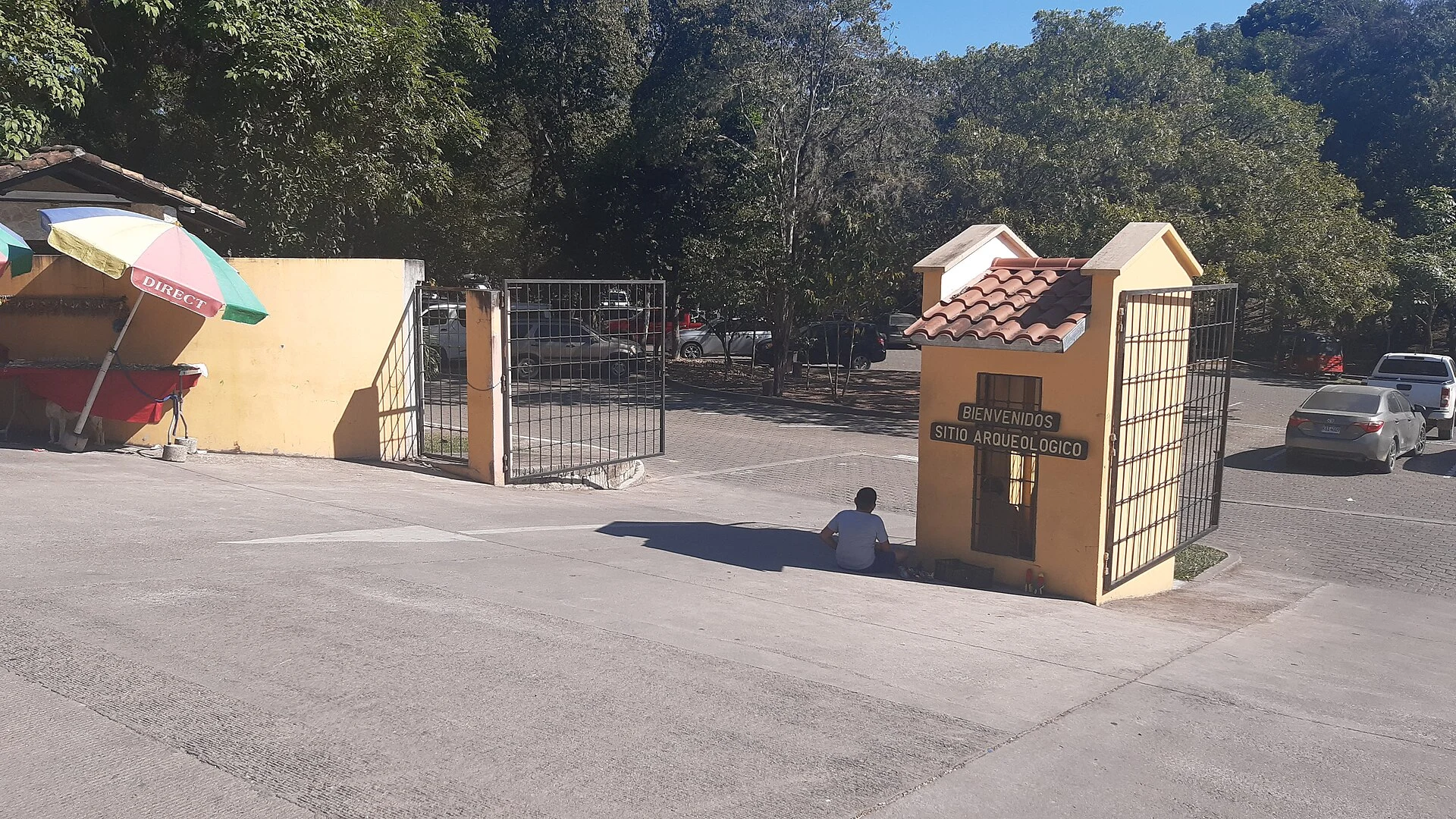
Copán is not a single ruin, nor can it be properly understood through one photograph of the Hieroglyphic Stairway. The park brings together ceremonial plazas, an acropolis built in successive layers, carved monuments and residential areas. The most useful decision before arriving is a simple one: reserve your attention for three different scales—public space, preserved sculpture and domestic life—and adapt the visit to your actual energy and available time, without turning every complex into a compulsory stop.
Start with the plaza, not the monument checklist
The Main Complex is the place to understand Copán’s public dimension. The Acropolis, plazas, ball court, stelae and altars are not isolated pieces: together they form a landscape of power, ritual and dynastic memory. The Hieroglyphic Stairway deserves a long stop, but not as something to consume at a glance. First observe its position within the architecture, then read it as a historical inscription.
A practical strategy is to explore this area unhurriedly, taking breaks in the shade and resisting the urge to identify every structure. Visitors with only a few hours should prioritise this section and the museum. That way, they avoid sacrificing context for a rushed succession of structure names and numbers.
The museum preserves what the outdoors cannot
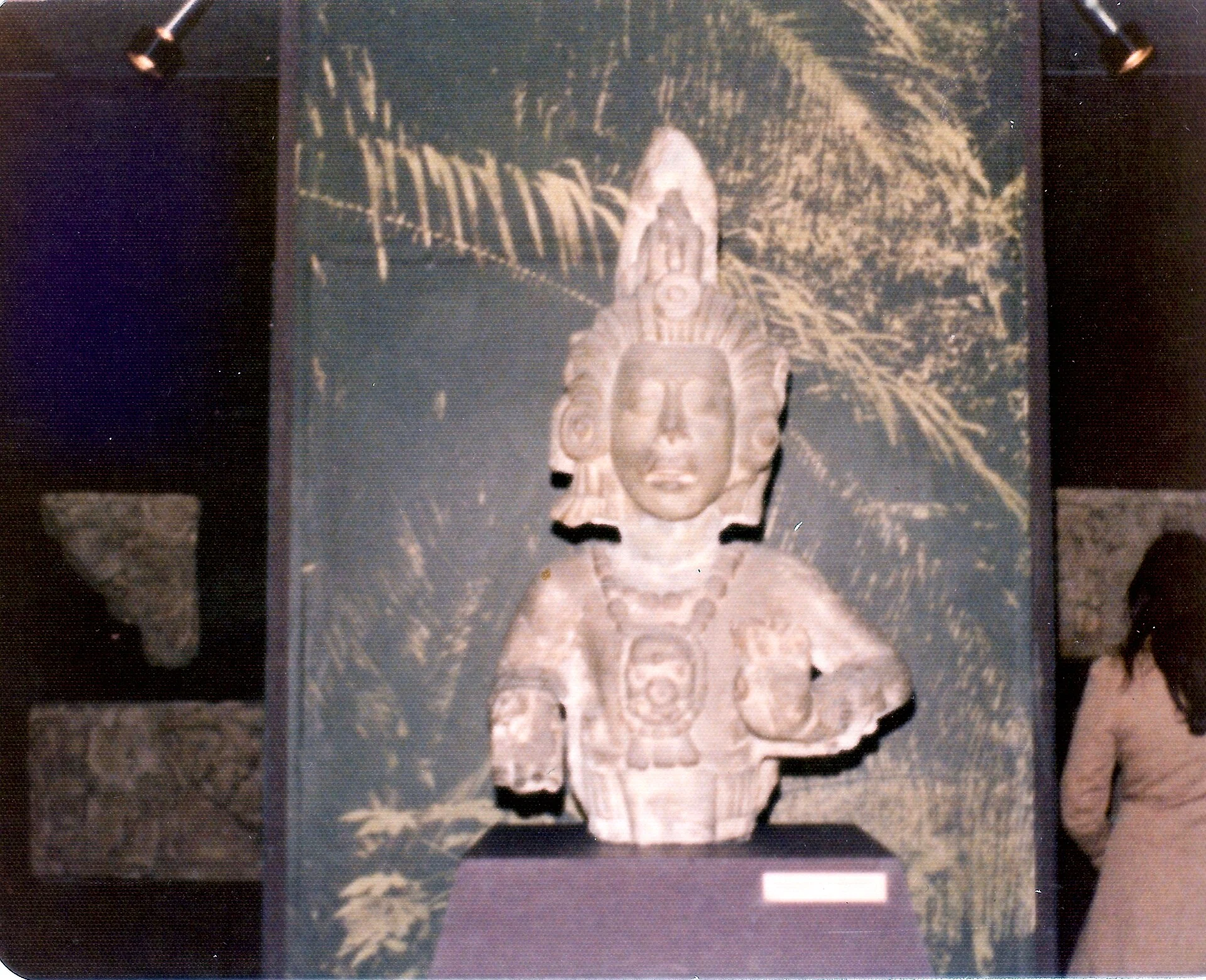
The Sculpture Museum is not an optional extra for a rainy day: it is the second half of the visit. Several original sculptures were moved there for preservation and replaced in the park with replicas. Seeing both spaces makes it possible to distinguish the architectural scale of the exterior from the material precision of reliefs, altars and sculptural elements.
The life-size, colour reconstruction of Rosalila offers another key: many Maya buildings were not conceived as grey masses of stone. Take time to compare what the museum protects with what remains outdoors. This contrast makes conservation part of the way the site is understood, rather than a limitation on the visitor’s experience.
Las Sepulturas completes the city through everyday life
Las Sepulturas shifts the focus from monumental plazas to residential groups. It is the choice that adds most for anyone who wants to imagine a city rather than only its ceremonial life. The complex is connected to the core by an ancient causeway, but it must be read differently: courtyards, domestic structures and elite spaces help show that Copán was an inhabited city, with hierarchies and activities extending beyond dynastic ceremonies.
Do not add it automatically. If heat, rain or limited time would turn the visit into a race, it is better left for another day. If you can walk at a leisurely pace and have already seen the Main Complex, Las Sepulturas is the best counterpoint with which to end the visit.
An itinerary that avoids repeating the same ground
Begin with the Main Complex, while your concentration is at its best for finding your way among the plazas and acropolis. Continue to the Sculpture Museum: there, the forms seen outside gain detail, colour and a conservation-focused explanation. Leave Las Sepulturas until the end, or for a separate visit, depending on your time and stamina.
This order is not intended to cover everything. It reduces the fatigue of revisiting the same themes and leaves you with a fuller idea: Copán was at once a political centre, a ceremonial landscape, a sculptors’ workshop and a residential city. Bring water, sun protection and sturdy footwear for paths and uneven surfaces. Respect barriers, marked routes and the photography rules currently in force: preserving stone, stucco and sculpture legitimately shapes the visitor experience.
Before setting out for the park
Check directly with the park administration for opening hours, prices, admission options, museum access, tunnel availability, temporary closures, authorised routes and payment conditions. These details can change and should not be assumed from old guides or third-party publications.
If your visit depends on reduced mobility, ask in advance about accessible sections, slopes, surfaces and available assistance. The archaeological nature of the terrain does not imply uniform accessibility. It is also worth deciding beforehand whether your aim is a general understanding of the site or a specific interest in sculpture: that choice determines how much time to devote to each part.
Official references to check before travelling
Honduran Institute of Anthropology and History, Copán Archaeological Park listing: the authority responsible for the site and the priority reference for visitor conditions.
UNESCO World Heritage Centre, Copán Maya Site listing: historical context, heritage boundaries and conservation criteria.
Copán Association, Sculpture Museum information: the museum’s role, architectural integration and the Rosalila reconstruction.
Honduras Travel, institutional description of the park and Copán’s archaeological complexes.
References consulted during editorial review. Times, requirements and advisories may change: always confirm with the official source.
- https://whc.unesco.org/en/list/129/whc.unesco.org
- https://whc.unesco.org/en/decisions/3294whc.unesco.org
- https://whc.unesco.org/en/statesparties/hnwhc.unesco.org
- https://whc.unesco.org/en/list/129whc.unesco.org
- https://whc.unesco.org/en/news/2567/whc.unesco.org
- https://whc.unesco.org/en/decisions/447whc.unesco.org
- https://whc.unesco.org/en/decisions/7979/whc.unesco.org
- https://whc.unesco.org/en/decisions/1729whc.unesco.org
- HondurasWikidata · CC0 1.0 · Wikidata · Q783
- HondurasWikidata · CC0 1.0 · Wikidata · Q2879306
- HondurasWorld Countries — mledoze · ODbL 1.0 · World countries dataset by mledoze and contributors · ODbL 1.0
- HondurasWorld Bank Open Data · CC BY 4.0 · World Bank
- HondurasDBpedia · CC BY-SA 3.0 · DBpedia
- ¿Quiénes se benefician del turismo en Cayos Cochinos, Honduras?OpenAlex · CC0 1.0 · OpenAlex
- Gobernanza territorial, oportunidades para el desarrollo y sostenibilidad en Santa Rosa de Copán, HondurasOpenAlex · CC0 1.0 · OpenAlex
- Pobreza étnica en HondurasOpenAlex · CC0 1.0 · OpenAlex