Masvingo, Zimbabwe · cultural heritage
Exploring Great Zimbabwe’s Hill, Great Enclosure and Valley
The useful question is not how long to spend in front of the tower, but which part of the ancient urban landscape allows you to understand—and explore—it attentively. This guide structures a visit to Great Zimbabwe around mobility, interests and respect for a place that still holds spiritual meaning.
Conditions described in the guide: confirm current requirements and access with the official source before travelling.
Great Zimbabwe cannot be explained through a single icon. Near Masvingo, the site brings together the Hill Ruins, the Great Enclosure and the Valley Ruins: three parts of a city built between the 11th and 15th centuries that speak of everyday life, authority, dry-stone techniques, trade and cultural continuity. UNESCO recognises it as an exceptional testimony to Shona civilisation and notes that the site continues to have spiritual uses for contemporary communities.
For that reason, it is better to approach the visit as a choice rather than a race to complete the ruins. If you only have a few hours, the Great Enclosure and the museum offer the clearest reading of the architecture. If you can walk safely over uneven ground and through narrow passages, the Hill adds a topographical and ceremonial dimension. The Valley is the element that prevents Great Zimbabwe from being reduced to monumental walls: it helps you imagine domestic complexes scattered across the landscape.
First, change the question: do not look for “the ruins”; look for a city
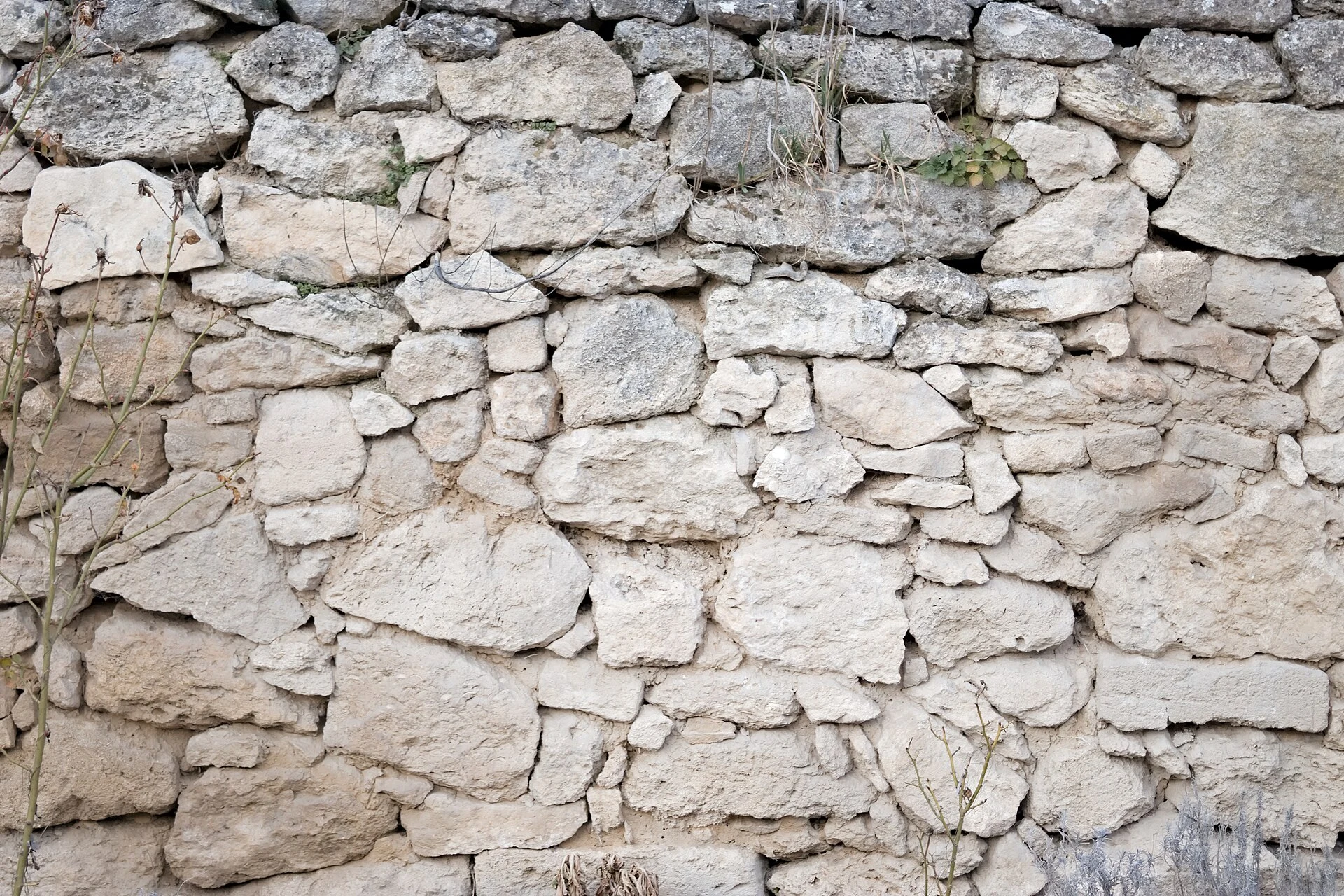
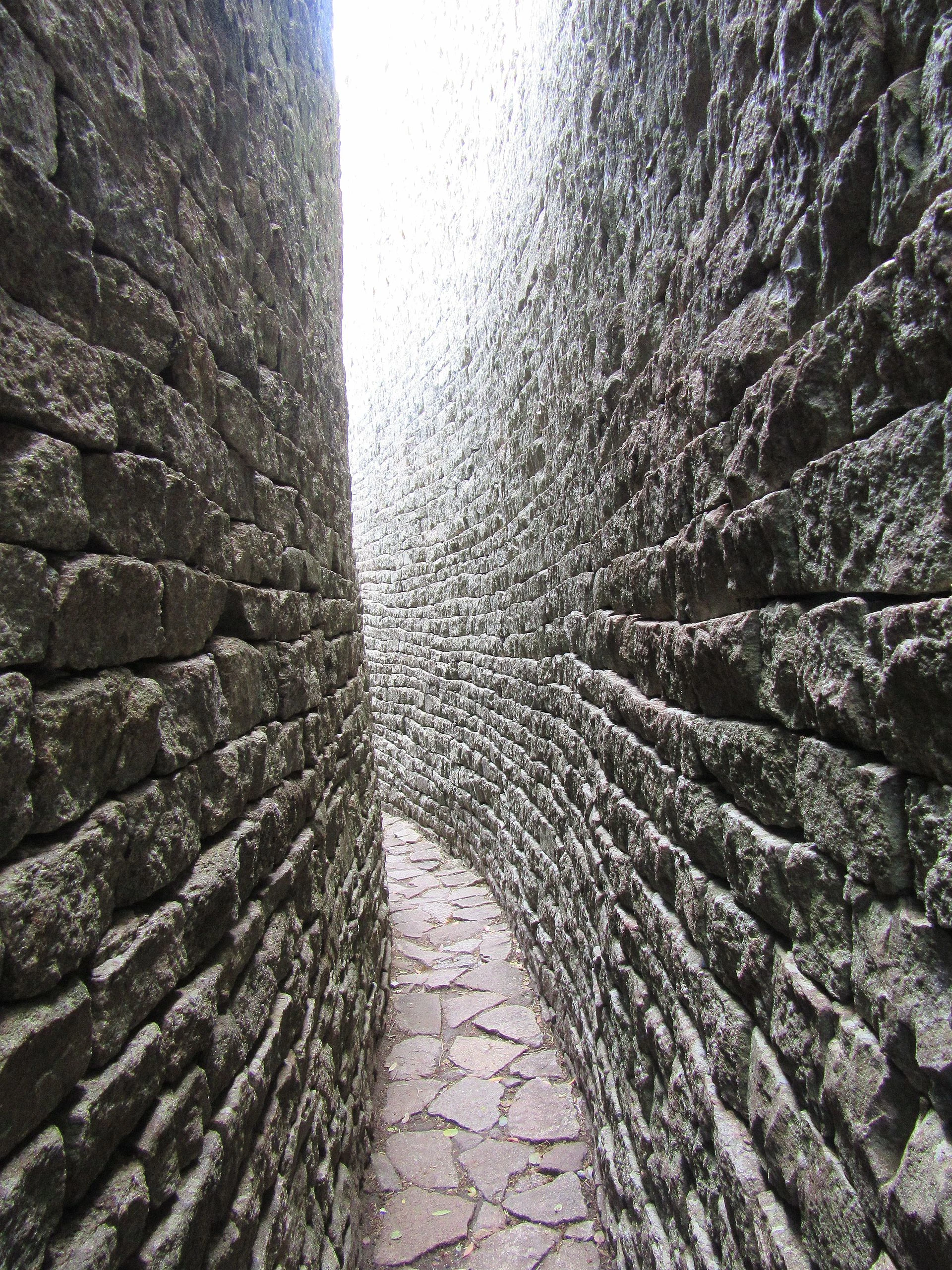
The name Zimbabwe is associated with “stone houses”, but the experience gains depth when you also look at the ground, the remains of daga structures—a mixture of granitic sand and clay—passages, and the relationship between hillside and plain. UNESCO describes the Great Enclosure as an elliptical space with dwellings, communal areas and a passage leading to the conical tower; on the Hill, enclosures adapt to a granite mass and are connected by narrow corridors.
Begin with the museum exhibition and the site's orientation information. National Museums and Monuments of Zimbabwe (NMMZ), the organisation responsible for management, recommends viewing the exhibitions to understand the civilisation and notes that its information office provides guides and reading materials. This is not an optional extra: finds including pottery, ironworking, glass beads, porcelain from China and Persia, and gold and Arab coins from Kilwa place Great Zimbabwe within regional and Indian Ocean networks, rather than as an isolated outpost.
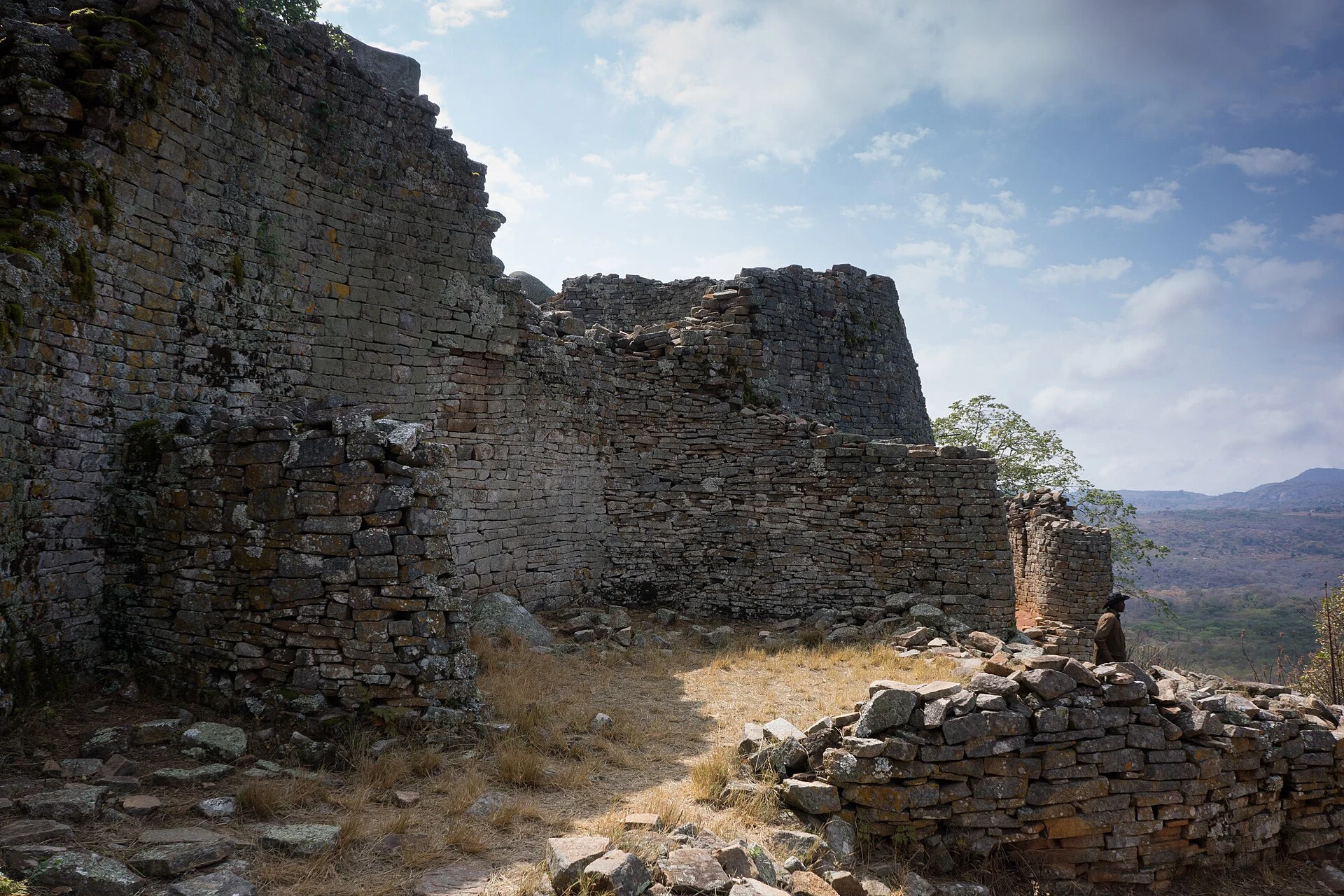
Choose the Great Enclosure if you want to read the architecture without turning the visit into a climb
The Great Enclosure is the best choice for a short first visit, for anyone who prioritises dry-stone masonry, or for visitors who prefer to focus their energy on a single sector. Here, the scale of the work becomes clear: granite blocks cut and laid in regular courses, curved walls, residential spaces and the celebrated conical tower. The tower deserves attention, but it should not absorb it all: observe how the wall, courtyards and remains of dwellings organise movement and communal life.
The drawback is that this sector alone can create an overly monumental and abstract impression. Balance it with the museum or a slow walk through the Valley. Do not present the tower as a mystery that must be solved: archaeological evidence supports discussion of architecture and social organisation, while some specific interpretations remain hypotheses. An accredited guide can help distinguish between facts, traditions and later readings. NMMZ states that guides can be requested at the information office; confirm their availability when you arrive.
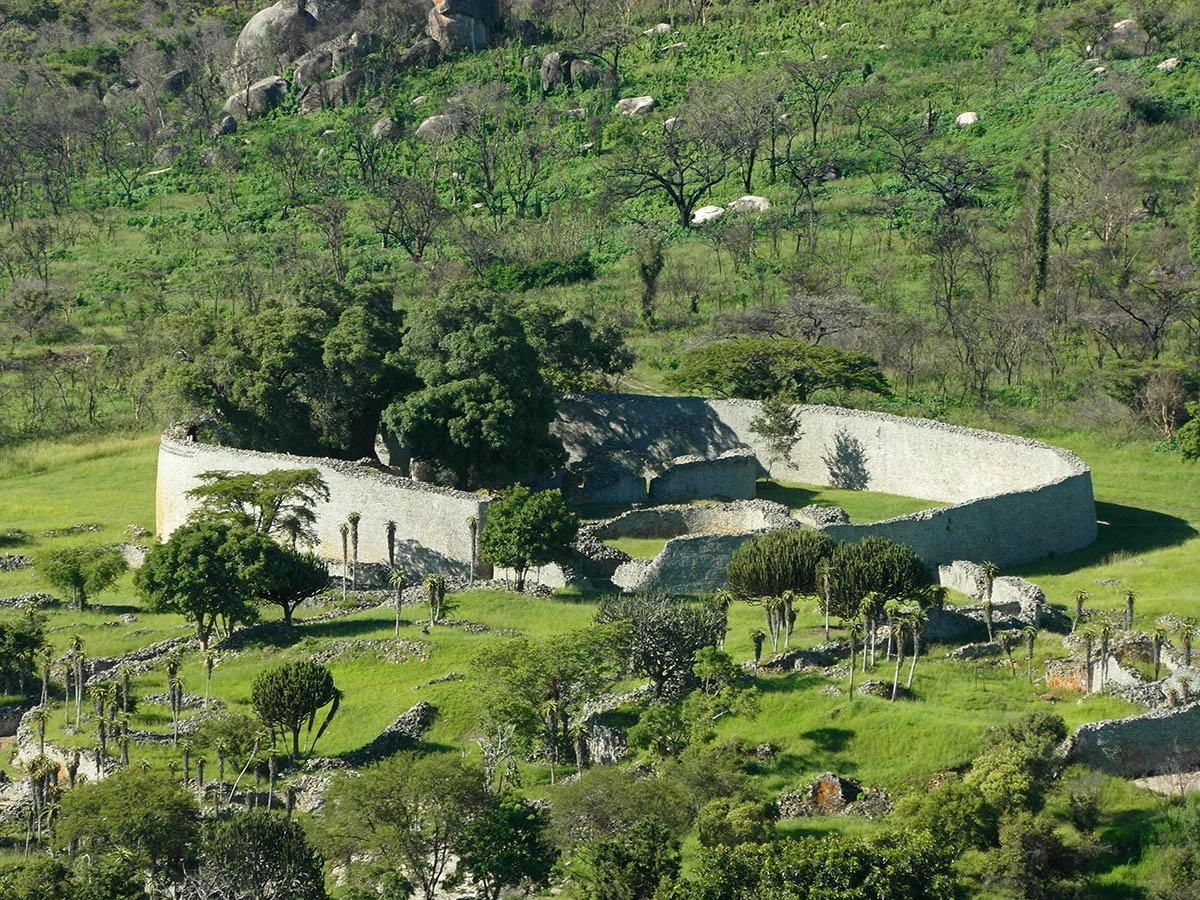
Choose the Hill if passages and slopes are part of what you are looking for
The Hill offers another way to understand the site: not as an enclosure viewed from outside, but as architecture that makes use of rock, height and restricted routes. UNESCO describes it as a large granite mass with evidence of occupation between the 11th and 15th centuries, stone enclosures and narrow passageways, some partially covered. Six soapstone posts topped with birds were found in the eastern enclosure; these birds are now associated with one of Zimbabwe's national symbols.
The practical decision is simple: choose the Hill if you are comfortable walking uphill and through areas with limited passage; leave it out if you need a completely level route, plenty of room to manoeuvre, or have concerns about balance and stamina. The sources consulted do not provide an up-to-date accessibility audit, so do not assume that a route is suitable for a wheelchair, pushchair or reduced mobility. Before travelling, contact NMMZ directly about trail conditions, assistance, toilets and alternative routes.
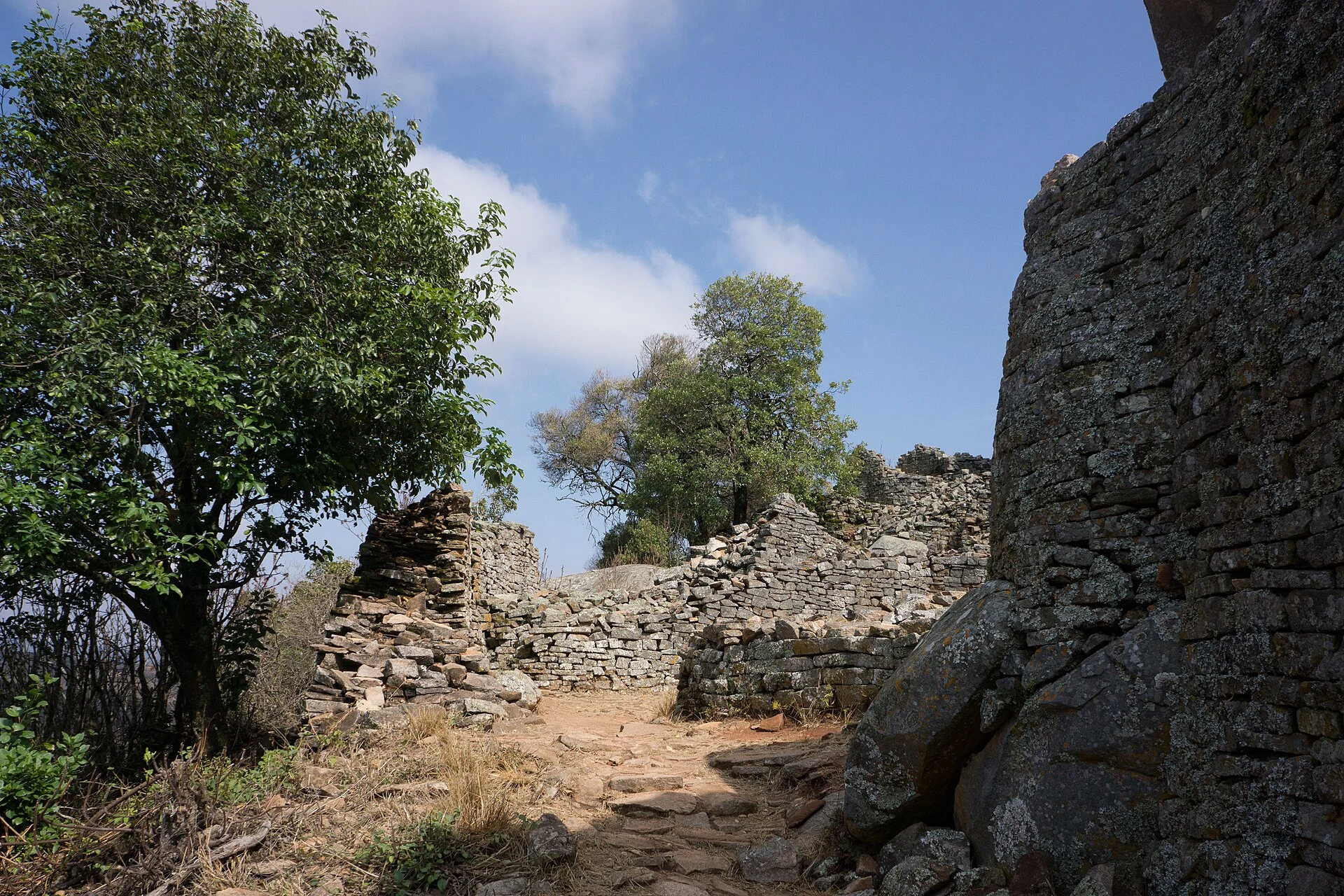
Do not skip the Valley: it is where the city stops looking like a single monument
The Valley Ruins comprise dispersed complexes that make it possible to read dwellings, floors, benches and small dry-stone divisions beyond the great walls. The visit works best at a slow pace: look for patterns of domestic organisation and wall decoration rather than trying to identify every stone as though it were an isolated structure.
This order—museum, Enclosure, Valley and Hill last—also avoids a common mistake: arriving at the tower with a prefabricated image of the site. Great Zimbabwe was an important trading centre and the principal city of a large state in the 14th century; its importance does not depend on legends that attributed its origins to biblical or foreign peoples. UNESCO itself identifies the complex as a creation of Shona civilisation.
Plan a responsible visit: less pressure, more context
Great Zimbabwe is a protected archaeological site, but it is also a sacred place associated with contemporary spiritual practices. Follow staff instructions and signage, do not climb on the walls or leave the routes, and accept possible restrictions linked to conservation or rituals. UNESCO identifies visitor pressure, invasive vegetation, soil moisture and temperature variations among the factors requiring sustained conservation.
If you buy crafts, ask who made them, what materials they use and whether the price is negotiable; buy only if you are interested in the work, not as proof that you have been there. Photograph people only with their permission. Avoid describing local communities as part of the scenery or as an attraction: the site's value includes precisely the living cultural relationships that surround it.
Before you leave: check with NMMZ or the site's official office for access on the day, fees, opening hours, payment methods, guide availability, trail conditions and accessibility arrangements. These operational details can change and should not be decided using outdated information. The conservation project's platform places the site about 30 km from Masvingo and presents interpretation facilities, but it does not replace direct confirmation before your trip.
References consulted during editorial review. Times, requirements and advisories may change: always confirm with the official source.
- https://www.tourismzim.gov.zw/www.tourismzim.gov.zw
- https://www.nmmz.co.zw/heritage-and-tourism/www.nmmz.co.zw
- https://www.zimparks.org/www.zimparks.org
- https://www.greatzimbabwewhs.com/www.greatzimbabwewhs.com
- https://www.nmmz.co.zw/southern-region-masvingo/www.nmmz.co.zw
- https://www.zimlusaka.gov.zw/tourism/www.zimlusaka.gov.zw
- https://visitzimbabwe.com/zimbabwe/landmarks/great-zimbabwevisitzimbabwe.com
- https://tkp.tourism.gov.za/Documents/UP%20Final%20Tourist%20Guiding%20Cross%20report.pdftkp.tourism.gov.za
- ZimbabueWikidata · CC0 1.0 · Wikidata · Q954
- ZimbabweWorld Countries — mledoze · ODbL 1.0 · World countries dataset by mledoze and contributors · ODbL 1.0
- ZimbabweWorld Bank Open Data · CC BY 4.0 · World Bank
- ZimbabweDBpedia · CC BY-SA 3.0 · DBpedia