Türkiye · Neolithic archaeology
Göbekli Tepe begins at the Şanlıurfa museum
The visit makes more sense when the site and the Şanlıurfa Archaeology Museum are treated as one experience: first the objects, then the landscape and its pillars.
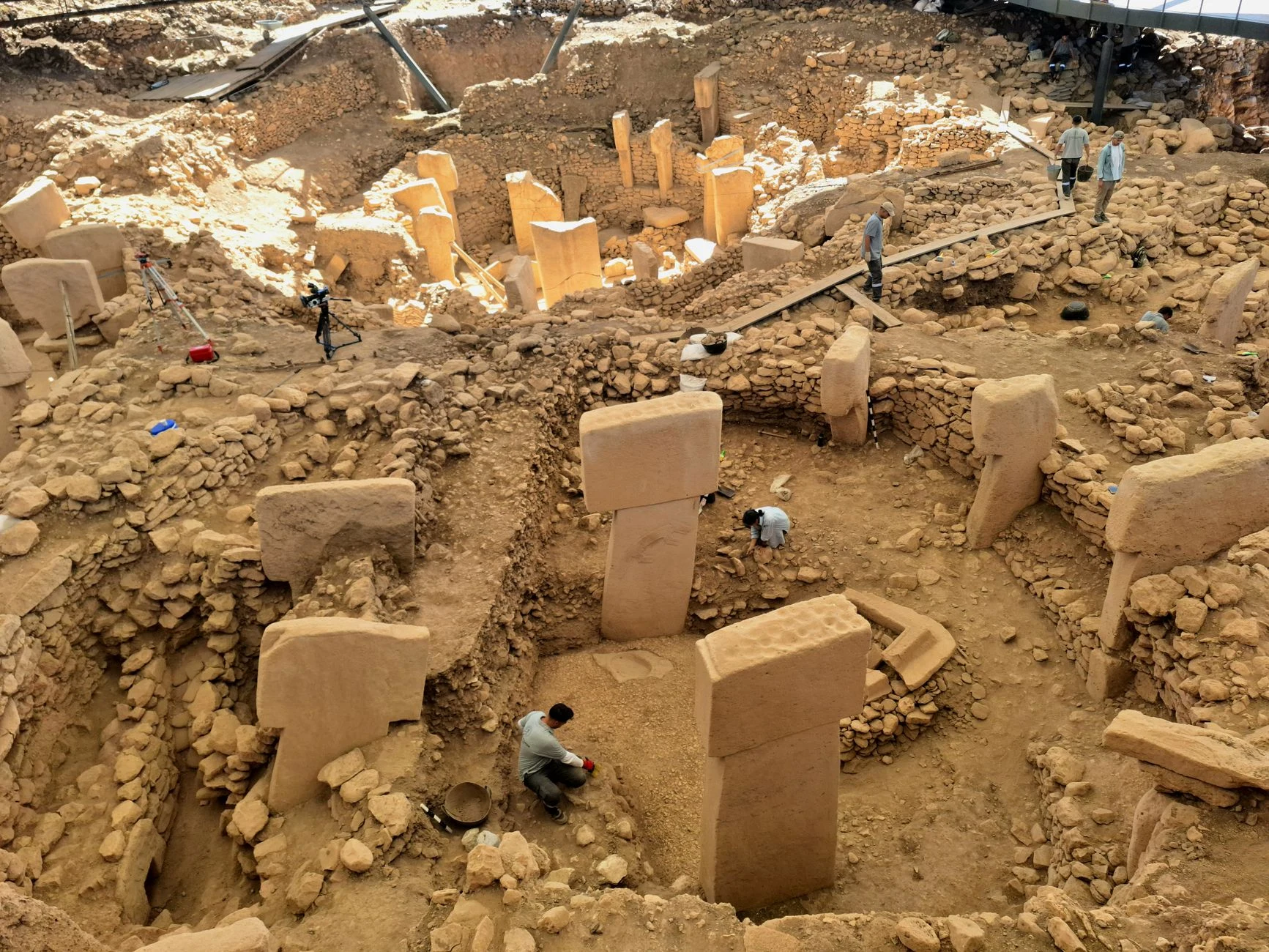
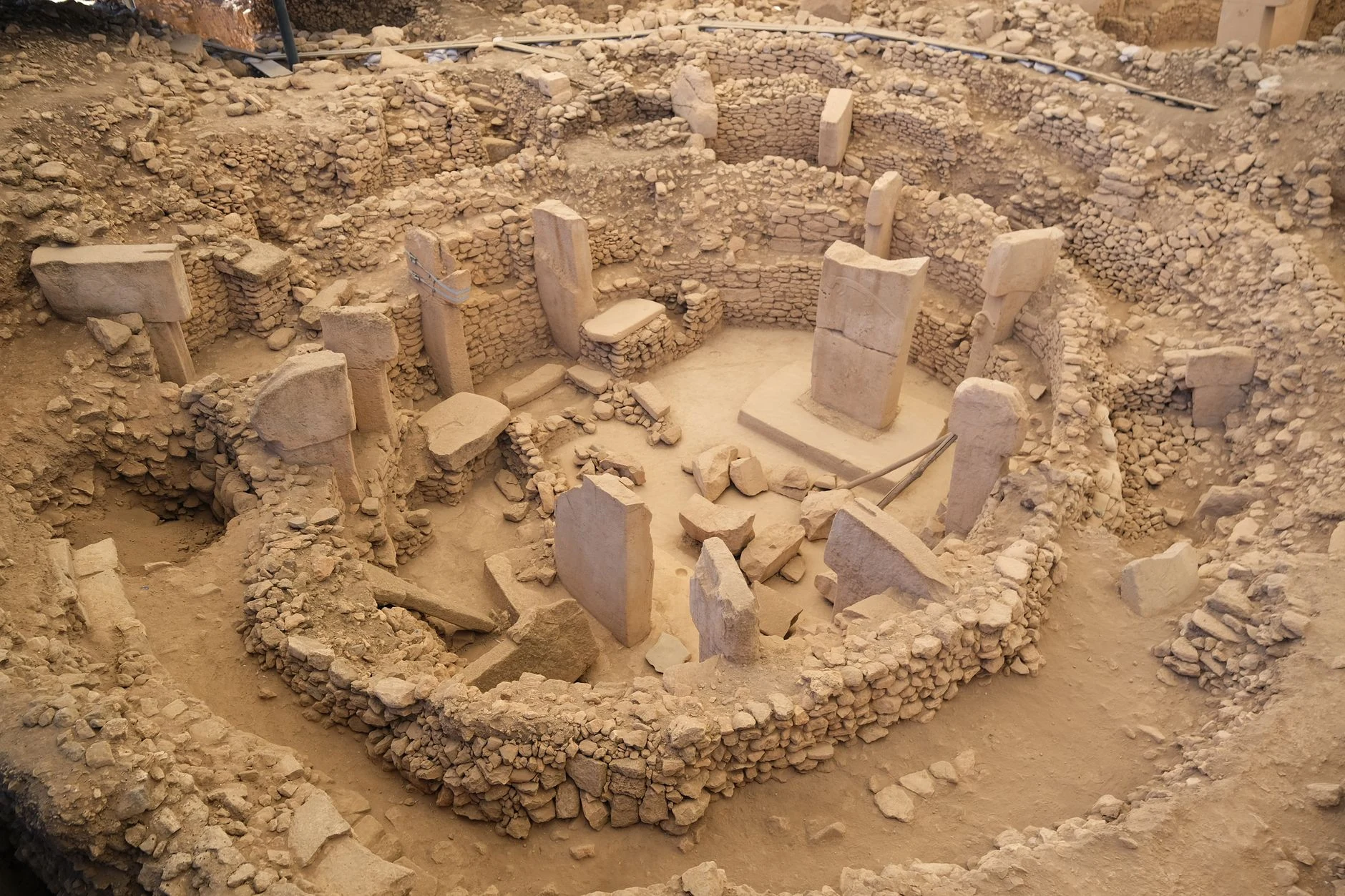
Göbekli Tepe is not fully understood from the walkway surrounding the excavated structures. There, visitors can appreciate the scale of the promontory, the conservation roofs and the T-shaped pillars; at the Şanlıurfa Archaeology Museum, they can reconnect with the objects, reproductions and long regional sequence that give meaning to that view. Setting aside time for both places is not simply adding another stop: it turns a visually striking visit into a more precise archaeological reading.
The recommended order: museum first, hill afterwards
Start at the Şanlıurfa Archaeology Museum. Its galleries place Göbekli Tepe within a region that includes other Neolithic settlements, display materials from the excavations and allow you to focus on shapes, animals and techniques before encountering them in a more distant and protected setting.
The key element in preparing your eye is the Neolithic sequence: stone tools, sculptures and a reconstruction of a Göbekli Tepe structure help distinguish the displayed object from its original setting. Do not turn the visit into a search for one famous image. Instead, look at the recurring T-shaped pillars, carved hands and arms, and animal reliefs.
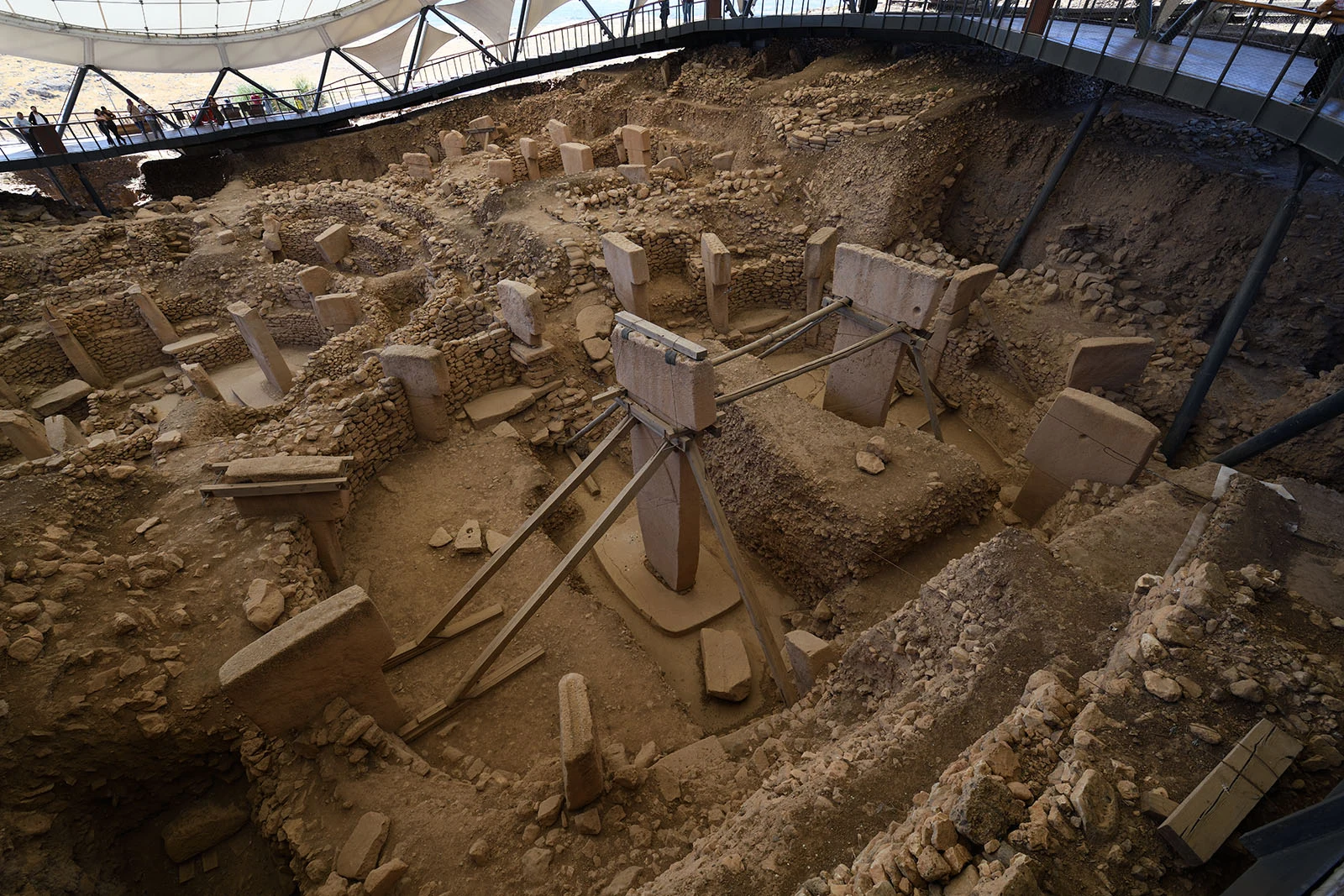
At Göbekli Tepe, the perimeter walkway and the protective roofs allow you to see Areas A, B, C and D without entering the excavations. This is an experience of observing from a certain distance; anyone expecting to move freely through extensive ruins, touch the stone or descend into the enclosures will arrive with the wrong expectations.
What is clear and what remains an interpretation
The site belongs to the Pre-Pottery Neolithic and preserves monumental buildings with circular or oval plans, as well as rectangular ones, dating approximately from the tenth to the ninth millennium BCE. Its limestone T-shaped pillars, some up to 5.5 metres high, combine architecture with repertoires of animals, clothing and stylised human features.
For years, it was chiefly presented as a sanctuary built by hunter-gatherers before sedentary life. That formula can serve as an initial orientation, but it is too restrictive for an attentive visit. Recent research has documented domestic activities and indications of long-term occupation, so the site is now interpreted as a settlement with a marked ritual dimension, rather than simply an isolated temple.
This shift is useful for travellers: view the pillars as structural and symbolic elements at the same time, and treat explanations concerning ceremonies, hierarchies, burials or the meanings of animals as archaeological hypotheses under discussion. The site's interest lies precisely in the fact that the questions remain open.
Getting from Şanlıurfa without a car: possible, but leave room for delays
Şanlıurfa is the logical base: it concentrates the museum, accommodation and services, while Göbekli Tepe lies outside the city, in the Dağeteği area. The municipality publishes a bus service connecting the Şanlıurfa Museum, the Abide area and Göbekli Tepe. This makes the excursion possible without a private vehicle, provided the day is planned around the current timetable.
Do not schedule a flight connection, a booked meal or a second rural excursion with minimal margins. Confirm the direction of each departure, the last return and the actual stops on the day itself or the day before; timetables and services may change. If the bus does not fit your plans, a hired transfer from the city offers greater control over time but less budget flexibility.
At the site itself, there is a short internal transfer from reception to the excavated area. Bring water, sun protection and stable footwear for outdoor surfaces. The walkway makes it easier to understand the complex, but you should not assume specific accessibility conditions without checking directly with the site.
Karahantepe: an extension, not an automatic substitute
Karahantepe forms part of the same regional research horizon known as Taş Tepeler and has yielded numerous T-shaped pillars, sculptures and public buildings. It is an intellectually valuable extension if you have more time and well-organised transport.
However, do not treat it as interchangeable with Göbekli Tepe. Excavation, visitor facilities and conservation work have continued to transform the site, and public access, the available route and visiting conditions should be checked before including it. For a first day, the combination of the Şanlıurfa Archaeology Museum and Göbekli Tepe is more dependable and avoids rushing between several sites whose contexts are still changing.
If you add Karahantepe, leave room for the visit to become a regional conversation: the point is not to decide which is “older” or “more important”, but to understand that Göbekli Tepe forms part of a network of Neolithic communities and places that are still being investigated.
A one-day itinerary that leaves time to look
Morning: visit the Şanlıurfa Archaeology Museum, paying close attention to the Neolithic galleries, the figure known as Balıklıgöl Adamı and the materials associated with Göbekli Tepe and Nevalı Çori.
Midday and early afternoon: travel to Göbekli Tepe. Before heading to the enclosures, use the orientation area to organise the dates and vocabulary. On the walkway, prioritise the central pillars, the pillars incorporated into the walls, and the relationship between relief, architecture and landscape.
Return to the city: set aside some time to note which statements were presented as facts and which as interpretations. It is a simple way to avoid carrying the site's simplified popular versions into your trip. If you have a second afternoon, return to the museum instead of automatically adding another site: the collections allow you to reread calmly what you saw in the field.
Before you set out
Check the following variable details with official sources: opening hours, last admission, extraordinary closures, applicable admission fee, availability of the internal service and accessibility conditions at Göbekli Tepe; also the timetable, stops and direction of travel of the municipal bus. If you would like to add Karahantepe, confirm its opening, route and realistic arrival options separately.
### References to check before travelling
- General Directorate of Cultural Heritage and Museums of Türkiye — Göbeklitepe Archaeological Site: opening status, hours, site access, audio guide and visitor services.
- General Directorate of Cultural Heritage and Museums of Türkiye — Şanlıurfa Archaeology Museum: opening hours, opening status and presentation of the Neolithic collections.
- Şanlıurfa Metropolitan Municipality — Göbeklitepe: published bus timetable between the museum, Abide and Göbekli Tepe.
- German Archaeological Institute — Göbekli Tepe Project: research findings and reassessment of the settlement's interpretation.
- UNESCO World Heritage Centre — Göbekli Tepe: chronology, the values of the inscribed property and its protection framework.
- Ministry of Culture and Tourism of Türkiye — Taş Tepeler and Karahantepe: excavation news and conservation or visitor-facility work.
References consulted during editorial review. Times, requirements and advisories may change: always confirm with the official source.
- https://whc.unesco.org/en/list/1572/whc.unesco.org
- https://whc.unesco.org/en/list/1572/documents/whc.unesco.org
- https://whc.unesco.org/document/168743whc.unesco.org
- https://whc.unesco.org/en/documents/160483whc.unesco.org
- https://whc.unesco.org/en/listwhc.unesco.org
- https://whc.unesco.org/en/statesparties/tr/whc.unesco.org
- https://whc.unesco.org/en/statesparties/trwhc.unesco.org
- https://muze.gov.tr/muze-detay?DistId=SGT&SectionId=SGT01muze.gov.tr
- TurquíaWikidata · CC0 1.0 · Wikidata · Q43
- TurquiaWikidata · CC0 1.0 · Wikidata · Q98207974
- TürkiyeWorld Countries — mledoze · ODbL 1.0 · World countries dataset by mledoze and contributors · ODbL 1.0
- TurkiyeWorld Bank Open Data · CC BY 4.0 · World Bank
- HISTORIA DE LA INTERVENCIÓN ROMANA EN TURQUÍACrossref · Metadatos públicos; derechos específicos por campo cuando correspondan · Crossref