Iraq · Kurdistan Region
Erbil Citadel: heritage that now calls for postponing your trip
Erbil Citadel reveals an urban form built on a millennia-old tell. However, current travel advisories discourage planning a tourist trip: this is a place to understand and prepare to visit later, not to set out for now.
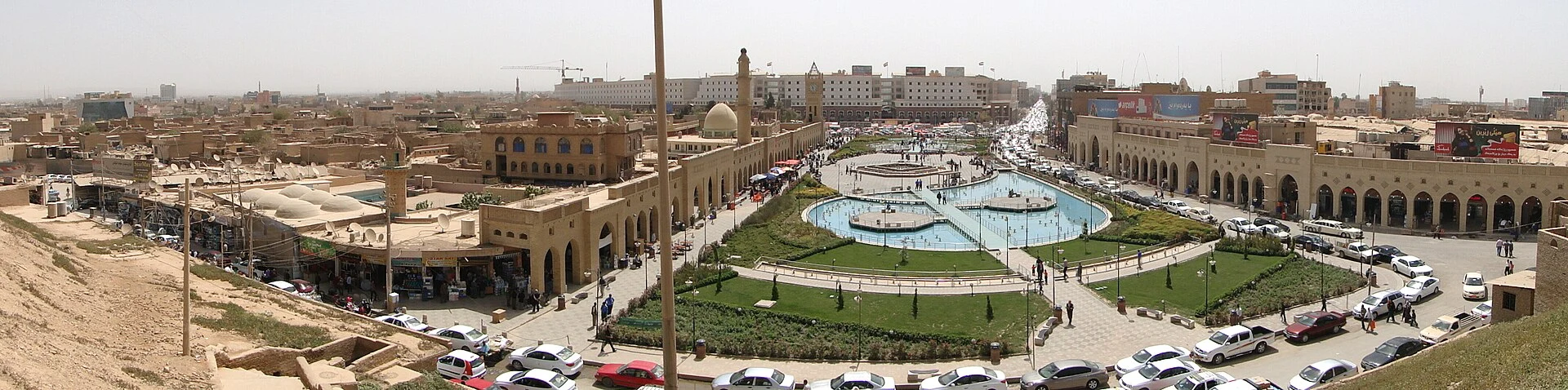
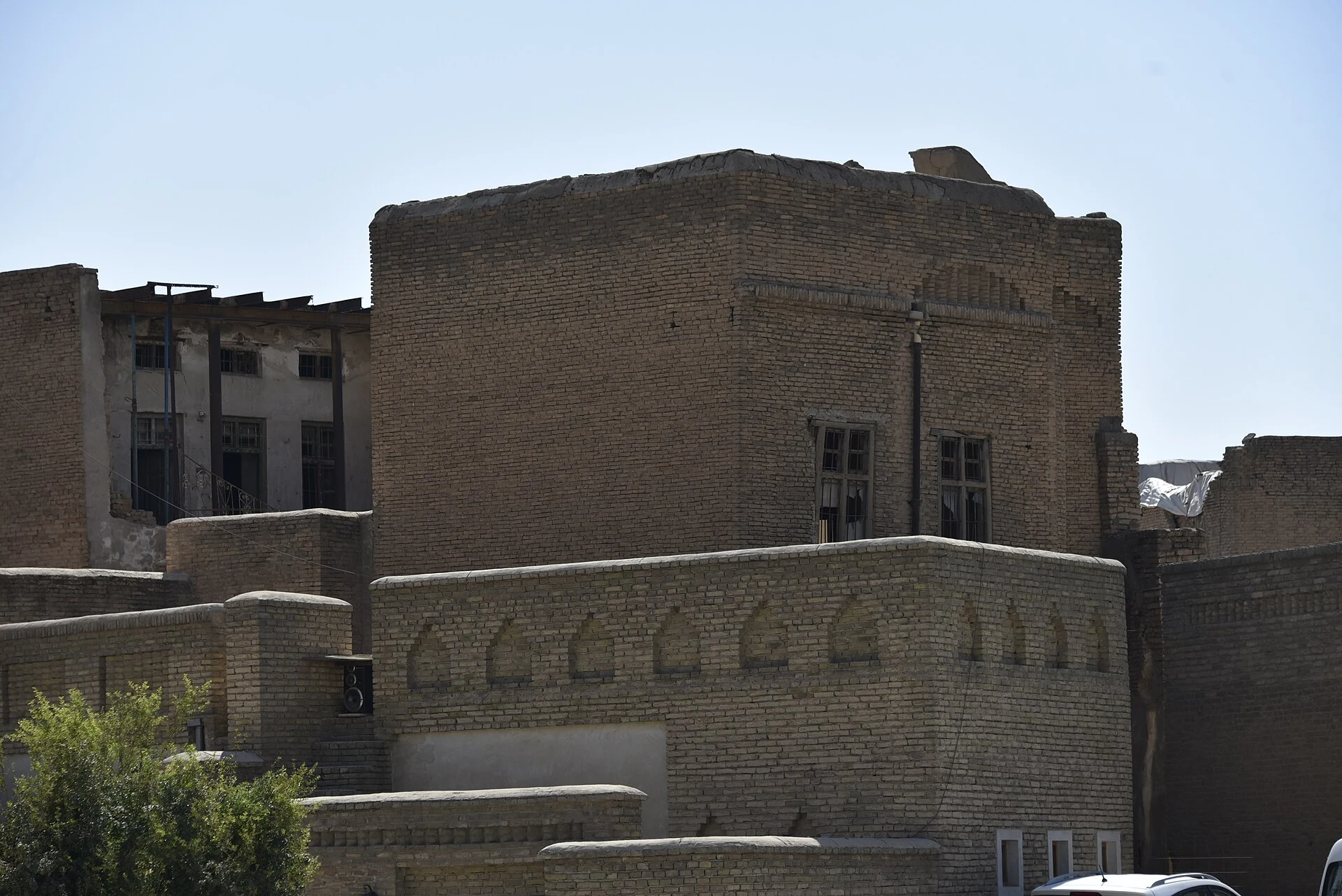
At the heart of Erbil rises an oval-shaped tell: it is not merely a fortress, but the result of many layers of occupation and rebuilding. The tall façades outlining its perimeter, the narrow lanes leading from the main gate and the Ottoman-era urban fabric make Erbil Citadel an exceptional place to read the continuity of a city.
But heritage does not erase context. As of 6 September 2026, the official travel advice consulted points to serious and changing risks in Iraq, including the Kurdistan Region. For a leisure trip, the prudent decision is to postpone it. This guide is intended to explain what makes the citadel distinctive and what should be checked if a visit is considered in the future.
An inhabited mound transformed into a historic city
The key to Erbil lies beneath your feet. The citadel stands on an archaeological mound formed by generations of overlapping settlements; its deposits reach more than thirty metres deep. From outside, the complex appears as a compact rise, encircled by an almost continuous line of residential façades from the nineteenth and twentieth centuries.
At the top, do not expect a monumental enclosure made up of isolated, perfectly restored buildings. Its interest lies in the relationship between the artificial topography, the residential fabric, the narrow passages and an urban plan that fans out from the Main Gate. Erbil’s historical association with ancient Arbela provides a broad sense of time, but the site is best understood by also considering its Ottoman urban form and its contemporary processes of conservation and revitalisation.
What a well-interpreted visit can reveal
The citadel was inscribed as a World Heritage site because it is a unique example of a fortified settlement developed on a tell. Its value does not depend on a single period or on seeking a uniform image of an “ancient city”. The façades should be read as an urban edge, the changes in level as the result of successive occupations, and the network of alleys as a historic structure that still organises the summit.
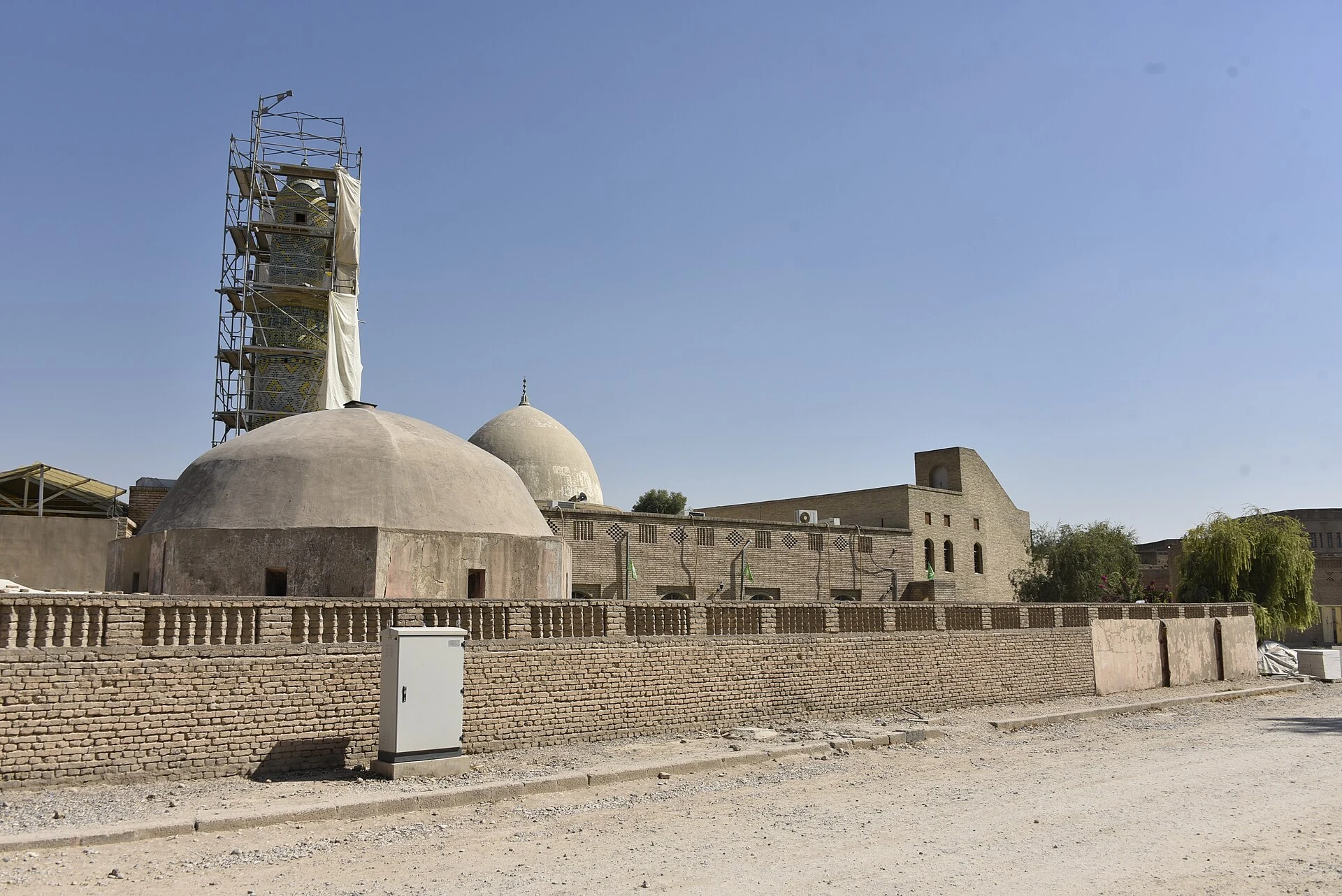
It is also important not to separate the enclosure from Erbil itself. The citadel remains a physical and symbolic landmark for local people, and its conservation has aimed to restore urban functions as well as repair buildings. For anyone travelling when conditions permit, this approach suggests taking time to interpret the site rather than turning it into a quick stop between photographs.
The practical decision today: do not plan a tourist trip
The main constraint is not the distance within the city or the time needed to get around; it is the security situation. The United States Department of State maintains a do not travel advisory for Iraq, updated on 29 August 2026. The British travel advice, consulted with a status current on 23 June 2026, advises against all but essential travel to the Kurdistan Region of Iraq. Both warn that the situation may change at short notice.
It is therefore not responsible to make the citadel the basis of a current tourist itinerary, book non-refundable services or interpret possible air connectivity as a guarantee that travel is viable. Transport conditions, access, insurance, consular assistance and movement within the region can change rapidly. Any future visit should begin with guidance from the authorities of your nationality and an assessment by a professional operator with a genuine ability to update plans and transfers.
If you are already in Erbil for an essential reason
Anyone already in Erbil for a non-tourist reason should prioritise instructions from local authorities, their responsible organisation and the relevant consular representation. They should not extend their stay for tourism or travel independently in search of heritage sites.
If circumstances allow you to consult local cultural information, confirm access to the citadel directly, along with any conservation works, controls and operational changes on the same day. Do not assume that opening hours, routes, tickets, photography, transport or guide availability are fixed: these are variable details that only the managing body and the competent authorities can confirm at that time.
Check before deciding: official references
Review these sources on the same day you make a decision, because security advice and operations can change without warning:
- United States Department of State — Iraq Travel Advisory: advisory level, alerts and consular assistance capacity.
- United Kingdom Foreign, Commonwealth & Development Office — Iraq travel advice: map of affected areas, regional risks and possible transport disruptions.
- UNESCO — Erbil Citadel: heritage context, boundaries and the site’s conservation criteria.
- Kurdistan Regional Government official tourism portal — Welcome to Kurdistan: local information that must be cross-checked against current security conditions and the body managing the site.
References consulted during editorial review. Times, requirements and advisories may change: always confirm with the official source.
- https://travel.state.gov/content/travel/en/traveladvisories/traveladvisories/iraq-travel-advisory.html?pubDate=20250713travel.state.gov
- https://whc.unesco.org/en/list/1437whc.unesco.org
- https://www.gov.uk/foreign-travel-advice/iraq/warnings-and-insurancewww.gov.uk
- https://travel.state.gov/content/travel/en/traveladvisories/traveladvisories..htmltravel.state.gov
- https://welcometokurdistan.com/welcometokurdistan.com
- https://travel.state.gov/en/international-travel/travel-advisories.html?os=avefgitravel.state.gov
- https://whc.unesco.org/en/listwhc.unesco.org
- https://whc.unesco.org/en/decisions/6106whc.unesco.org
- IrakWikidata · CC0 1.0 · Wikidata · Q796
- IrakWikidata · CC0 1.0 · Wikidata · Q65263033
- IraqWorld Countries — mledoze · ODbL 1.0 · World countries dataset by mledoze and contributors · ODbL 1.0
- IraqWorld Bank Open Data · CC BY 4.0 · World Bank
- IraqDBpedia · CC BY-SA 3.0 · DBpedia