Iran · Fars Province
Persepolis and Achaemenid Heritage While Travel to Iran Is on Hold
The great terrace at Persepolis reveals the political staging of the Achaemenid world. Today, however, the responsible decision is to postpone any tourist journey to Iran.
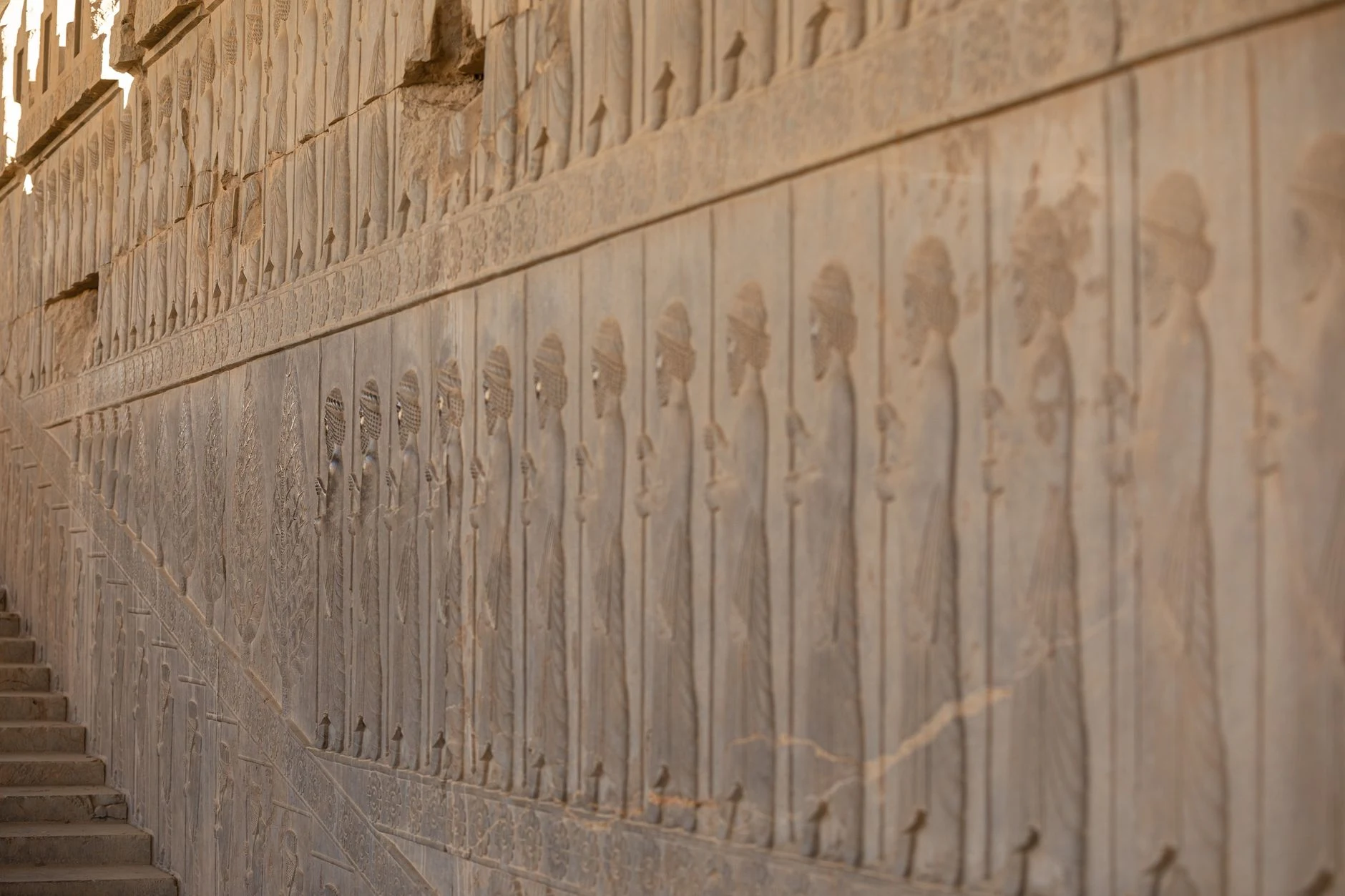
Persepolis preserves one of the clearest expressions of Achaemenid ceremonial architecture: a terrace built beside the mountain, stairways designed for processions, and reliefs that guide the visitor’s gaze. But the decisive point for anyone planning a trip is current: this is not a destination to book now. The security situation and the continuity of transport services can change without warning; the site’s significance deserves patient preparation, not a rushed arrival.
The practical decision: postpone the trip
As of 12 September 2026, official recommendations from several governments coincide in advising against all travel to Iran. This is not simply a matter of assessing Persepolis or Fars Province: regional volatility, the risk of arbitrary detention for foreign nationals, and possible sudden disruptions to flights, airports, communications, and exit routes all weigh heavily.
It is therefore not responsible to plan an itinerary now, buy non-refundable tickets, or turn the ruins into an isolated stop detached from the reality of the country. Anyone already in Iran should follow only the official guidance issued for their nationality, local authorities, and their insurer. The situation must be checked again before making any decision, even if circumstances change within a few days.
What to look for at Persepolis when travel becomes possible again
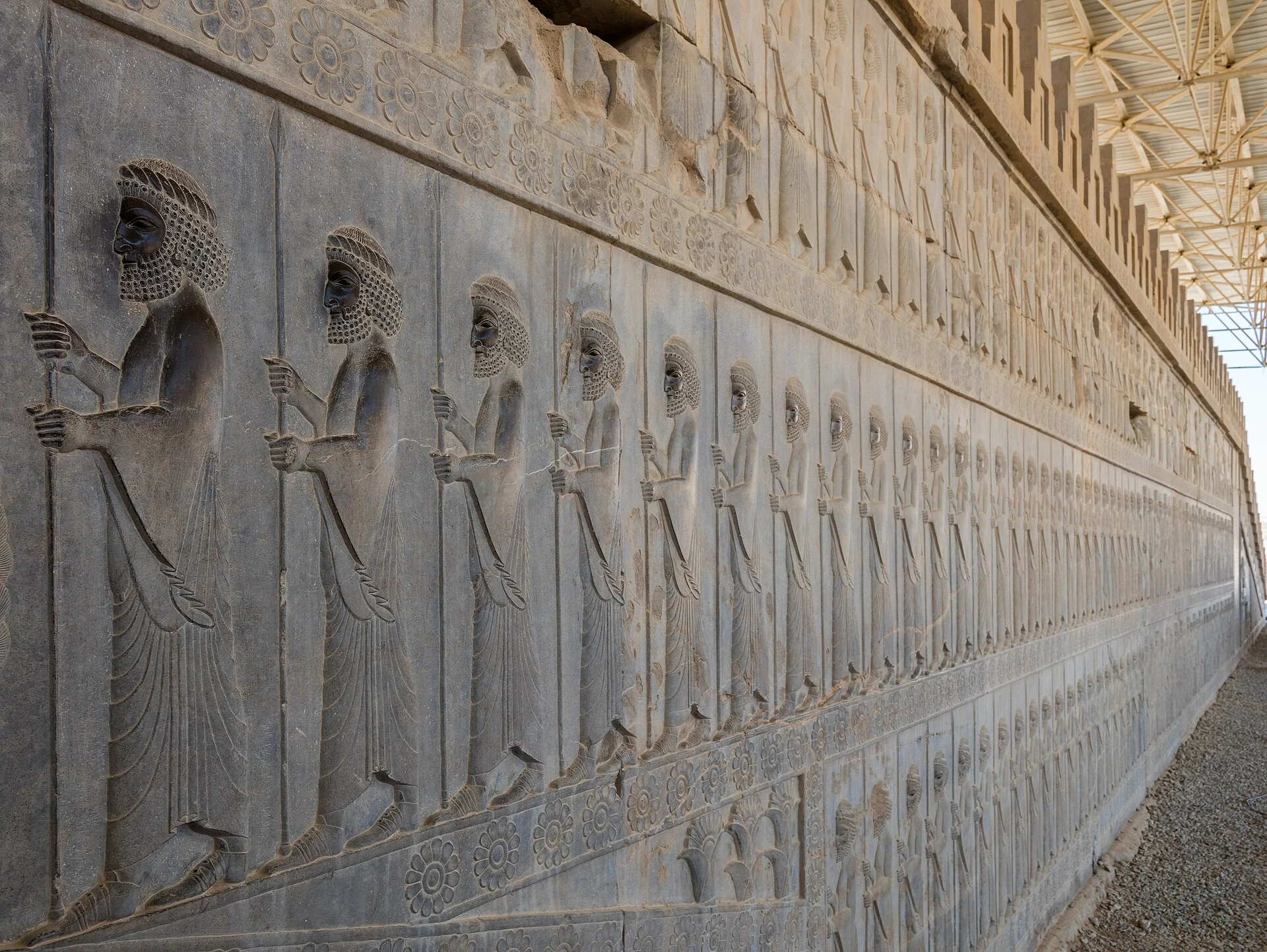
An understanding of the site begins with its monumental terrace, begun by Darius I around 518 BC. This is not an archaeological site to rush through in search of complete buildings: much of its power lies in the approaches, proportions, fragments of columns, and the sequence connecting gateways, courtyards, and halls.
The Apadana staircase concentrates one of the site’s key visual messages: delegations and tribute bearers appear in an organised carved procession, alongside guards and figures of authority. It is worth viewing it as a political construction of the Achaemenid monarchy, not as a transparent snapshot of the peoples represented. The Gate of All Nations, the Apadana, and the Hall of One Hundred Columns help trace the transition from arrival to reception and ceremony.
This scale explains why a future visit will require time for observation and historical context. Persepolis was a centre of royal representation, designed to make imperial power visible through architecture, movement, and relief.
Heritage that calls for a careful visit
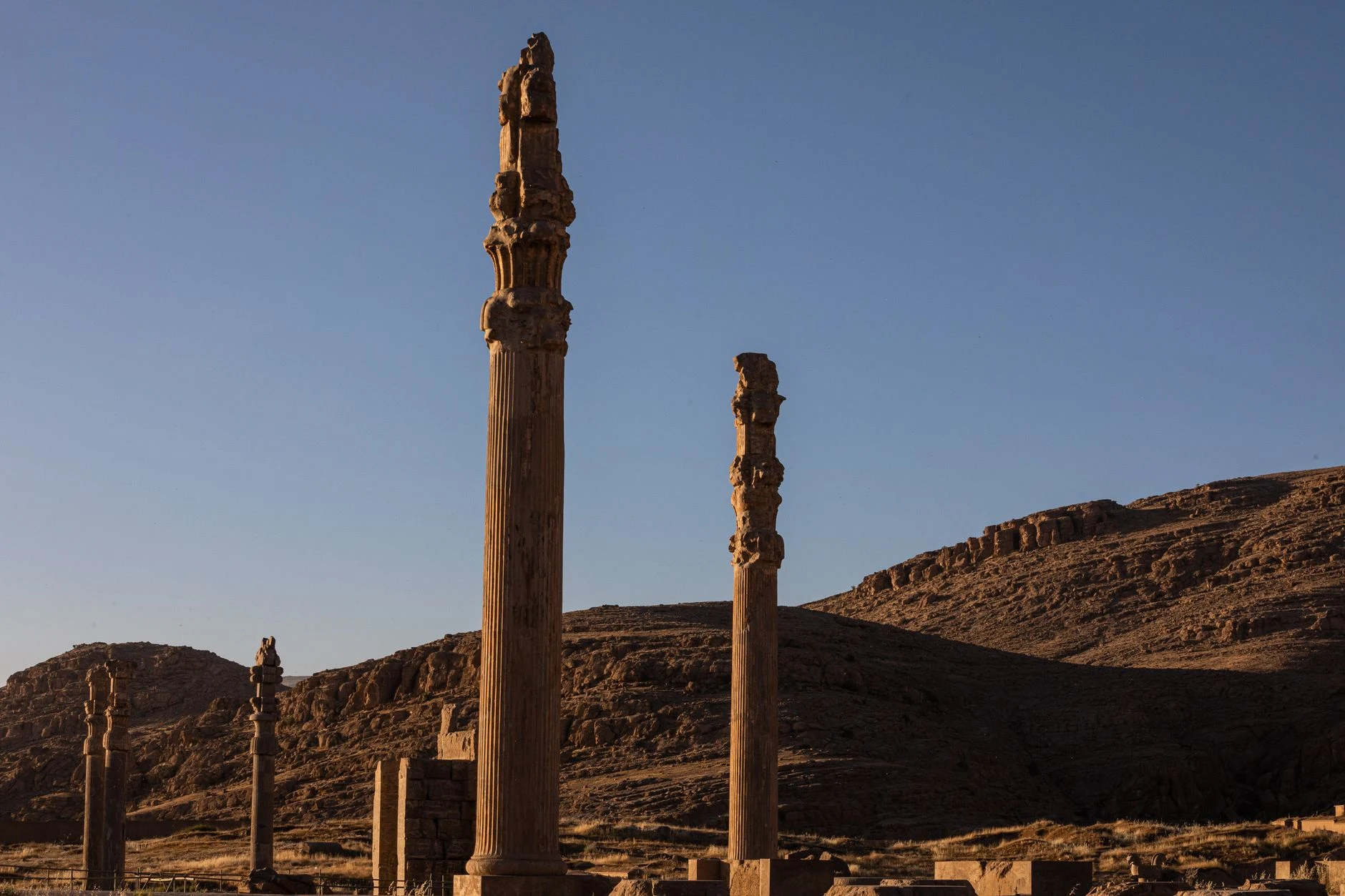
The archaeological site contains authentic structures and reliefs, not a staged reconstruction. Its preservation depends on controlling slow processes—erosion, pollution, and environmental exposure—as well as the pressures of urban, agricultural, and industrial development in its surroundings.
When travel conditions allow visitors to return, a respectful visit will mean sticking to authorised routes, not touching the reliefs or climbing onto unauthorised remains, and accepting possible closures or operational changes linked to conservation or security. Opening hours, access arrangements, photography rules, guide availability, and entry conditions are variable details: they should be confirmed directly with Iran’s heritage authority before travelling.
It is also worth studying Persepolis alongside Pasargadae, the first dynastic capital of the Achaemenids. A future comparison clarifies an evolution: at Pasargadae, palaces, gardens, and Cyrus’s tomb are spread across a plain; at Persepolis, the terrace concentrates a far more choreographed image of power.
Prepare for the journey without setting a date
While the recommendation not to travel remains in place, the best preparation is intellectual and reversible: review plans of the site, become familiar with the names of its buildings, and distinguish between what survives in situ and what is known through archaeological research. Do not interpret the reopening of flights or an isolated social-media post as sufficient evidence that tourism can resume.
For any future decision, cross-check your nationality’s official travel advice, the state of international transport, and information from the heritage authorities. Only when these three areas are compatible will it make sense to move from studying Persepolis to planning a stay in Fars.
References and checks before deciding
Travel situation: consult the current advice issued by the US Department of State; it continues to advise against travelling to Iran for any reason.
Regional situation and departures: Canada’s official advice, amended on 9 September 2026, states that all travel should be avoided because of the volatile situation and warns of possible transport disruptions.
Operational update: the Australian advice in force on 11 September 2026 advises against travel because of armed conflict, instability, and the risk of arbitrary detention; it asks travellers to check airports, airlines, and border crossings before moving.
Heritage context: the UNESCO entry documents the foundation of Persepolis by Darius I, the terrace, the Apadana, the Hall of One Hundred Columns, and the conservation challenges facing the site.
Historical comparison: UNESCO’s entry on Pasargadae explains its status as the first dynastic Achaemenid capital and the relationship between its palaces, gardens, and the mausoleum of Cyrus.
References consulted during editorial review. Times, requirements and advisories may change: always confirm with the official source.
- https://whc.unesco.org/en/statesparties/irwhc.unesco.org
- https://whc.unesco.org/en/list/1106/whc.unesco.org
- https://whc.unesco.org/en/list/1106whc.unesco.org
- https://whc.unesco.org/en/decisions/110/whc.unesco.org
- https://whc.unesco.org/document/5301whc.unesco.org
- https://whc.unesco.org/en/documents/114980whc.unesco.org
- https://whc.unesco.org/en/documents/200256whc.unesco.org
- https://whc.unesco.org/en/listwhc.unesco.org
- IránWikidata · CC0 1.0 · Wikidata · Q794
- IranWikidata · CC0 1.0 · Wikidata · Q21286079
- IRANWikidata · CC0 1.0 · Wikidata · Q5973372
- IranWorld Countries — mledoze · ODbL 1.0 · World countries dataset by mledoze and contributors · ODbL 1.0
- Iran, Islamic Rep.World Bank Open Data · CC BY 4.0 · World Bank
- IranDBpedia · CC BY-SA 3.0 · DBpedia