 Honduras
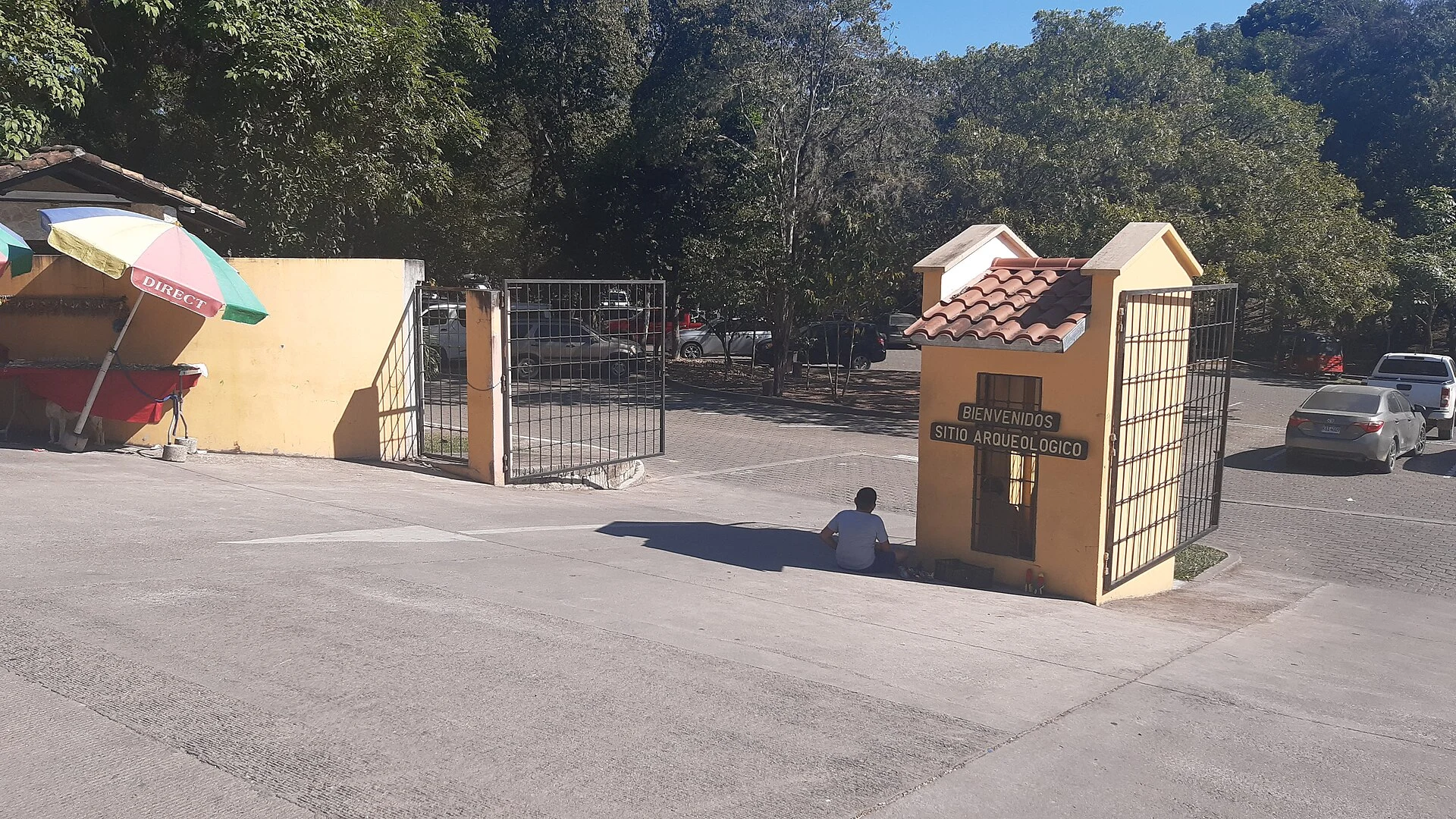
Copán Ruinas: Plazas, Sculpture and Maya Homes
A visit to Copán makes more sense when it is spread across the Main Complex, the Sculpture Museum and Las Sepulturas, rather than focused solely on the Hieroglyphic Stairway.
Read guide →Discover Culture guides with useful information, visible sources and context to plan each trip better.
 Culture
A visit to Copán makes more sense when it is spread across the Main Complex, the Sculpture Museum and Las Sepulturas, rather than focused solely on the Hieroglyphic Stairway.
Read guide →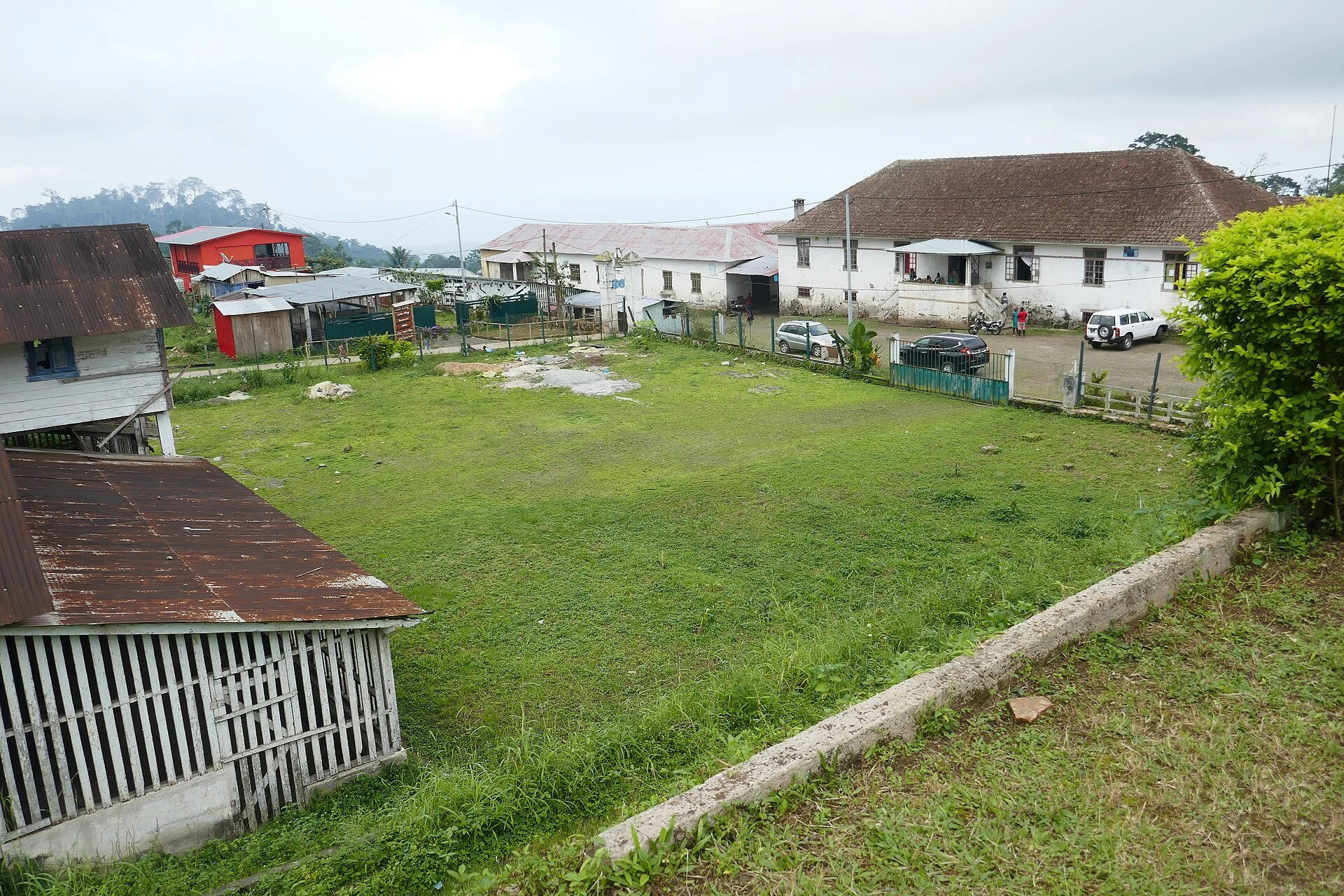 Culture
Three former plantations show why a roça is more than an isolated farm: it was an infrastructure for production, housing and control. This route invites you to visit them with time and context.
Read guide →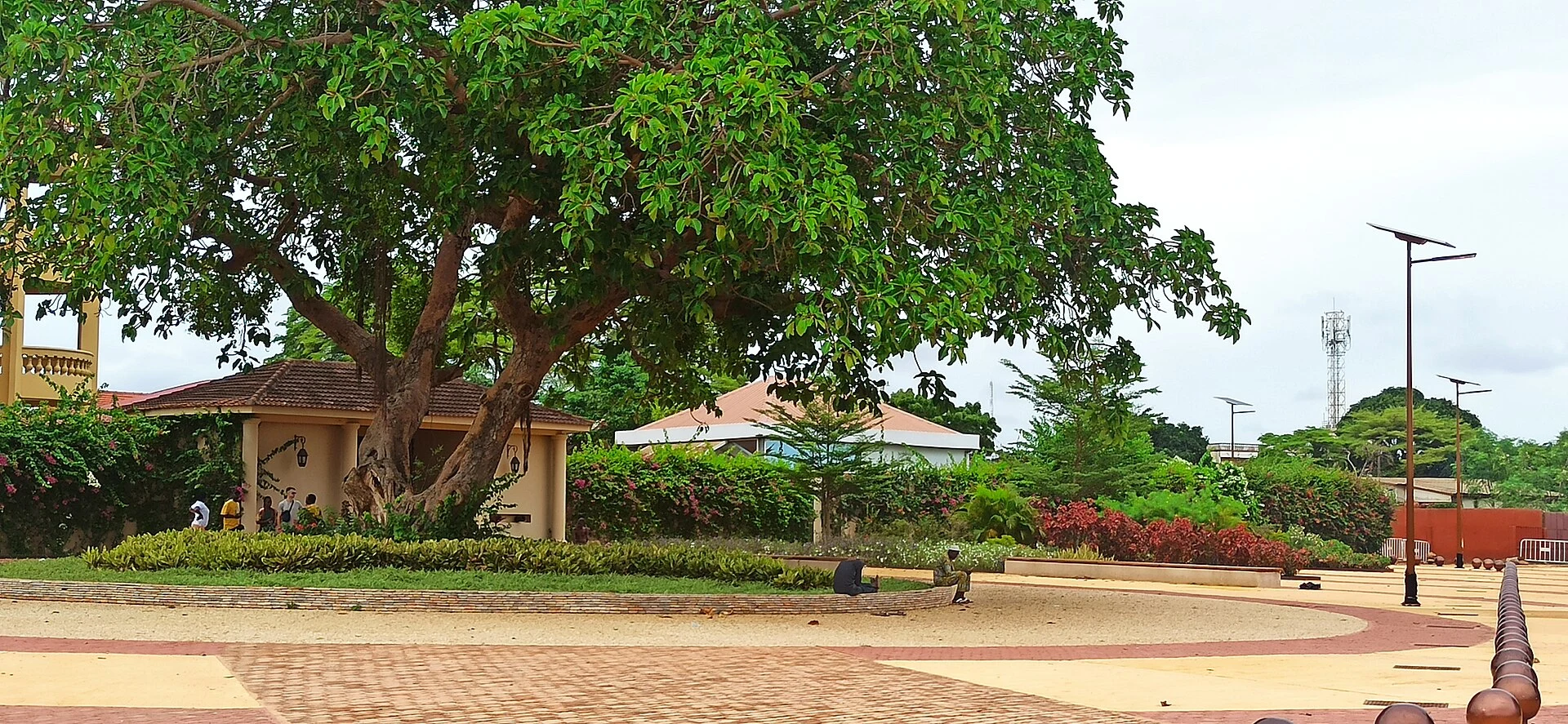 Culture
Ouidah is best understood not by seeing more stops, but by keeping experiences that call for different rhythms and attitudes separate: the memory of the slave trade, living vodun practice and the coastline. Here is how to shape a more attentive—and less intrusive—visit over one or two days.
Read guide →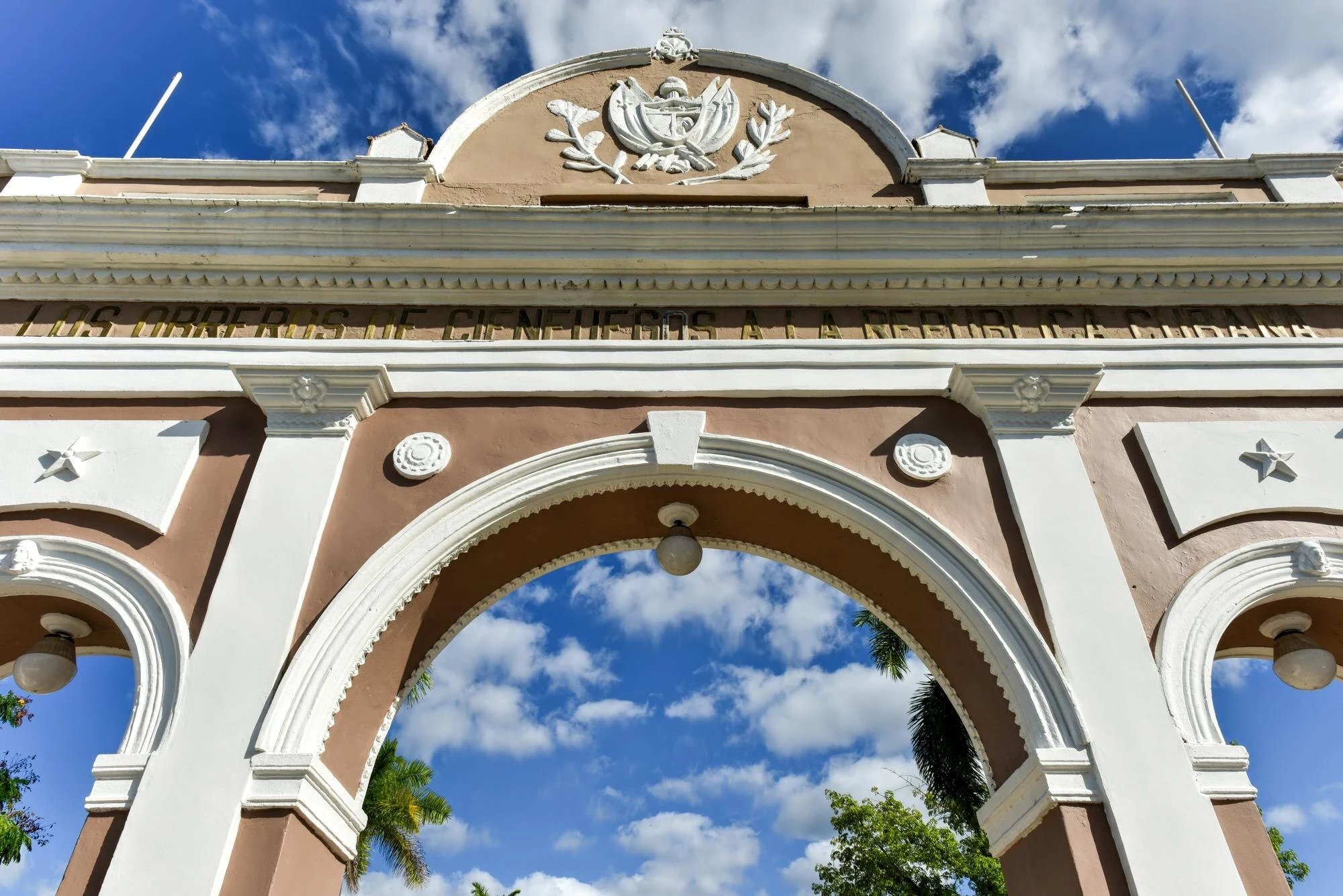 Culture
In Cienfuegos, the useful question is not how many monuments you can fit into a stop from Trinidad, but which part of the city best reveals its urban planning, port connections and plant-rich surroundings. This guide presents three compatible but non-equivalent choices: the historic centre, Punta Gorda and the Botanical Garden.
Read guide →The two components of Hail’s rock-art World Heritage property tell very long human stories, but they are read differently: Jubbah through the memory of a vanished lake; Shuwaymis through a remote rocky corridor. Choosing well keeps an archaeological visit from becoming a race for photographs.
Read guide →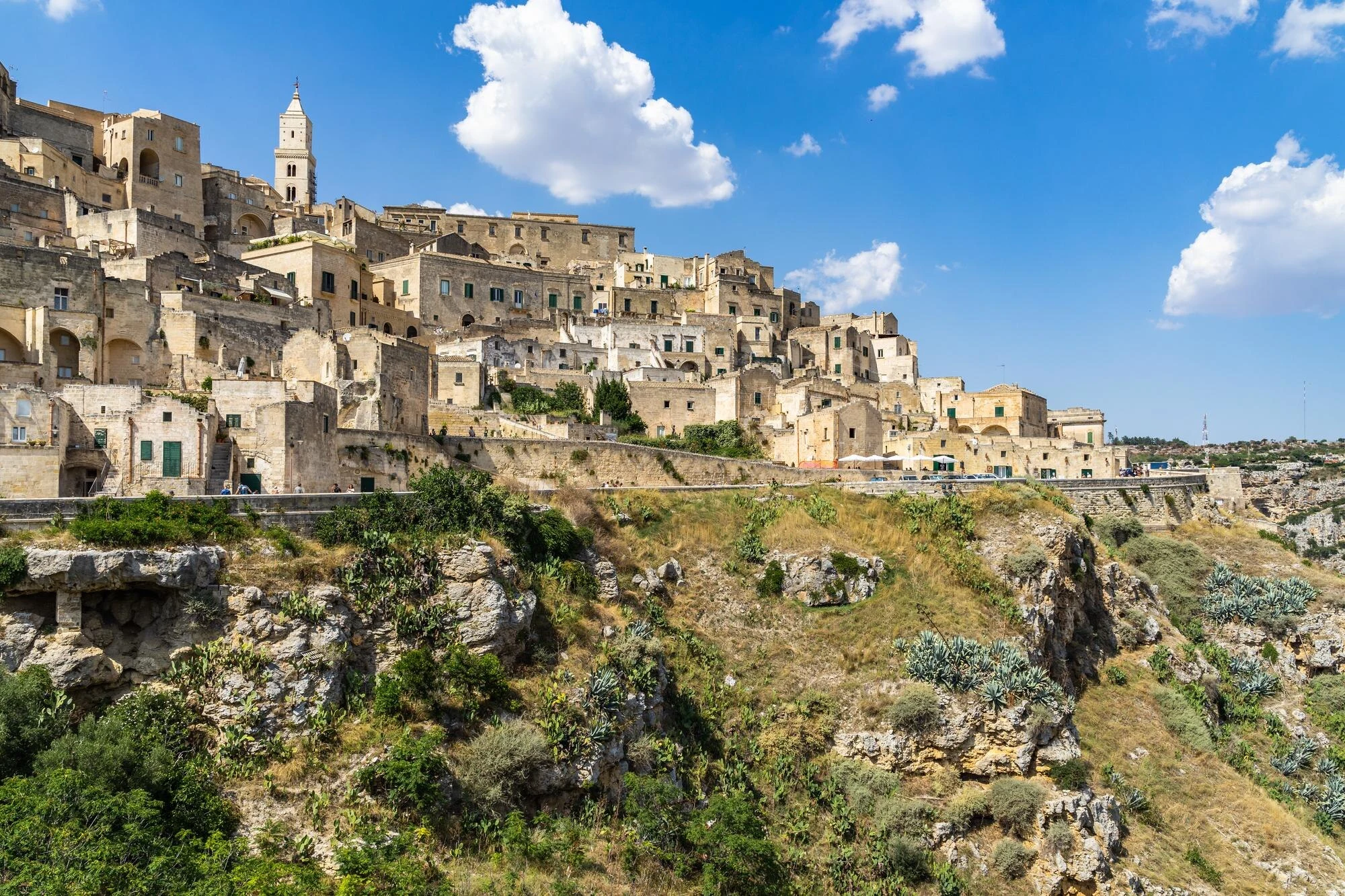 Culture
The Sassi are not a single postcard, nor is the Murgia an added viewpoint. This three-area guide helps you decide how far to walk, which history to read and when to skip the canyon so you can experience Matera with greater attention.
Read guide →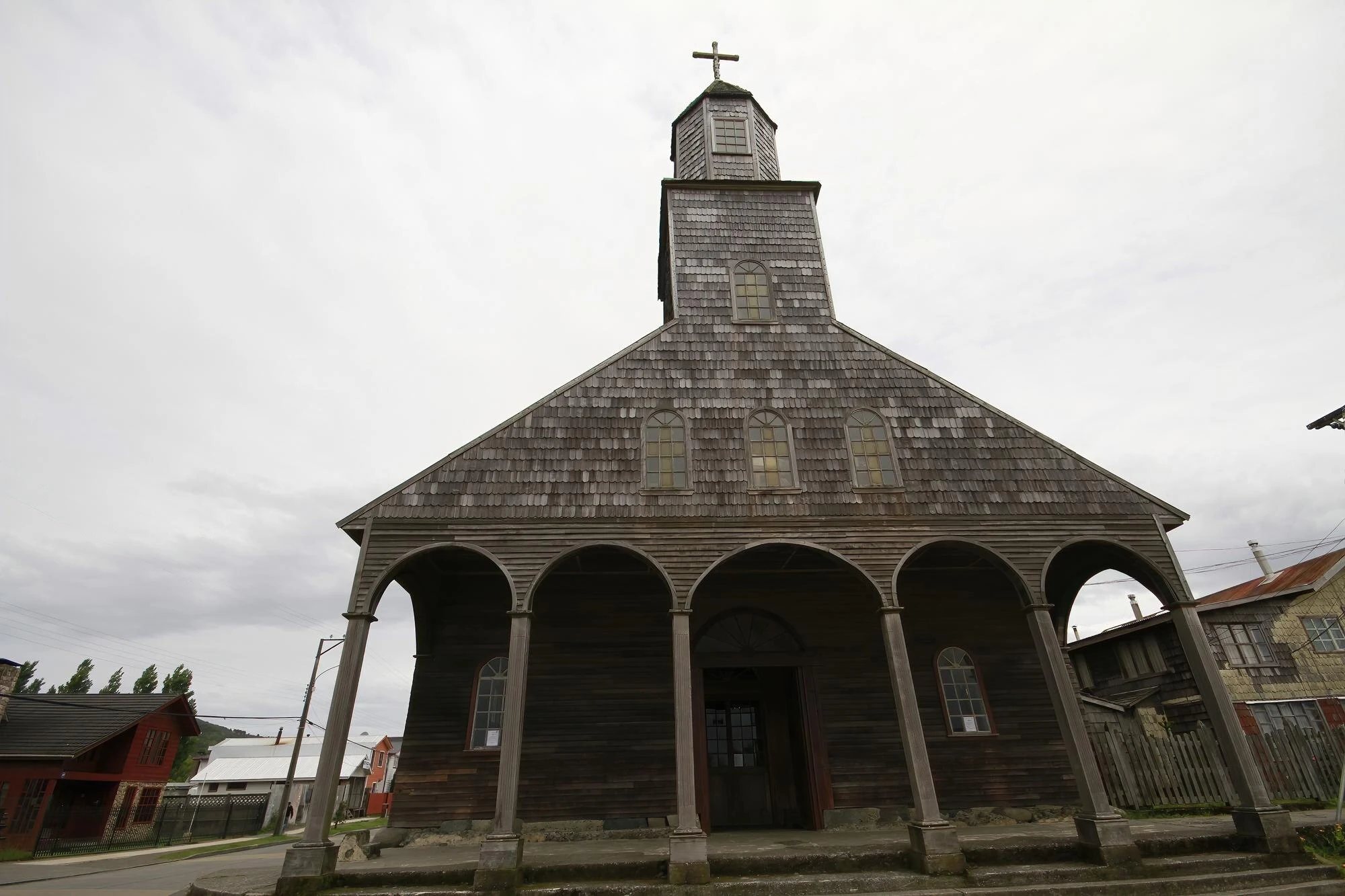 Culture
The Churches of Chiloé are a serial site: their meaning lies in the relationship between community, navigation, wood and worship—not in completing a map. This guide offers three route decisions to see fewer churches, understand more and avoid depending on whether a door happens to be open.
Read guide →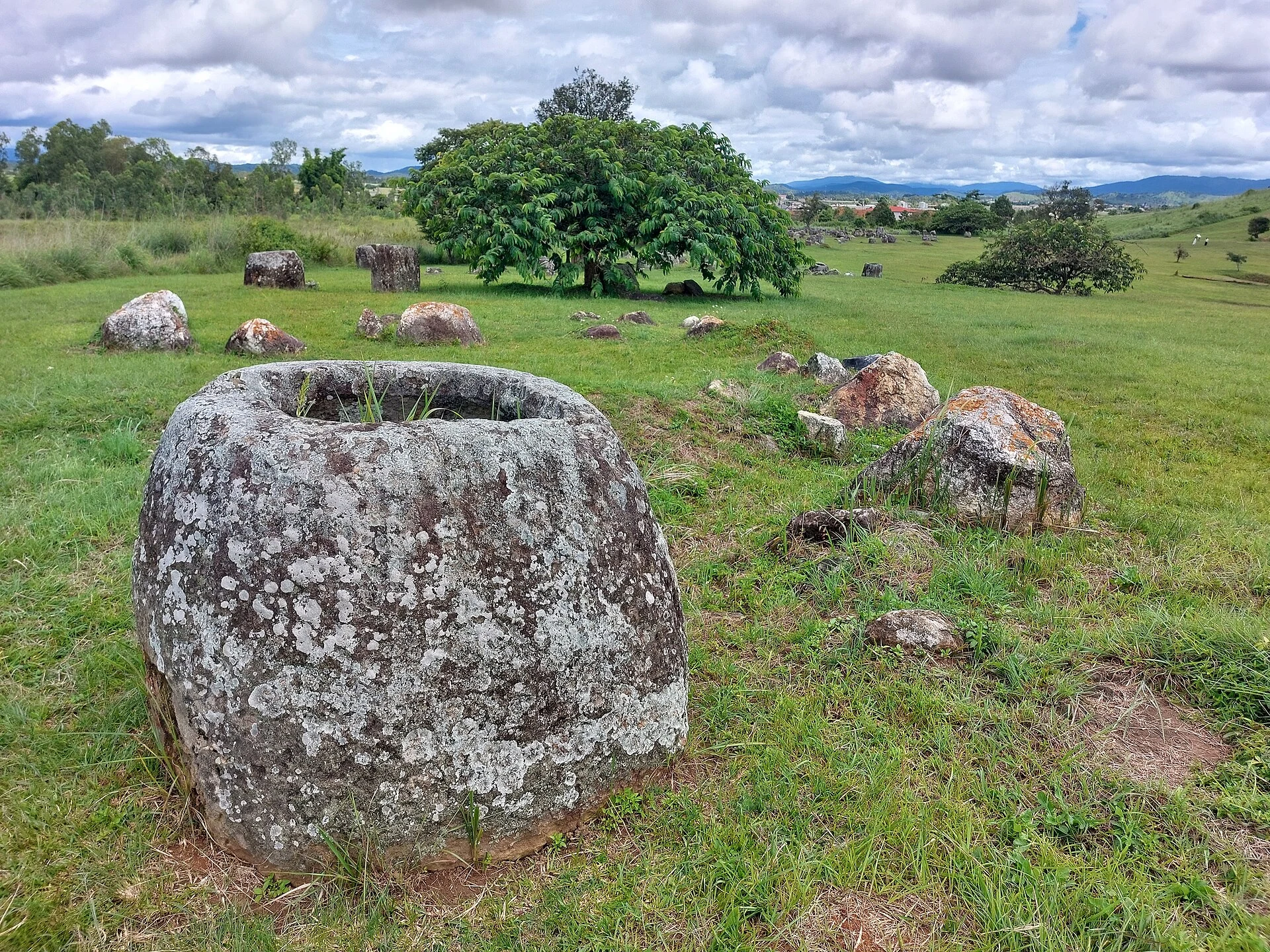 Culture
The jars are not something you take in all at once: Site 1 provides scale and context, while Sites 2 and 3 offer landscape and contrast. The important decision, however, is not how many sites to add, but recognising that marked routes are an essential part of a responsible visit.
Read guide →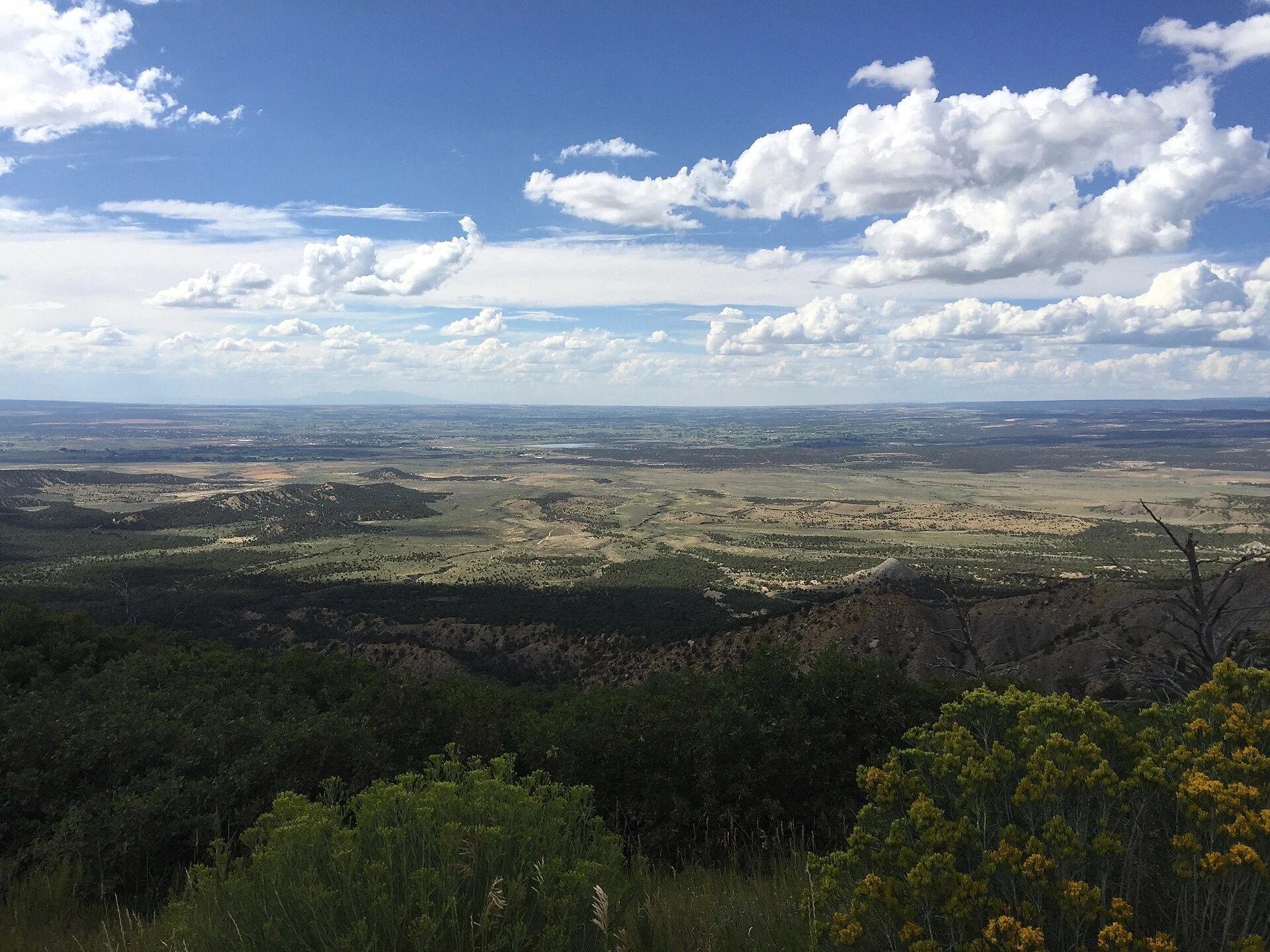 Culture
The useful question at Mesa Verde is not which viewpoint photographs a cliff dwelling best, but which part of the landscape you want to understand: mesa-top villages, a close-up guided visit, or a slow day on foot and by bicycle. Each option calls for different amounts of time, physical ability and expectations.
Read guide →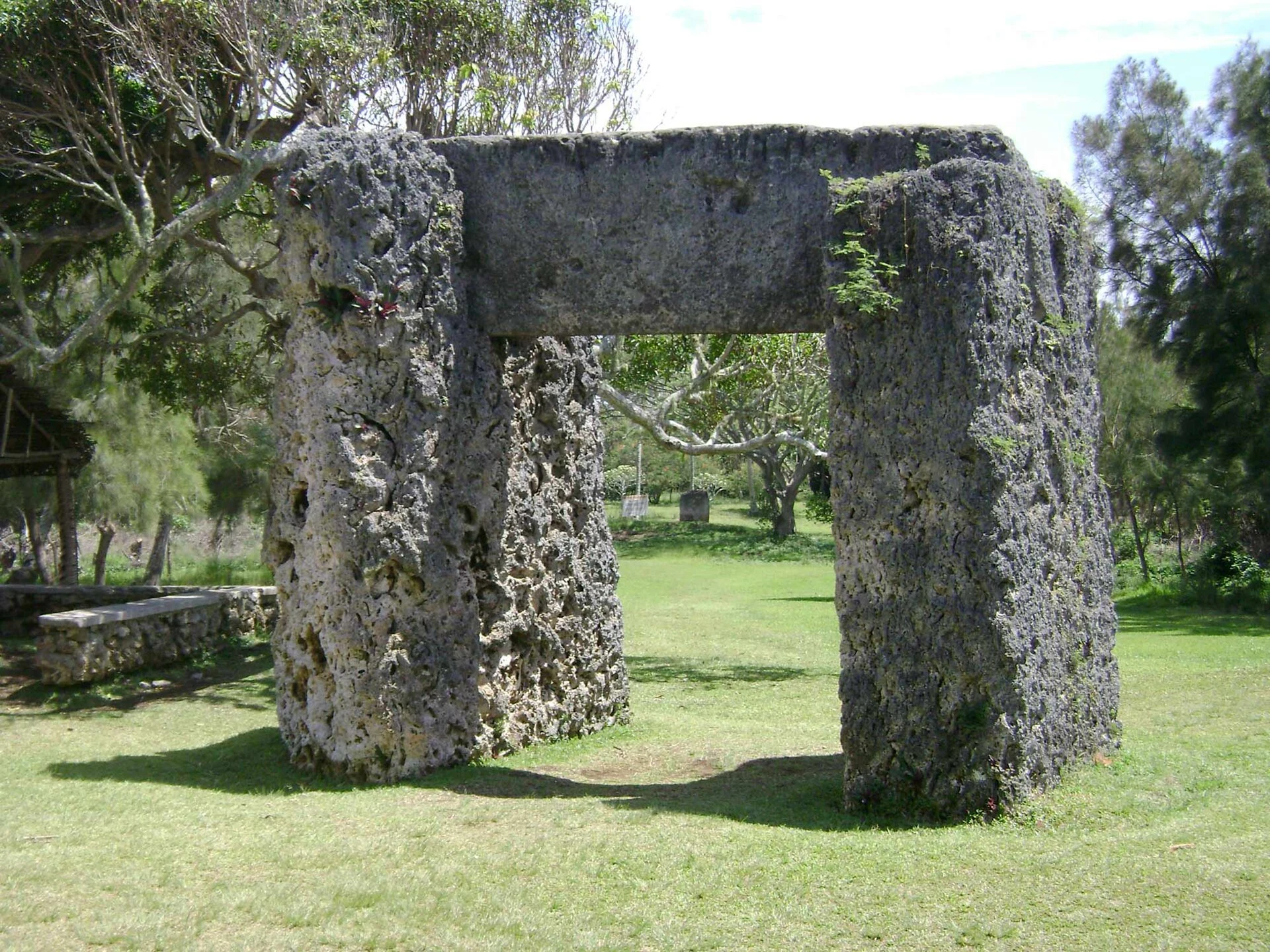 Culture
Ha’amonga ‘a Maui and the langi of Lapaha are not two isolated monuments or a Tongan version of an archaeological park. This short route through eastern Tongatapu helps you decide when seeing the trilithon is enough, why it is worth continuing to Muʻa, and how to visit a landscape of authority, genealogy and memory that still has meaning locally.
Read guide →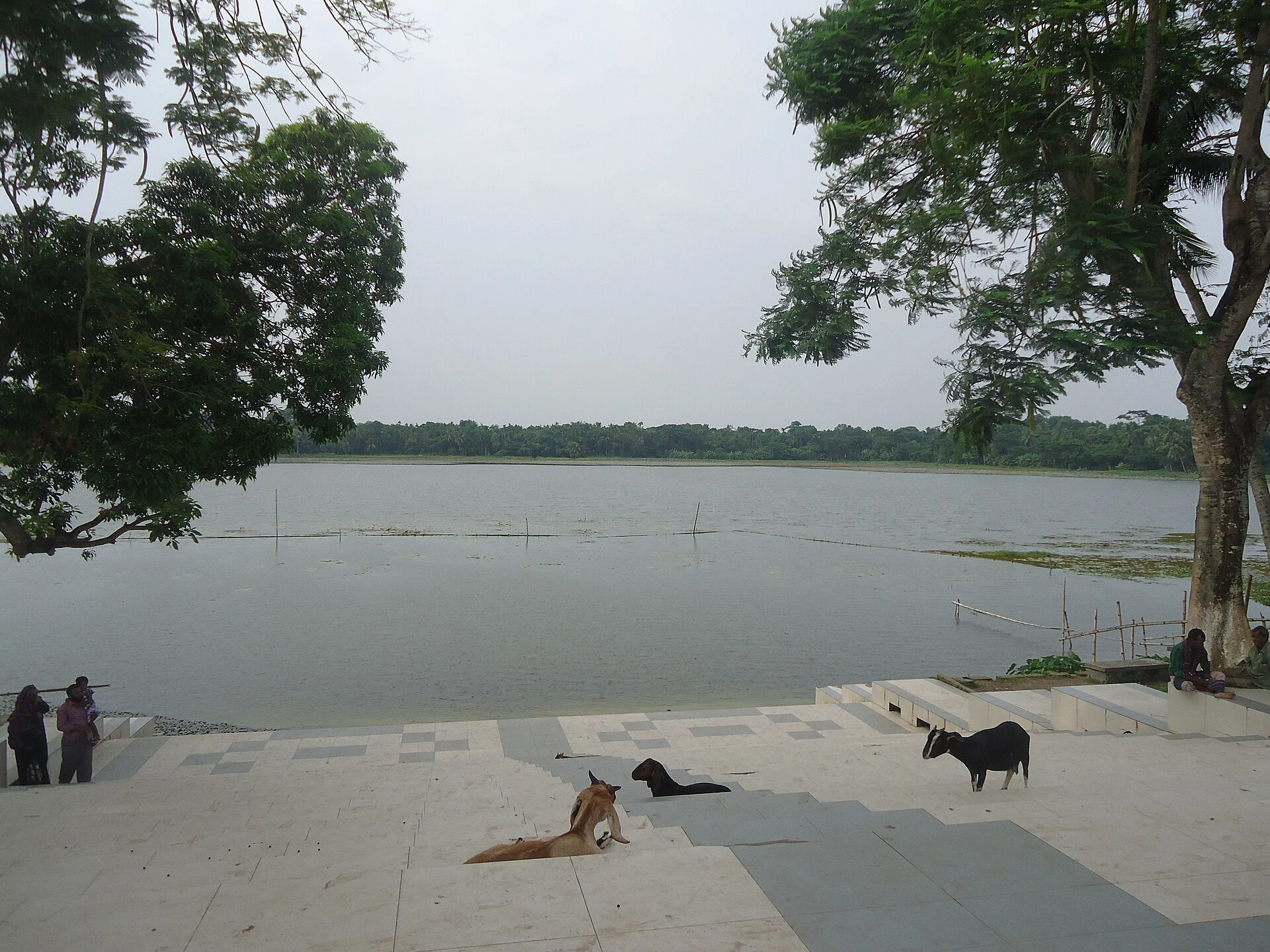 Culture
Historic Khalifatabad is not a single mosque or a site that can be covered on foot in one sweep. This guide helps you decide which part of Bagerhat to prioritise, how to connect separate sites and how to visit a living religious landscape without reducing it to a checklist of domes.
Read guide →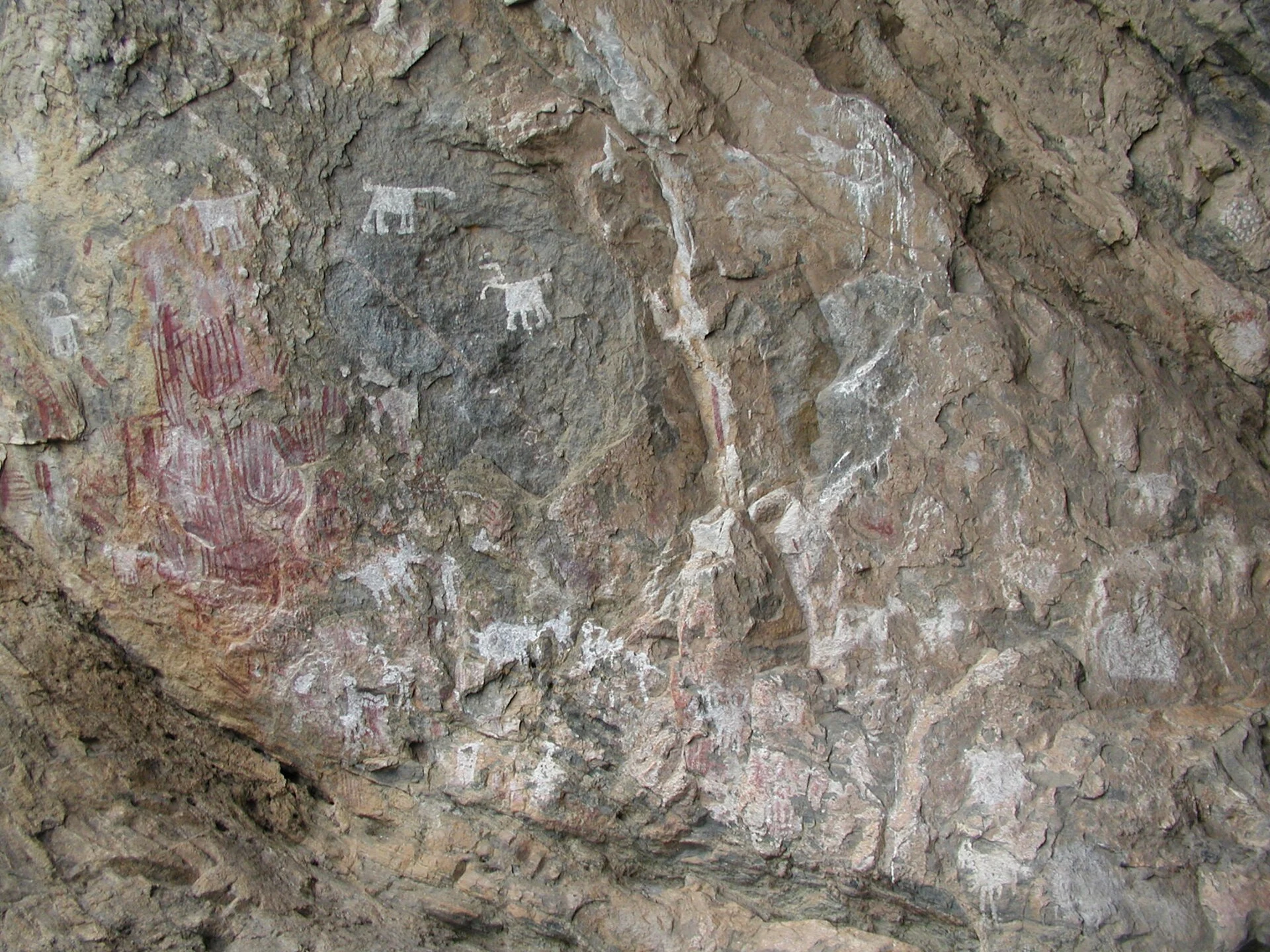 Culture
At Chongoni, the best plan is not to collect rock shelters. It is to choose a feasible visit, go with a guide and accept that a ceremonial landscape is not always available to visitors.
Read guide →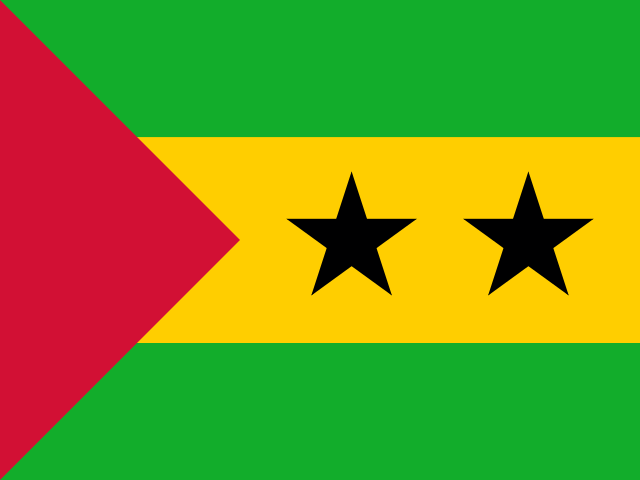 São Tomé and Príncipe
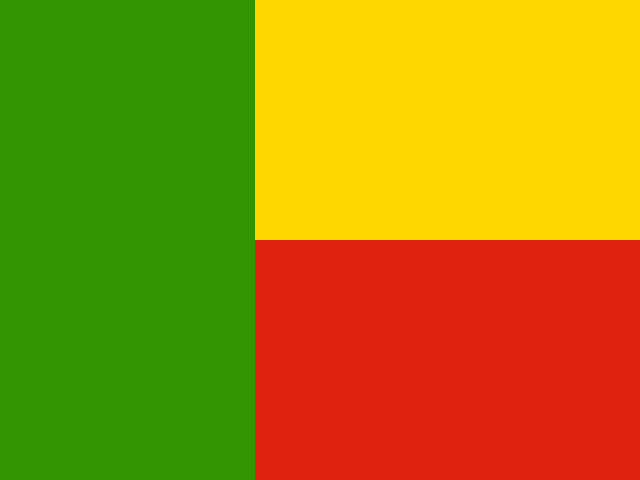 Benin
Benin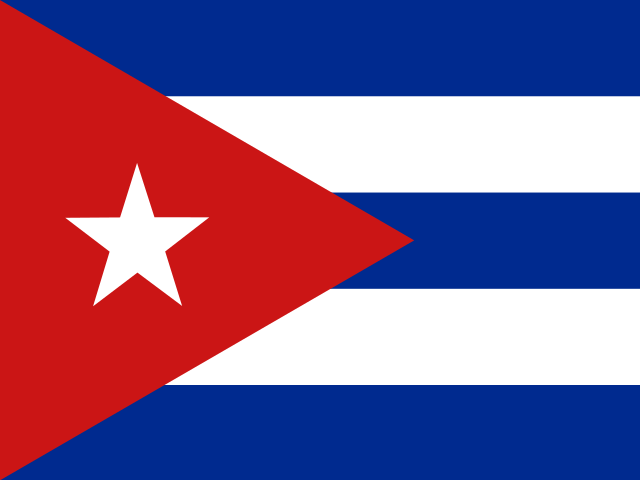 Cuba
Cuba Saudi Arabia
 Italy
Italy Chile
Chile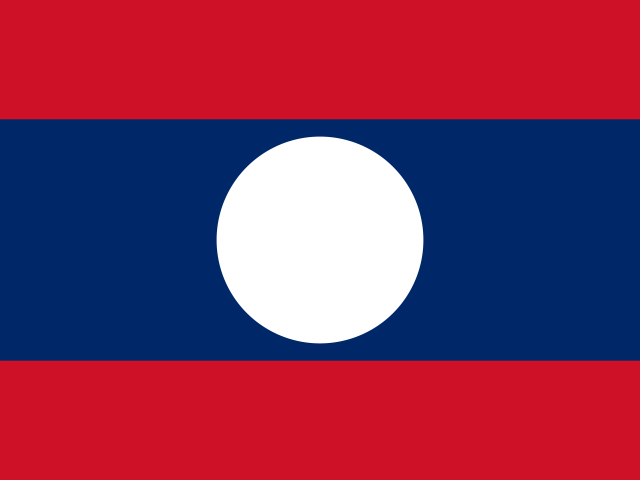 Laos
Laos United States
 Tonga
Tonga Bangladesh
 Malawi