Ouidah is best understood not by seeing more stops, but by keeping experiences that call for different rhythms and attitudes separate: the memory of the slave trade, living vodun practice and the coastline. Here is how to shape a more attentive—and less intrusive—visit over one or two days.
Ouidah is often reduced to an image of the Door of No Return or a quick visit to the Python Temple. That formula fails because it compresses a complex city into symbols that do not serve the same purpose. The Slave Route brings together sites of memory connected to the transatlantic slave trade; vodun sanctuaries are places of living practice; and the coast is another landscape, not a light-hearted ending to a painful story. The useful decision before you go is to set aside time for each layer separately. The marked route between Place Chacha and Djègbadji is around 3 km, but it forms part of a broader heritage complex, with sites also spread across other parts of Benin.
Visual context for BeninContext video selected for this guide; it does not by itself identify every place mentioned.Video by mataki klimtetou · Pexels · Pexels License · Duration: 00:13
♫
Listen to Benin
A documented soundscape that complements this guide to Benin. Ouidah is best understood not by seeing more stops, but by keeping experiences that call for different rhythms and attitudes separate: the memory of the slave trade, living vodun practice and the coastline. Here is how to shape a more attentive—and less intrusive—visit over one or two days.
Cultural or ambient audio selected as context; it does not necessarily represent every place mentioned. Audio by Komavo · Wikimedia Commons · CC BY-SA 4.0 · Duration: 01:3101
First, decide what you are looking for: a memorial route or an introduction to the city
If you have only a few hours, prioritise the historic urban axis: Place Chacha, the area around the former Portuguese fort and the interpretation points available that day. Do not treat it as a search for the “final photo” on the coast. Benin’s tentative UNESCO nomination identifies a network of sites in Ouidah—the auction square, Portuguese fort, Zoungbodji and the Djègbadji landing place—connected with the deportation and embarkation of enslaved people. This is a history that requires context, pauses and precise language, not a re-enactment or a circuit of sensations.
The Portuguese Fort and its museum facilities have undergone rehabilitation and institutional transformation projects. So, before building your day around a particular exhibition, check the official local information to see which spaces are open, what interpretation is available and which access rules are currently in force.
Walk the Slave Route as a place of mourning, not as a beach activity
The Slave Route can be walked if the heat and your mobility allow it; the Beninese government describes it as an itinerary of about 3 km from Place aux Enchères to the Door of No Return, with memorials and intermediate stops. The route makes sense if you accept that some landmarks are memorials and contemporary interpretations of a larger history, not equivalent remains or a succession of “attractions”.
A good practice is to start early, hire local interpretation when available and leave time for conversation and rest. Avoid theatrical poses, celebratory videos or fashion shoots at commemorative monuments. If you are travelling with children, or if the emotional weight of the subject is difficult for you, shorten the route and choose a single interpretation point rather than forcing yourself through the entire itinerary. The quality of the visit is not measured by reaching the gate, but by understanding why it is there.
03
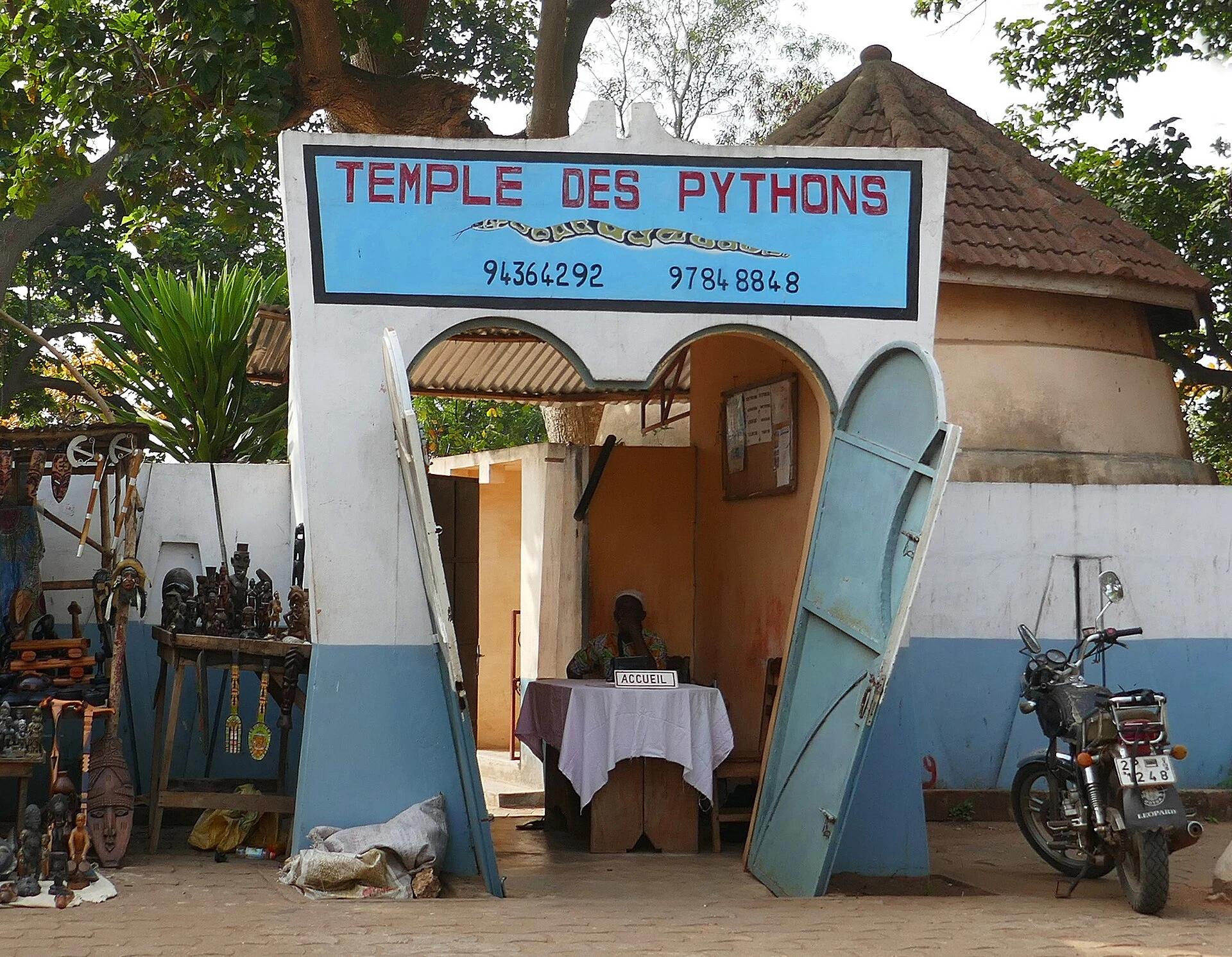
The Python Temple calls for a different approach—and is not an extension of the route
The Python Temple is an active vodun sanctuary, not an exotic appendix to the story of slavery. Benin’s official tourism portal says that visits take place with a guide and that the site continues to host ceremonies, rites and beliefs. UNESCO, for its part, describes vodun as a set of beliefs, social practices, rituals and ways of life whose transmission and safeguarding involve local communities.
The responsible decision is simple: enter only if you are interested in listening to the guide’s explanation and following the sanctuary’s conditions. Ask before photographing, filming, touching objects or approaching the pythons; paying for access does not amount to cultural permission for everything. Do not treat a ceremony as a show scheduled for visitors. Confirm opening hours, fees, image rules and any restrictions during celebrations directly with the official source: these details may change.
04
The coast works best as a separate second half
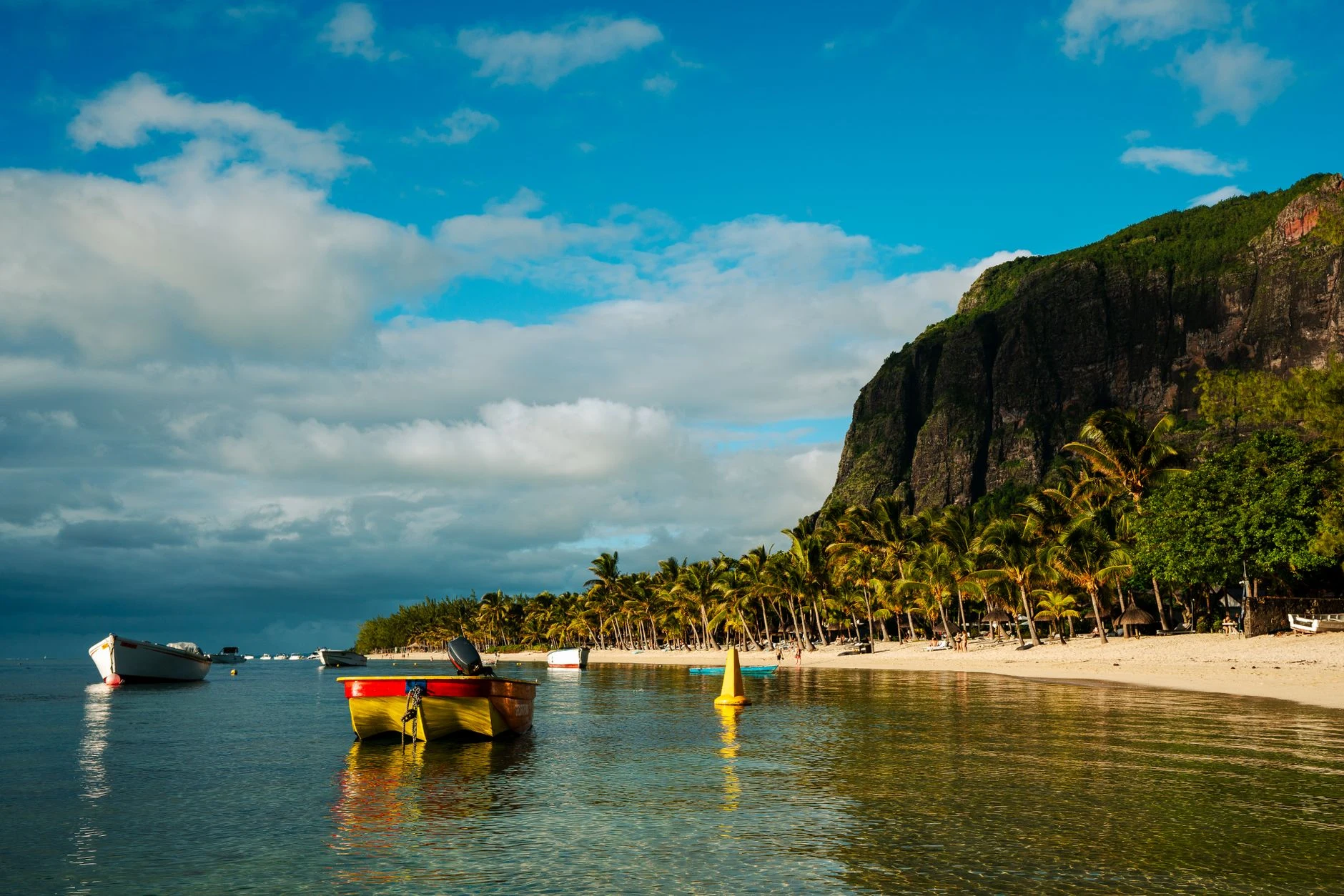
The Door of No Return is in Djègbadji, along the coastal strip; the Beninese administration also places the Route des Pêches between Cotonou and this part of Ouidah. That makes it tempting to combine memorial, coastal road and beach into one narrative. It is better to keep them separate: finish the memorial route, eat and rest, and only then decide whether you want to take in the coastal landscape or continue along the Route des Pêches.
Do not assume bathing conditions, lifeguard cover, return transport or access across sand and walkways. Check access conditions and local circumstances on the same day, especially if you rely on a driver, have reduced mobility or need to return to Cotonou before nightfall. The coast can provide a useful spatial counterpoint, but it does not need to turn mourning into a quick-consumption sunset.
05
A realistic plan: one long day or two half-days
With one day, spend the morning in the city and on the Slave Route; schedule the Python Temple for the afternoon only if you arrive with the energy and willingness for a respectful guided visit. With two half-days, leave the route and museum for one, and the temple plus a stretch of coast for the other. This second option reduces the urge to tick everything off and allows Ouidah’s three registers to stand apart rather than compete.
For travellers from the United States, the State Department maintains a general recommendation to exercise increased caution in Benin and identifies specific border areas with a higher level of risk. Ouidah is in the south, but that does not replace checking travel advisories, entry requirements, health information and transport arrangements before departure. Consult the most recent official advisory for your nationality, as this information is time-sensitive.
Sources and checks
References consulted during editorial review. Times, requirements and advisories may change: always confirm with the official source.