Ethiopia · Living heritage
Harar Jugol’s Homes, Mosques and Travel Conditions
In Harar Jugol, the useful question is not how many mosques or alleyways you can tick off, but which urban relationships you want to understand: the threshold of a Harari home, the medina’s commercial life and the boundaries of an inhabited religious city. The celebrated nighttime encounter with hyenas can be optional—and should not shape the entire visit.
Conditions described in the guide: confirm current requirements and access with the official source before travelling.
Harar Jugol is a historic fortified city in eastern Ethiopia, inscribed by UNESCO in 2006. Its walls were built between the thirteenth and sixteenth centuries; within that perimeter, a living urban fabric of religious spaces, commerce, Harari homes and houses influenced by India still exists. UNESCO records 82 mosques and 102 shrines, but these figures are not an itinerary: they help explain why a short visit gains depth when it focuses on two or three layers of the city rather than pursuing a collection of doorways and photographs.
First decide whether the trip is viable; then work out how to get there
Harar warrants a context check before you book. As of 1 April 2026, the United States Department of State maintained a recommendation to “reconsider travel” to Ethiopia because of risks including civil unrest, crime, kidnapping, terrorism and possible communications disruptions; the UK FCDO also maintains regional warnings and notes that no route or journey can be considered guaranteed safe. These assessments change: review them on the day you decide, together with the guidance for your nationality, insurer and local contacts.
The national tourism promotion office identifies Dire Dawa as the main air gateway, about 52 km by road from Harar, and notes air connections between Addis Ababa and Dire Dawa. It is a reasonable alternative to consider instead of the long overland journey from Addis Ababa, but it is not a guarantee of safety or punctuality: confirm the current schedule with the airline and the overland transfer with reliable accommodation or a trusted local contact.
Choose two lenses, not a list of monuments
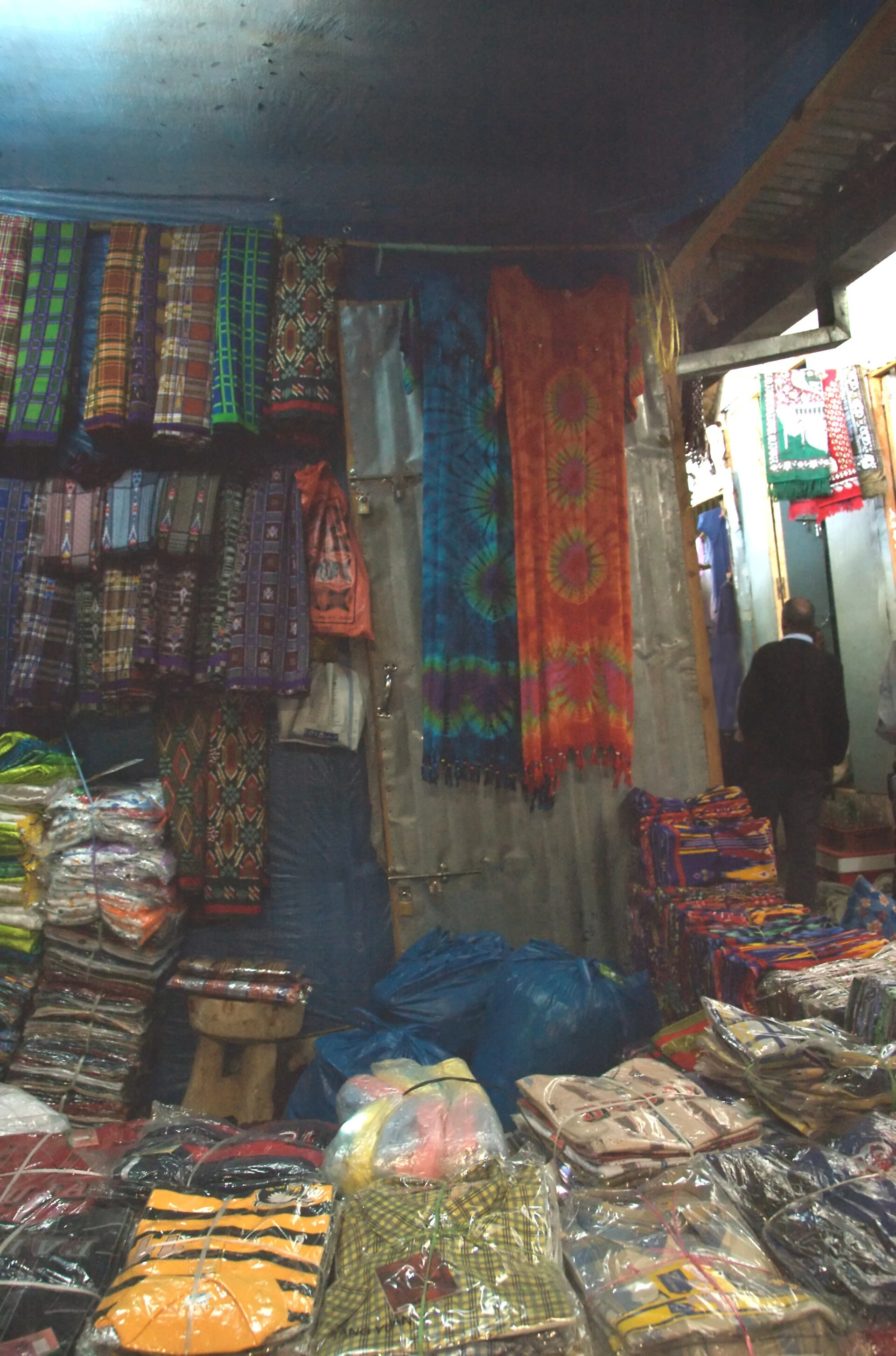
The first lens is the city as a fabric of everyday use. Enter slowly through one of the historic gates, walk without a rigid route and let the shifts between alleyway, small shop, square and façade shape the day. Jugol’s importance lies not only in its walls: UNESCO specifically highlights the continuity of its urban structure, its Harari traditions and the relationship between the social, symbolic and practical elements of the settlement.
The second lens is the houses. Traditional Harari homes, merchant houses influenced by India and hybrid forms explain the city better than a succession of exteriors. UNESCO considers the domestic interiors particularly significant and notes that inappropriate building alterations can affect the authenticity of the site as a whole. If you visit a house museum or community centre, use it to learn how to look—at layout, objects, hospitality and craft work—not as permission to treat inhabited homes as scenery. The regional tourism office identifies a Cultural Heritage and Tourism Bureau; ask there, or through an accredited local guide, for up-to-date guidance on cultural visits and permissions.
Mosques and shrines do not guarantee access to their interiors
Harar is a historic Muslim and religious centre, not an open-air museum. UNESCO documents dozens of mosques and shrines within Jugol, some very old, but their significance does not make every space open to everyone or available for photography at any hour.
The practical rule is simple: view buildings from the outside when there is no clear invitation; ask before entering, taking photographs or approaching during prayer; dress discreetly; and accept a no without arguing. A Harari guide can provide context and, above all, prevent visitors from confusing individual hospitality with permanent tourist access. For a short stay, it is better to get to know one part of the medina and one cultural institution well than to try to “cover” every mosque.
Rimbaud is a documentary layer, not the centre of Harar
The so-called Rimbaud House can help place the French poet’s commercial and documentary period in the city, but Harar should not be turned into an appendix to his biography. The international association dedicated to his memory warns that the building open to visitors cannot be identified with certainty as the house where he lived: the actual residence was demolished, and the current building’s direct connection has not been proven. UNESCO itself describes the restored building as a cultural centre. Read it, therefore, as a merchant house in the neighbourhood and an archive about a historical connection—not as the main explanation for a Harari city that existed both before and after Rimbaud.
The nighttime hyena visit should be a separate decision
The official tourism promotion body mentions two hyena feeding points at dusk, outside specific city gates. It is a known practice, but it does not sum up Harar and is not necessary to understand it.
If you decide to attend, do not feed the animals yourself, use flash, block the way or pressure anyone for a closer interaction. Observe from the distance indicated by those responsible and leave if the situation appears to be stressing the animals or turning residents and workers into props. If you would rather not go, use the time for a quiet dinner, a conversation with your host or an early walk the next day: opting out does not make the visit incomplete.
A pace that fits into two days—and acknowledges its limits
Set aside the first day to orient yourself on foot through Jugol, the market and the façades, without pursuing religious interiors. Spend the second on a house or museum whose opening you have confirmed locally, observing crafts and returning through an area you already recognise. The maze of narrow lanes and uneven paving can make the experience demanding for people with reduced mobility, pushchairs or wheeled luggage; do not assume an accessible route or support services without checking in advance with your accommodation and the regional bureau.
Do not publish people’s real-time locations without consent, ask before photographing traders, and do not fly drones or bring restricted equipment without prior permits: Ethiopian rules on drones, satellite phones and other equipment may lead to confiscation if authorisation is missing. Also verify through official channels the visa, health and entry requirements specifically applicable to your passport; these are not details to settle with a destination guide.
References consulted during editorial review. Times, requirements and advisories may change: always confirm with the official source.
- https://whc.unesco.org/en/list/1189whc.unesco.org
- https://whc.unesco.org/en/list/1189/whc.unesco.org
- https://whc.unesco.org/en/list/1189/documents/whc.unesco.org
- https://whc.unesco.org/en/activities/158/whc.unesco.org
- https://whc.unesco.org/en/statesparties/etwhc.unesco.org
- https://whc.unesco.org/en/documents/133093whc.unesco.org
- https://whc.unesco.org/document/151989whc.unesco.org
- https://whc.unesco.org/en/decisions/484/whc.unesco.org
- EtiopíaWikidata · CC0 1.0 · Wikidata · Q115
- EtiopíaWikidata · CC0 1.0 · Wikidata · Q20136258
- EthiopiaWorld Bank Open Data · CC BY 4.0 · World Bank
- EthiopiaDBpedia · CC BY-SA 3.0 · DBpedia
- Pueblos sin historia: Identidad cultural y desarrollo en el oeste de EtiopíaOpenAlex · CC0 1.0 · OpenAlex