Israel · Akko (Acre)
Akko’s Port History and What to Check Before Visiting
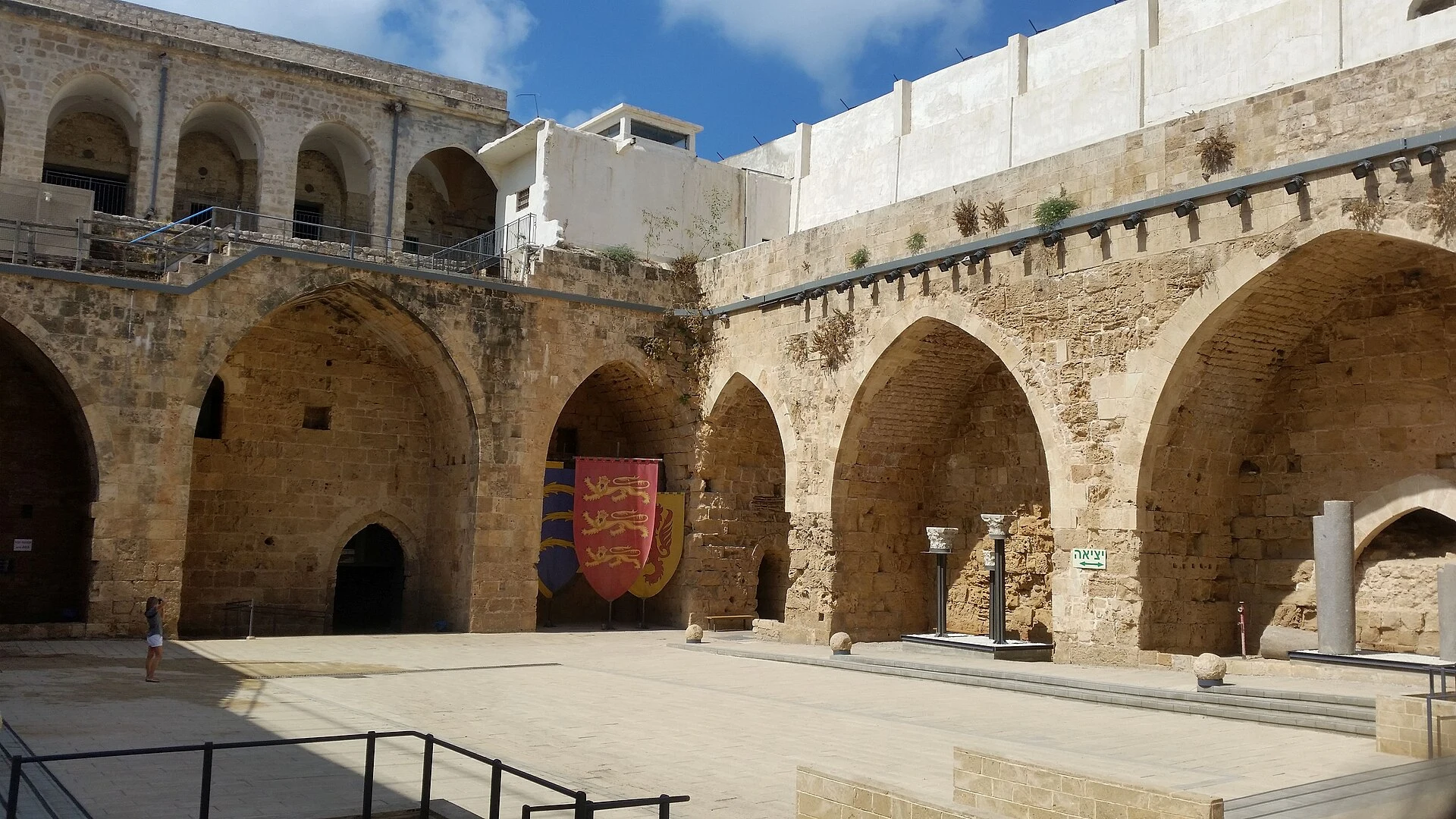
In Akko, the vaulted Hospitaller hall is only one layer. A more perceptive visit brings together the Crusader underground, the inhabited Ottoman streets and the seafront, without treating a living city like a medieval theme park.
Akko—known as Acre in UNESCO’s designation—rewards visitors less for collecting tickets than for understanding how its different eras are stacked. Beneath much of today’s city, structures from the Crusader period survive; above them, the walled port city of the eighteenth and nineteenth centuries preserves mosques, khans, bathhouses, shops and homes. UNESCO also stresses that conservation must support a living city and the conditions of its residents, not just its monuments.
The useful question is not “How can I see everything?” but “Which layer do I need to see slowly?” Set aside a long half-day for three gestures: an underground space, a stretch of street-level city and a pause by the sea. If time, mobility or local conditions require you to cut back, sacrifice attractions—not time spent walking without a fixed itinerary through commercial and residential streets.
Listen to Israel
A documented soundscape that complements this guide to Israel. In Akko, the vaulted Hospitaller hall is only one layer. A more perceptive visit brings together the Crusader underground, the inhabited Ottoman streets and the seafront, without treating a living city like a medieval theme park.
Audio by Traditional melody · Wikimedia Commons · CC BY-SA 3.0 · Duration: 03:01
First, decide whether this is a trip to take now
This guide is not a recommendation to travel at any particular time. At the time of consultation on 5 September 2026, the US advisory for Israel was at level 3, “reconsider travel”, because of unrest and terrorism; security conditions, flights, access and opening times can change quickly. Before buying tickets, check your country’s official advisory, local instructions, your airline and the status of the Old Akko sites. Official visitor information advises following alerts and, in the event of a siren, immediately making your way to a protected space; it also publishes emergency telephone numbers.
If you are eligible to enter without a visa, Israel requires an ETA-IL before arrival from 1 January 2025; eligibility, document requirements and authorisation must be checked with the government source before booking.
Read Akko at three levels, not as a “knights’” circuit
1. Underground: choose one piece of service architecture. The Knights’ Halls help explain that the Hospitaller complex was not an isolated romantic image, but infrastructure with a courtyard, water, circulation, accommodation and care facilities. It is the best choice if you want to understand urban organisation rather than just vaults. The site has an audio guide in Spanish; wheelchair access excludes the escape tunnel and the Prisoners’ Hall.
2. At street level: let the Ottoman city challenge the underground. Then walk without turning every corner into a stop: notice how lanes, markets, courtyards, places of worship and domestic façades form a later city built over, beside and sometimes with materials from earlier layers. Akko’s heritage significance lies precisely in this coexistence between Crusader remains and an Ottoman port city, not in freezing a single historical period.
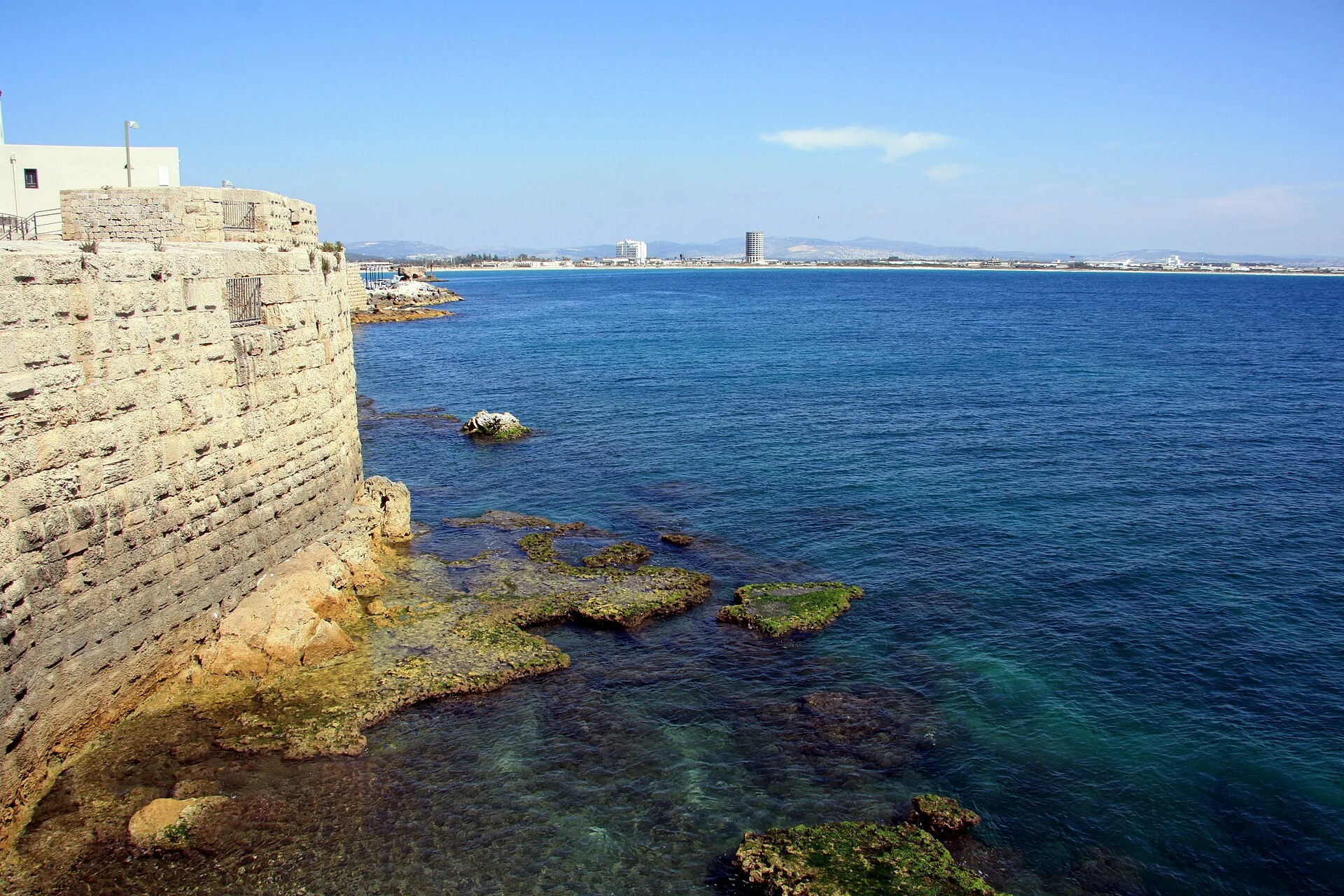
3. At the edge: finish at the walls and harbour. The seafront makes Akko’s purpose legible: port, defence and connection. You do not need to add a cruise to get the view; walking along the edge helps relate the sea to the warehouses, gates and compact scale of the peninsula. The official Walls Route places this maritime front at the heart of the city’s story.
What to choose when you cannot fit everything in
With around three or four hours, visit the Knights’ Halls, cross the urban fabric slowly towards the harbour and finish at the walls. It is a coherent sequence and leaves room to eat, rest or talk without rushing.
With more time and a good tolerance for narrow spaces, add the Templars’ Tunnel: it is about 150 metres long and connected the Templar fortress sector with the harbour. It is useful for understanding the relationship between power and maritime departure, but it does not replace walking through the present-day city.
With reduced mobility or claustrophobia, prioritise the Knights’ Halls and the outdoor routes. The managing organisation reports that the tunnel is temporarily inaccessible and that its lift is out of service; coordinate the accessible route before you go, as these conditions may change.
The logistics that prevent a frustrating visit
Do not build your day around a memorised closing time. The official website publishes seasonal opening hours, warns of changes during festivals and holidays, and notes that the ticket office closes before the sites; confirm opening times, availability and what the combined ticket includes on the same day. That ticket does not necessarily cover every attraction in the city, including Al-Jazzar Mosque and the Underground Prisoners Museum.
For orientation and accessibility adjustments, the visitor centre is next to the Knights’ Halls, and the managing organisation recommends contacting it in advance to coordinate routes. Do not assume that a historic street, threshold or passage will be as easy to navigate as a museum site.
A responsible way to be in an inhabited city
Akko does not need you to tour it as a Crusader backdrop or a checklist of religious icons. Name the periods accurately—Crusader, Mamluk, Ottoman and contemporary—respect the rhythms of shops, homes and places of worship, and avoid photographing residents as though they were part of the scenery. Buying a meal or local service may be a more proportionate way to spend time than stringing together paid experiences, but it does not by itself make a visit “sustainable”.
The simplest antidote to haste is to leave one stretch without a recorded narration. In Akko, the value lies in noticing that the underground hospital, souk, quay and inhabited house are not separate chapters, but parts of the same port city that continues to change.
References consulted during editorial review. Times, requirements and advisories may change: always confirm with the official source.
- https://whc.unesco.org/en/list/1042/whc.unesco.org
- https://whc.unesco.org/en/list/1042/documents/whc.unesco.org
- https://whc.unesco.org/uploads/nominations/1042.pdfwhc.unesco.org
- https://whc.unesco.org/en/listwhc.unesco.org
- https://whc.unesco.org/document/1296whc.unesco.org
- https://www.akko.org.il/en/accessibility/www.akko.org.il
- https://whc.unesco.org/document/164227whc.unesco.org
- https://whc.unesco.org/en/list/148whc.unesco.org
- IsraelWikidata · CC0 1.0 · Wikidata · Q801
- IsraelWikidata · CC0 1.0 · Wikidata · Q19819746
- IsraelWikidata · CC0 1.0 · Wikidata · Q58217414
- IsraelWorld Bank Open Data · CC BY 4.0 · World Bank
- IsraelDBpedia · CC BY-SA 3.0 · DBpedia