Eritrea · Urban heritage
Asmara’s Modern Heritage and What to Check Before Travelling
In Asmara, the best visit is not about collecting rationalist façades, but about comparing streets, uses and neighbourhoods. First, however, there is one decisive practical question: whether entry requirements, connectivity and mobility conditions allow for a responsible trip.
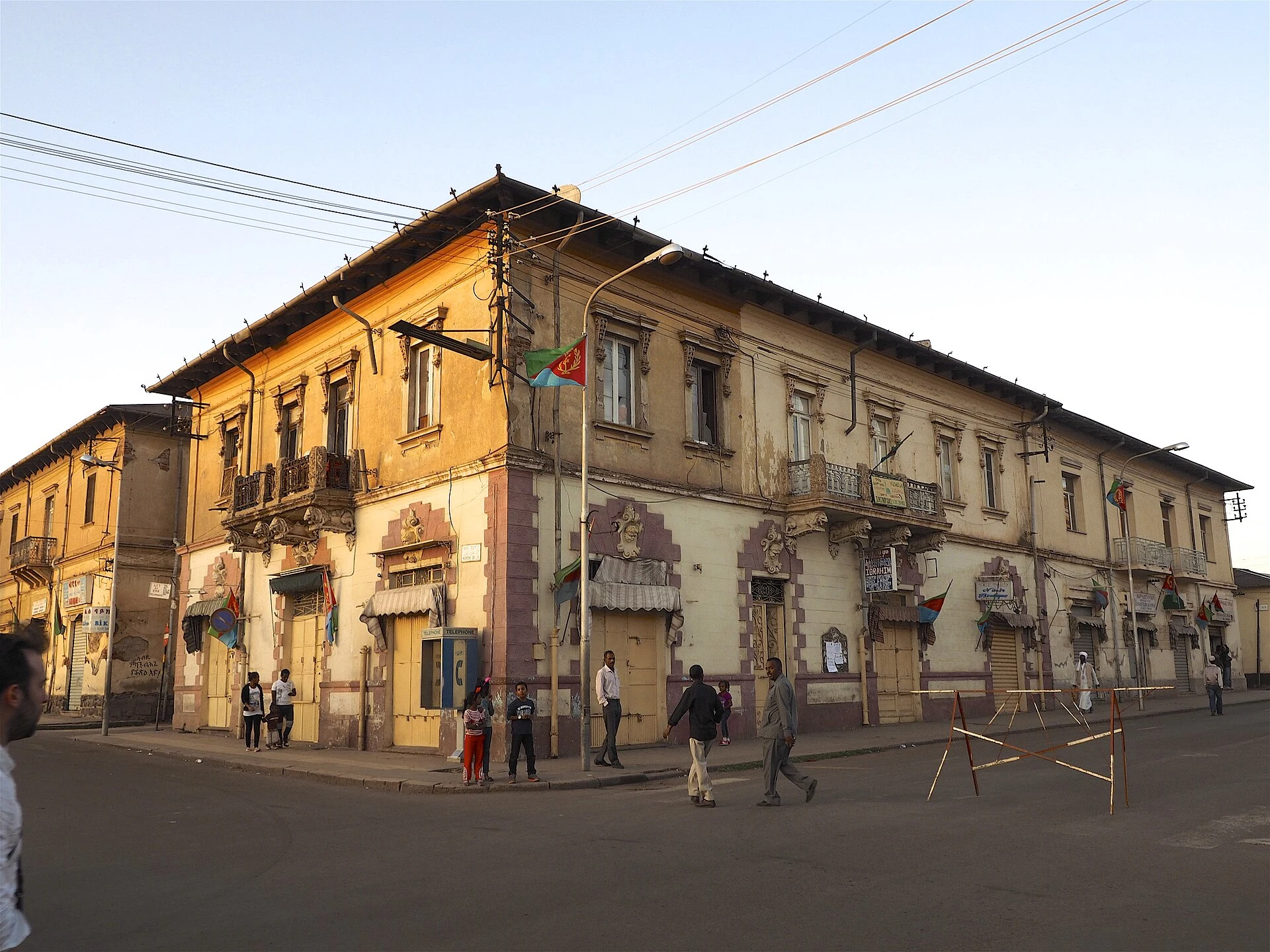
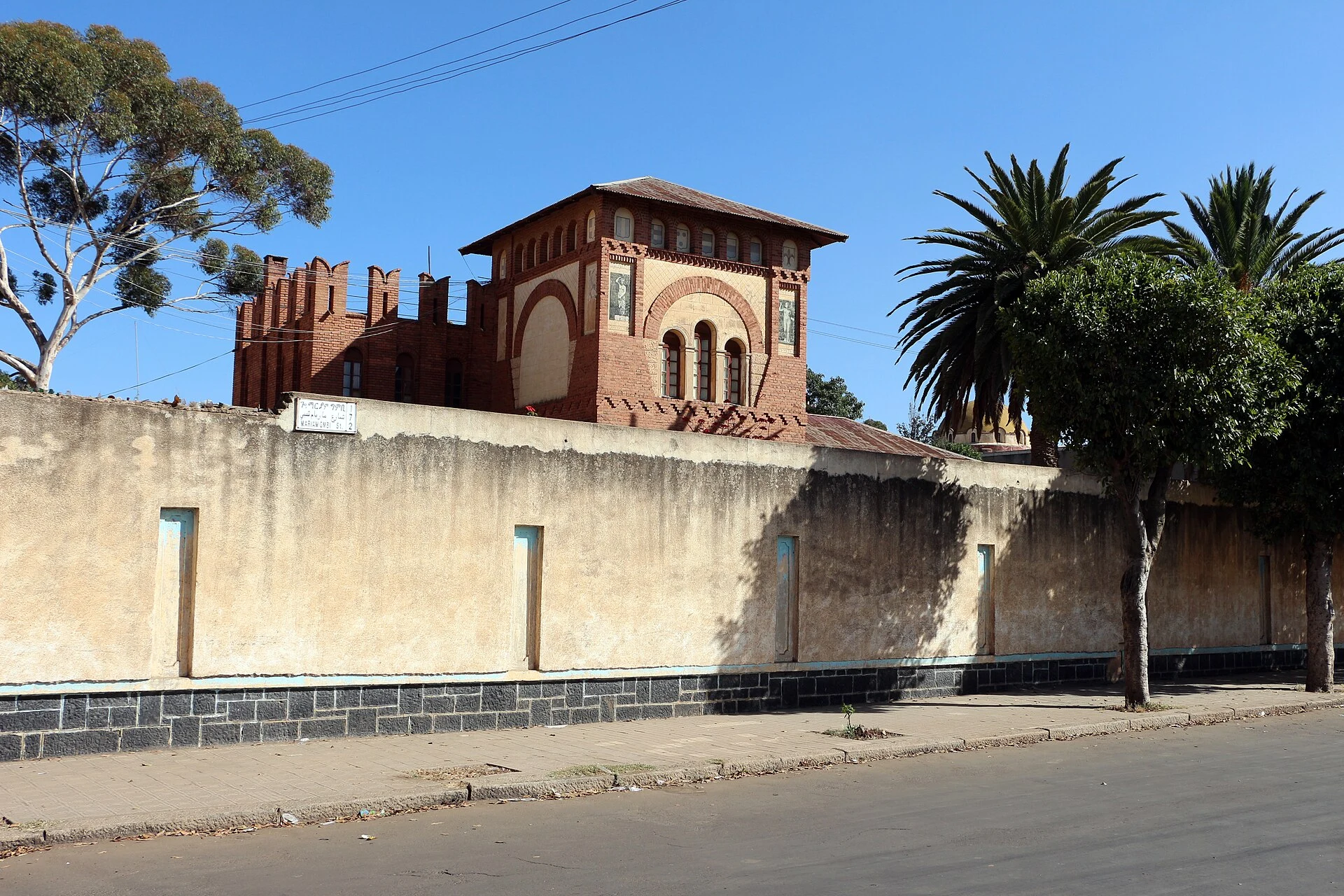
Asmara may draw visitors with its cinemas, tree-lined avenues and modern buildings from the 1930s and 1940s. But reducing it to an African version of Italian architecture would mean getting both its scale and its history wrong. UNESCO specifically recognises a city made up of its urban layout, public spaces, buildings, the neighbourhoods of Arbate Asmera and Abbashawel, and everyday practices; it also makes clear that this colonial planning imposed racial and functional segregation. The most respectful visit does not seek a nostalgic postcard. It examines how an Eritrean capital has incorporated, debated and preserved a complex material legacy.
There is an important preliminary filter. As of 31 August 2026, the British travel advice advises against all travel to a 25-kilometre-wide strip along Eritrea’s land borders and warns that the regional situation can change at short notice. Foreign visitors also need permits to travel outside Zoba Maekel province and for some places within the capital itself. If your visa, insurance, communications and flexible departure plan are not confirmed, the responsible decision is to postpone the trip, not improvise a route through Eritrea. Always check these conditions immediately before buying flights.
First decide whether Asmara can be a destination in its own right
Do not plan Asmara as a quick stop on the way to Massawa, Keren or the coast. For foreigners, leaving the capital area requires prior authorisation; applications may take several days and are not always approved. Restrictions on tourists’ use of public transport outside Asmara have also been reported. That makes a self-contained urban stay the most realistic option if you decide to travel.
What to check before booking: The Eritrean Embassy in Washington states that a tourist visa requires a passport valid for at least six months, an application, proof of funds and a minimum processing time of 15 business days; it stresses that requirements may change. Travellers with another passport should ask the relevant Eritrean embassy or consulate to confirm the procedure. Do not treat these details as a guarantee of admission.
The trade-off of concentrating on the capital is clear: you give up Eritrea’s geographical variety. In return, you have more room to walk slowly, handle unexpected problems and avoid forcing permits or journeys that the situation does not allow.
Make three readings, not a list of icons
1. The planned city. Begin with Harnet and Sematat: observe the width of the streets, lines of trees, intersections, ground-floor shops and the relationship between buildings and pavements. Asmara’s heritage value lies in this continuous urban scale, not only in its futuristic or art deco architectural landmarks.
2. The institutional and multiconfessional city. Then look at how bell towers, minarets and religious spaces form part of the urban profile. Rather than automatically entering every place of worship, check at the time whether visits are permitted, respect worship hours and ask permission before photographing people or interiors.
3. The city lived beyond the colonial image. Include Arbate Asmera and Abbashawel as essential parts of the reading, not as a picturesque appendix. UNESCO’s inscription includes these neighbourhoods and recognises cultural continuity and local uses alongside the built fabric of the colonial phases. Walk without turning homes, shops or residents into photographic material; buy what you need from local businesses and avoid blocking entrances or everyday conversations.
The Fiat Tagliero is a question, not the end of the route
The former Fiat Tagliero building can serve as a starting point for asking what ideas of speed, technology and power took material form in Asmara during the Italian colonial project. From there, look for contrasts: garages, cinemas, offices, homes, squares, the market and ordinary streets. UNESCO identifies within the ensemble both rationalist architecture and facilities, public spaces and neighbourhoods whose urban form expresses a history of unequal planning.
This comparison avoids two common mistakes: celebrating the aesthetic without naming the segregation that helped organise the city, or treating all colonial heritage as an alien, frozen presence. Asmara is a contemporary Eritrean capital; its heritage matters because it remains embedded in a living identity, in everyday activities and in active streets.
Plan a visit with little dependence on digital tools
Do not base your day on up-to-date offline maps, digital payments or constant messaging. British official information warns that internet access is very restricted, that there is no 3G and that telephone networks can be unreliable; international SIM cards do not work. Write down essential addresses and contacts, keep copies of your documents and agree with your accommodation how to confirm transfers or changes.
It is also wise to leave plenty of slack in your itinerary: US consular information points to frequent water shortages and episodes of fuel scarcity, factors that may affect services and transport. This is not a reason to demand solutions from small businesses or burden local staff with your planning; it is a reason to travel with reserves, time and an alternative plan.
Photography: fewer images, more context
Do not assume that every modern building can be photographed. Photographing military installations and government buildings is illegal, and asking when security personnel are present is recommended; some places, such as the so-called tank cemetery, require specific permission. If in doubt, put the camera away.
A useful approach is to choose three meaningful images —a street and its everyday use, a construction detail, and a view that connects neighbourhoods or institutions— rather than chasing every façade. Do not photograph people at close range without consent, avoid presenting residential areas as stage sets and do not upload sensitive locations in real time. In Asmara, sustained attention is worth more than an accumulation of visual evidence.
References consulted during editorial review. Times, requirements and advisories may change: always confirm with the official source.
- https://whc.unesco.org/en/urban-heritage-atlas/asmarawhc.unesco.org
- https://whc.unesco.org/en/list/1550/documents/whc.unesco.org
- https://whc.unesco.org/en/list/1550whc.unesco.org
- https://whc.unesco.org/en/compendium/292whc.unesco.org
- https://whc.unesco.org/en/list/1550/maps/whc.unesco.org
- https://whc.unesco.org/en/documents/159062whc.unesco.org
- https://whc.unesco.org/en/documents/159314whc.unesco.org
- https://whc.unesco.org/en/decisions/7116/whc.unesco.org
- EritreaWikidata · CC0 1.0 · Wikidata · Q986
- EritreaWikidata · CC0 1.0 · Wikidata · Q14645015
- EritreaWorld Bank Open Data · CC BY 4.0 · World Bank
- EritreaDBpedia · CC BY-SA 3.0 · DBpedia