Cuba · City, bay and scientific landscape
Three Areas to Explore Cienfuegos at Your Own Pace
In Cienfuegos, the useful question is not how many monuments you can fit into a stop from Trinidad, but which part of the city best reveals its urban planning, port connections and plant-rich surroundings. This guide presents three compatible but non-equivalent choices: the historic centre, Punta Gorda and the Botanical Garden.
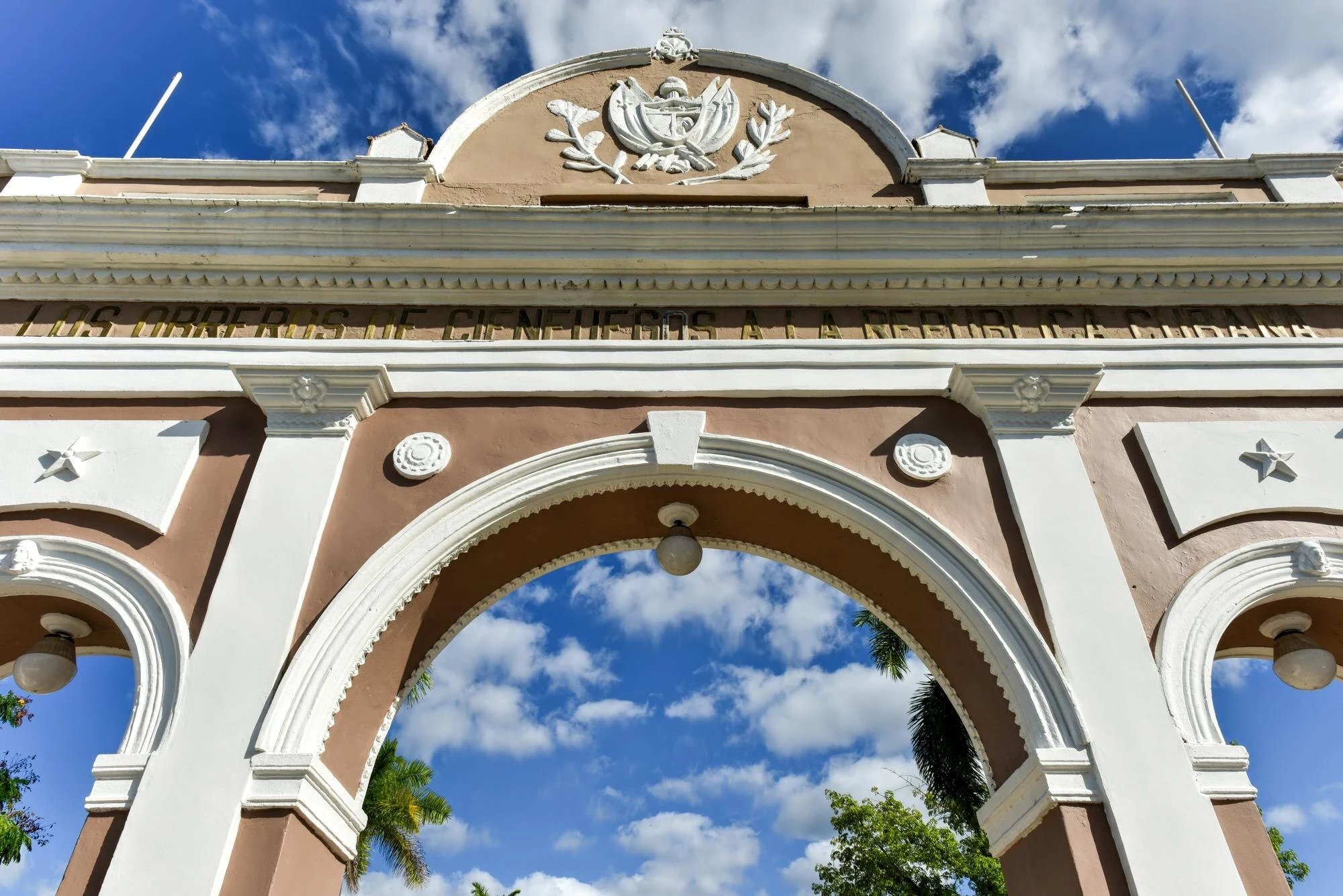
Cienfuegos rewards a visit at its own pace. Its historic centre was inscribed not because of a collection of isolated façades, but because of a nineteenth-century urban fabric that put ideas of order, ventilation, light and public space into practice; it also remains a living urban area.
If you have only one afternoon, stay around Parque José Martí and the Prado. If you have an additional morning or afternoon and want to understand how the city opens onto the bay, extend your route to Punta Gorda. Save the Botanical Garden for a second day—or a longer stay—when you can arrange the journey without turning it into a rushed visit.
The quick decision: do not try to treat all three places as one route
Choose Parque José Martí and the historic centre if this is your first visit, you have little time or you want to understand the city at pedestrian scale: its square, civic buildings, homes and straight streets. UNESCO identifies this ensemble as an early and especially significant example of modernity, hygiene and order applied to nineteenth-century Latin American urban planning.
Choose Punta Gorda if you have already explored the centre or are more interested in the transition between grid, seafront and bay than in entering numerous buildings. Cienfuegos’s heritage dossier describes the Prado and seafront as the link between the traditional area and Punta Gorda, a residential sector with eclectic and rationalist architecture beside the water.
Choose the Botanical Garden if you have enough time and confirmed transport, and are looking for an environmental and scientific perspective on the province—not a substitute for a beach or a decorative pause. Its 97 hectares and more than 2,000 species are also connected with conservation, research and local production.
1. Parque José Martí: to read the city before its “must-sees”
Start at Parque José Martí and walk a few blocks with one specific question in mind: how is public life organised here? The grid, the proportions of the streets and the concentration of religious, civic and cultural functions explain more than a checklist of interiors. The Tomás Terry Theatre, the cathedral, the former Casino Español and other nearby buildings matter because they form part of this urban system, not because they need to be consumed one after another.
If the theatre is open or there is a performance scheduled, it can be a good way to replace a purely visual visit with a situated cultural experience. Cuba’s national tourism office lists it among Cienfuegos’s cultural venues; check the programme, access conditions and whether performances are taking place directly before planning your day around it.
Trade-off: this option offers the most complete heritage reading with the least logistics, but it does not sum up Cienfuegos’s relationship with the bay or with the agricultural territory that supported much of its commercial development.
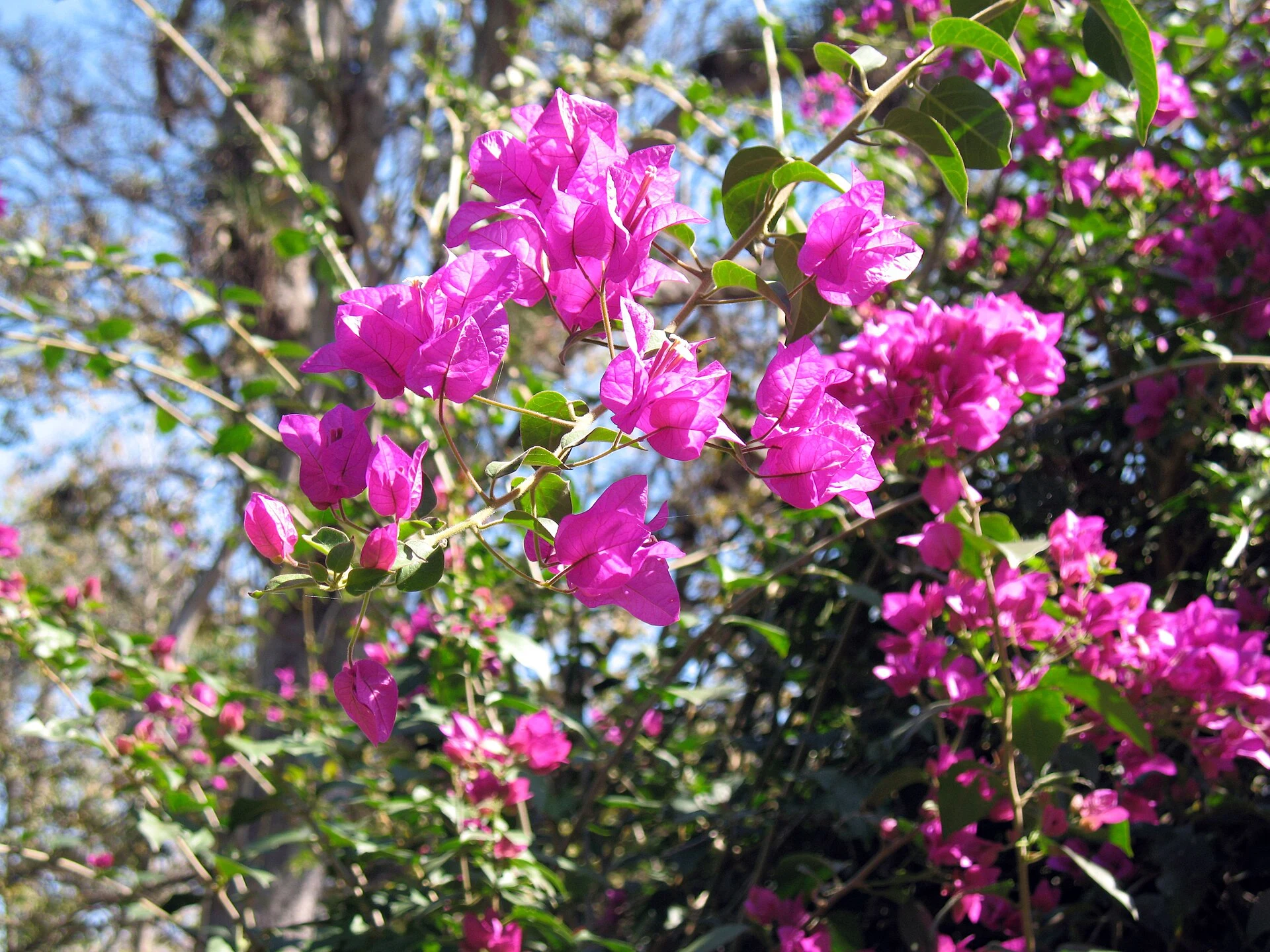
2. Punta Gorda: to understand that the bay is more than a photographic backdrop
Walking or travelling to Punta Gorda makes sense when you treat it as an urban extension, not a race to the tip of the peninsula. The journey lets you perceive how the planned city connects with the maritime edge and with a later residential fabric. The bay landscape was decisive in Cienfuegos’s commercial history, linked to products such as sugar, tobacco and coffee; that history also deserves to be read through the labour and economies that made it possible, not only through the mansions.
Take this section at the end of the afternoon only if you can return with plenty of time and already know how you will get around. Do not assume that transport, lighting, connectivity or services will be the same as in a city with stable tourist infrastructure: these are variable details worth confirming with your accommodation or a local provider on the same day. The US travel advisory mentions, among other factors, unreliable power cuts and crime risks; it is not a specific description of Cienfuegos, but it is a reason to avoid rigid plans and keep alternatives available.
Trade-off: Punta Gorda adds spatial and maritime continuity, but requires more time and tolerance for logistical changes. Do not add it to a stopover excursion if that means crossing it without stopping.
3. Botanical Garden: an excursion for thinking about the landscape, not for “getting out of the city”
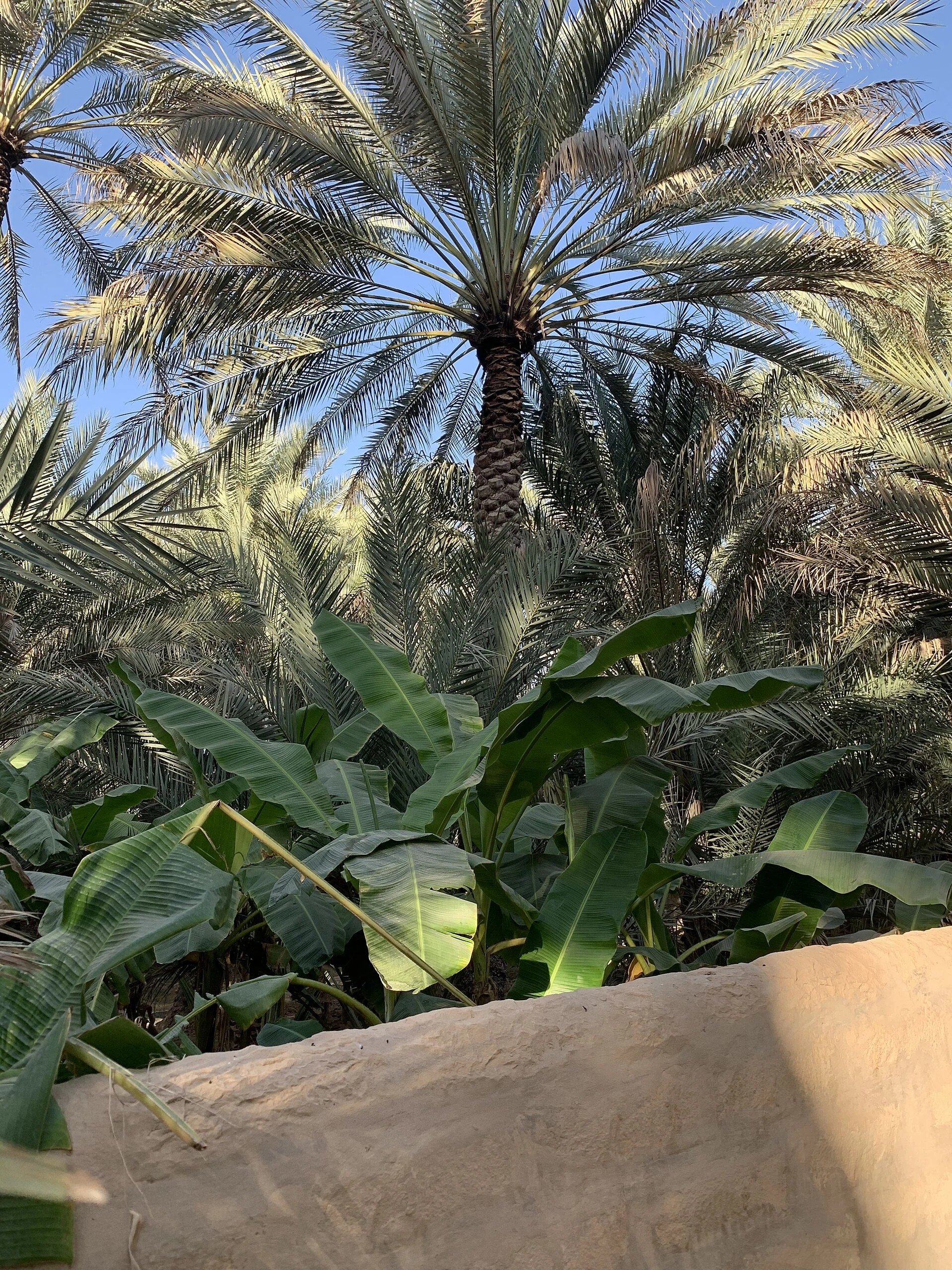
Cienfuegos Botanical Garden lies outside the urban core, so it works better as a deliberate destination than as an addition between the centre and Punta Gorda. Its interest is not limited to the variety of palms, cacti and trees: founded in 1901, it houses botanical collections of scientific value and takes part in seed and plant projects for local producers.
Go with a more useful question than “what rare species will I see?”: what relationship does this garden establish between historical acclimatisation, conservation and contemporary agriculture? This perspective avoids treating a scientific institution like a tropical theme park and gives context to the presence of non-native species in its collections.
Trade-off: it is the quietest option and the one most different from the centre, but it also requires the most coordination. Confirm access, the route available, toilets, the possibility of a guide and return transport with the institution or a local contact. Do not use old opening hours or prices found on blogs: they change and should not form the basis of your itinerary.
A one- or two-day visit that does not become a checklist
With one afternoon: concentrate on Parque José Martí, its immediate streets and part of the Prado. The aim is to understand the grid and its uses, not to accumulate admissions.
With a full day: spend the morning in the historic centre and leave the afternoon for the Prado, seafront and Punta Gorda. Allow for a generous pause: the value lies in the transition between the sectors, not only in the end points.
With two days: set aside a separate morning or afternoon for the Botanical Garden. This way you do not have to fit the journey around an urban visit, and you can return to the centre for a cultural activity if the programme and actual conditions allow.
For reduced mobility, fatigue or travelling with children, do not assume uniform accessibility: paving, kerbs, shade, seating, toilets and building entrances can vary considerably. Ask beforehand about the specific stretch and place; a shorter route around the park may be a better choice than a long walk to Punta Gorda.
Before setting out: two checks that can change the trip
Currency and payments. Do not build your budget around CUC: the convertible peso began to be withdrawn from circulation on 1 January 2021 and ceased to be legal tender after the period established for its withdrawal. Confirm directly which payment method each accommodation, restaurant, transport service or institution accepts, and carry a backup plan; do not publish or treat as guaranteed exchange rates, fees or cash availability seen in advance.
Travellers under US jurisdiction. A purely tourist trip to Cuba is not authorised under US regulations. OFAC establishes permitted travel categories and specific conditions; anyone travelling under an authorisation should review the applicable rules and retain the required records. If you are travelling from the United States or are subject to its jurisdiction, resolve this before booking, not during the itinerary.
References consulted during editorial review. Times, requirements and advisories may change: always confirm with the official source.
- https://whc.unesco.org/en/list/1202whc.unesco.org
- https://whc.unesco.org/uploads/nominations/1202.pdfwhc.unesco.org
- https://whc.unesco.org/es/list/1202whc.unesco.org
- https://whc.unesco.org/en/decisions/518/whc.unesco.org
- https://whc.unesco.org/en/list/1202/gallery/whc.unesco.org
- https://whc.unesco.org/en/documents/106834whc.unesco.org
- https://whc.unesco.org/en/documents/126493whc.unesco.org
- https://whc.unesco.org/en/list/1202/indicators/whc.unesco.org
- CubaWikidata · CC0 1.0 · Wikidata · Q241
- CubaWikidata · CC0 1.0 · Wikidata · Q87300703
- CubaWikidata · CC0 1.0 · Wikidata · Q552580
- CubaWorld Countries — mledoze · ODbL 1.0 · World countries dataset by mledoze and contributors · ODbL 1.0
- CubaWorld Bank Open Data · CC BY 4.0 · World Bank
- CubaDBpedia · CC BY-SA 3.0 · DBpedia
- Tourism in Cuba: Development, Challenges, PerspectivesOpenAlex · CC0 1.0 · OpenAlex
- Desarrollo Turístico y Sostenibilidad en la comunidad de Caibarién (Cuba)Crossref · Metadatos públicos; derechos específicos por campo cuando correspondan · Crossref
- Representaciones de CubaCrossref · Metadatos públicos; derechos específicos por campo cuando correspondan · Crossref
- Actualidad de los clásicosOpen Library · CC0 1.0 (registros de catálogo) · Open Library