 Finland
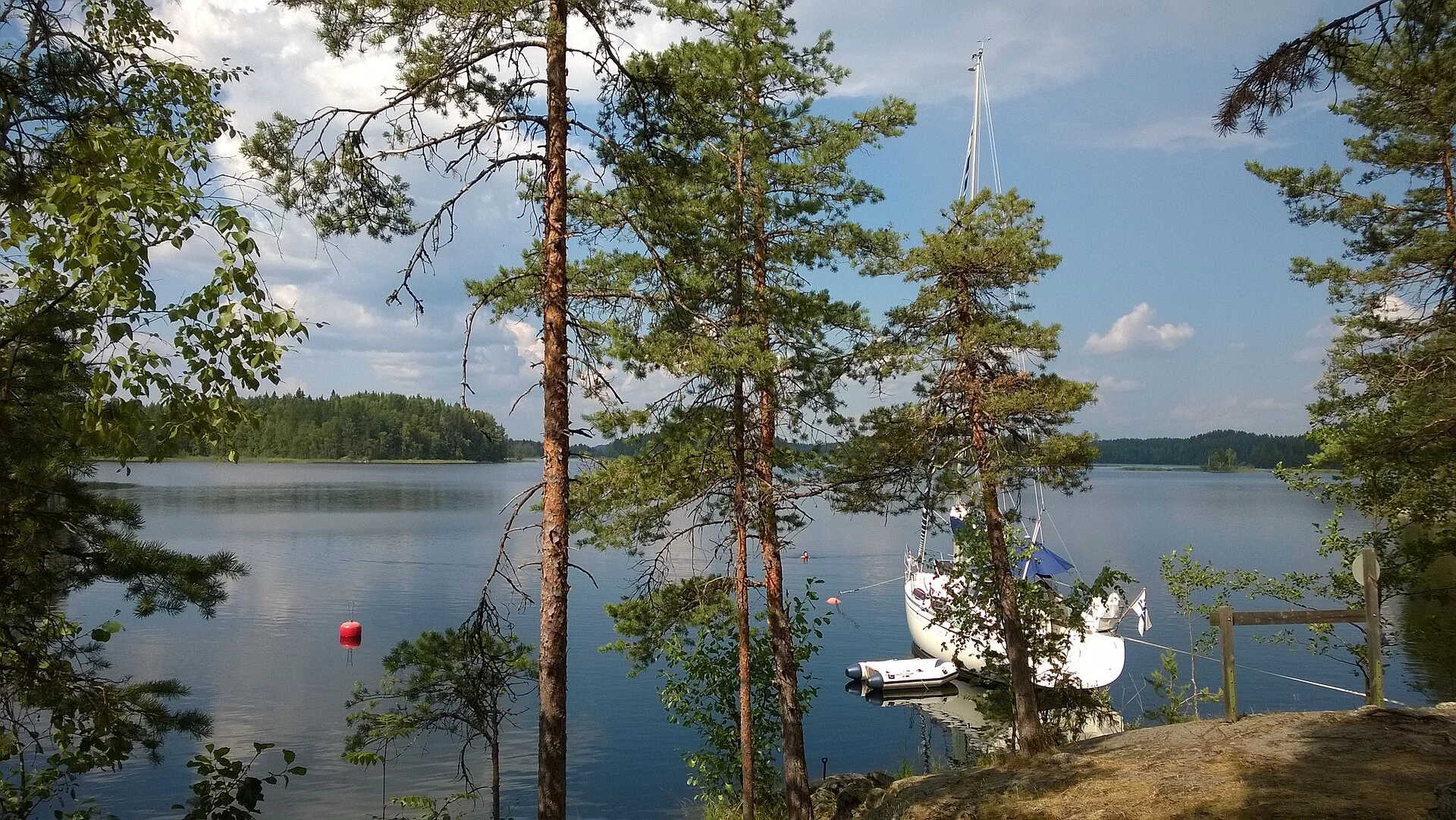
Choosing Where to Explore Saimaa’s Lakes and Islands
In Saimaa, the best decision is not to chase a sighting, but to choose the pace and means of navigation that place the least demand on the lake—and give your trip the most meaning.
Read guide →Discover Guided visits guides with useful information, visible sources and context to plan each trip better.
 Responsible travel
In Saimaa, the best decision is not to chase a sighting, but to choose the pace and means of navigation that place the least demand on the lake—and give your trip the most meaning.
Read guide →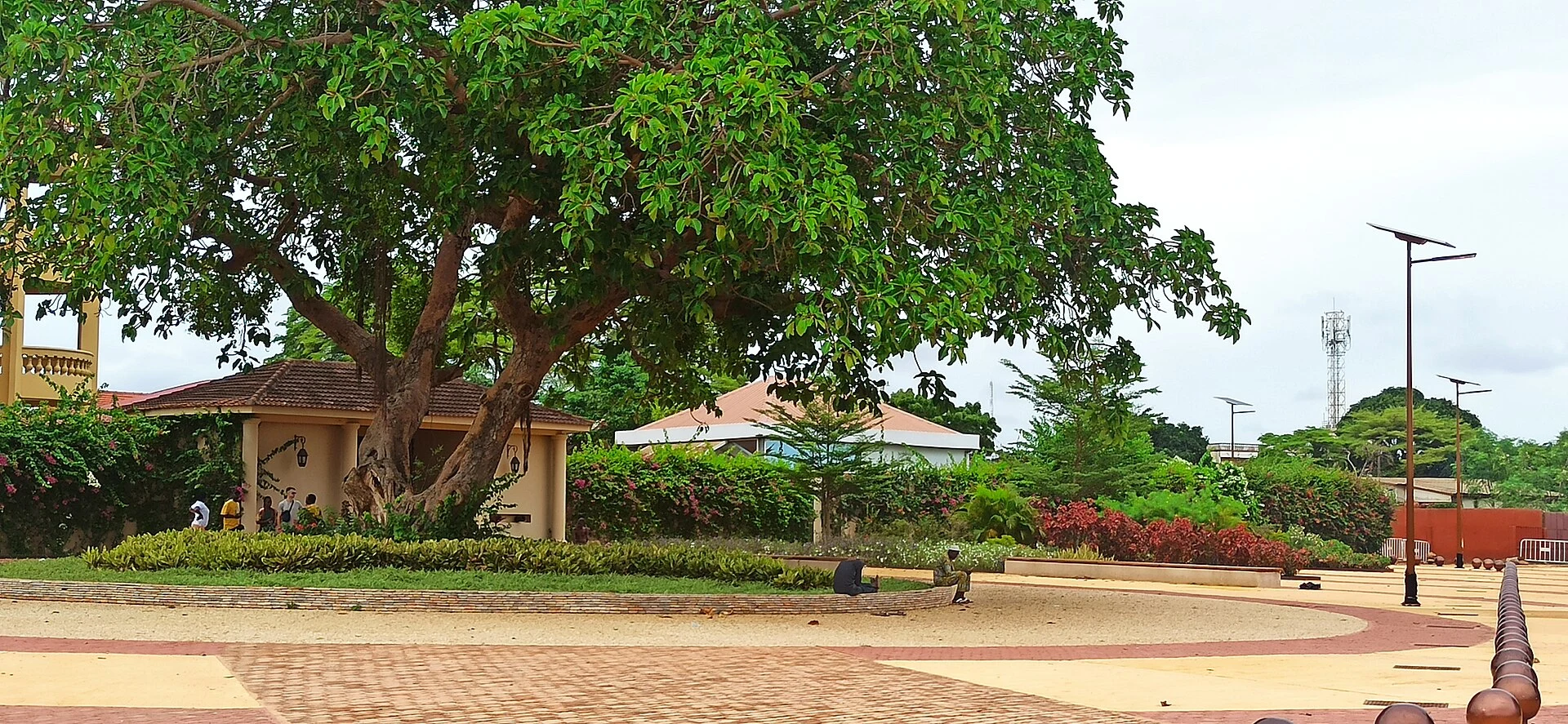 Culture
Ouidah is best understood not by seeing more stops, but by keeping experiences that call for different rhythms and attitudes separate: the memory of the slave trade, living vodun practice and the coastline. Here is how to shape a more attentive—and less intrusive—visit over one or two days.
Read guide →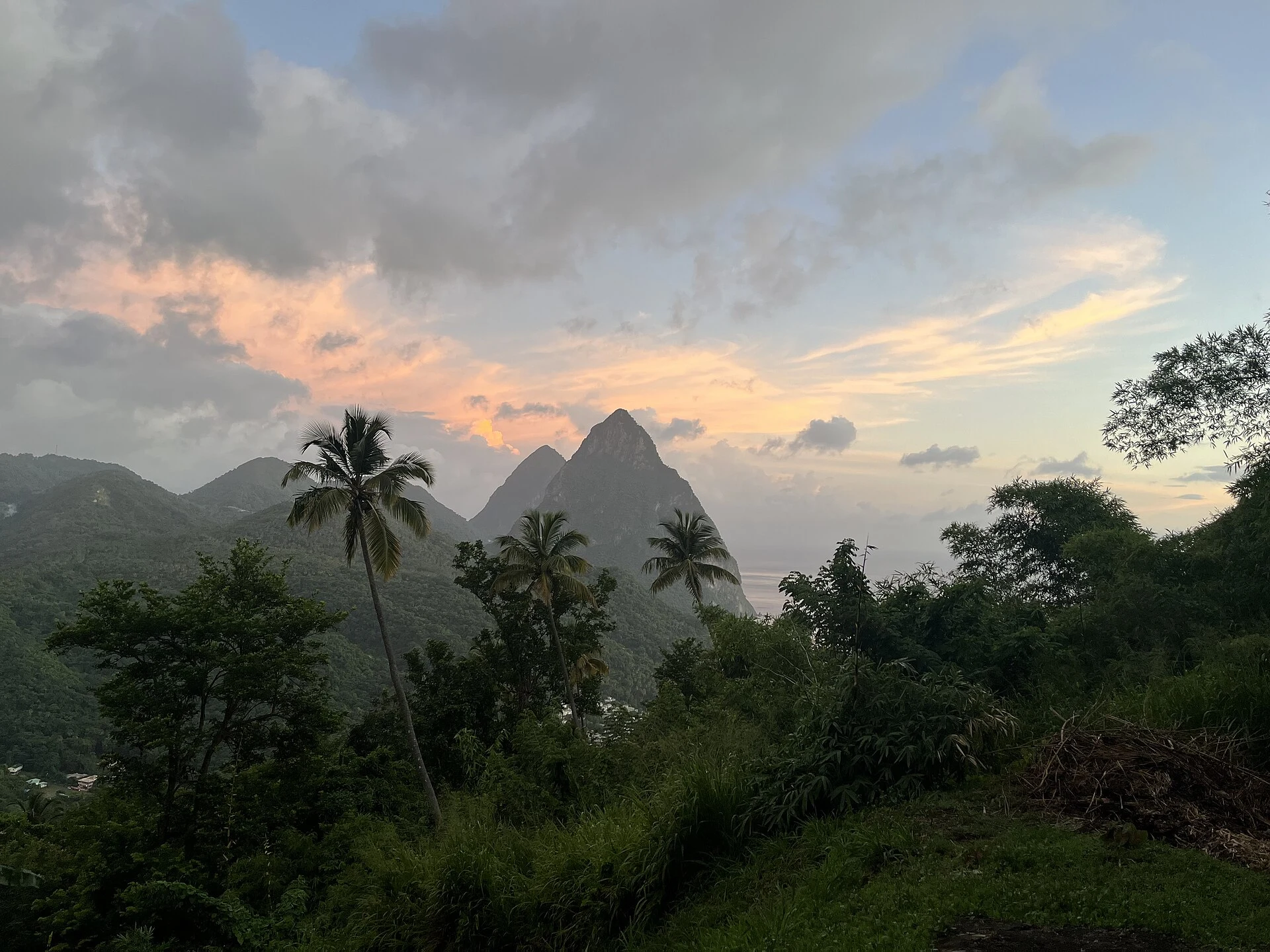 Nature
In the protected Pitons landscape, the decision is not simply whether to “do the hike”: Gros Piton requires sustained endurance, Petit Piton is a technical climb with ropes, and Tet Paul offers a shorter alternative for understanding both mountains and the agricultural landscape around them.
Read guide →The two components of Hail’s rock-art World Heritage property tell very long human stories, but they are read differently: Jubbah through the memory of a vanished lake; Shuwaymis through a remote rocky corridor. Choosing well keeps an archaeological visit from becoming a race for photographs.
Read guide →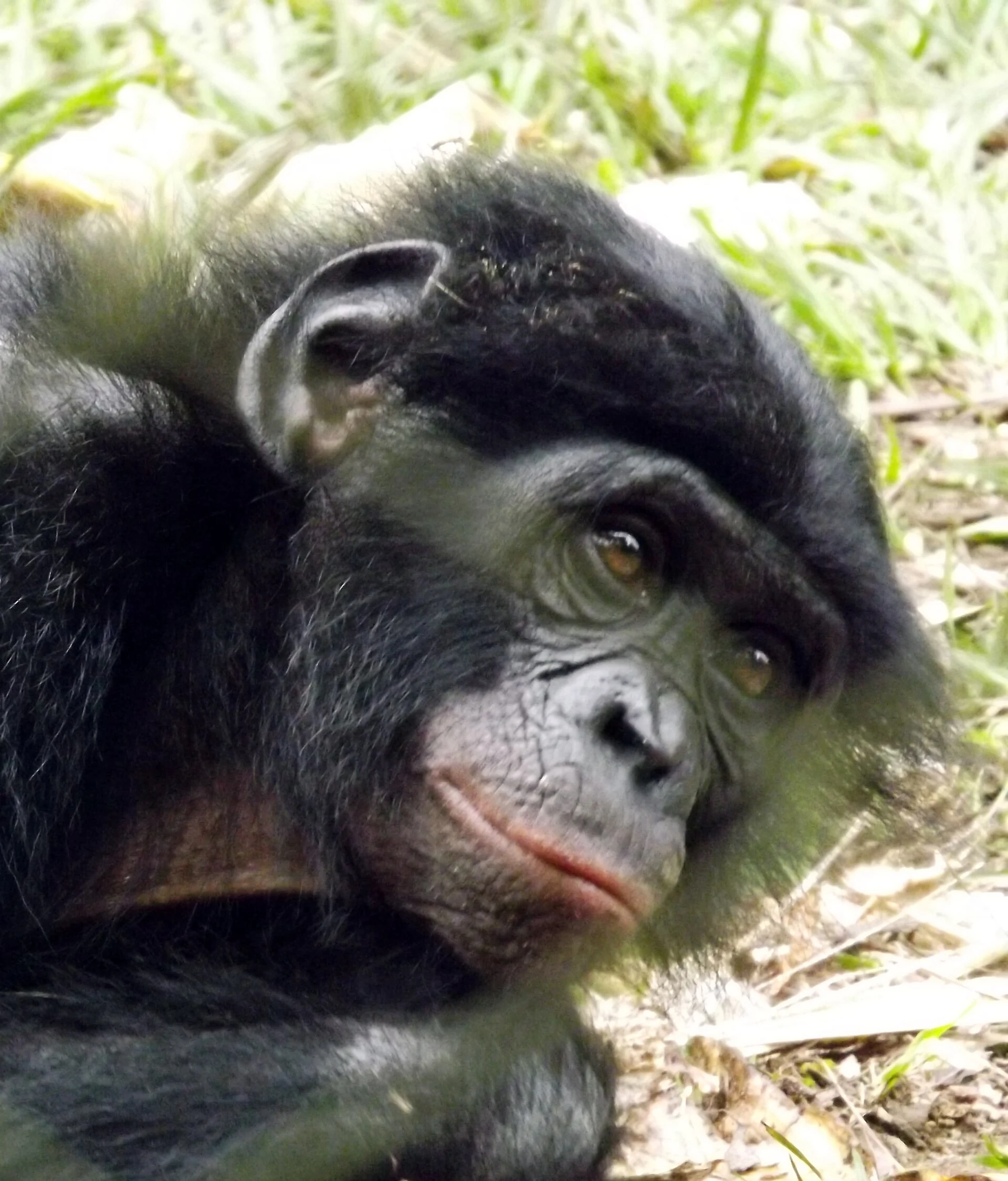 Responsible travel
Lola ya Bonobo can be a learning experience about rescue and conservation, not an activity involving interaction with primates. But as of September 5, 2026, official advisories discourage travel to the Democratic Republic of the Congo: the responsible decision begins by not allowing the sanctuary to become a reason to ignore that context.
Read guide →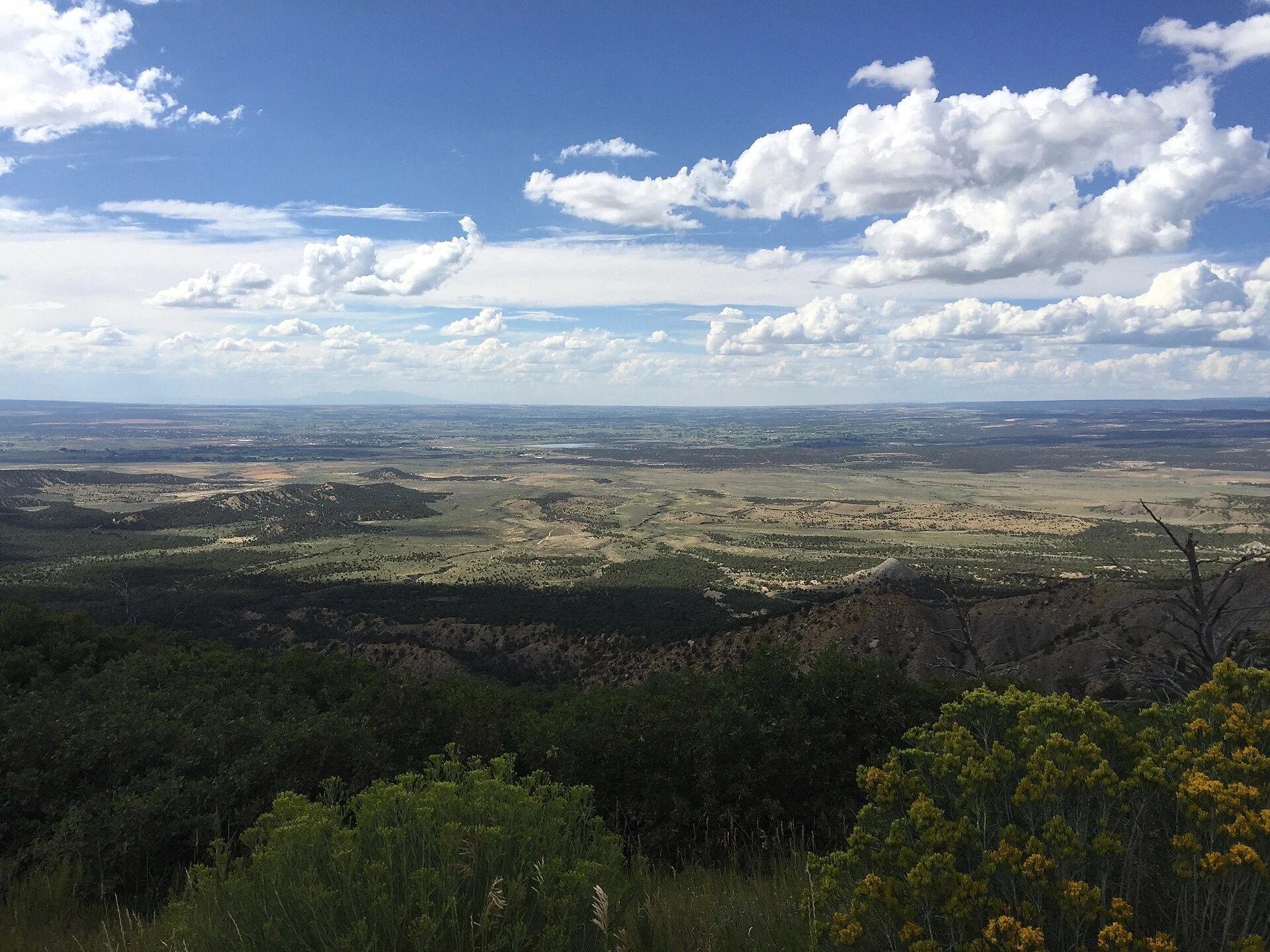 Culture
The useful question at Mesa Verde is not which viewpoint photographs a cliff dwelling best, but which part of the landscape you want to understand: mesa-top villages, a close-up guided visit, or a slow day on foot and by bicycle. Each option calls for different amounts of time, physical ability and expectations.
Read guide →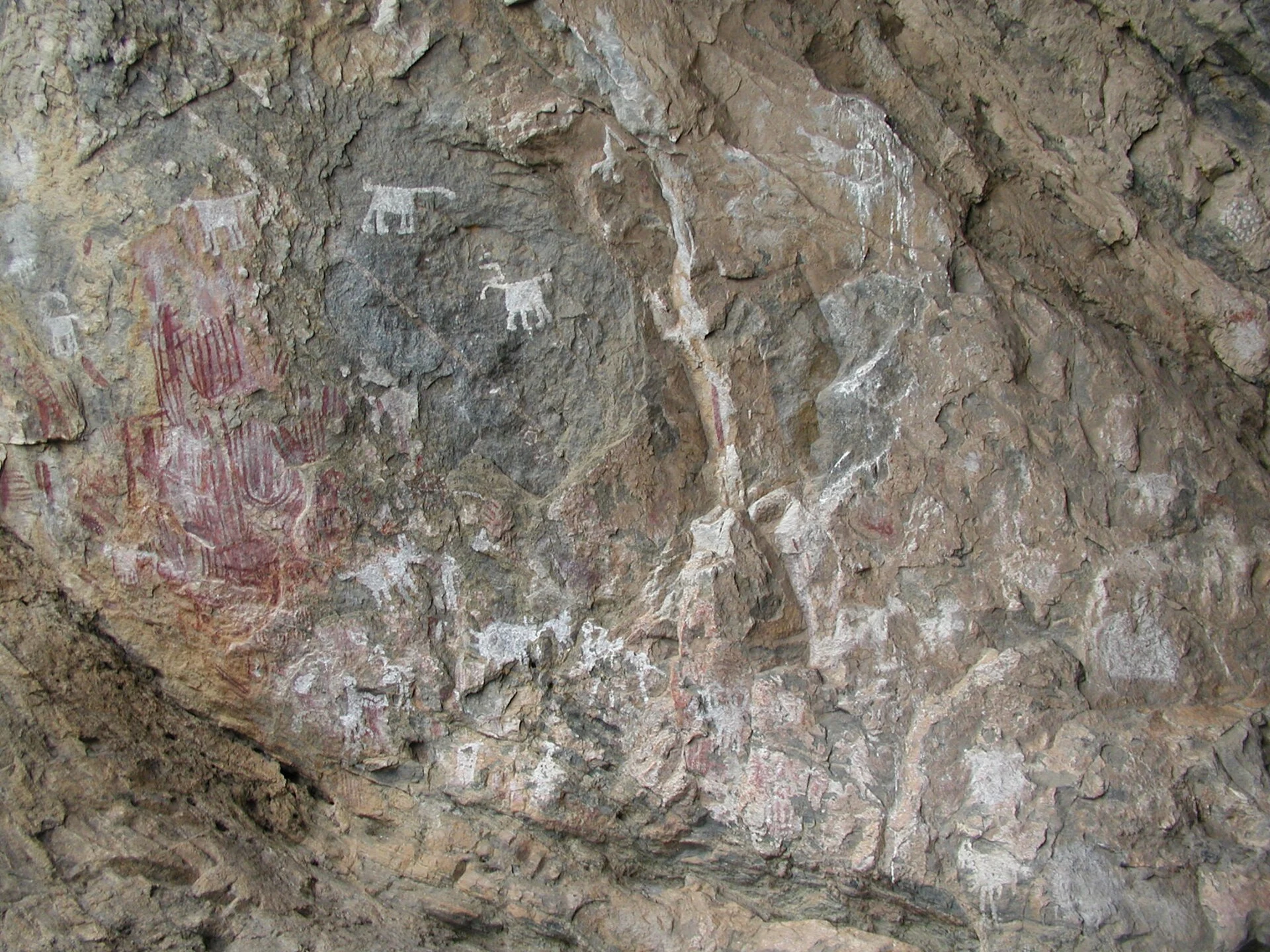 Culture
At Chongoni, the best plan is not to collect rock shelters. It is to choose a feasible visit, go with a guide and accept that a ceremonial landscape is not always available to visitors.
Read guide →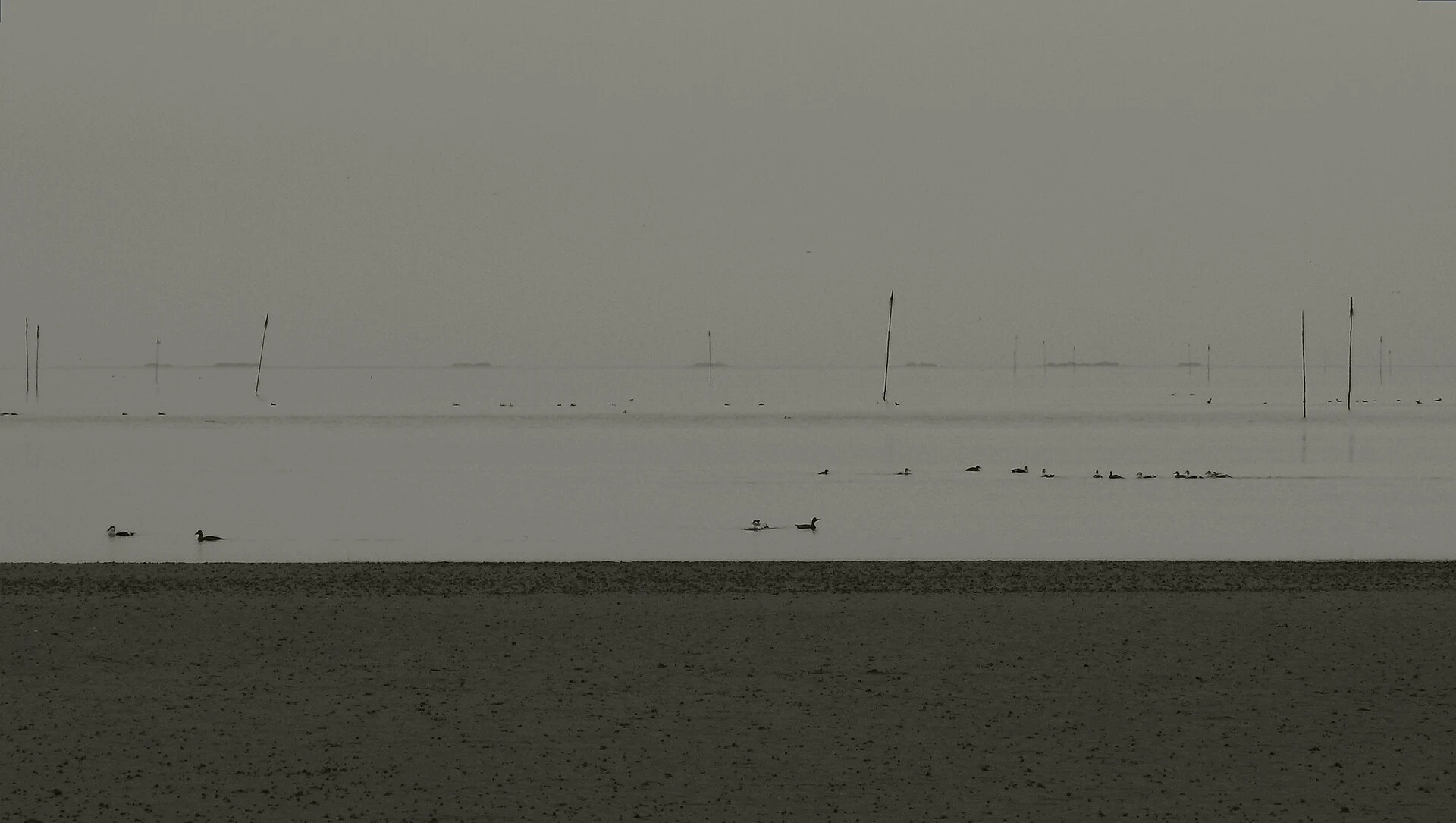 Nature
On Germany’s northern coast, the landscape cannot be experienced in the same way at every hour: the tide changes the ground, the routes and even the scale of what you see. This guide presents three different ways to enter the Wadden Sea—a walk along the dikes, a guided mudflat hike and an overnight stay on Hallig Hooge—so you can choose according to mobility, time, naturalist interests and tolerance for logistical complexity.
Read guide →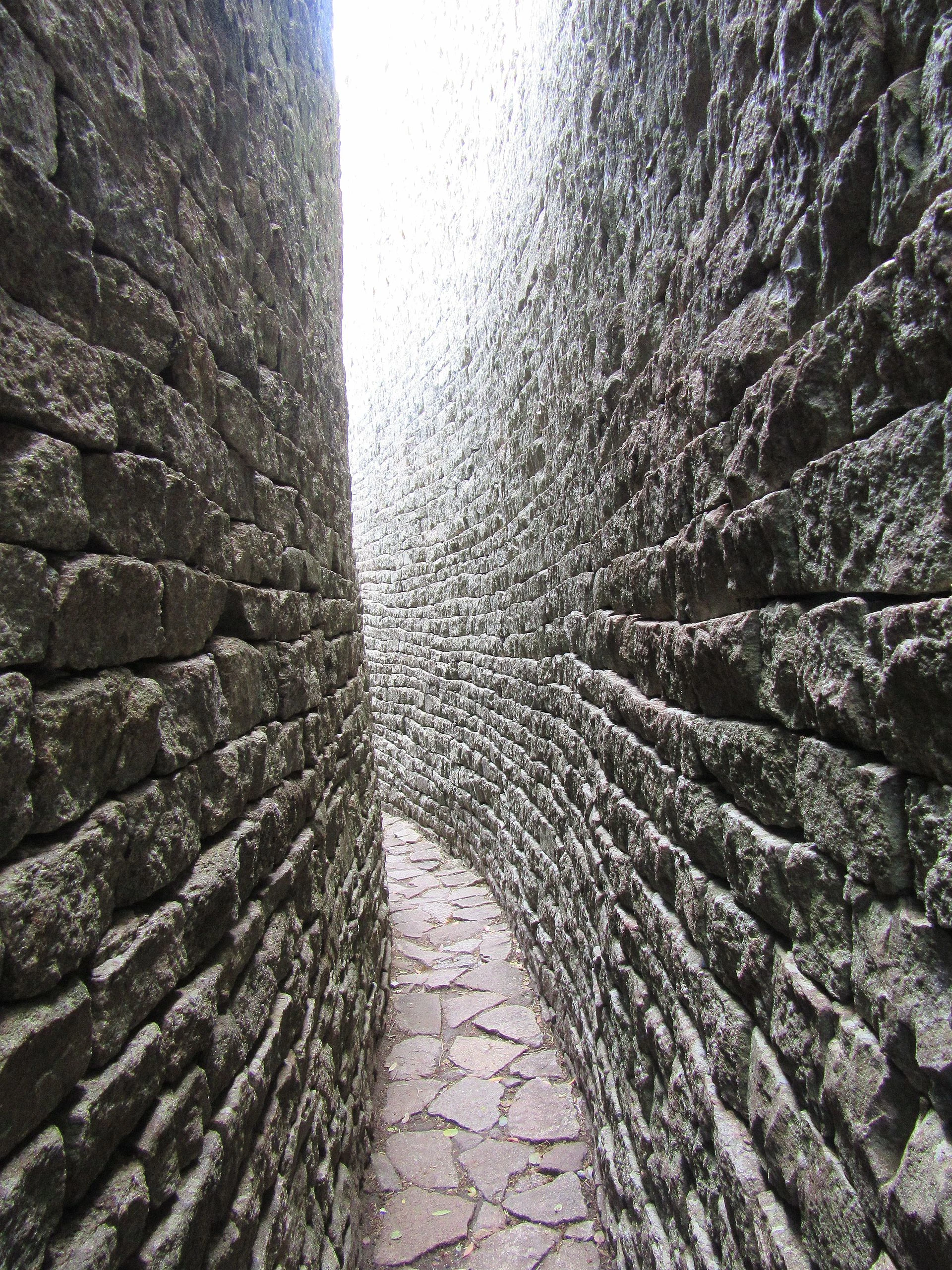 Culture
The useful question is not how long to spend in front of the tower, but which part of the ancient urban landscape allows you to understand—and explore—it attentively. This guide structures a visit to Great Zimbabwe around mobility, interests and respect for a place that still holds spiritual meaning.
Read guide →Lamanai rewards travelers who accept that getting there is part of the visit. It is more than a group of temples: the river, lagoon, colonial churches and former sugar mill invite you to look at a long history still connected to living communities.
Read guide →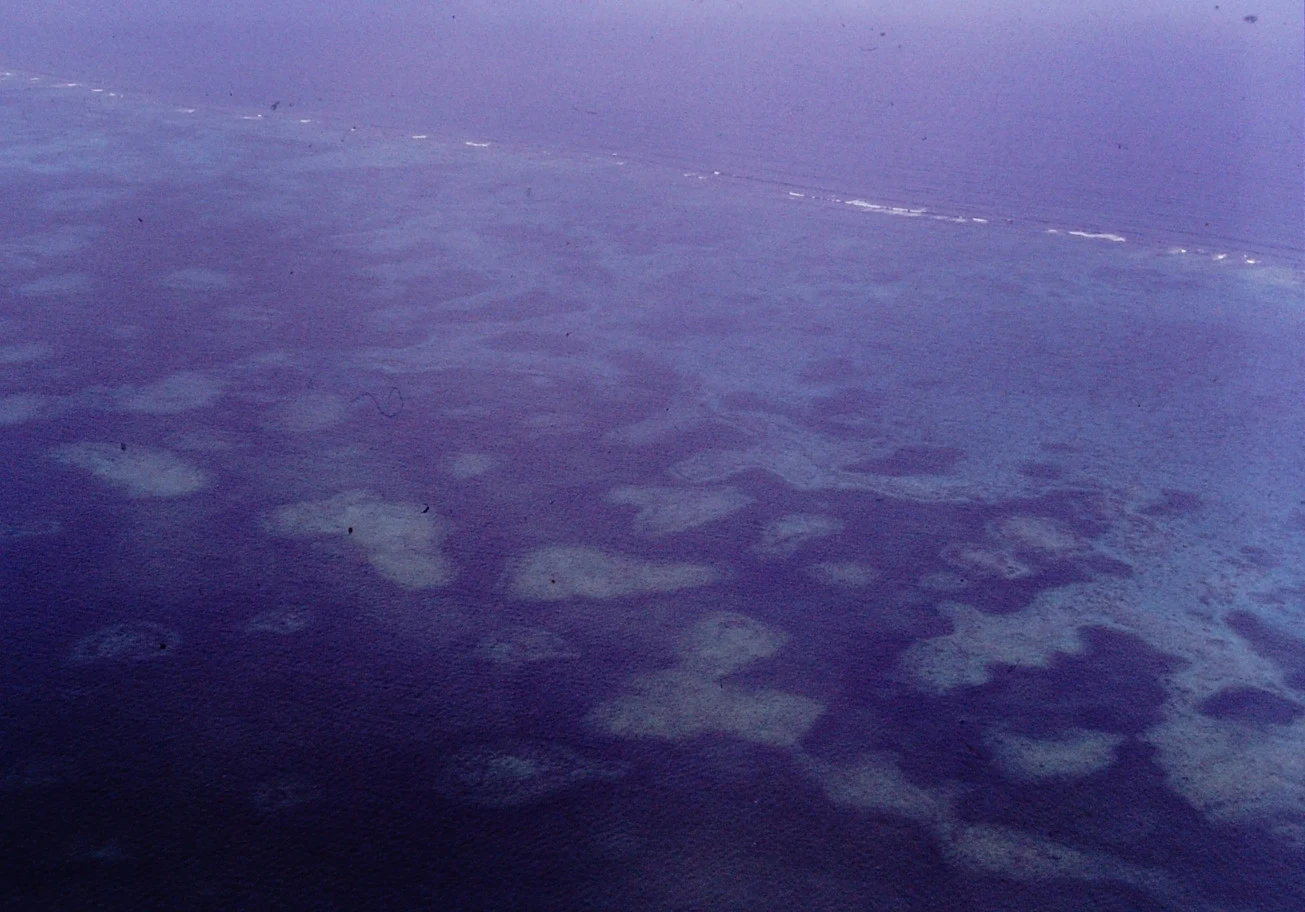 Practical guides
On Andros, trying to see everything usually means spending too much time getting from place to place. This guide helps you choose a base and a main landscape—blue holes, reef or mangrove—for more time on site and fewer impossible promises.
Read guide →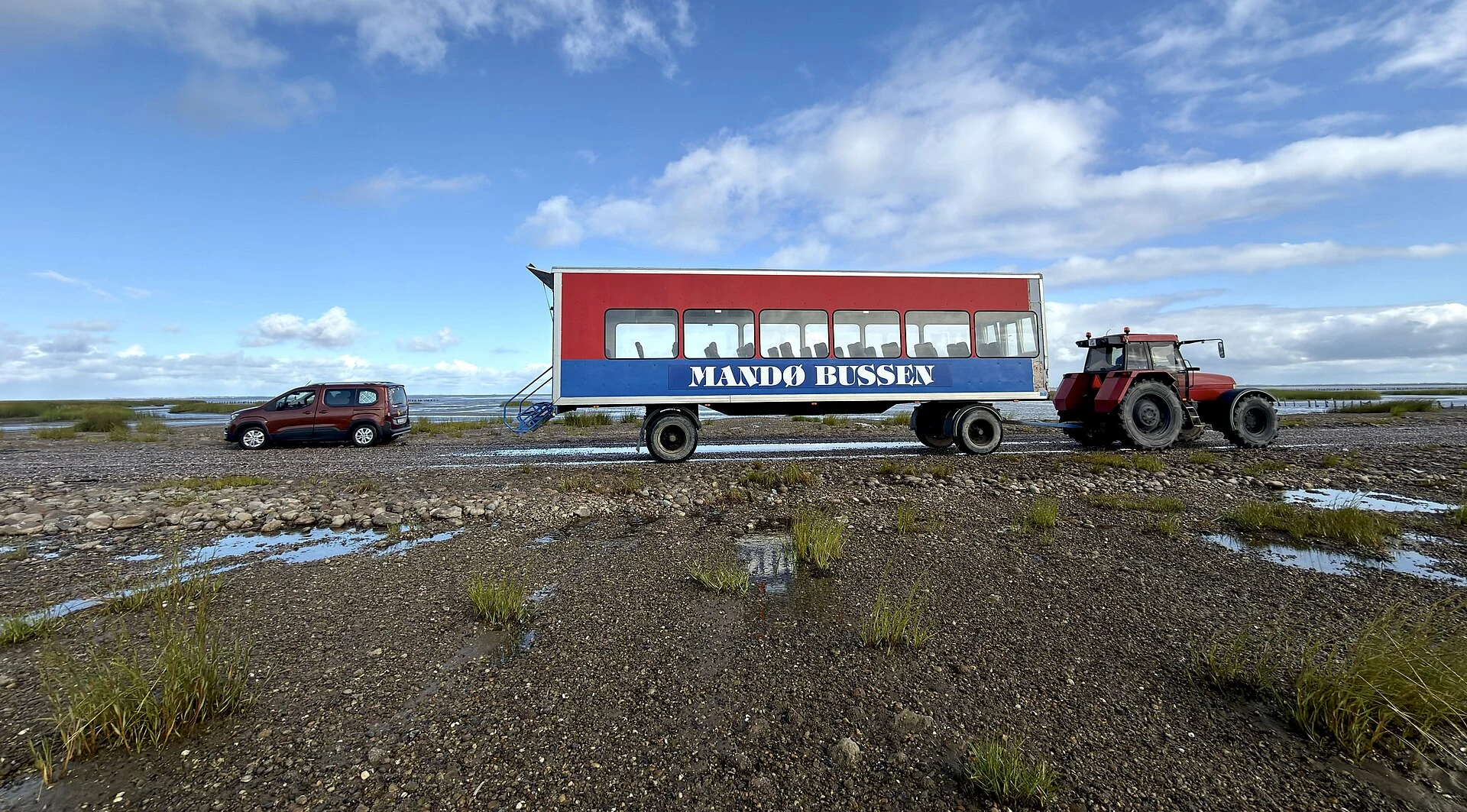 Nature
On Mandø, southwest of Ribe, the point is not simply to reach “an island”: it is to accept that the tide determines access, pace and, sometimes, whether it makes sense to go at all. This guide helps you choose a visit that puts the living landscape—marshes, birds and dykes—ahead of a checklist of sightings.
Read guide → Benin
Benin Saint Lucia
 Saudi Arabia
 DR Congo
 United States
 Malawi
 Germany
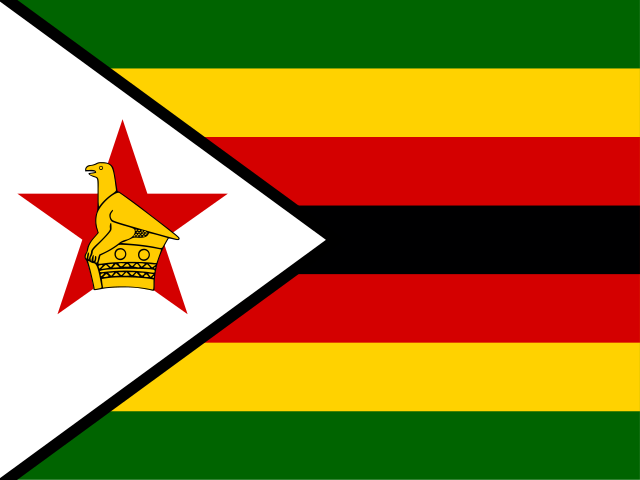 Zimbabwe
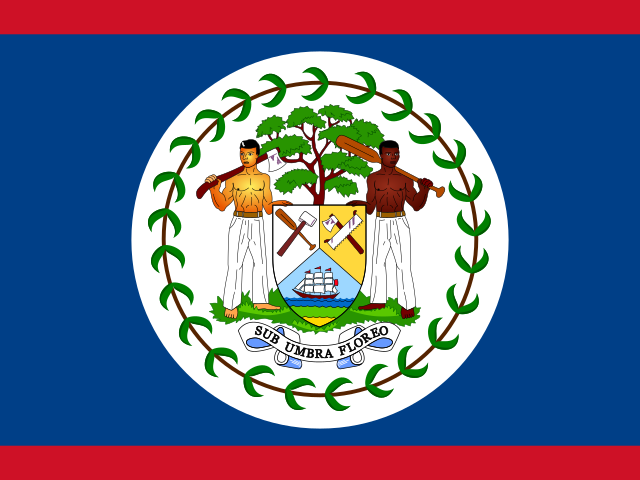 Belize
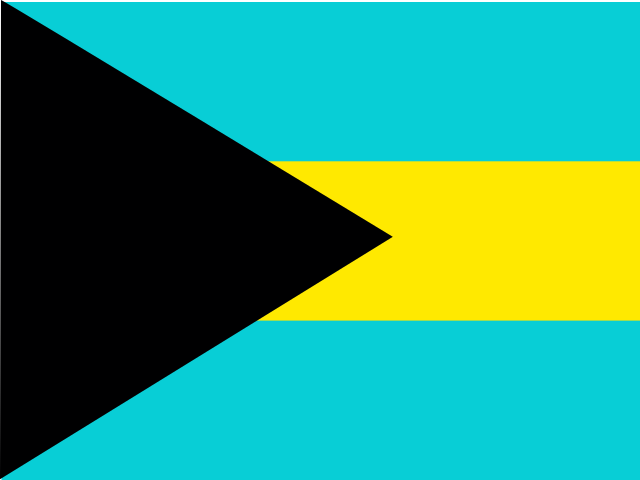 Bahamas
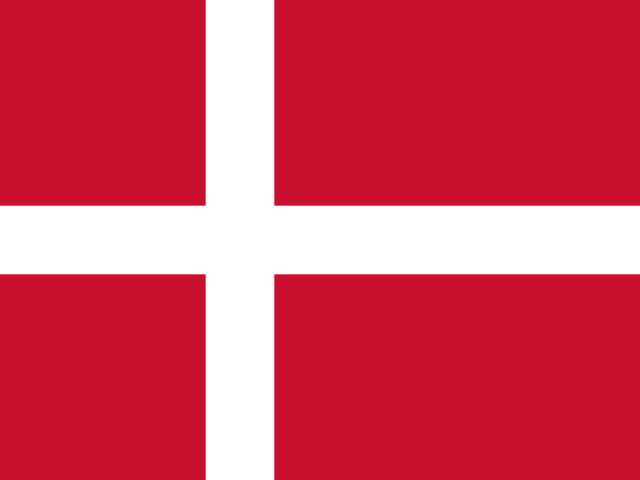 Denmark