Democratic Republic of the Congo · Kinshasa · Responsible travel
Lola ya Bonobo: Conservation and Reasons to Postpone a Visit
Lola ya Bonobo can be a learning experience about rescue and conservation, not an activity involving interaction with primates. But as of September 5, 2026, official advisories discourage travel to the Democratic Republic of the Congo: the responsible decision begins by not allowing the sanctuary to become a reason to ignore that context.
Conditions described in the guide: confirm current requirements and access with the official source before travelling.
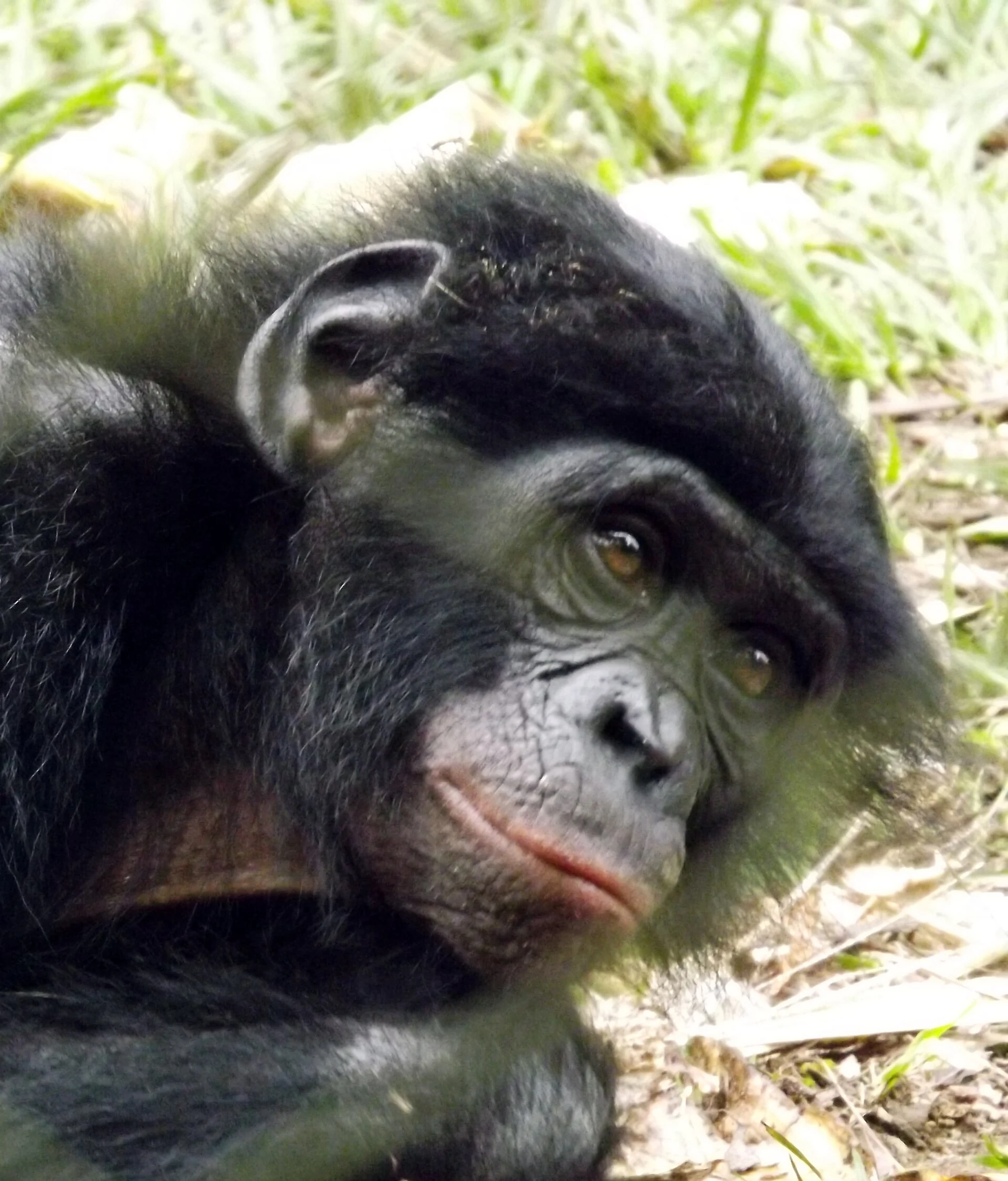
Lola ya Bonobo, in the Mont-Ngafula area south of Kinshasa, should not be approached as an excursion to “see” great apes up close. It is a rescue and rehabilitation centre for bonobos orphaned by the illegal wildlife trade, with guided visits that deliberately maintain separation between people and animals. That distance does not diminish the experience: it is precisely the ethical condition that makes it defensible.
There is, however, a decision to make before any booking. As of September 5, 2026, the United States Department of State continues to advise against travel to the DRC as a whole because of crime, civil unrest, terrorism, kidnapping and health risks; the CDC also maintains country-specific health notices and restrictions that may affect travel back to the United States. This is not an invitation to look for logistical workarounds: for a postponable tourist visit, the prudent conclusion is to defer the trip and check official sources again before making non-refundable payments.
First: decide whether this trip should happen
Kinshasa should not be treated as an automatic exception to national-level risks. Advisories change, may coincide with protests, health controls and consular limitations, and can also affect insurance, connecting flights and your return to your country of residence. Close to your departure date, check your government’s travel advice, your insurer’s conditions, and the requirements of airlines and transit countries. For travellers coming from the United States, the CDC currently indicates that having been in the DRC may affect the ability to board commercial flights bound for the United States during the following 21 days. This is strictly time-sensitive information and must be reviewed in the official source before planning.
If conditions improve and official sources applicable to you indicate that the trip is reasonable, Lola works best as a half-day activity within a stay in Kinshasa that is already justified—not as the sole reason to fly to the country. Its value lies in understanding a chain of rescue, care and possible reintroduction, not in adding a species to a list.
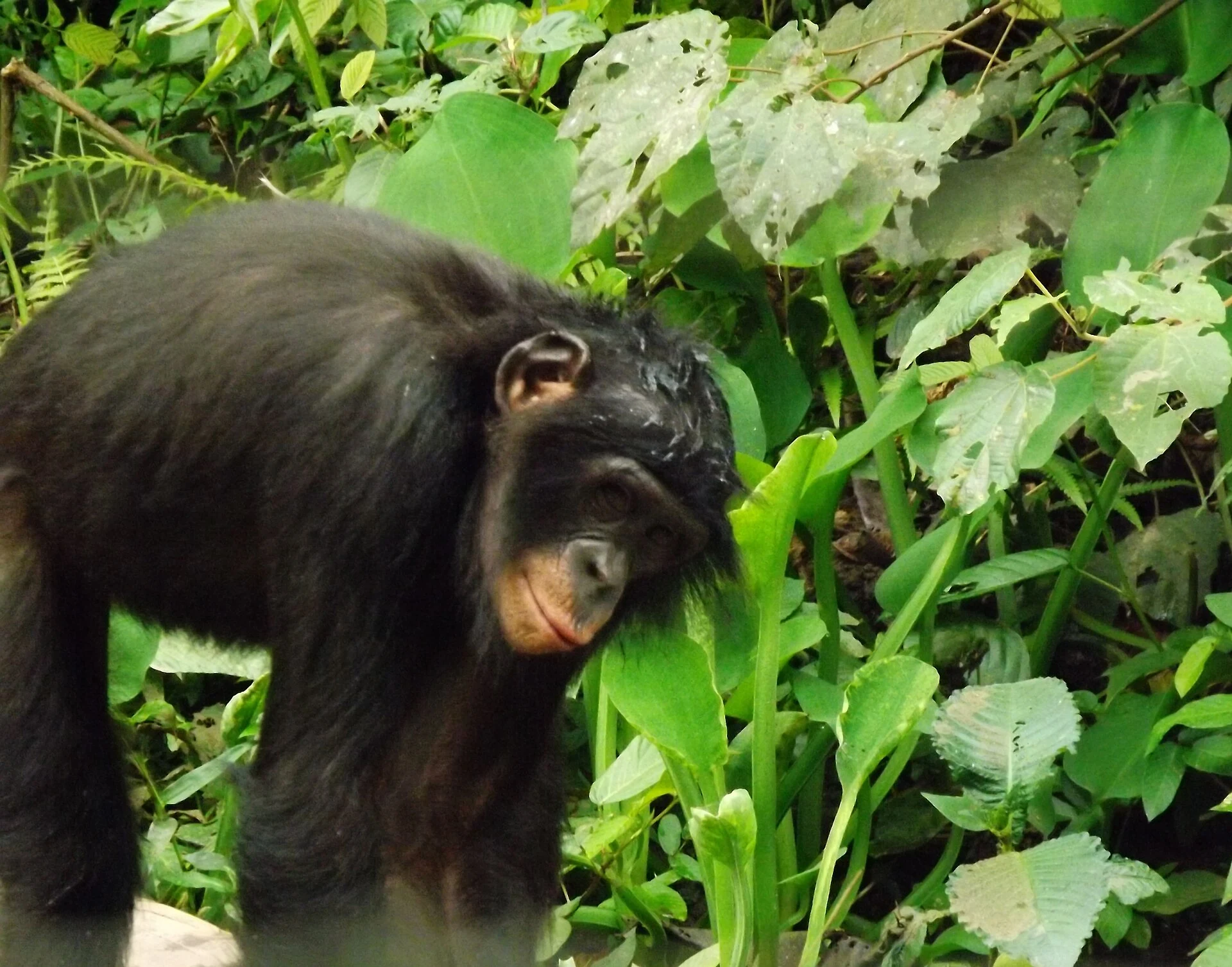
The important choice is not the time of day: it is accepting the protocol
The sanctuary makes one central rule clear: visitors have no direct contact with the bonobos. The reason is one of health and welfare: bonobos can contract human diseases, and limiting contact helps rescued animals retain behaviours compatible with a possible life in the wild. So discard any expectation of feeding, hugging, posing beside an animal or entering enclosures. An activity promising otherwise does not represent the official visit.
There is also a photography limit: personal mobile-phone use is permitted, while professional photography or video equipment requires prior authorisation. This protects day-to-day operations and avoids turning rescued animals into visual props. Arrive ready to observe, listen to the guide’s explanation and accept that photography may not be the focus of the day.
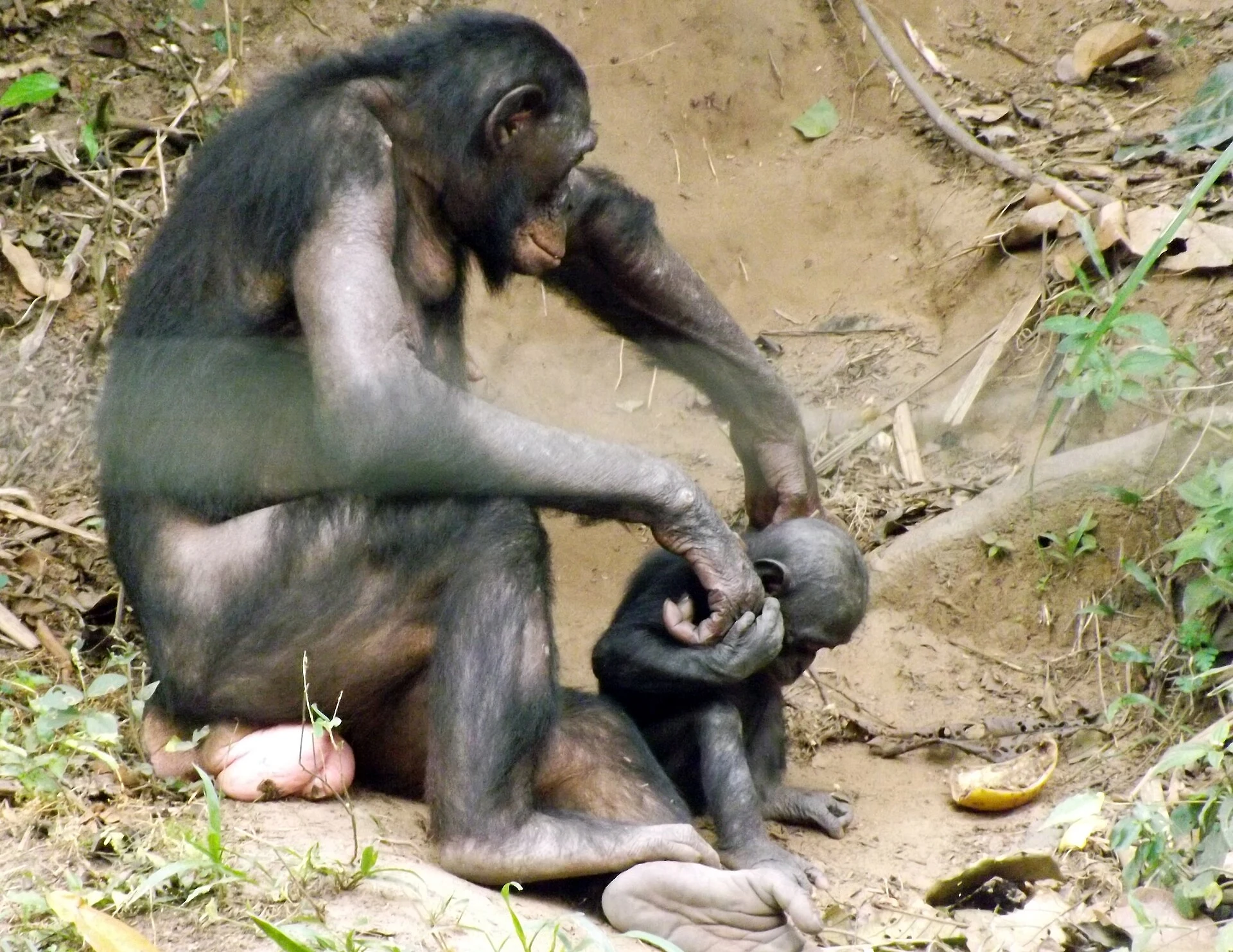
How to organise the visit without assuming a simple logistics
The official visit information describes daytime guided tours lasting around an hour and says the sanctuary is about 20 miles from Kinshasa, near the small Lukaya waterfalls. That distance should not be understood as a quick transfer: the sanctuary itself warns of traffic and an uneven road approach from the city centre. If travel conditions allow you to go, book or confirm transport, departure time, admission and any food directly with Lola ya Bonobo; operating conditions, prices and availability may change.
Public information indicates that daytime visits are available and that overnight stays exist on a much more limited basis. For most travellers, the daytime option is the more measured choice: it reduces the complexity of transfers and avoids assuming that a conservation experience requires “behind-the-scenes” access. If you are considering staying overnight, request written confirmation of what is included, which protocol is expected and whether accommodation is still available before arranging the rest of your itinerary.
Do not combine the sanctuary with a rushed waterfall outing
The proximity of the Lukaya waterfalls may tempt you to link two stops, but it is better to keep expectations separate. Lola ya Bonobo has its own purpose and a guided visit with defined timings; turning it into a brief stop before another activity shifts attention from rescue work towards a fast-consumption day. If you have little time, choose the sanctuary and leave room for transfers rather than trying to fit in both.
This caution also applies to accessibility. The sanctuary’s public information does not detail a universally accessible route or specific services for people with reduced mobility. Anyone using a wheelchair, with limited mobility, travelling with sensory needs or requiring an adapted bathroom should request direct, specific confirmation before setting out; accessibility should not be inferred from photographs or general descriptions.
What it means to leave a visit with an acceptable impact
Pay only through channels confirmed by the sanctuary, follow staff instructions, and do not bring food for the animals or try to attract them. Avoid narratives that portray bonobos as docile, available or miniature humans: they are a threatened wild species, and the visit exists because many individuals arrived after losing their families to the illegal trade. The sanctuary connects its work with rescue, care, reintroduction and education; your role as a visitor should be that of a responsible observer, not a participant in an interaction.
Success is not measured by a close-up photograph. It means leaving with an understanding of why there was no contact, why not every area is open to visitors, and why postponing may be more responsible than insisting on getting there. If the security and health situation does not allow a reasonable tourist trip, support conservation from a distance and save the visit for a time when the country and sanctuary can receive you without unnecessary additional pressure.
References consulted during editorial review. Times, requirements and advisories may change: always confirm with the official source.
- https://www.bonobos.org/visit-lola-ya-bonobo/www.bonobos.org
- https://www.gov.uk/foreign-travel-advice/democratic-republic-of-the-congowww.gov.uk
- https://drctourism.com/experiences/bonobo-tracking-lola-ya-bonobo/bookdrctourism.com
- https://www.bonobos.org/www.bonobos.org
- https://travel.state.gov/content/travel/en/traveladvisories/traveladvisories/democratic-republic-of-the-congo-travel-advisory.html?os=iotravel.state.gov
- https://52-52.officetourisme.cd/evenements/752-52.officetourisme.cd
- https://www.bonobos.org/faq/www.bonobos.org
- https://www.bonobos.org/rescue-and-care/www.bonobos.org
- DR CongoWorld Countries — mledoze · ODbL 1.0 · World countries dataset by mledoze and contributors · ODbL 1.0
- Congo, Dem. Rep.World Bank Open Data · CC BY 4.0 · World Bank
- Table 5.7 Congo, Dem. Rep. / Congo, Rép. DémCrossref · Metadatos públicos; derechos específicos por campo cuando correspondan · Crossref
- Tableau 5.7 Congo, Dem. Rep. / Congo, Rép. DémCrossref · Metadatos públicos; derechos específicos por campo cuando correspondan · Crossref
- Table 6.11 Congo, Dem. Rep. / Congo, Rép. DémCrossref · Metadatos públicos; derechos específicos por campo cuando correspondan · Crossref
- Table 4.3 Congo, Dem. Rep./Congo, Rép. dém.Crossref · Metadatos públicos; derechos específicos por campo cuando correspondan · Crossref