Saint Lucia · Soufrière
Choosing a Route in Saint Lucia’s Pitons by Difficulty
In the protected Pitons landscape, the decision is not simply whether to “do the hike”: Gros Piton requires sustained endurance, Petit Piton is a technical climb with ropes, and Tet Paul offers a shorter alternative for understanding both mountains and the agricultural landscape around them.
Conditions described in the guide: confirm current requirements and access with the official source before travelling.
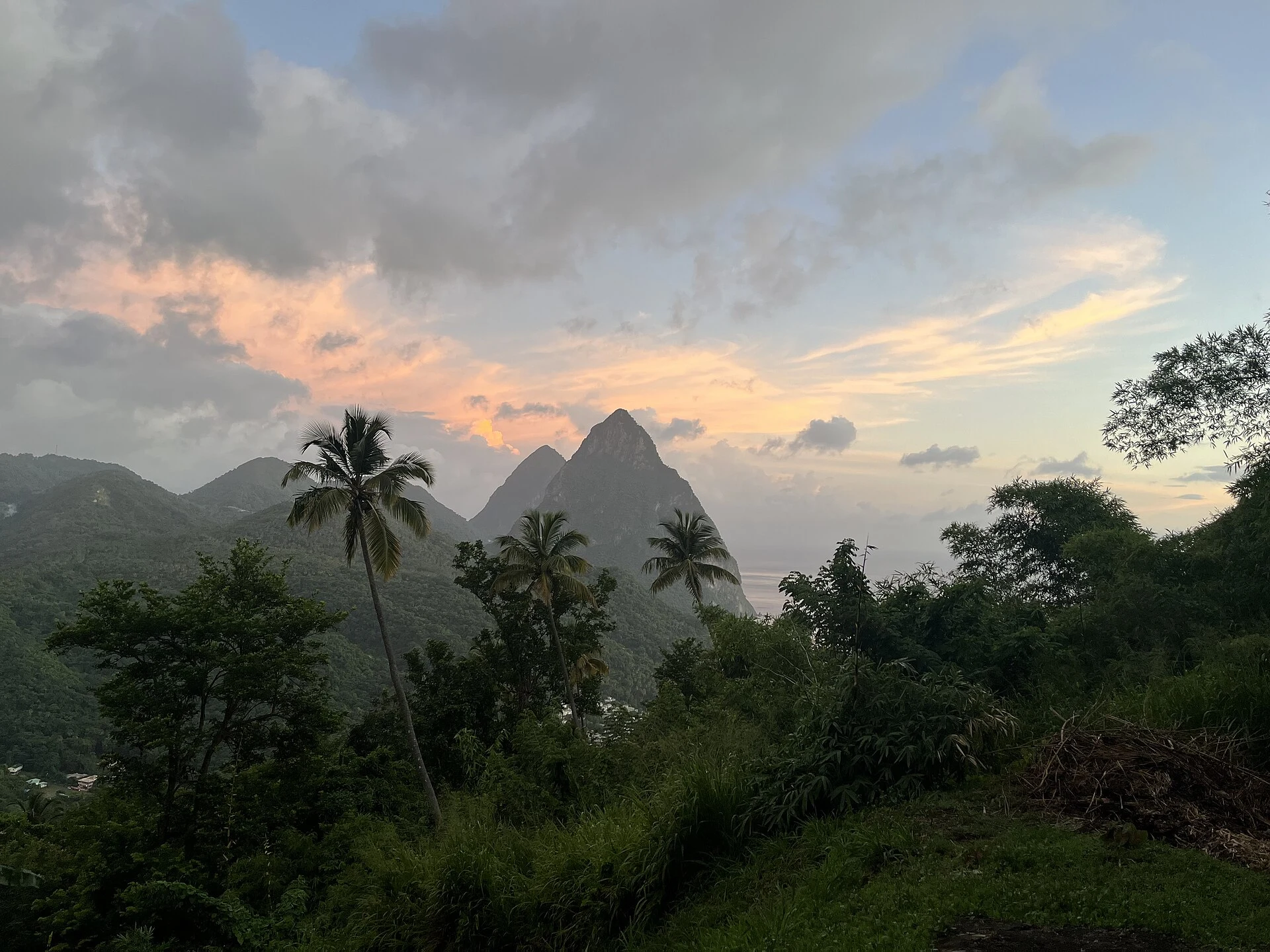
The Pitons form part of a protected area with multiple uses: they are not two isolated peaks to be consumed from a viewpoint, but a volcanic, forested, marine and inhabited landscape in the southwest of Saint Lucia. UNESCO’s site includes the volcanic spires as well as reefs, geothermal springs and areas where people live; a good visit therefore begins by choosing an experience suited to your ability, available time and way of engaging with the place.
First: do not treat Petit Piton as the “more authentic” version of Gros Piton
Gros Piton and Petit Piton are not equivalent alternatives. The Saint Lucia Tourism Authority describes Gros Piton as a roughly 4 km round-trip route, usually taking 4 to 6 hours, with moderate to strenuous difficulty and steep, rocky sections; a certified local guide is required. Petit Piton, by contrast, is a far more exposed and technical climb: around 3.2 km round trip, taking 3 to 5 hours, with fixed ropes and vertical rock faces; it requires a professional guide.
The sensible choice is clear: choose Gros Piton if you want a physical mountain day, have experience walking on uneven ground and can set aside much of the day for the ascent, descent, transfers and recovery. Choose Petit Piton only if exposure, ropes and a steep incline are genuinely within your skill set, rather than simply part of a travel ambition. Its shorter distance does not make it easier: here, less distance means a greater technical commitment.
Tet Paul helps you understand the landscape’s composition, rather than replacing a feat of climbing
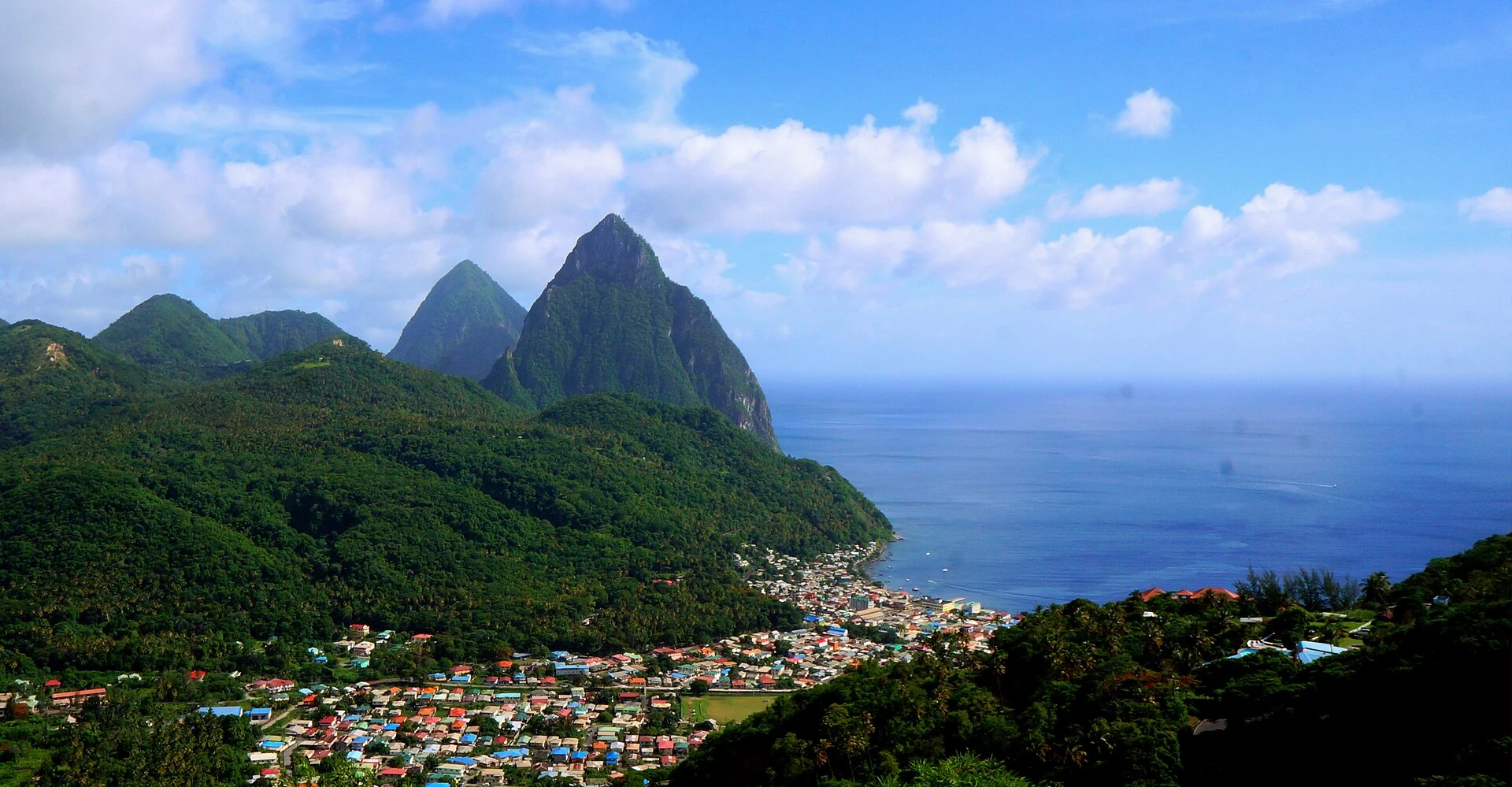
Tet Paul Nature Trail is the best choice if you want to see Gros Piton and Petit Piton at the same time without devoting a full day to a summit. Its operator presents it as a guided visit of about 45 minutes, passing through a local farm, cultivated vegetation and a viewpoint over the south of the island.
That distinction matters: from the summit of Gros Piton, you are inside an experience of exertion and altitude; at Tet Paul, you can read the relationship between the two mountains, the coast and the worked slopes. It is not an “inferior” option for people who do not climb: it answers a different question. It may also fit better into a short day in Soufrière, alongside a quieter activity, rather than chaining a summit with waterfalls, mud baths and photo stops until the landscape becomes a race against the clock.
Even so, short does not mean accessible to everyone. The tourism authority warns that Saint Lucia’s volcanic terrain involves steep, uneven trails, and the Tet Paul experience itself includes an uphill section to its viewpoint. If you have reduced mobility, knee pain or vertigo, or need continuous surfaces, contact the operator directly before travelling and ask about steps, handrails, toilets, parking and the exact section you might be able to complete.
A practical rule for deciding before you book
Use this division, without dressing it up:
Choose Gros Piton if your goal is to walk, not just take photographs; you have grippy footwear, enough water and the stamina for several hours of ascent and descent. A certified guide is not an optional extra: it is a requirement communicated by the tourism authority.
Choose Petit Piton if you already know how to handle a steep climb with exposure and ropes. If you are hesitating between Petit and Gros, the responsible answer is usually Gros — or Tet Paul — not Petit.
Choose Tet Paul if you prioritise a panoramic reading of both Pitons, are travelling with limited time, do not want the walk to dictate your entire day, or are looking for a guided activity connected to a farm and a small local business. The visit does not remove the changes in elevation, but it avoids presenting a mountain ascent as a requirement for appreciating the place.
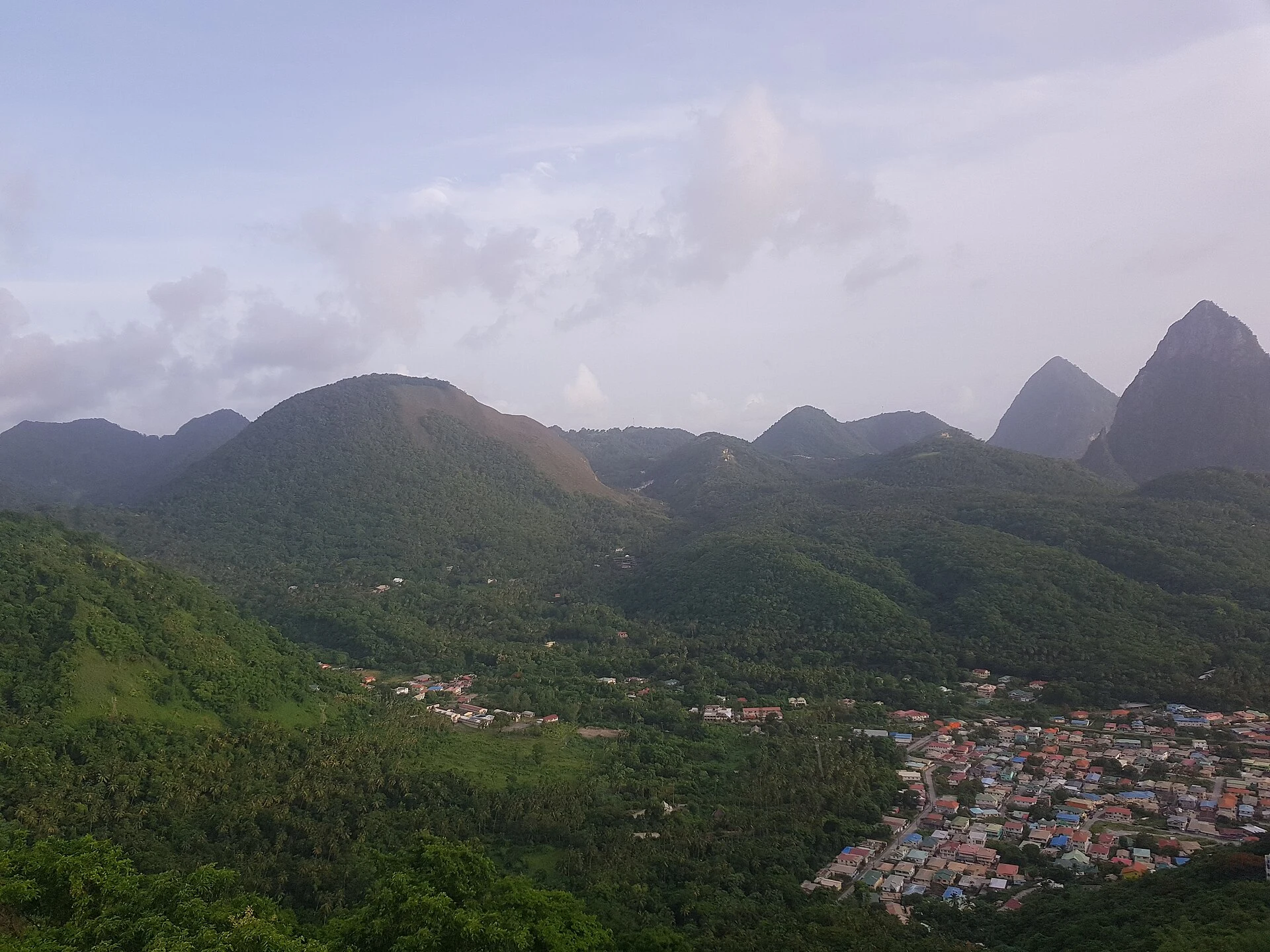
The protected landscape asks for more than reaching the viewpoint
The UNESCO inscription protects more than a famous silhouette: the Pitons Management Area covers 2,909 terrestrial and marine hectares, including forests, a marine area with reefs and a resident population in its multiple-use zones. The organisation identifies pressure from hotels, housing and tourism among the continuing conservation challenges.
In practice, stay on the authorised route, do not cut across slopes or cultivated areas, take your waste back with you and avoid treating rural access roads as extensions of a resort. Booking directly with the Tet Paul operator or with the authorised service for the hike you have chosen helps ensure that logistics and interpretation do not depend on intermediaries promising interchangeable experiences. For Tet Paul, also follow the operator’s current instructions rather than relying on unofficial signs by the road.
What to check just before you go
Mountain conditions and operating arrangements change with rain, wind, works, visitor capacity and guide availability. Before setting out, confirm with official sources or direct operators: whether the trail is open; the last admission time; whether reservations are required; the assigned guide; the expected duration; the price and payment method; ground conditions; and whether children are permitted on the route. For Gros Piton and Petit Piton, check the Saint Lucia Tourism Authority page; for Tet Paul, contact the trail operator.
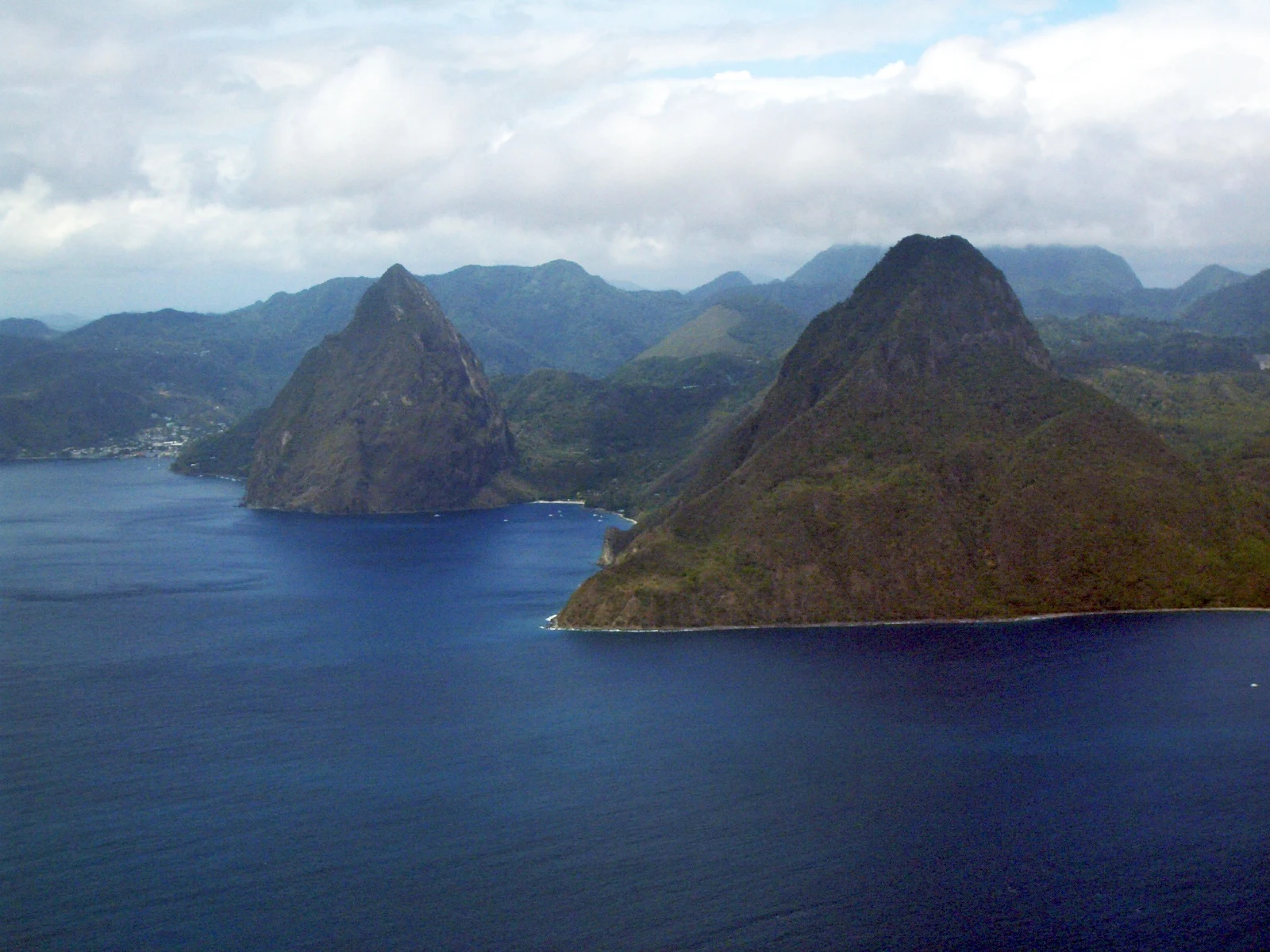
References consulted during editorial review. Times, requirements and advisories may change: always confirm with the official source.
- https://whc.unesco.org/en/list/1161whc.unesco.org
- https://whc.unesco.org/en/statesparties/lc/whc.unesco.org
- https://whc.unesco.org/en/list/1161/documents/whc.unesco.org
- https://whc.unesco.org/document/106671whc.unesco.org
- https://whc.unesco.org/en/list/1161/assistance/whc.unesco.org
- https://whc.unesco.org/en/decisions/5044whc.unesco.org
- https://whc.unesco.org/uploads/nominations/1161.pdfwhc.unesco.org
- https://whc.unesco.org/en/decisions/1646whc.unesco.org
- Santa LucíaWikidata · CC0 1.0 · Wikidata · Q760
- Santa LucíaWikidata · CC0 1.0 · Wikidata · Q1645159
- Santa LucíaWikidata · CC0 1.0 · Wikidata · Q12882
- Saint LuciaWorld Countries — mledoze · ODbL 1.0 · World countries dataset by mledoze and contributors · ODbL 1.0
- St. LuciaWorld Bank Open Data · CC BY 4.0 · World Bank
- Santa LuciaDBpedia · CC BY-SA 3.0 · DBpedia