 Finland
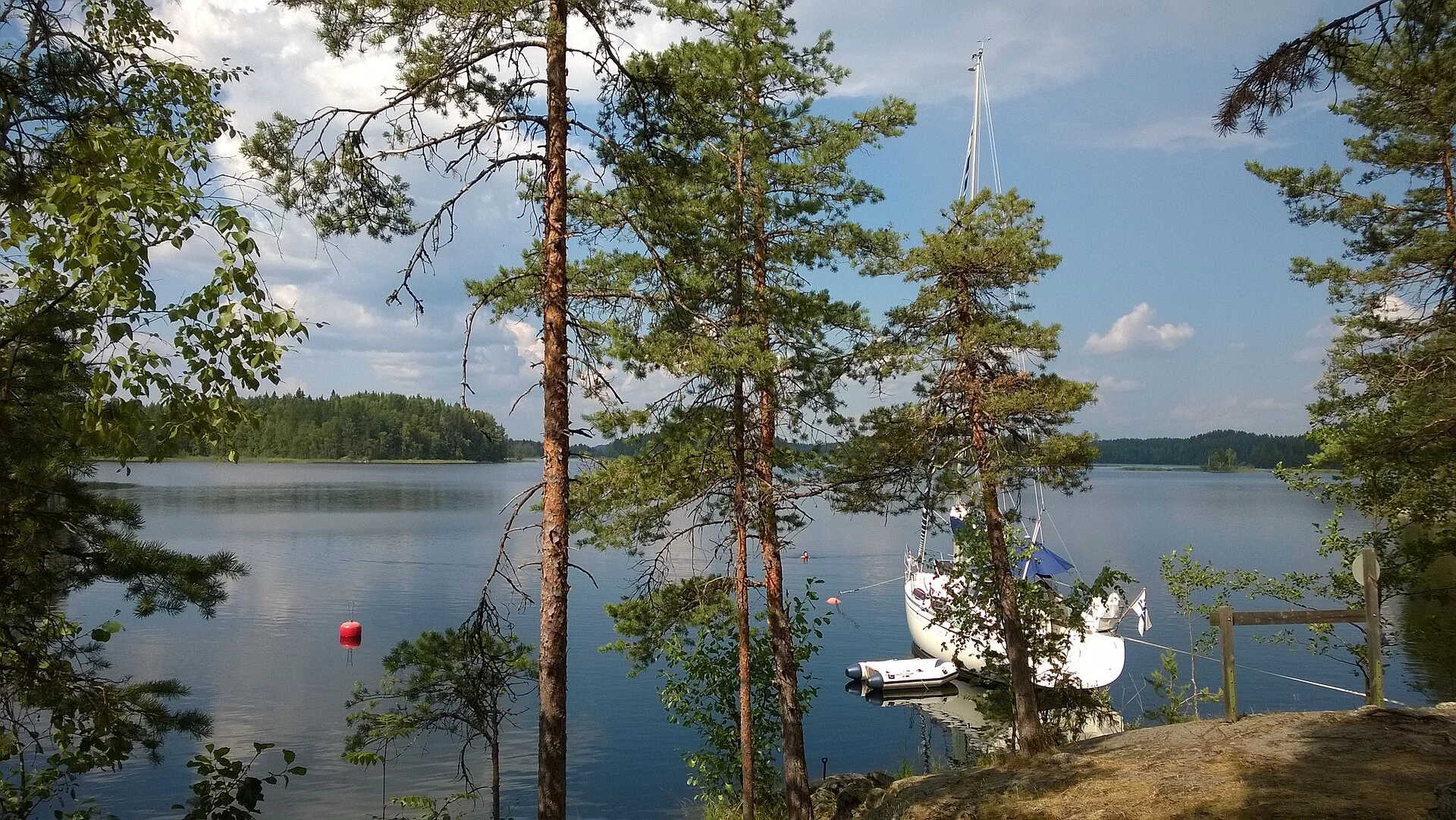
Choosing Where to Explore Saimaa’s Lakes and Islands
In Saimaa, the best decision is not to chase a sighting, but to choose the pace and means of navigation that place the least demand on the lake—and give your trip the most meaning.
Read guide →Discover Lakes and rivers guides with useful information, visible sources and context to plan each trip better.
 Responsible travel
In Saimaa, the best decision is not to chase a sighting, but to choose the pace and means of navigation that place the least demand on the lake—and give your trip the most meaning.
Read guide →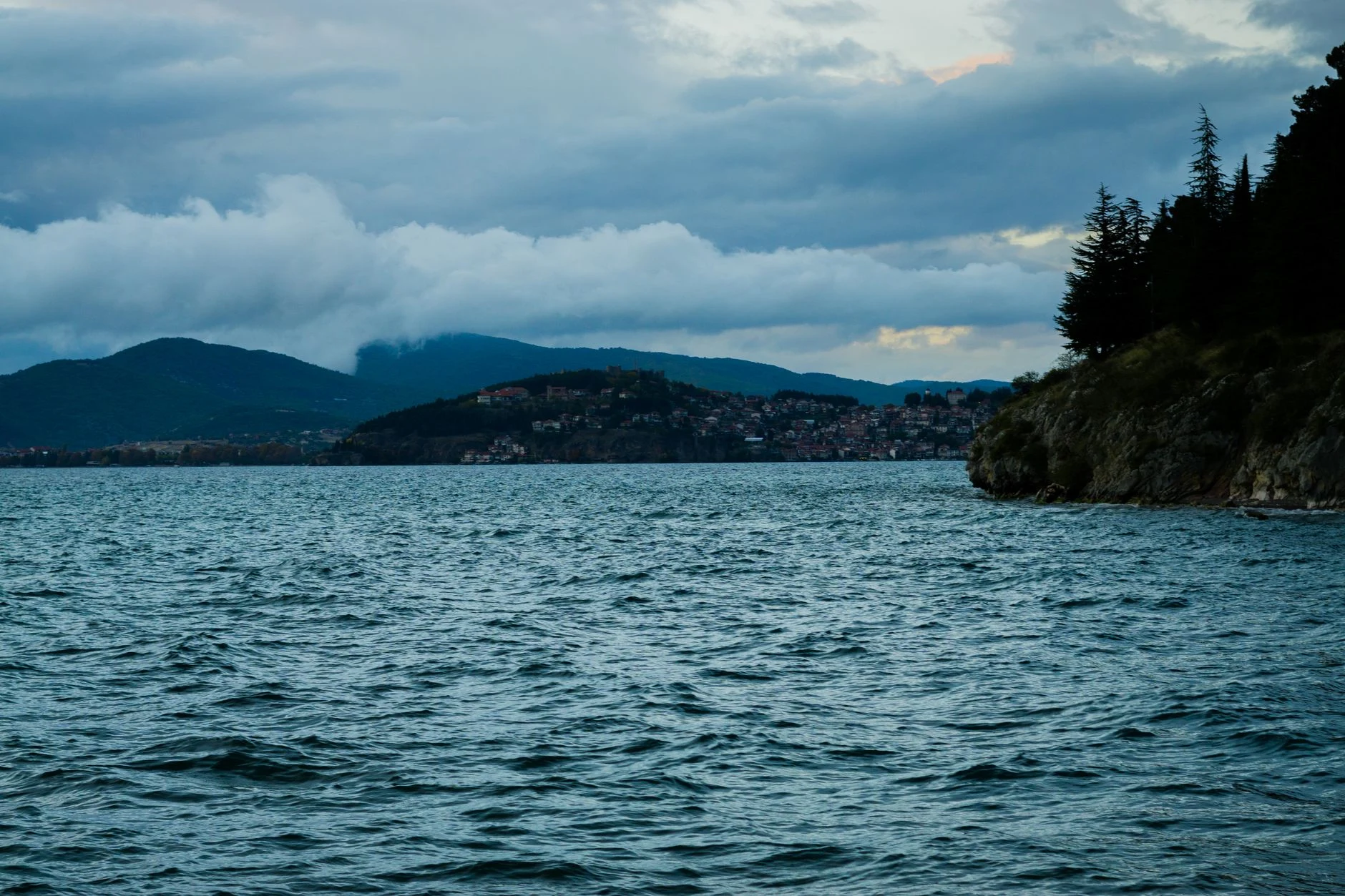 Responsible travel
Lake Ohrid is not the backdrop to an ancient town: it is part of a shared cultural and ecological system. The best visit does not try to cover everything, but decides which relationship it wants to understand: the hillside town, the wetland edge or the mountain.
Read guide →Lamanai rewards travelers who accept that getting there is part of the visit. It is more than a group of temples: the river, lagoon, colonial churches and former sugar mill invite you to look at a long history still connected to living communities.
Read guide → Nature
Eswatini’s largest protected area is not a interchangeable outing of viewpoints and zip lines. At Malolotja, the decisive choice is one of scale: a day spent reading its high grasslands and grassland birds, or several days venturing into more rugged terrain with genuine independence and preparation.
Read guide →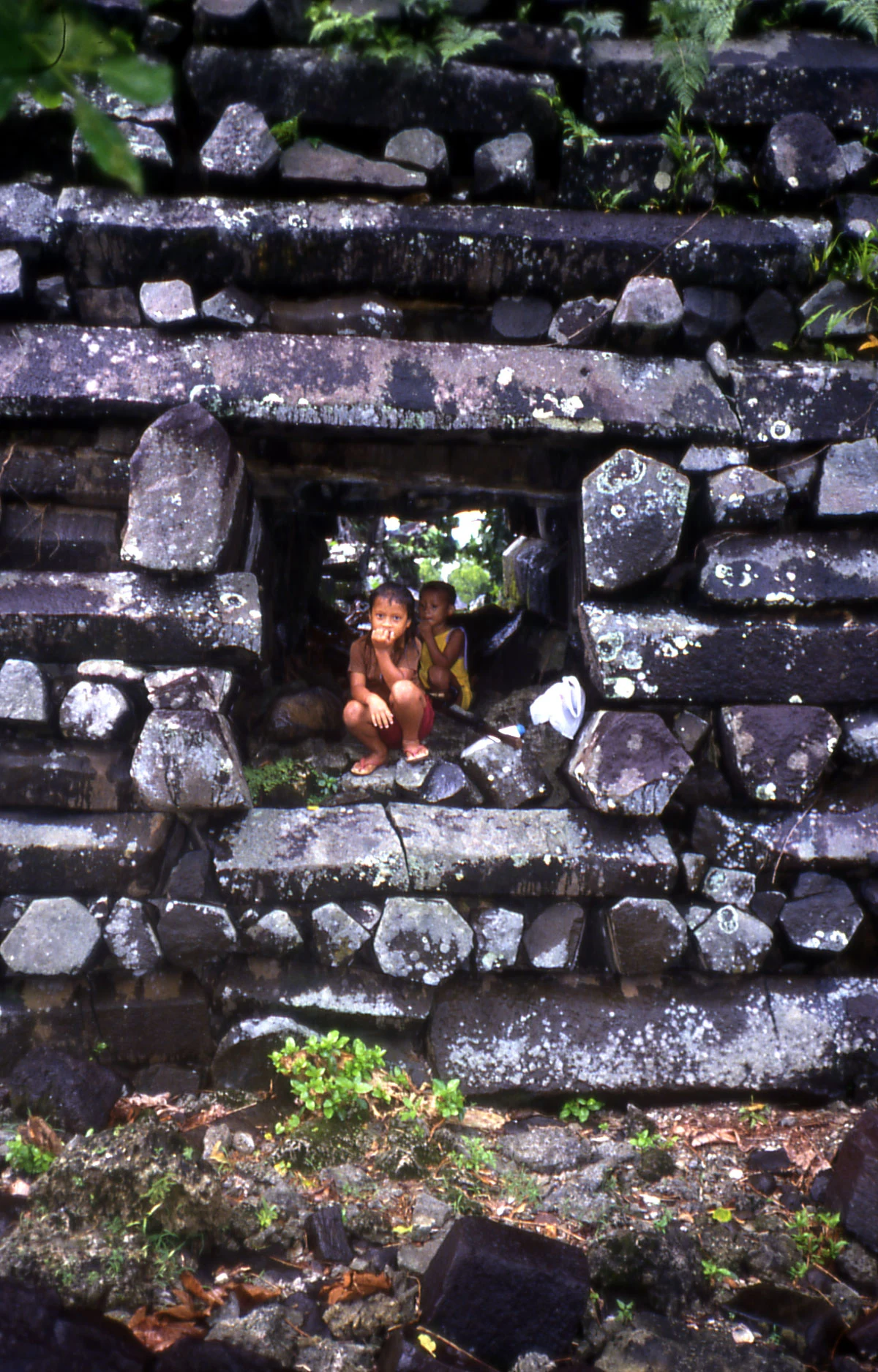 Culture
At Nan Madol, the important decision is not how long to stay, but which access route lets you understand the site without expecting an experience that its conservation status, tides and living cultural significance cannot promise. This guide helps you choose between the land entrance at Temwen and a trip on the water, with realistic expectations.
Read guide →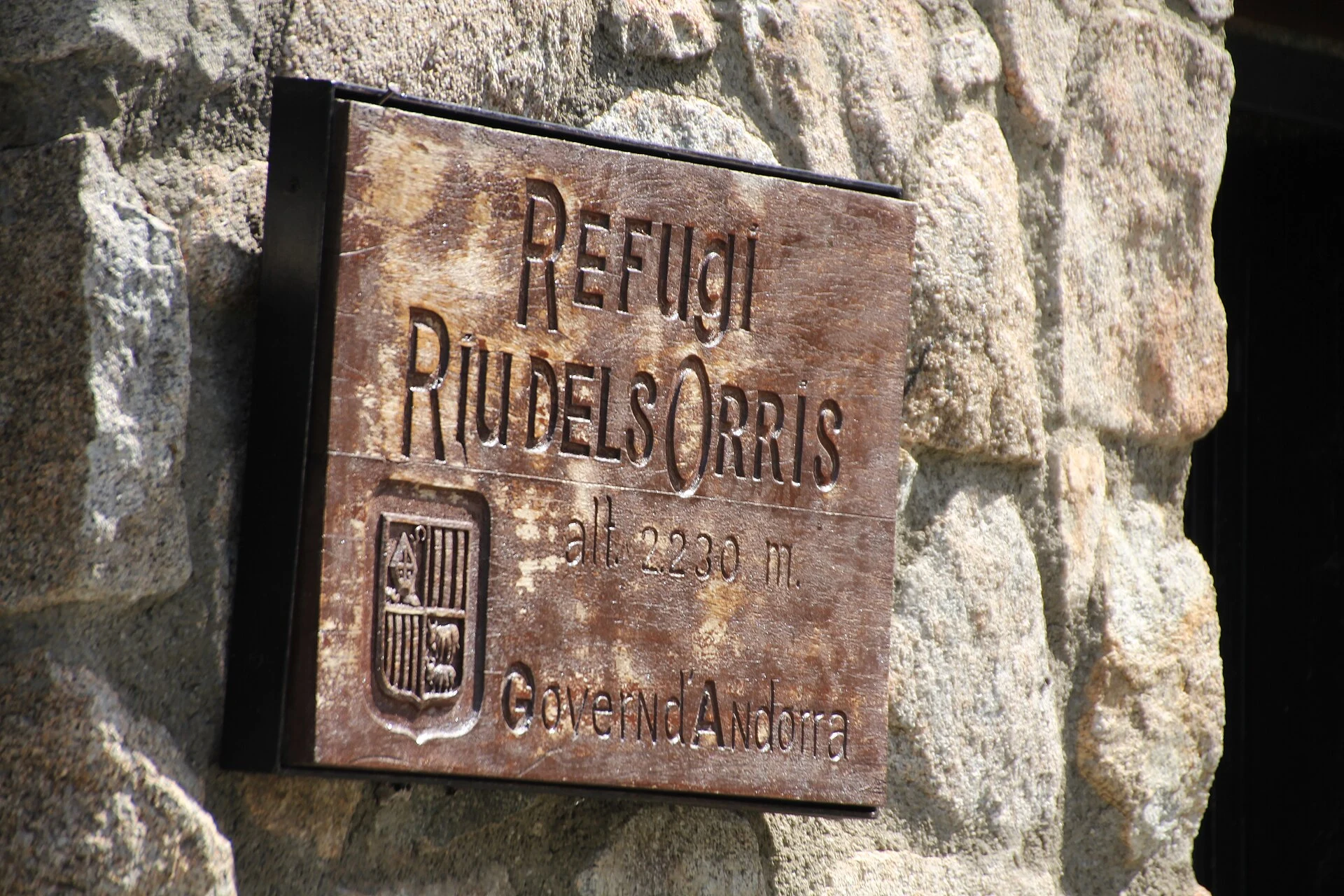 Culture
The Madriu-Perafita-Claror Valley does not reward the ambition to cover it all: its access points lead to very different experiences. Choose between stone and bordes, high mountains or a hut-to-hut crossing, and do not mistake a living landscape for a quick-consumption route.
Read guide →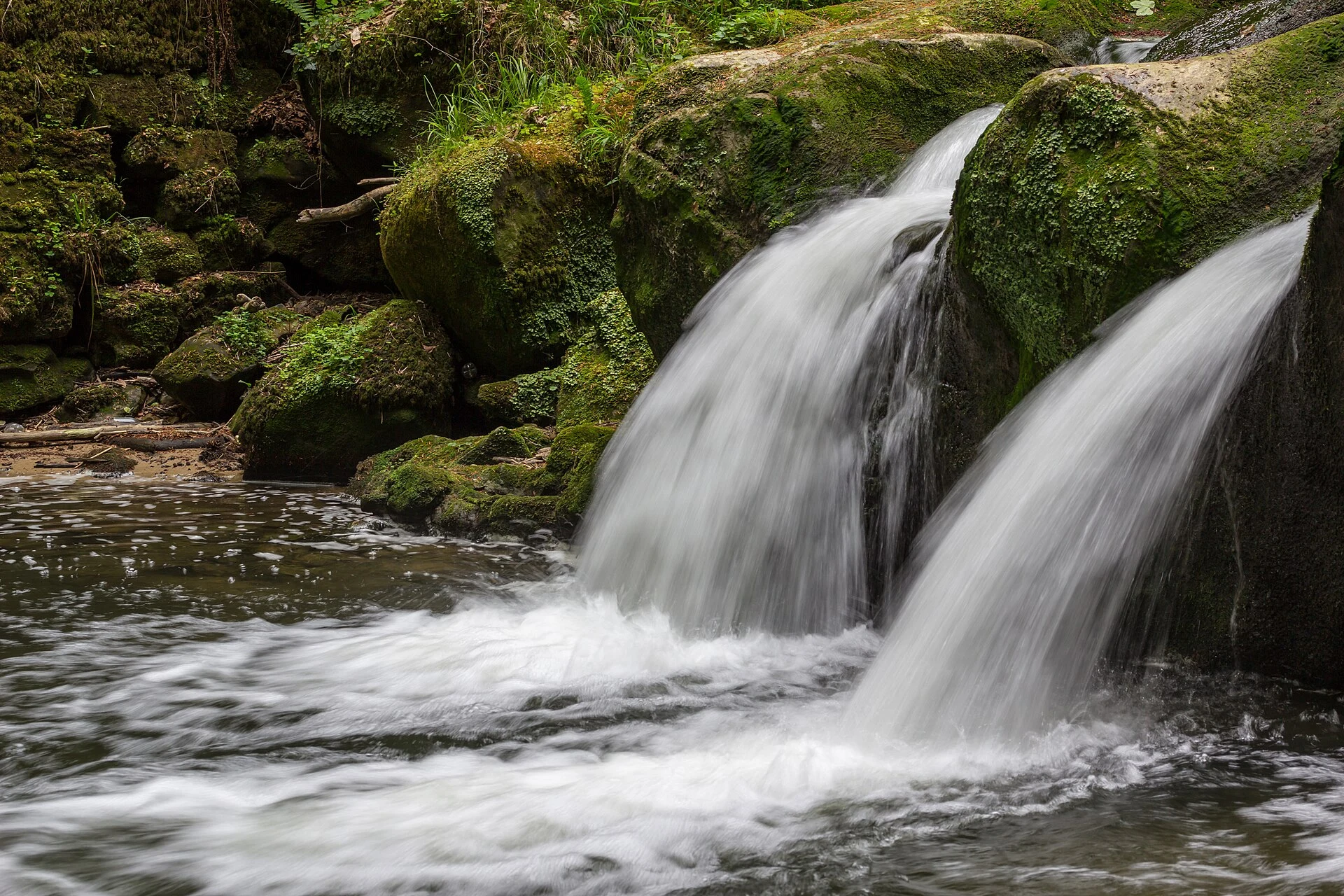 Nature
The Mullerthal Trail is not a 112-kilometre route you need to “complete”. Its three loops suit different ways of walking: valleys and meadows, rocky gorges, or forests and castles. Choosing one—and recognising its limits—makes for a clearer, safer and more respectful experience than chasing every landmark in a single day.
Read guide →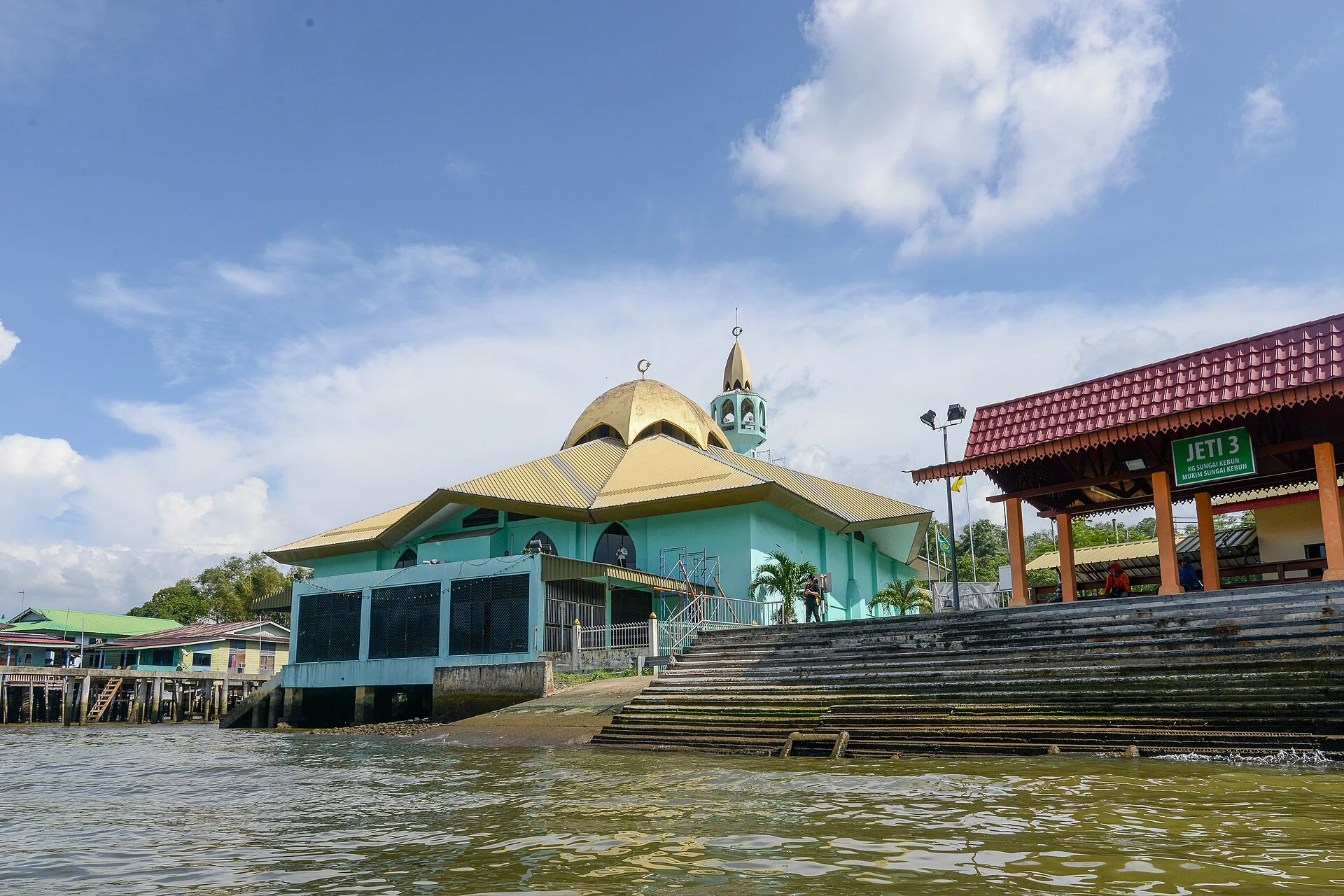 Culture
Kampong Ayer is best understood as a network of inhabited neighbourhoods, jetties, walkways, schools and small local economies—not as a photo excursion. This guide suggests a slower visit: start with context, then take a boat, and only afterwards walk, making practical choices about negotiating the fare, respecting privacy and recognising accessibility limits.
Read guide →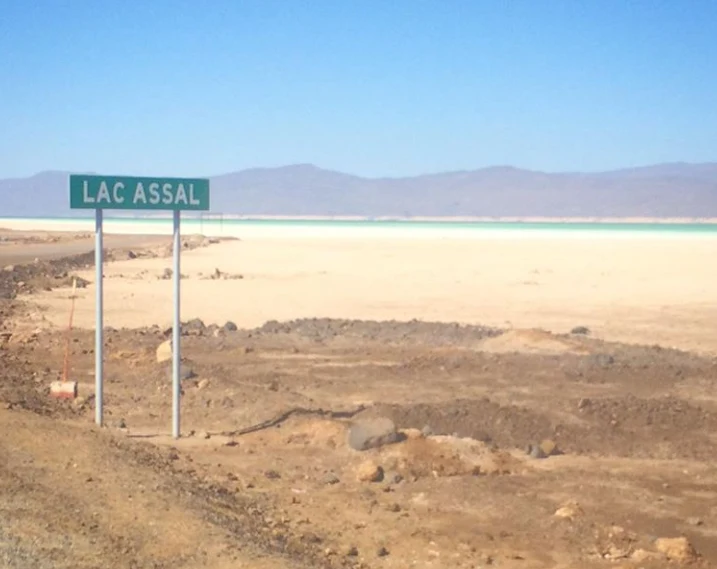 Nature
At Lake Assal, white does not mean just one thing. There is crystallized salt, brine, working routes and a protected landscape shaped by heat and desert logistics. This guide offers a clearer visit: go to understand the rift, respect active areas and plan the return before descending to the lake.
Read guide →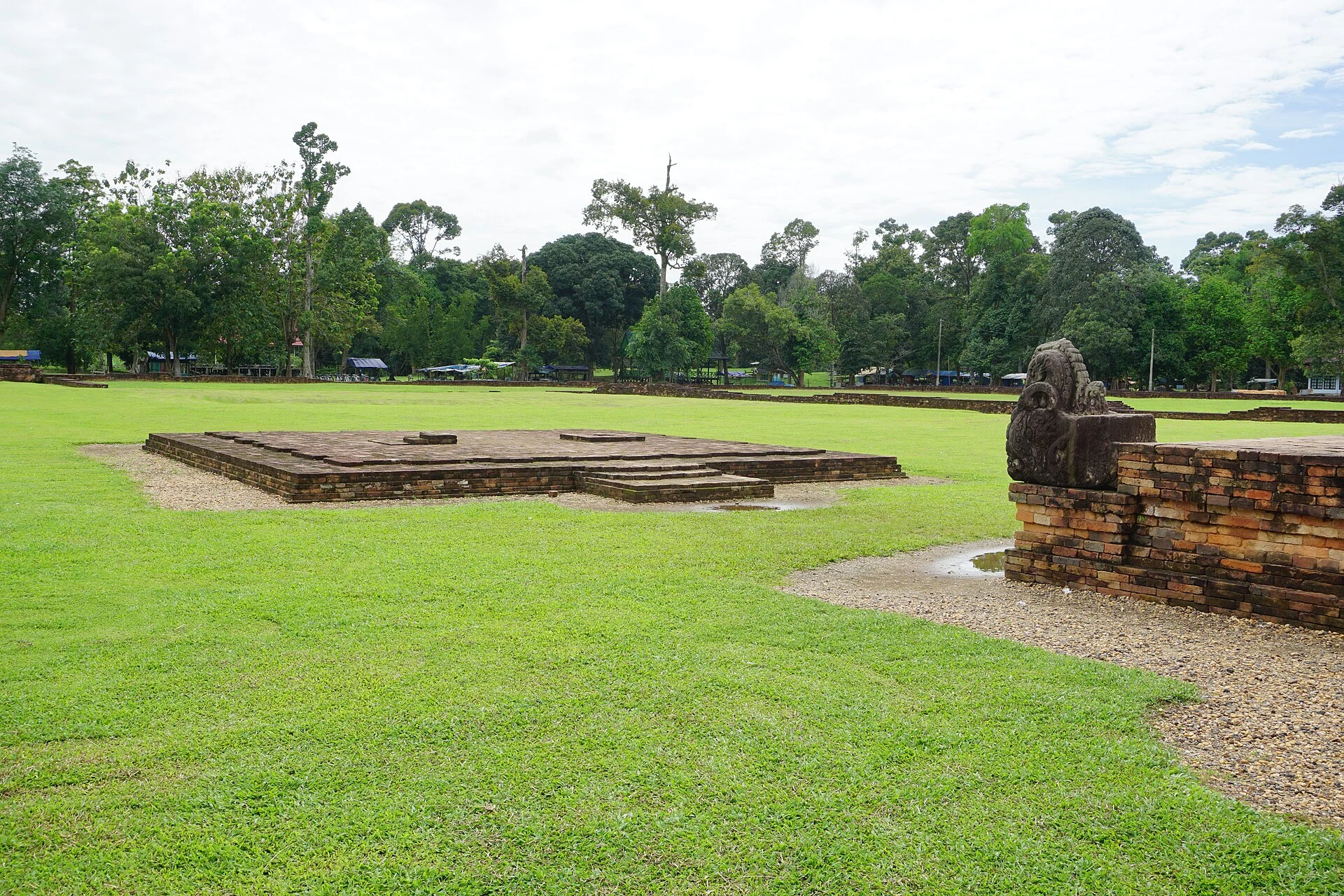 Culture
Muara Jambi is neither a photo stop nor a single temple: it is a vast, inhabited, riverine archaeological landscape. This guide proposes a one-day visit from Jambi that prioritizes realistic distances, Buddhist context and basic care, so restored ruins are not mistaken for a contained archaeological park.
Read guide →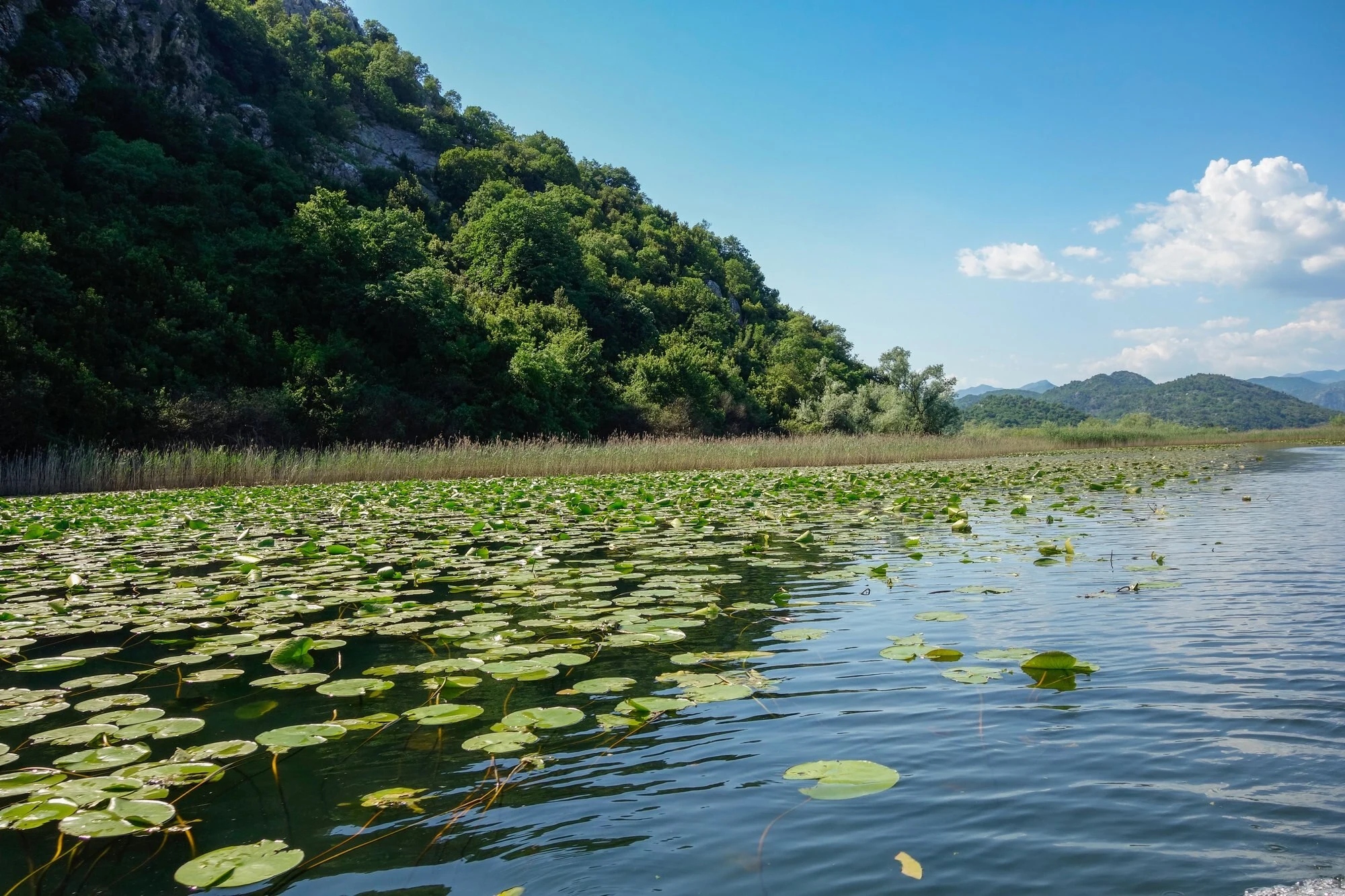 Responsible travel
Lake Skadar is best visited without trying to take it all in. From Podgorica, the train reaches Virpazar without a car; after that, choosing just one experience—an unhurried boat ride, kayaking or a visitor centre—reduces haste and pressure on a protected wetland.
Read guide → North Macedonia
 Belize
 Eswatini
 Micronesia
 Andorra
 Luxembourg
 Brunei
 Djibouti
 Indonesia
 Montenegro