Eswatini · nature with context
Choosing a Route in the Mountains of Malolotja
Eswatini’s largest protected area is not a interchangeable outing of viewpoints and zip lines. At Malolotja, the decisive choice is one of scale: a day spent reading its high grasslands and grassland birds, or several days venturing into more rugged terrain with genuine independence and preparation.

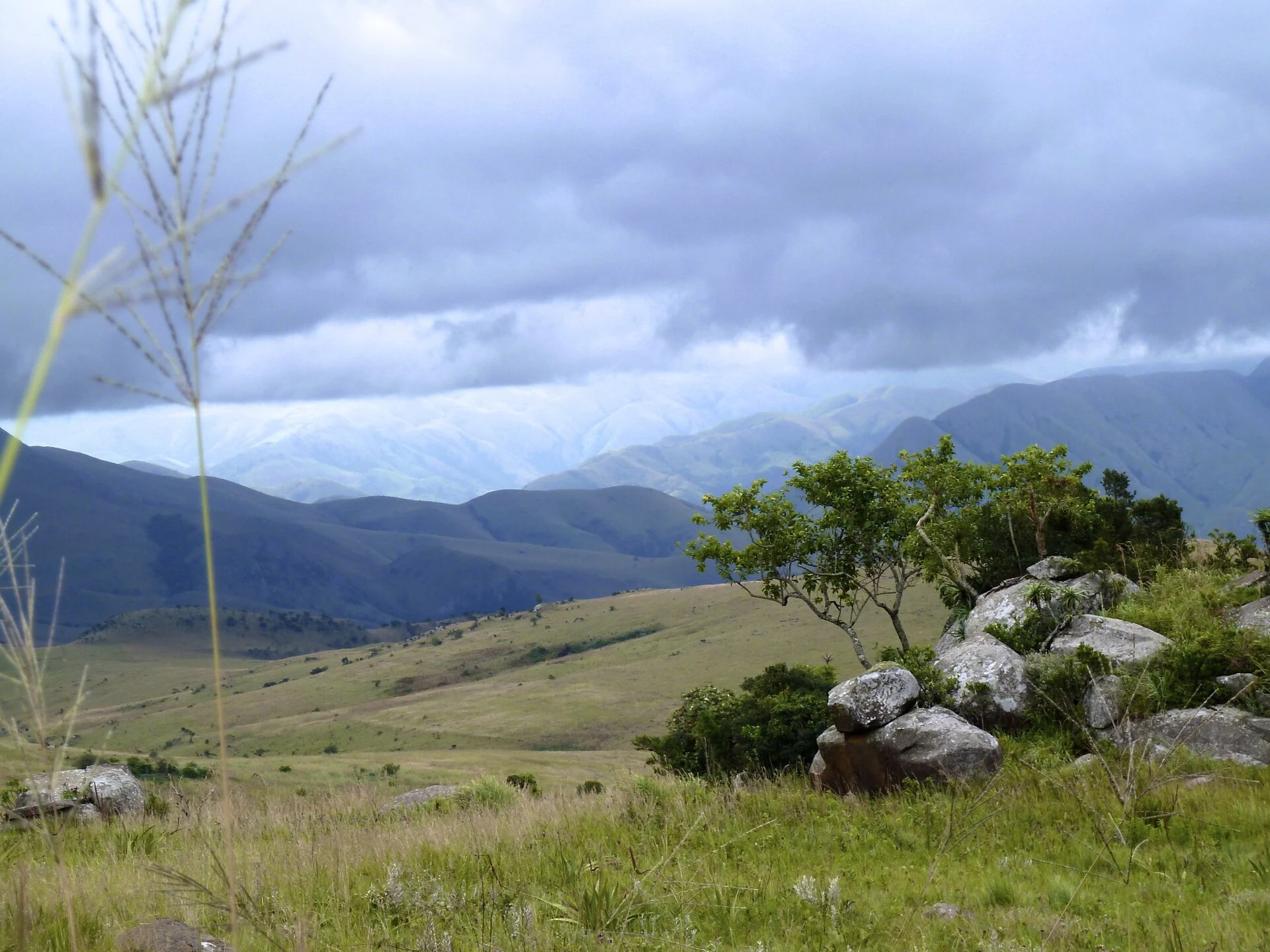
Malolotja Nature Reserve, in north-western Eswatini, brings together high-altitude grasslands, wetlands, mist forests and mountain valleys across more than 18,000 hectares. Its trail network ranges from short walks to routes lasting several days, but that breadth can lead to a common mistake: trying to “see it all” from the entrance, a waterfall or an aerial activity. The key is to decide which landscape you want to understand and how much time—and self-sufficiency—you can devote to it.
Two Malolotjas, one travel decision
The eastern sector, closer to the main access point, retains rolling grasslands and high-altitude wetlands; towards the west, the geology and topography become steeper and more deeply dissected. This is not merely a landscape distinction: it determines the kind of walk, the effort, the time required and even what you may observe. The Key Biodiversity Area factsheet notes that primary grasslands are concentrated in the east, while the west is more rugged.
Choose an edge-of-the-reserve day if you want a gentle introduction to the highveld, have transport with a fixed schedule, are travelling with people who do not want to carry equipment, or would rather spend time observing birds and plants than accumulating kilometres. It is the sensible option for anyone arriving from Mbabane or combining Malolotja with other parts of the country. Do not present it as a “lesser version”: the grasslands and wetlands are central to the area’s ecological value.
Choose a traverse of two or more nights only if you enjoy walking independently, accept uneven terrain and can organise water, food, navigation and a coherent exit plan with the park’s team. The managing authority describes an extensive trail network and backpacking camps that make itineraries of two to seven days possible.
Do not go only for the waterfall—or only for the zip line
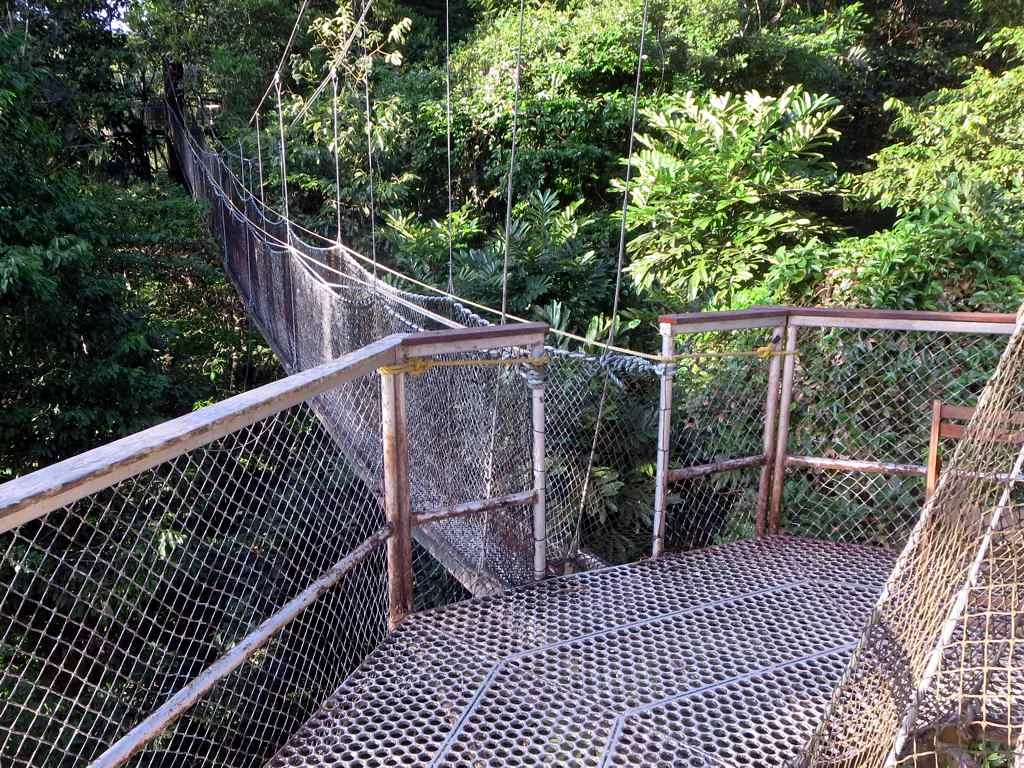
Malolotja Waterfall and the canopy tour can be part of the day, but they do not replace an understanding of the landscape. The waterfall concentrates visual attention; the aerial route adds an adventure activity. Neither, on its own, guarantees a mountain experience or attentive nature observation.
To decide, first ask what you want to take away from the place. If the answer is high-altitude scenery, set aside time to walk slowly through the grasslands and pause at the transitions between grassland, rock and forest. If it is wildlife, prioritise the early hours and silence: Malolotja is recognised as a Key Biodiversity Area and contains important habitats for grassland species, including the blue swallow and southern bald ibis. If the answer is adventure, confirm that the activity is operating that day and consider adding a short walk before or afterwards, rather than treating the reserve like an amusement park.
Opening times, guide availability, trail conditions, access to the waterfall and commercial activities may change. Check them directly with the Eswatini National Trust Commission before setting out.
A sensible way to divide three days
Day 1: arrive and get your bearings. Enter in daylight, speak to staff about trail conditions and choose a short walk near the access point. Use it to gauge your pace, the mud or the wind—not to chase a checklist of species.
Day 2: choose a single focus. For a relaxed stay, spend the day on a grassland route, birdwatching and visiting the waterfall, leaving enough time to return before dusk. For a walking-focused stay, start a route towards the interior only if the logistics are sorted and the park has approved the plan.
Day 3: leave without compressing the experience. Keep the morning for a short section, patient observation or a detour recommended by staff according to current conditions. It is better to finish with an incomplete but intelligible experience than to hurry through a landscape that demands attention.
The reserve has cottages and camping near the entrance, as well as options for backcountry camping. This supports two very different rhythms: a fixed base with day excursions, or a backpacking progression. Choose the first if comfort, weather or logistical uncertainty matter more than the distance covered.
Preparation, limits and responsible travel
Malolotja should not be treated like an urban park. Mountainous terrain, long distances and rapidly changing high-altitude conditions call for grippy footwear, layers for cold or rain, enough water, sun protection, a torch and a plan that someone else knows about. For multi-day routes, check in advance what permits, bookings, route guidance or accompaniment the area’s management requires. Eswatini legislation establishes that entry to parks and reserves is subject to a permit and to the conditions set by the competent authority.
Accessibility is limited for travellers with reduced mobility: much of Malolotja’s appeal lies in natural surfaces, uneven trails and changes in elevation. Do not assume that a viewpoint, accommodation or activity will be accessible; request specific, up-to-date information about routes, toilets and transfers before booking.
Responsible travel here does not mean seeking solitude as a trophy. It means staying on the trails, not feeding animals, removing plants, stones or other elements, and avoiding noise in bird areas. These behaviours are not merely good manners: the regulations prohibit, among other actions, damaging vegetation, removing natural objects, feeding or disturbing wildlife and leaving waste.
When it makes the most sense
Spring may be especially interesting for travellers focused on flora: the managing body highlights the wildflower displays at that time. But the best moment depends more on your objective than on a seasonal label: flowers and birds call for a slow pace; a traverse requires assessing rainfall, visibility, ground conditions and water availability with the park administration.
Before you go, check the official source for entrance fees, opening times, cottage or camping bookings, operating activities, maps and any temporary restrictions. Do not base a mountain itinerary on outdated social-media information or a timetable reproduced by third parties.
References consulted during editorial review. Times, requirements and advisories may change: always confirm with the official source.
- https://eswatinilii.org/akn/sz/act/1972/9/eng%401998-12-01/sourceeswatinilii.org
- https://eswatinilii.org/akn/sz/act/1972/9/eng%401998-12-01eswatinilii.org
- https://www.gov.sz/images/MNRE_PICS/Volume-3-of-3.pdfwww.gov.sz
- https://eswatinilii.org/akn/sz/act/1972/9/eng%401998-12-01/source.pdfeswatinilii.org
- https://entc.org.sz/mlawula-nature-reserve/entc.org.sz
- https://www.linkedin.com/posts/eswatini-national-trust-commission_about-us-the-eswatini-national-trust-commission-activity-7094941887257595904-N-Qbwww.linkedin.com
- https://entc.org.sz/opportunities/?v=7dabf5c198b0entc.org.sz
- https://s3.amazonaws.com/biopama-rris.rcmrd.org/s3fs-public/2022-08/Mlawula%20Nature%20Reserve%20management%20plan%202021-2025.pdfs3.amazonaws.com
- EswatiniWorld Bank Open Data · CC BY 4.0 · World Bank
- EswatiniDBpedia · CC BY-SA 3.0 · DBpedia