 Tuvalu
Exploring Fongafale and Funafuti’s Conservation Area
In Tuvalu’s capital atoll, the best decision is not to add more motu, but to set aside one day for Fongafale and another—only if conditions allow—for the conservation area.
Read guide →Discover 3–5 days guides with useful information, visible sources and context to plan each trip better.
In Tuvalu’s capital atoll, the best decision is not to add more motu, but to set aside one day for Fongafale and another—only if conditions allow—for the conservation area.
Read guide →On Mount Kenya, the destination alone is not enough to plan the journey. Choosing where to ascend and descend changes acclimatization, scenery, logistics and the room you have to make prudent decisions.
Read guide →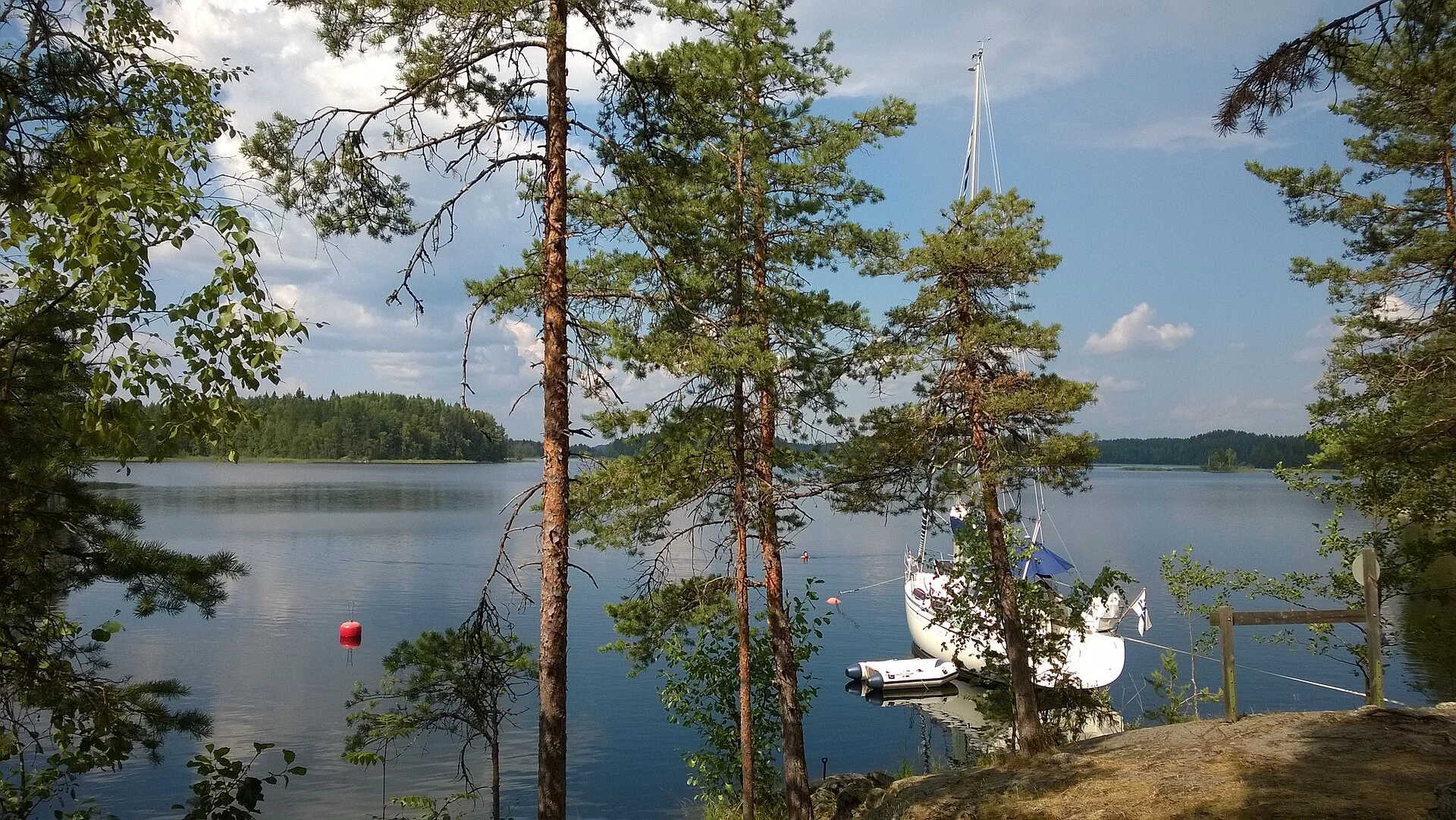 Responsible travel
In Saimaa, the best decision is not to chase a sighting, but to choose the pace and means of navigation that place the least demand on the lake—and give your trip the most meaning.
Read guide →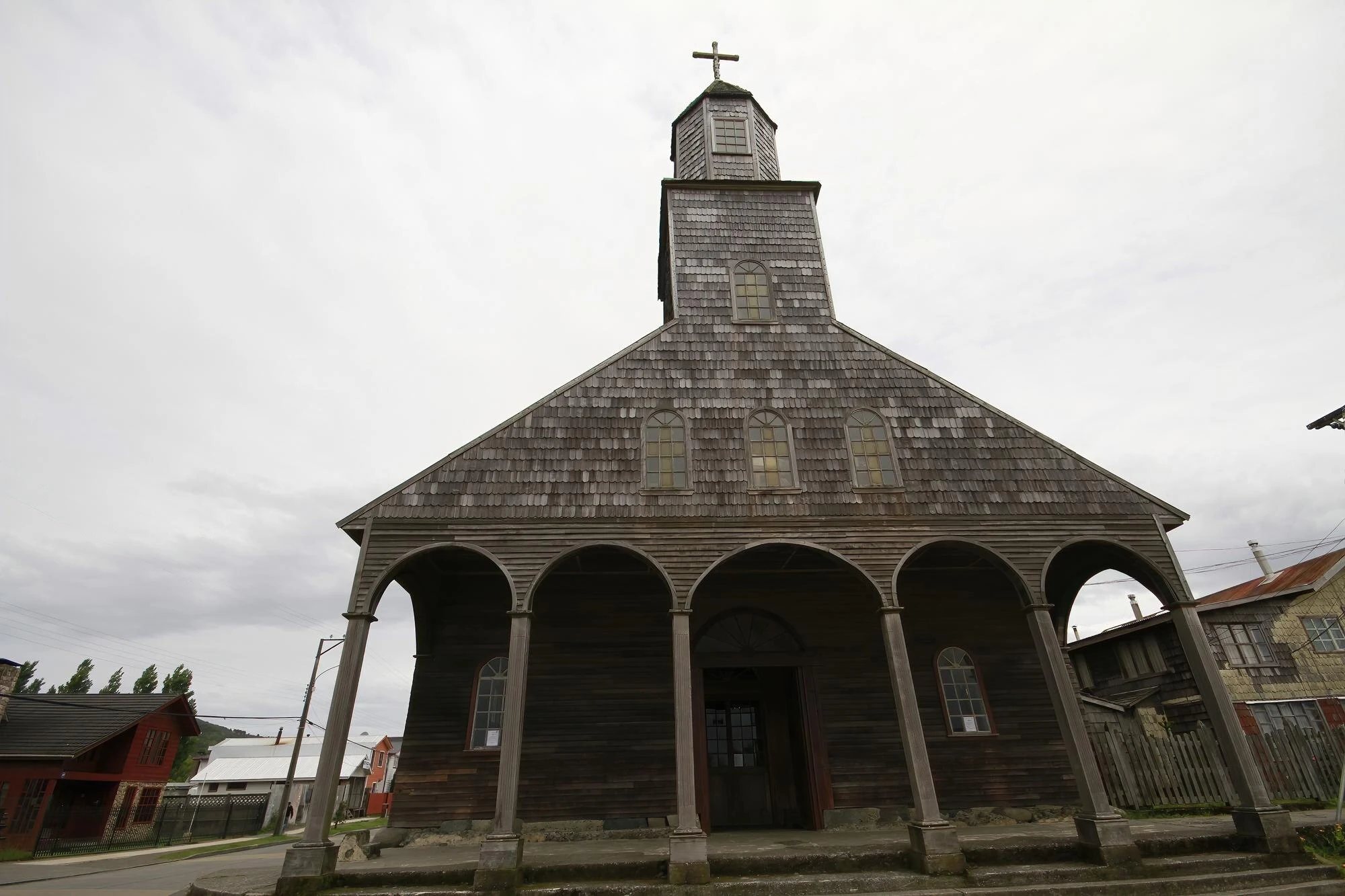 Culture
The Churches of Chiloé are a serial site: their meaning lies in the relationship between community, navigation, wood and worship—not in completing a map. This guide offers three route decisions to see fewer churches, understand more and avoid depending on whether a door happens to be open.
Read guide →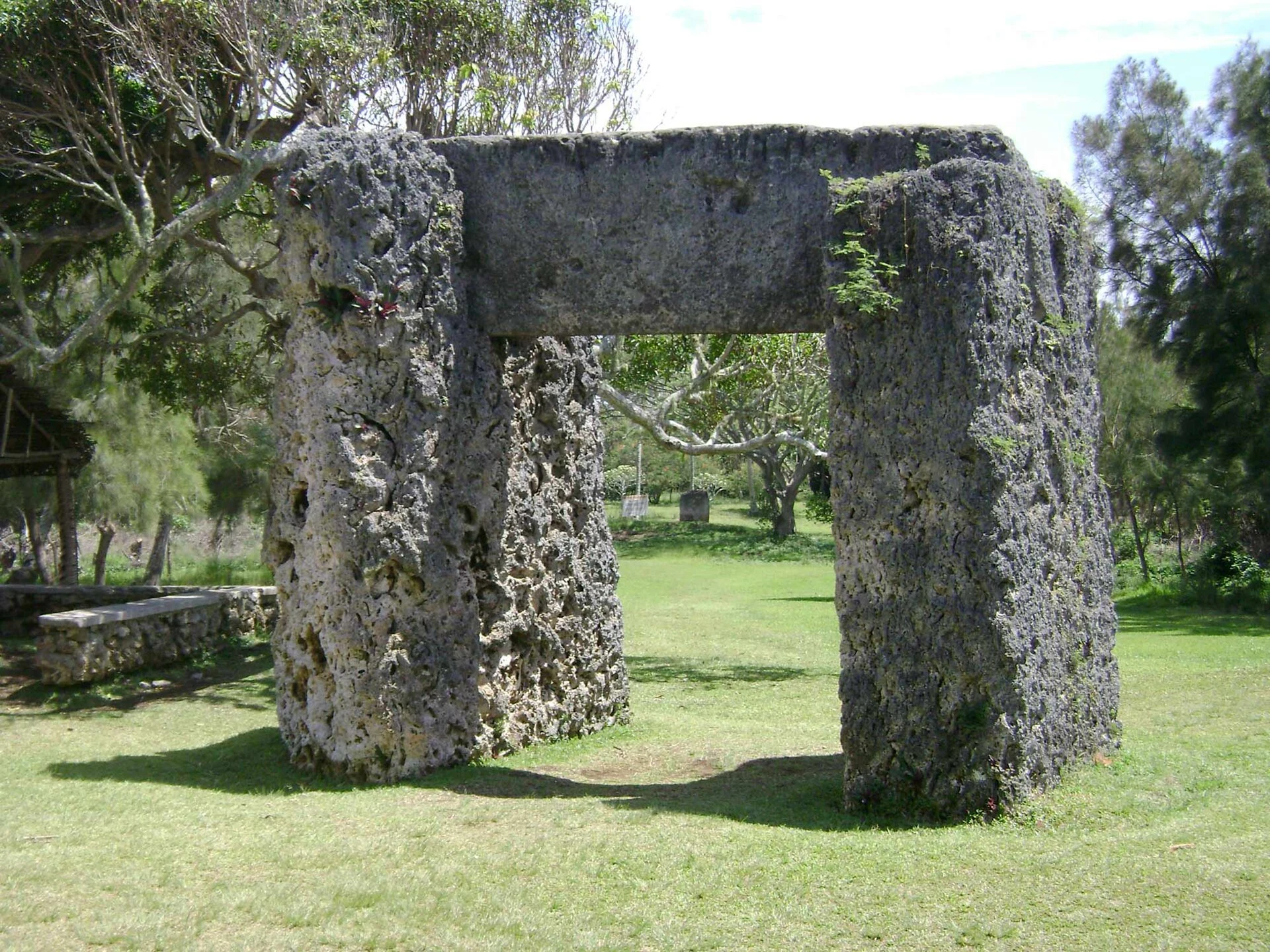 Culture
Ha’amonga ‘a Maui and the langi of Lapaha are not two isolated monuments or a Tongan version of an archaeological park. This short route through eastern Tongatapu helps you decide when seeing the trilithon is enough, why it is worth continuing to Muʻa, and how to visit a landscape of authority, genealogy and memory that still has meaning locally.
Read guide →Lamanai rewards travelers who accept that getting there is part of the visit. It is more than a group of temples: the river, lagoon, colonial churches and former sugar mill invite you to look at a long history still connected to living communities.
Read guide → Practical guides
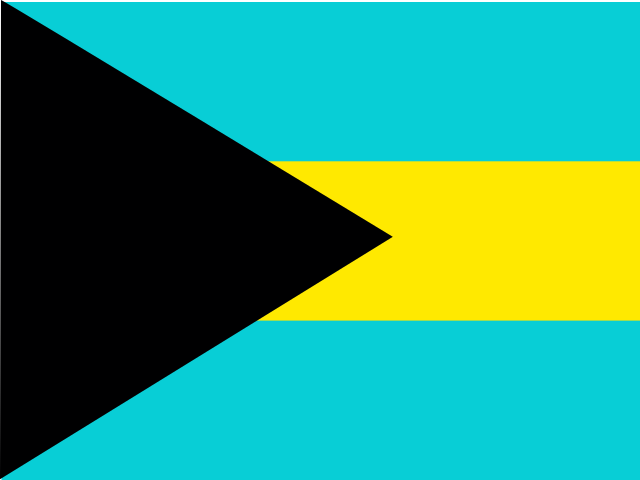
On Andros, trying to see everything usually means spending too much time getting from place to place. This guide helps you choose a base and a main landscape—blue holes, reef or mangrove—for more time on site and fewer impossible promises.
Read guide →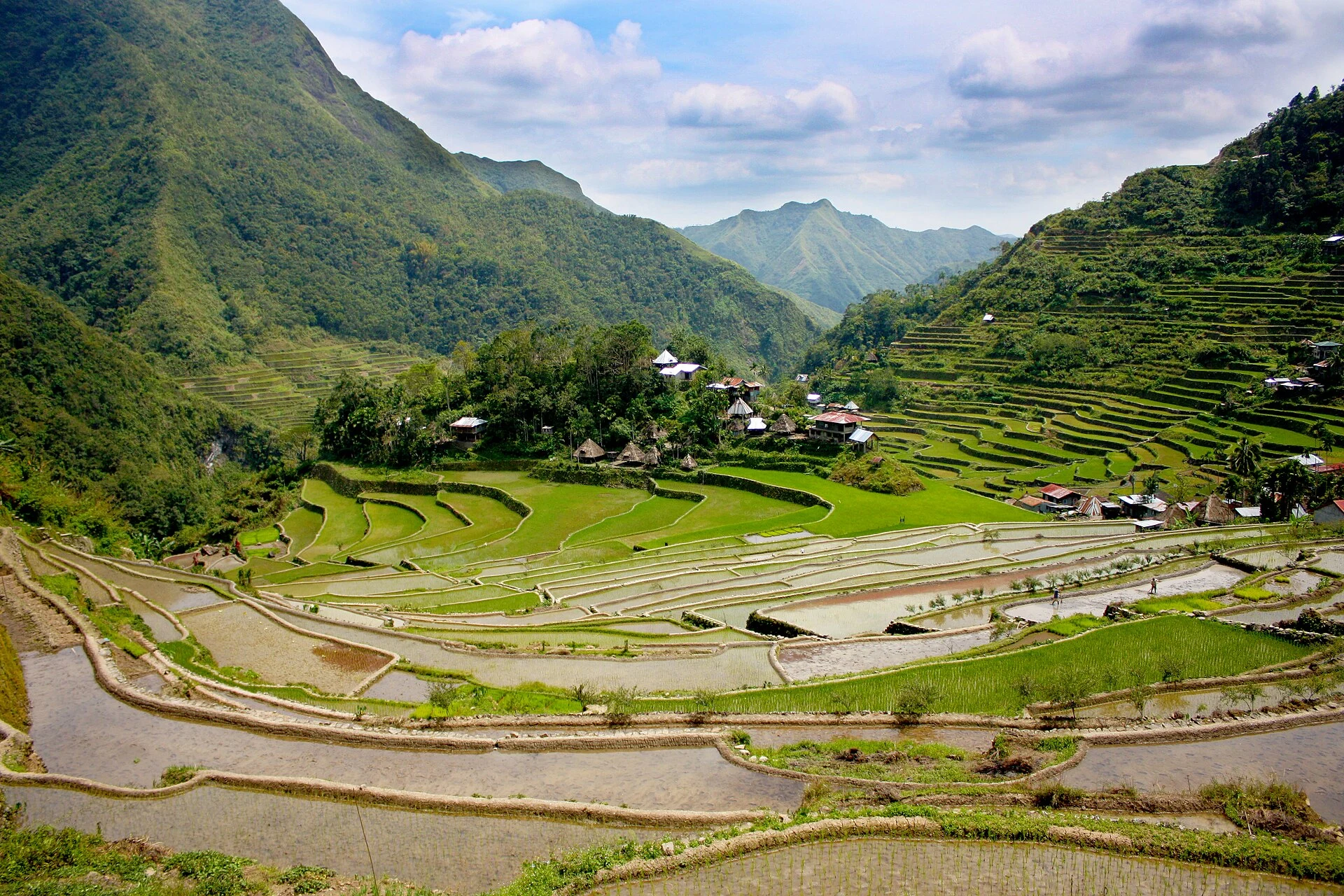 Culture
The rice terraces of the Cordillera are not one single “Banaue landscape.” Choosing between Batad, Bangaan and Kiangan changes the physical demands, travel time and, above all, how you understand an agricultural system that still depends on water, forest, labour and community.
Read guide → Nature
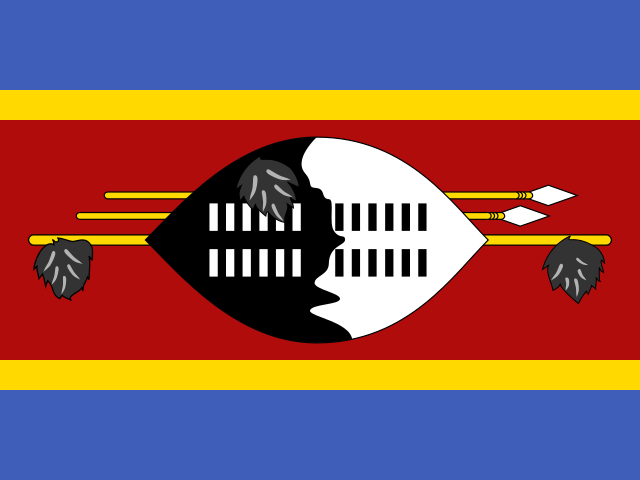
Eswatini’s largest protected area is not a interchangeable outing of viewpoints and zip lines. At Malolotja, the decisive choice is one of scale: a day spent reading its high grasslands and grassland birds, or several days venturing into more rugged terrain with genuine independence and preparation.
Read guide →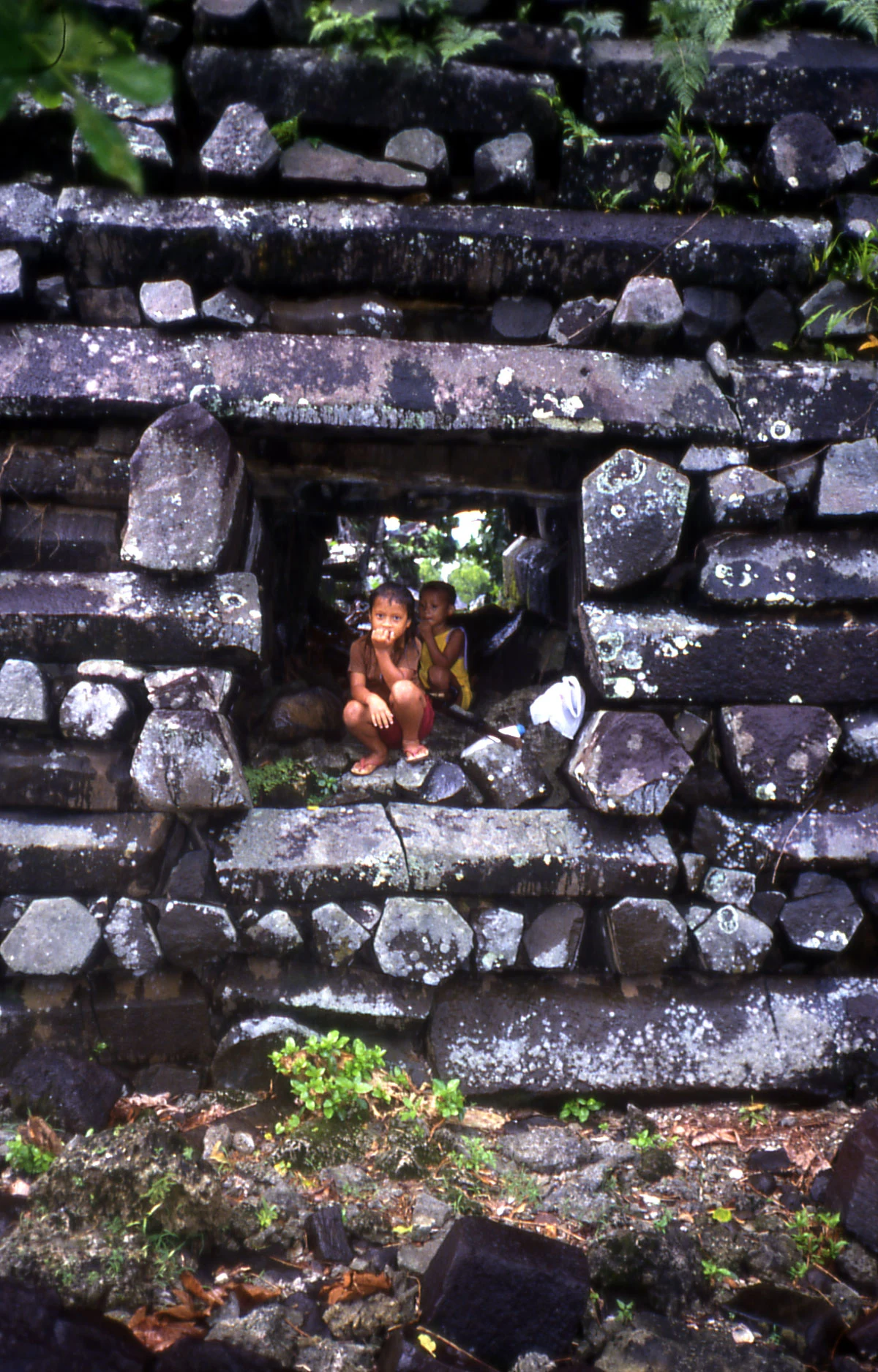 Culture
At Nan Madol, the important decision is not how long to stay, but which access route lets you understand the site without expecting an experience that its conservation status, tides and living cultural significance cannot promise. This guide helps you choose between the land entrance at Temwen and a trip on the water, with realistic expectations.
Read guide →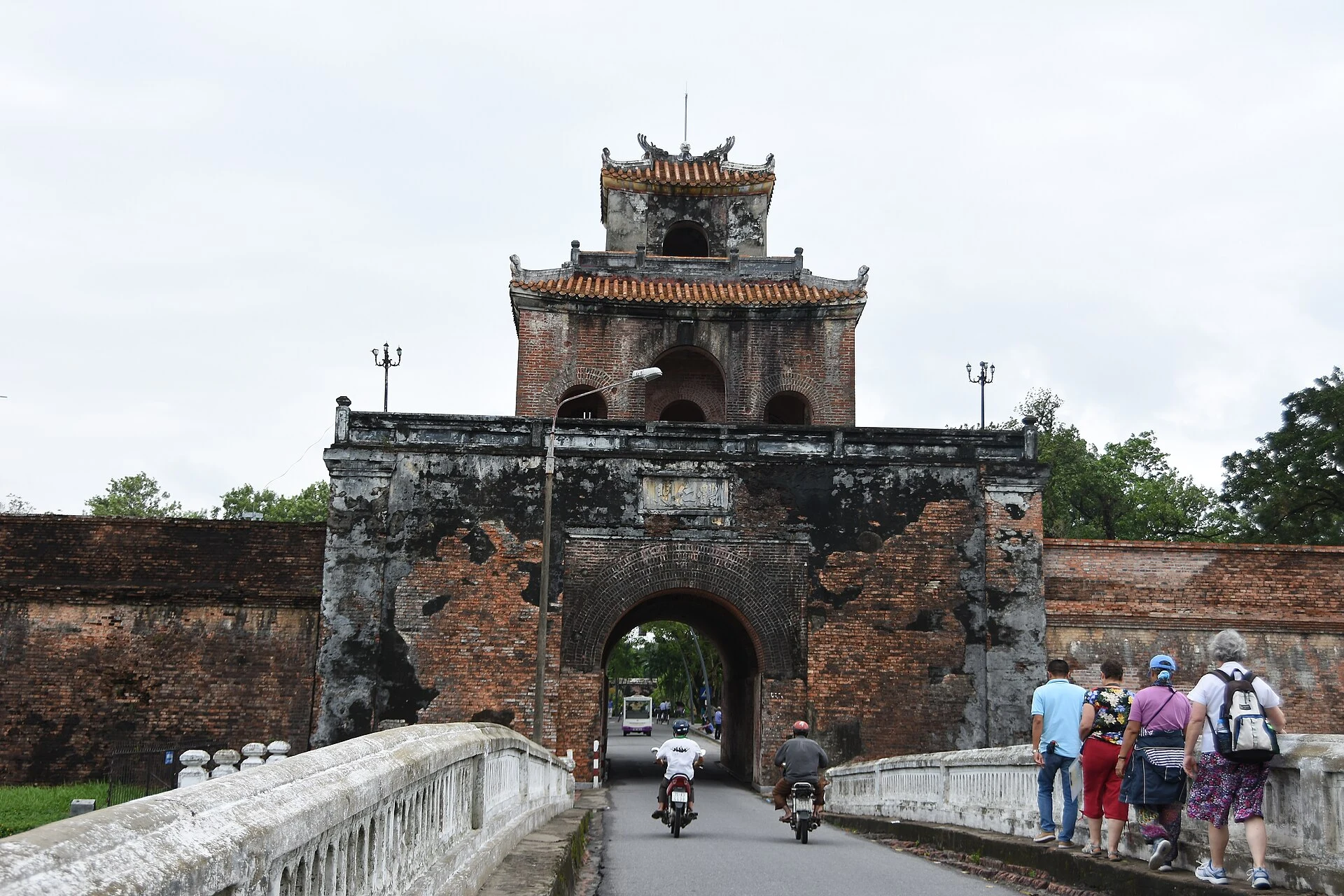 Culture
The Imperial City is the starting point, not the whole story, of Huế. This guide offers a way to choose tombs, timing and transport in order to understand a political, ritual and funerary landscape spread along the Perfume River.
Read guide →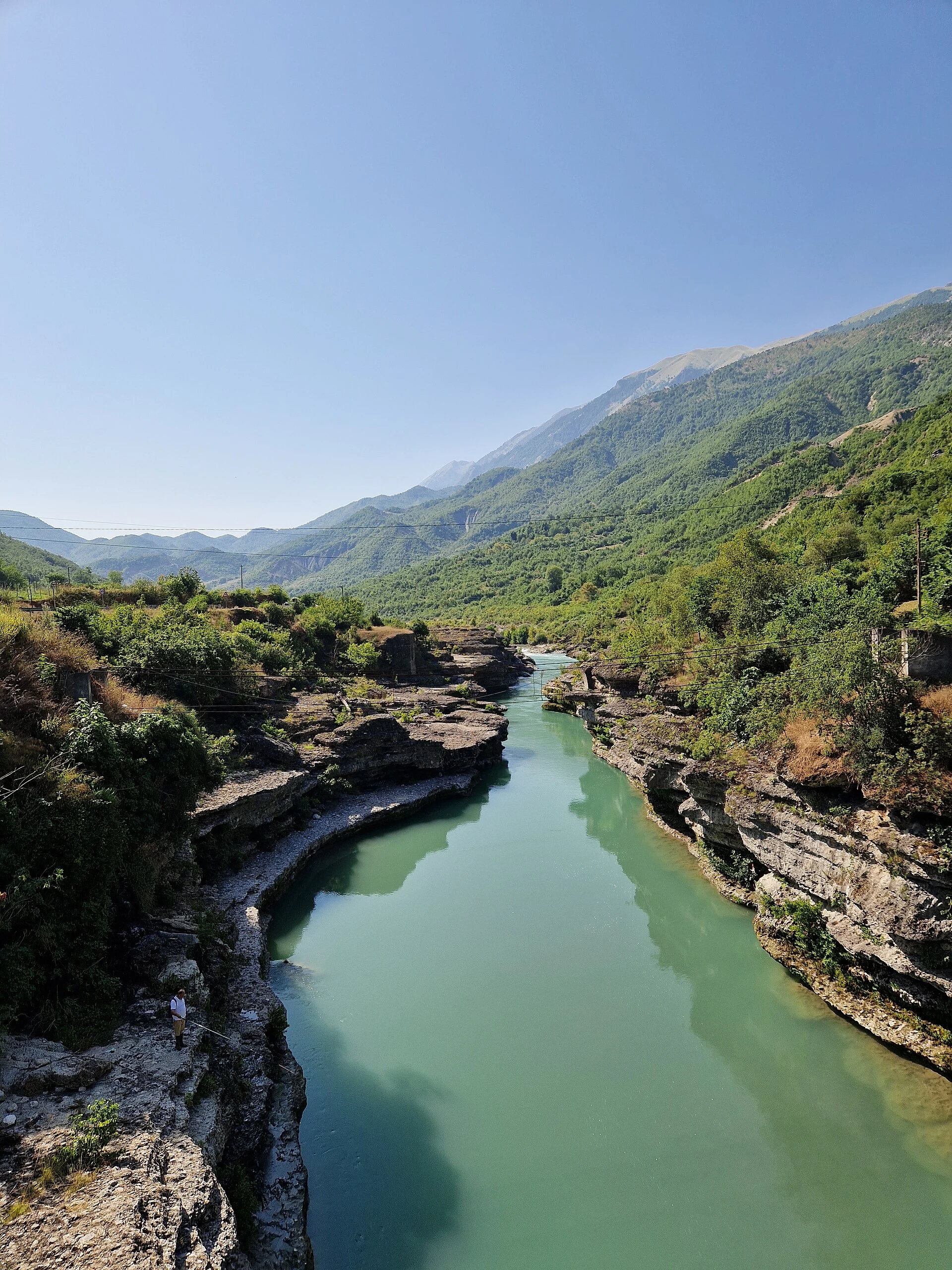 Responsible travel
The best way to understand the Vjosa is not to string together rafting, canyon trips and riverside photos. Choose one stretch, sleep nearby and accept that a free-flowing river calls for slower, more flexible, low-impact plans.
Read guide →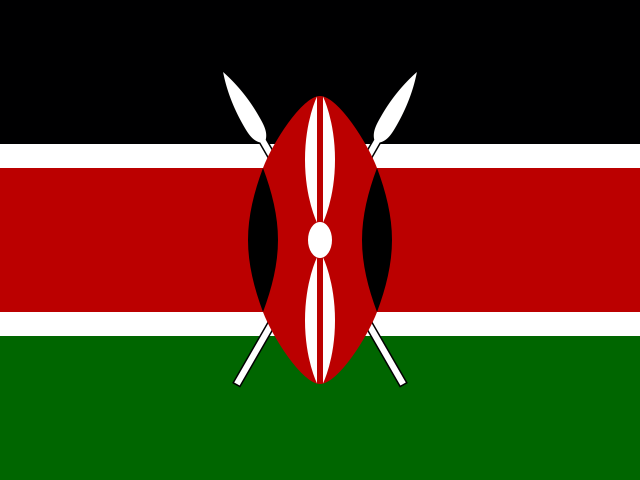 Kenya
Kenya Finland
 Chile
Chile Tonga
Tonga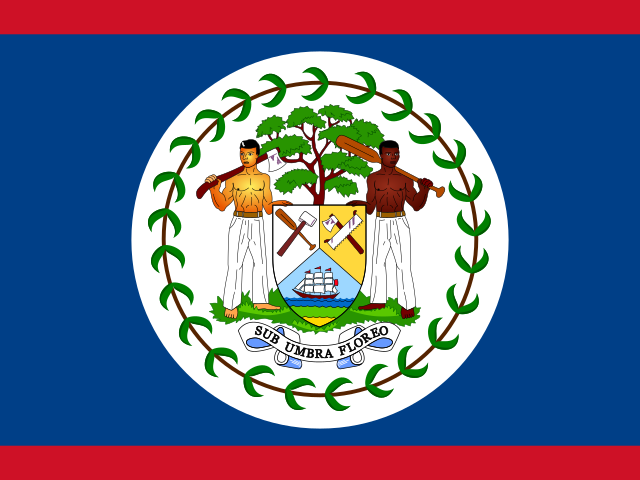 Belize
 Bahamas
 Philippines
 Eswatini
 Micronesia
 Vietnam
 Albania