The Gambia · Heritage and places of memory
Kunta Kinteh Island, Albreda and Juffureh along the Gambia River
A visit to Kunta Kinteh Island, Albreda and Juffureh is best understood as a journey through connected histories, not a quick excursion to some ruins.
Conditions described in the guide: confirm current requirements and access with the official source before travelling.
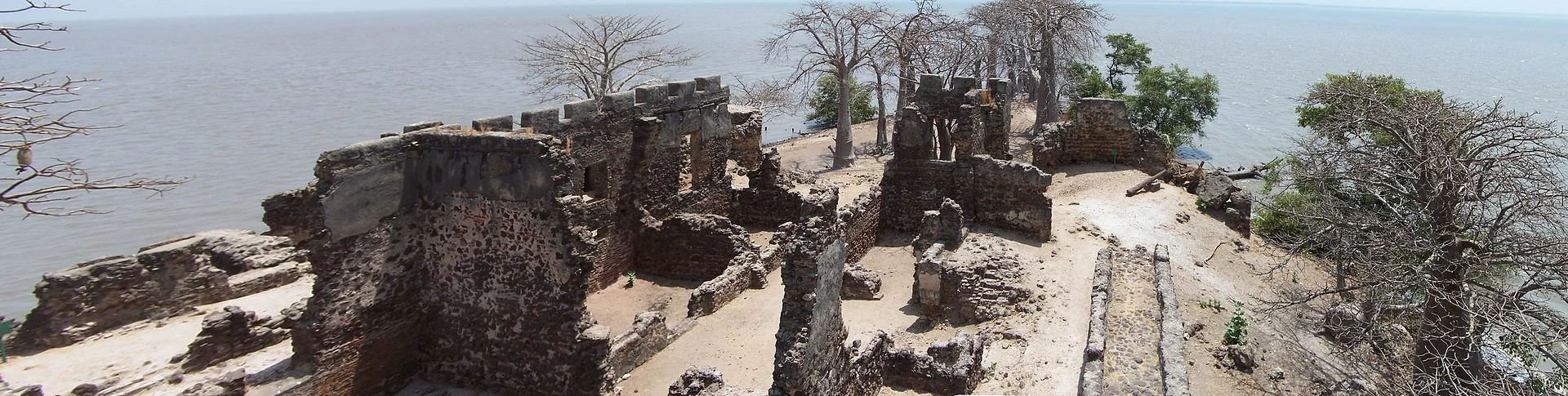
Kunta Kinteh Island, Albreda and Juffureh bring together a ruined fort, two living communities and a river that served as a route for trade, violence, displacement and cultural contact. The significance of the area lies not in finding a scene frozen in the past, but in understanding how these places relate to one another. For a respectful and rewarding visit, set aside time to listen, read and treat the boat journey as an essential part of the day.
Listen to Gambia
A documented soundscape that complements this guide to Gambia. A visit to Kunta Kinteh Island, Albreda and Juffureh is best understood as a journey through connected histories, not a quick excursion to some ruins.
Audio by reinsamba · Openverse · CC0 1.0 · Duration: 03:02
A group of places, not an isolated island
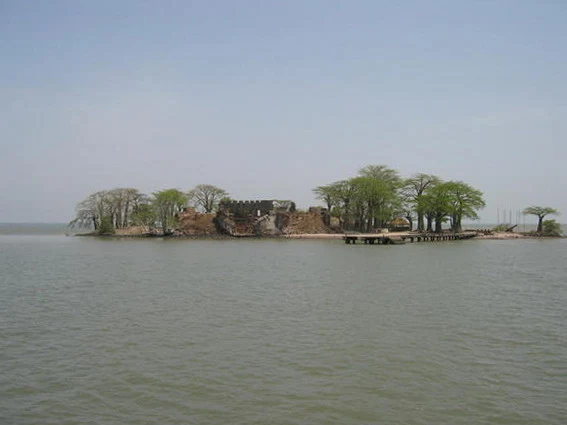
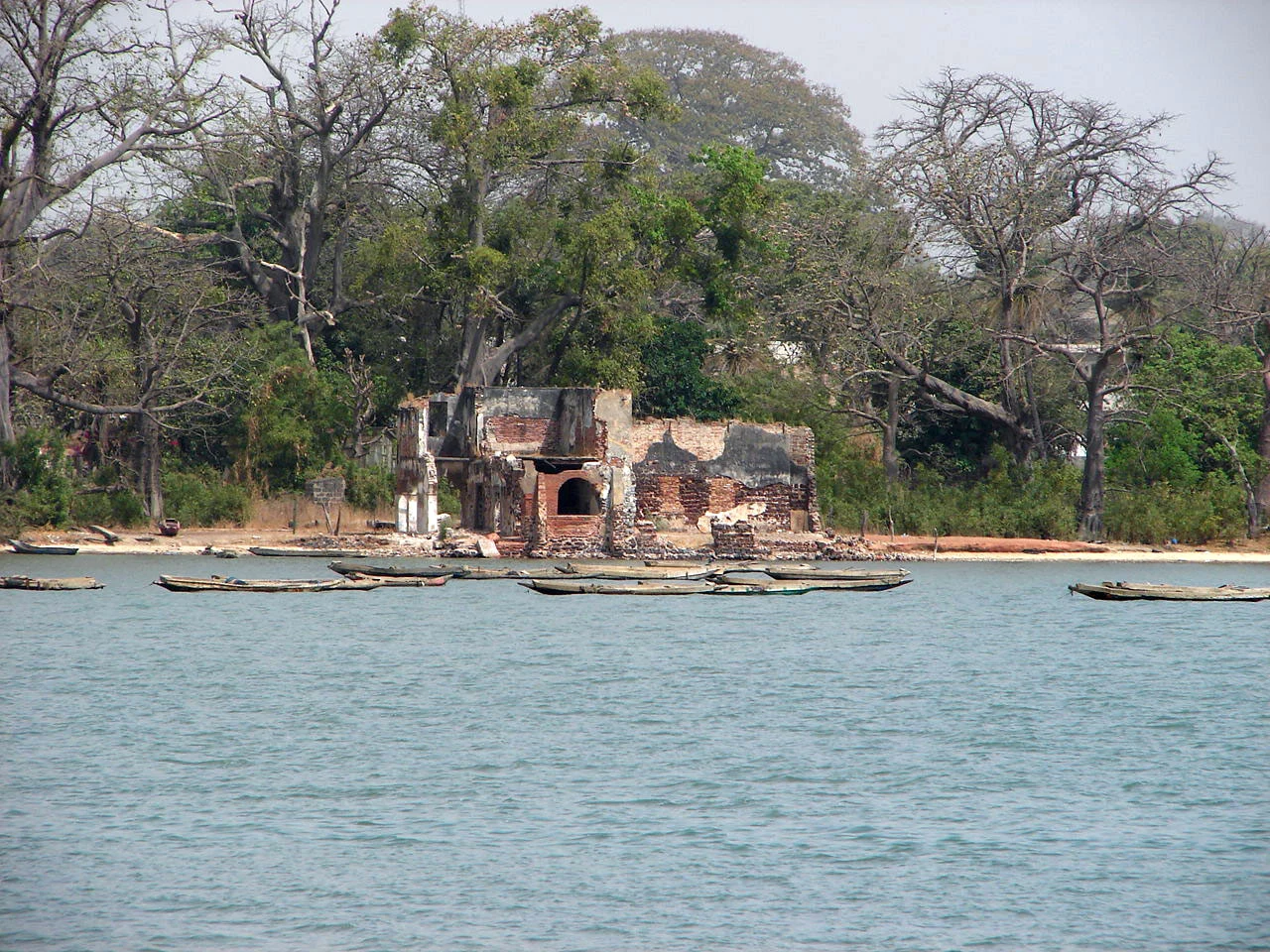
The island is the most visible focal point, but it forms part of a heritage property made up of several sites. Kunta Kinteh Island preserves the remains of a fort located upriver from the estuary; Albreda contains buildings and traces connected with European trade, while Juffureh remains a living community on the northern bank.
This broader scale changes the visit. The fortification reveals the strategic position from which river traffic was monitored, but on its own it cannot explain the trading networks or the lives of communities along the banks. Begin on land, ideally with the Juffureh museum and the sites in Albreda, and leave the island until later: the boat trip helps explain why the river was so important.
The island’s current name officially replaced James Island in 2011. Using it does not erase the earlier layers of its history; rather, it places the visit within a Gambian and diasporic memory that remains active.
Reading memory without turning Juffureh into a backdrop
Juffureh gained international prominence through Alex Haley’s Roots, and that connection can be an entry point for many visitors. It is worth going further. The site’s historical significance encompasses periods before the transatlantic trafficking of people, relationships between African and European actors, slavery, its abolition and the continued life of communities along the river.
The local museum offers an opportunity to begin with objects, oral accounts and explanations produced from within the community itself. If a guided visit is available, use it to ask questions and distinguish between historical documentation, family memory and the popular associations created by the novel and its television adaptation.
Juffureh is not a museum set. Ask permission before photographing people, homes or religious practices; do not enter private courtyards on your own initiative, and do not treat residents as performers obliged to interpret a painful past. Buying water, food or crafts from local businesses can be part of the day without demanding a staged experience in return.
Logistics to sort out before setting off
Reaching Kunta Kinteh Island requires a boat: the ferry between Banjul and Barra crosses the estuary, but it does not replace the specific transfer to the island or the journey through Albreda and Juffureh. If you are travelling from the south bank, first decide whether you will cross to Barra and continue by road or book an excursion that combines road transport and a boat. Do not assume that the two legs are coordinated.
Plan a full day and allow time for waiting: the appeal of the visit lies in linking several places, not in collecting hurried stops. Bring sun protection, water and closed shoes that you do not mind getting dirty. On the island, follow staff instructions and do not climb onto walls or fragile structures; the ruins are exposed to erosion and require ongoing conservation.
Before confirming your journey, check with the responsible cultural authority or the Juffureh museum about the condition of the landing place, boat availability, visiting hours, entrance fees and possible guide services. Also check the public ferry service for the Banjul–Barra crossing on the day of your trip.
Fort Bullen completes the story, but it need not be visited the same day
Fort Bullen, in Barra, and the six-gun battery in Banjul form part of the same heritage property. They were built after the British prohibition of the slave trade to control access to the river. This chronology prevents a linear reading: the same river was an instrument of trade and enslavement and later became the setting for measures intended to intercept that traffic.
If you have another half-day, Fort Bullen adds this perspective from the estuary. If your time is limited, do not try to force the island, museum, Albreda, Juffureh and the fort into a rushed sequence. Choose the Albreda–Juffureh–Kunta Kinteh Island route for a first visit and leave Barra for another day.
References and checks before your trip
- UNESCO World Heritage Centre, Kunta Kinteh Island and Related Sites listing: the property’s composition, historical significance, the fragility of the ruins and the relationship between the island, Albreda, Juffureh, Fort Bullen and the six-gun battery.
- Gambia National Centre for Arts and Culture, Monuments and Sites: the historical location of the components, Juffureh and Albreda’s role, and a description of Fort Bullen.
- Juffureh Village Heritage Museum: exhibitions, oral accounts and advertised guided-visit availability; confirm any booking, event or operational change directly.
- Gambia Ferry Services: operation of the Banjul–Barra crossing. Check the current service before travelling, as schedules, frequency and conditions may vary.
- Gambia National Centre for Arts and Culture, national monument fees: check the current entrance fees for Kunta Kinteh Island and Fort Bullen there before setting your budget.
References consulted during editorial review. Times, requirements and advisories may change: always confirm with the official source.
- https://whc.unesco.org/en/list/761/whc.unesco.org
- https://whc.unesco.org/en/statesparties/gm/whc.unesco.org
- https://whc.unesco.org/en/list/761/assistance/whc.unesco.org
- https://whc.unesco.org/document/117094whc.unesco.org
- https://whc.unesco.org/en/decisions/4272/whc.unesco.org
- https://whc.unesco.org/en/news/1552whc.unesco.org
- https://whc.unesco.org/archive/2011/whc11-35com-20e.pdfwhc.unesco.org
- https://whc.unesco.org/en/newproperties/?inscribed=0&meeting=27COM&mode=tablewhc.unesco.org
- GambiaWikidata · CC0 1.0 · Wikidata · Q1005
- GambiaWorld Countries — mledoze · ODbL 1.0 · World countries dataset by mledoze and contributors · ODbL 1.0
- Gambia, TheWorld Bank Open Data · CC BY 4.0 · World Bank