Kunta Kinteh Island, Albreda and Juffureh along the Gambia River
A visit to Kunta Kinteh Island, Albreda and Juffureh is best understood as a journey through connected histories, not a quick excursion to some ruins.
Read guide →Republic of the Gambia
All articles about the country, including other pages. Select a point to discover its guides.
If the map does not load, all guides remain available in this list.
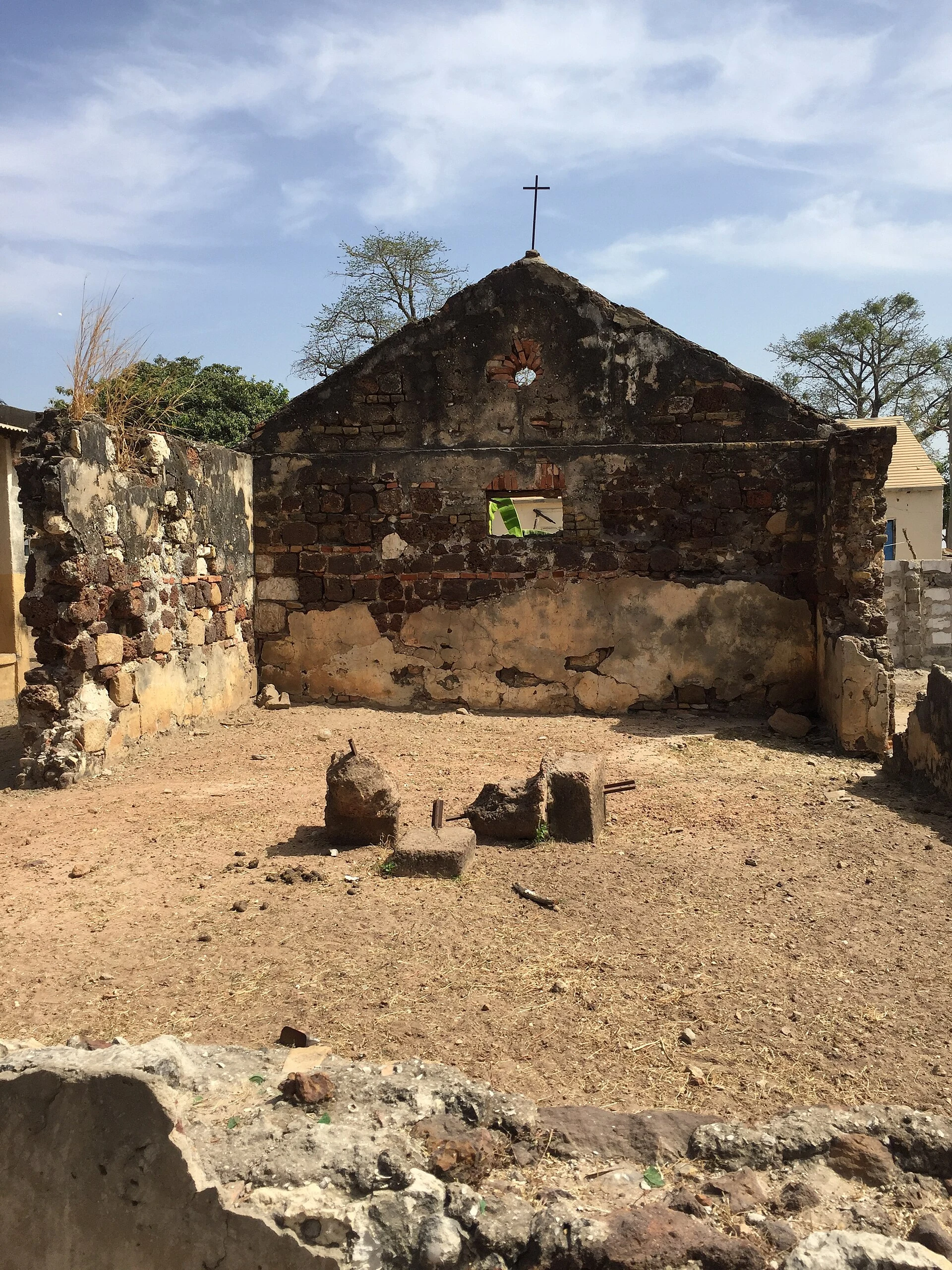
Albreda brings together buildings and remains linked to European trade on the Gambia River. It forms part of a historic group with Juffureh and Kunta Kinteh Island, best understood by relating its sites and the river journey.
Explore the place →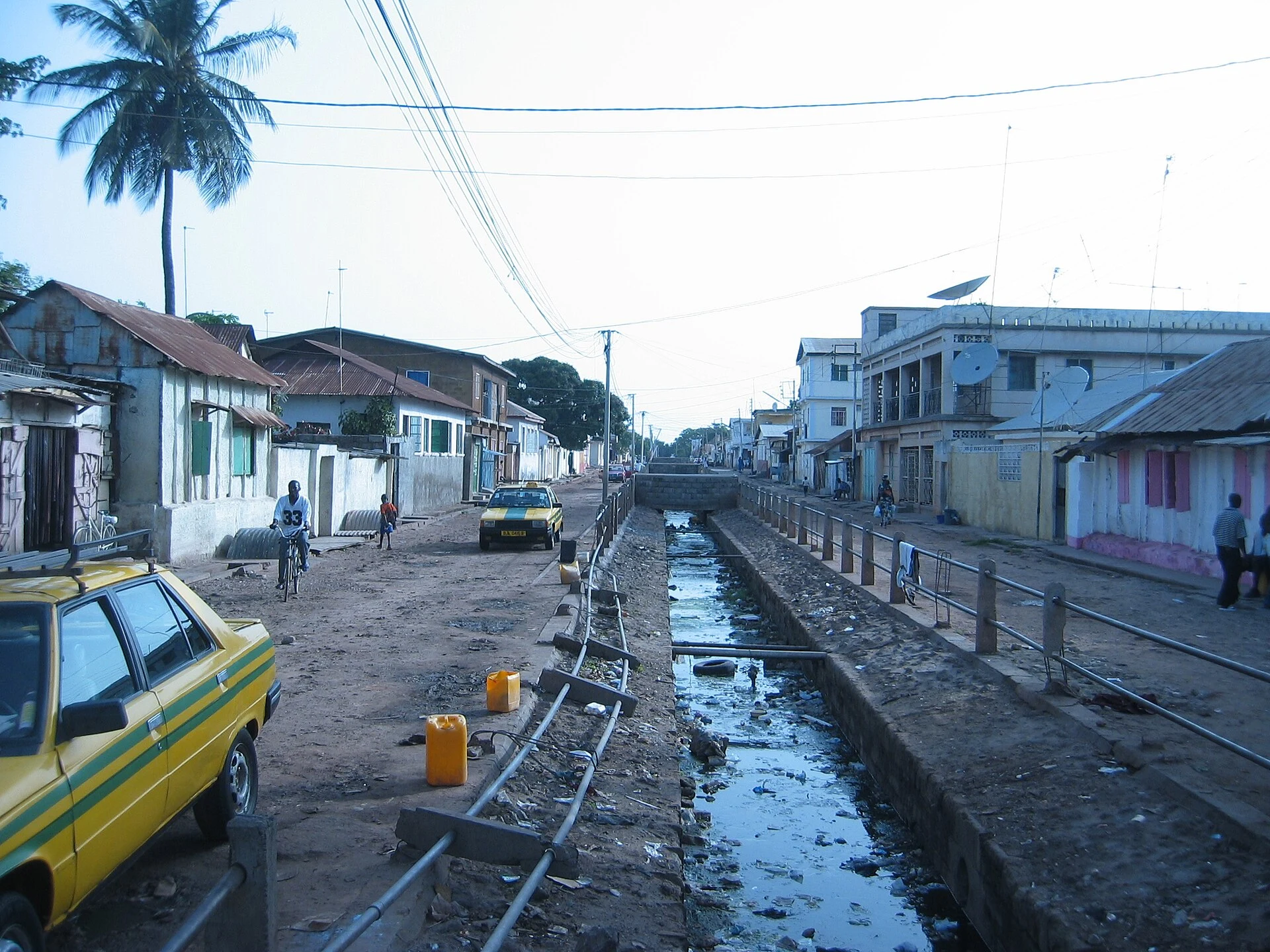
Banjul is part of this heritage setting through its connection with the crossing to Barra and the six-gun battery located at the river mouth. It is a reference point for arranging access to the Gambia River sites, although the ferry does not replace the specific boat trip to Kunta Kinteh Island.
Explore the place →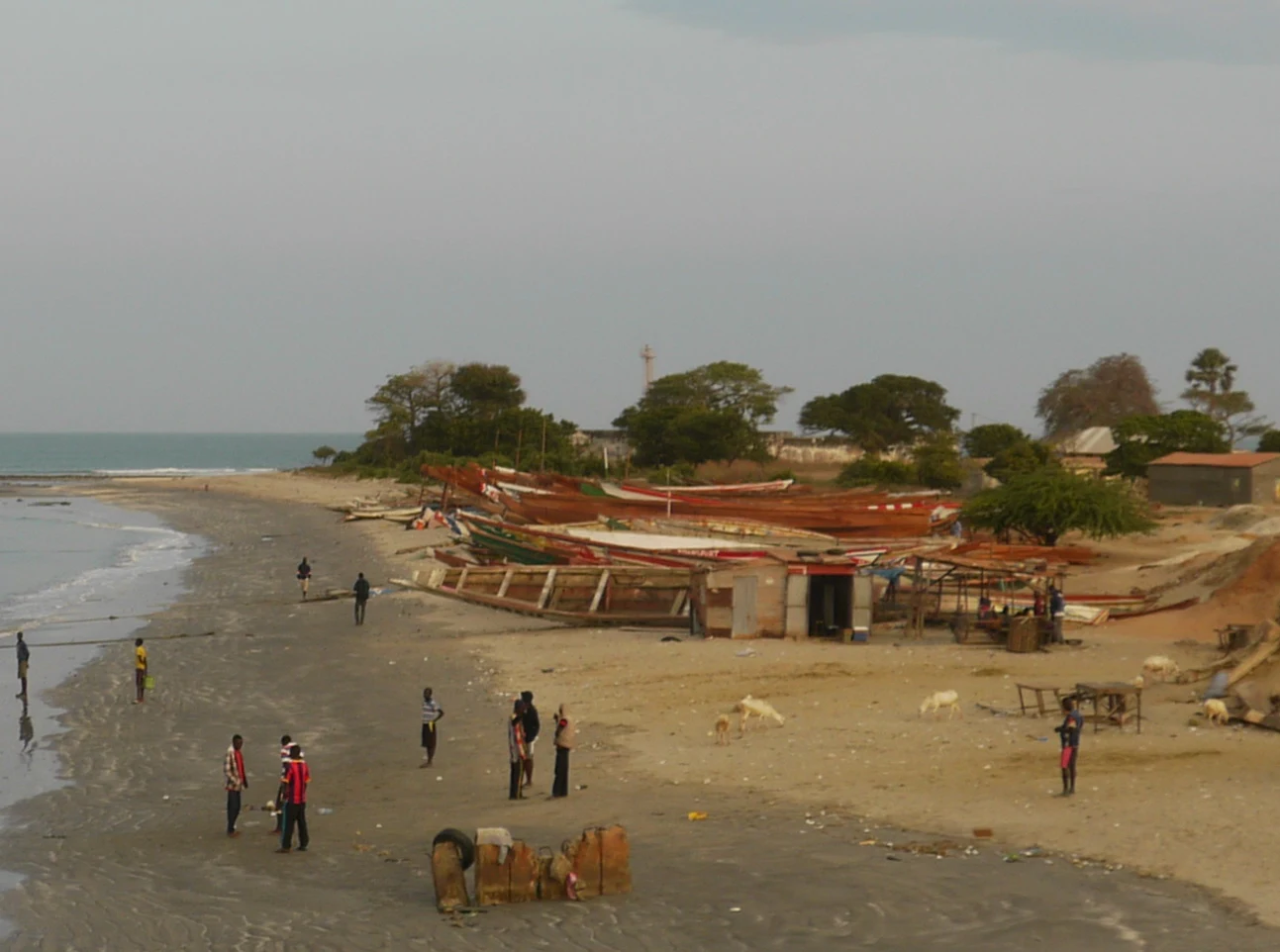
Fort Bullen, in Barra, offers a perspective from the mouth of the Gambia River. It was built after the British prohibition of the slave trade to control the river entrance and forms part of the same heritage complex as Kunta Kinteh Island and Banjul’s battery.
Explore the place →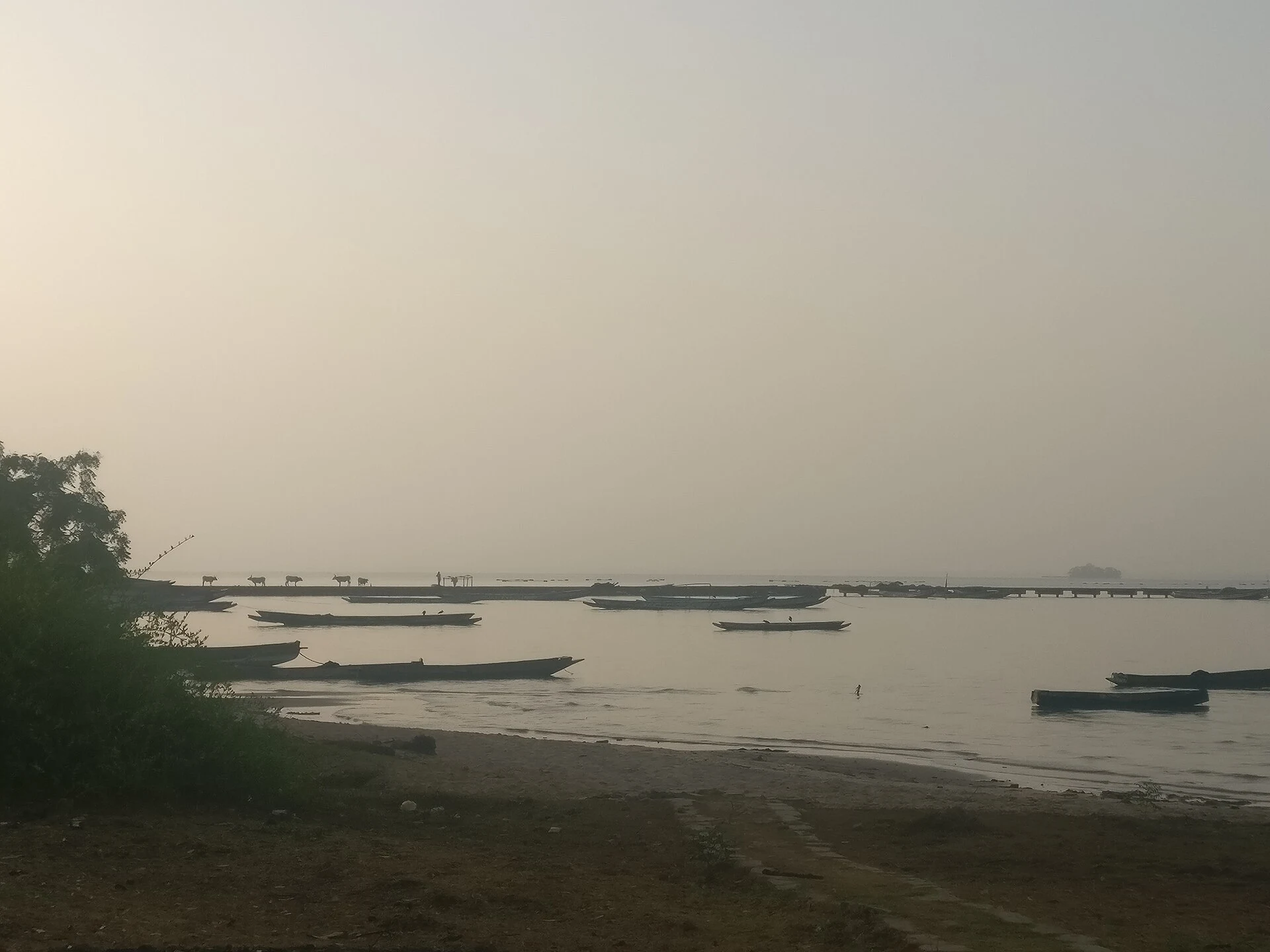
The Gambia River links places whose history includes trade, violence, displacement and cultural contact. The boat journey to Kunta Kinteh Island helps explain its role, while river transport must be arranged separately from the Banjul–Barra ferry.
Explore the place →
Juffureh is a riverside community shaped by memories of enslavement, oral accounts and the international attention brought by Roots. Its museum and inhabited spaces form part of a wider visit linking Albreda and Kunta Kinteh Island.
Explore the place →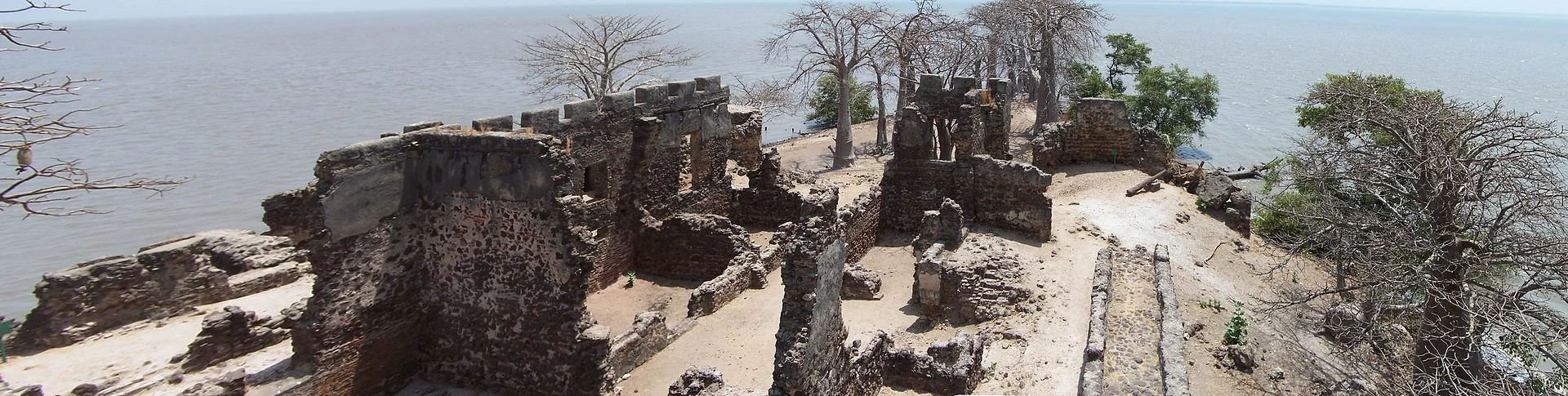
Kunta Kinteh Island preserves the ruins of a fort upstream from the Gambia River’s mouth. Its history is best understood together with Albreda and Juffureh, through a landscape shaped by trade, enslavement, displacement and cultural contact.
Explore the place →