Jamaica · Kingston Harbour
Port Royal, Fort Charles and the City the Sea Preserves
A short visit to Port Royal gains depth when Fort Charles, earthquakes and Atlantic history replace the easy pirate legend.
Conditions described in the guide: confirm current requirements and access with the official source before travelling.
Port Royal works best as a focused excursion from the Kingston area rather than as a search for pirate scenery. Its interest lies in what remains on land and beneath the water: a fortification, an urban layout altered by earthquakes and a harbour linked to Atlantic trade, including the trafficking of enslaved people. Set aside time for Fort Charles and the harbour landscape, and let history set the pace before thinking about a meal or an activity on the water.
A short visit with a dense history
Port Royal occupies a narrow spit of land at the entrance to Kingston Harbour. In the seventeenth century, it quickly became an English port of enormous regional importance; the 1692 earthquake submerged and covered a substantial part of the city with sediment. The inscription of the Seventeenth-Century Port Royal Archaeological Site on the World Heritage List on 12 July 2025 recognises precisely this collection of terrestrial and underwater remains, not a city frozen for visitors.
The trade-off is clear: fewer historic buildings remain standing than Port Royal’s fame might suggest, but the site helps explain how a colonial port functioned and the human consequences it sustained. Do not plan it as a full-day visit unless you are combining the fort with a relaxed meal, a walk through the village and a previously confirmed activity.
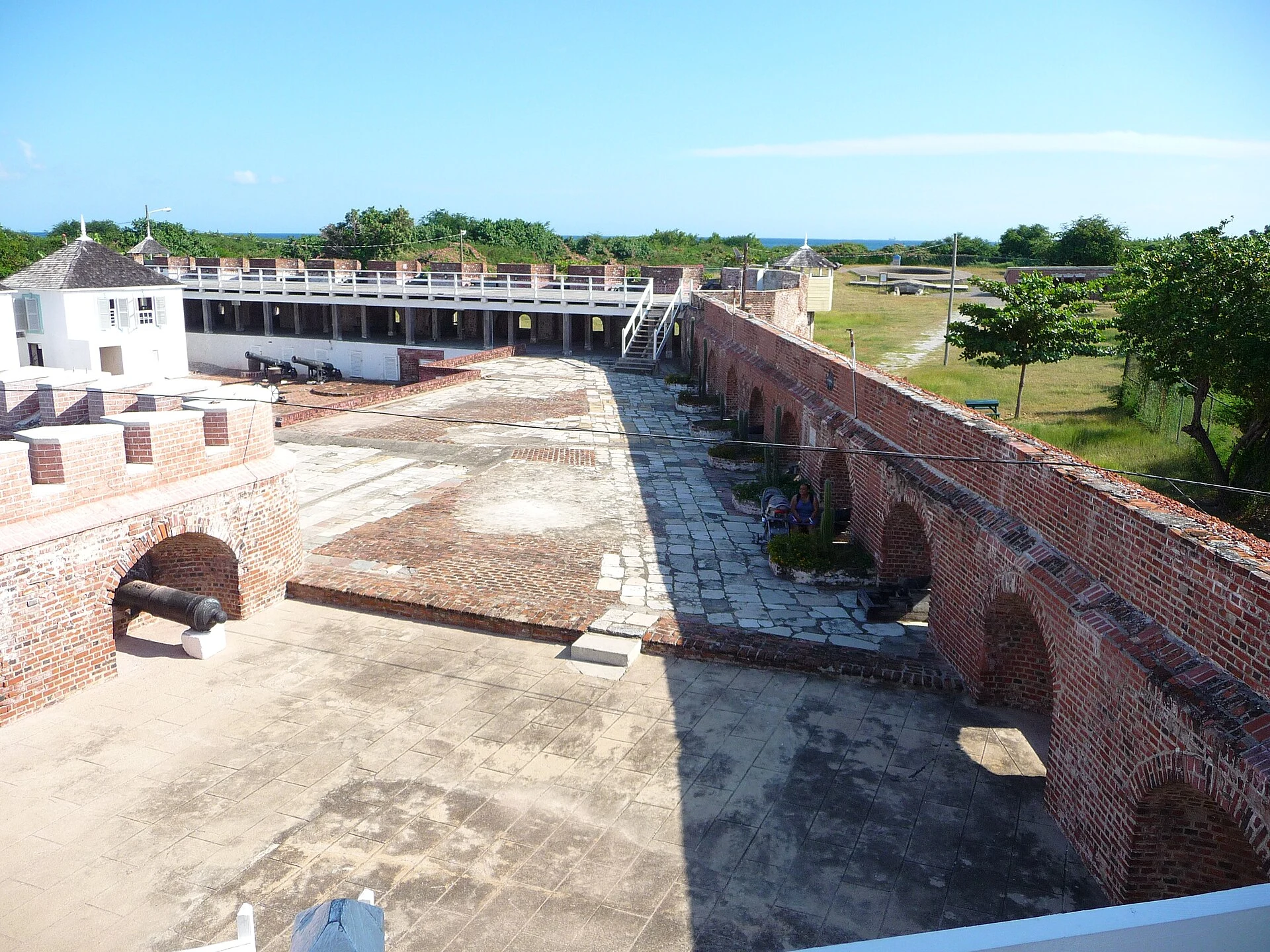
Fort Charles should structure the visit
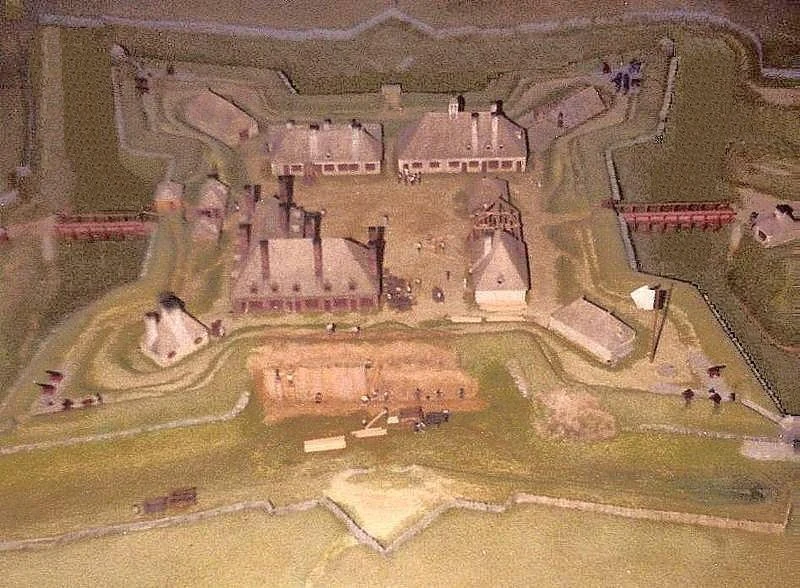
Start at Fort Charles, the clearest place to understand Port Royal’s defences, harbour and chronology. The fort preserves cannons, military structures and an archaeological museum; the guided visit advertised by the national tourism office lasts approximately 45 minutes, a useful reference for planning a morning or afternoon, not a guaranteed timetable.
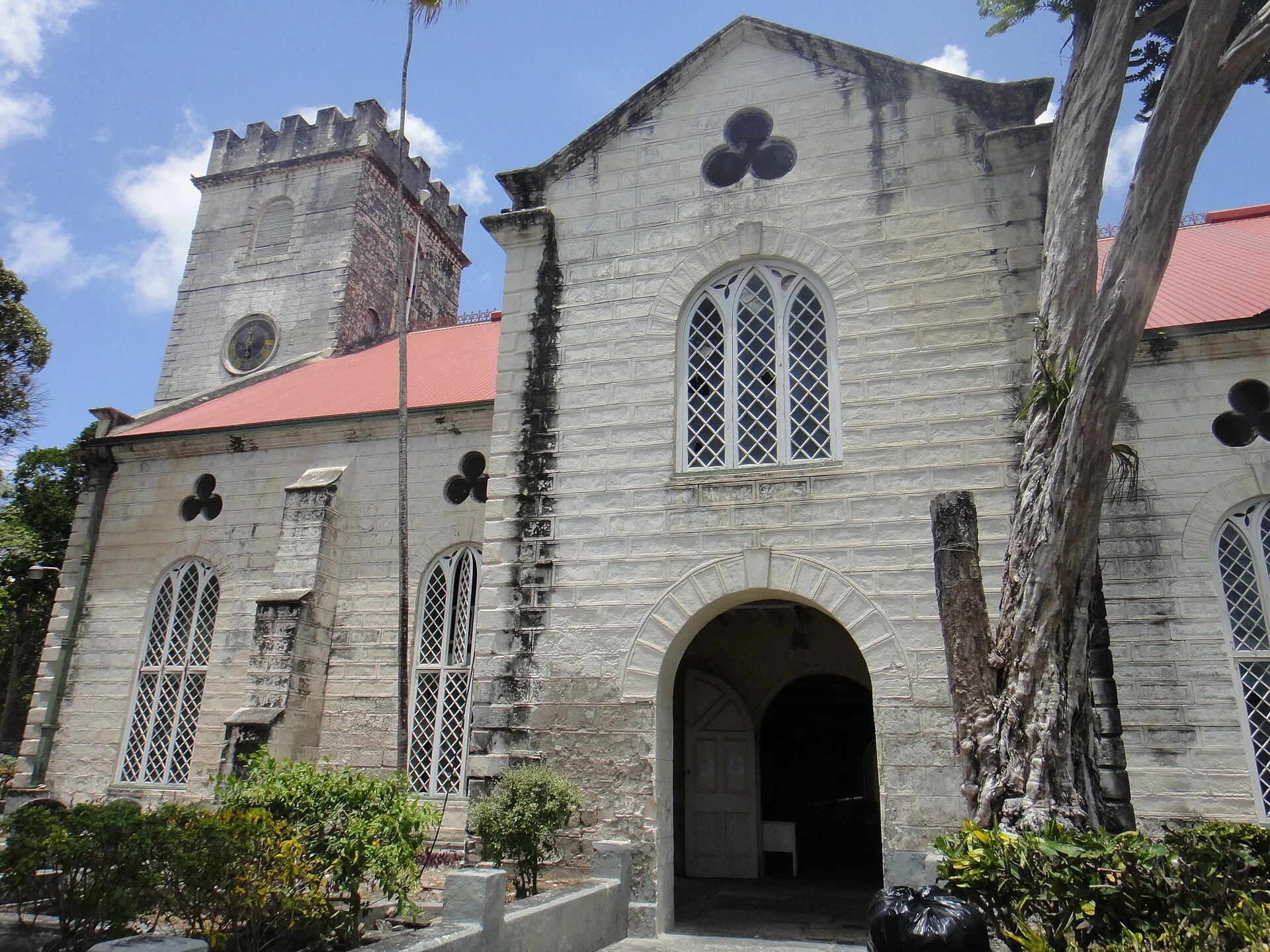
From there, continue on foot through the village centre rather than trying to cover the entire waterfront. The route may include St Peter’s Church, provided it is open and you can enter respectfully, as well as naval buildings viewed from the outside. Walking slowly helps you sense that Port Royal remains a living harbour community, not an isolated museum site.
The Giddy House explains a second rupture
Do not confuse the two major earthquakes that shape the visit. The 1692 earthquake transformed the seventeenth-century city and left much of its remains underwater. The Giddy House, by contrast, was an artillery storehouse built in 1888 and was left leaning after the 1907 earthquake. Entering this small tilted building can be a physically disorienting experience; it does not replace the historical reading of the site, but makes it tangible.
This overlap of dates prevents Port Royal from being reduced to a single disaster. The fortifications, storehouses, naval hospital and urban fabric point to different stages of Britain’s maritime presence. Look at the structures as layers of time, not as props from a single era.
The submerged city calls for a responsible perspective
The underwater remains are an essential part of Port Royal’s archaeological value, but they should not be treated as an attraction available by default. The priority of a land-based visit is to understand that the harbour floor preserves fragile evidence of homes, religious buildings, administration and defence. It is also a space where research and conservation matter as much as the traveller’s experience.
The story of privateers and merchants must include the networks of violence that made the port’s prosperity possible. Port Royal was a hub of transatlantic trade and the trafficking of enslaved Africans; the fortifications and harbour infrastructure are material evidence of that system. Choosing an interpretation that names this history offers a more honest visit than repeating the adventure narrative.
Food, diving and the pace of the day
A fish or seafood meal can be a good way to end the walk, but leave yourself some leeway: Port Royal is a village, and service times do not always fit an excursion planned to the minute. If the meal matters to you, book or confirm it in advance directly with the chosen establishment, especially when travelling in a group.
The national tourism office mentions the possibility of reaching the underwater ruins through archaeological diving with special permission. Do not build your trip around this activity without confirming permits, an authorised operator, experience requirements, weather conditions and whether the outing is actually available. For most travellers, Fort Charles, the Giddy House and a walk through the village make a complete plan without entering the water.
What to confirm before setting out
Check the opening hours, fees, museum access and availability of guided tours at Fort Charles on the same day or before travelling, with the heritage institution responsible. Also confirm whether the Giddy House can be visited, access to St Peter’s Church and any restrictions affecting naval buildings or archaeological areas.
If you are travelling from Kingston, arrange a return trip that does not depend on finding transport at the last minute, particularly if you want to return after lunch. Travellers who are sensitive to motion sickness or imbalance may prefer to view the Giddy House from outside. And if you are considering a dive, treat archaeological authorisation as a prerequisite, not as a detail to sort out on arrival.
References to check before travelling
- UNESCO World Heritage Centre: entry for the Seventeenth-Century Port Royal Archaeological Site, inscribed in 2025, including its historical, archaeological and conservation values.
- Jamaica National Heritage Trust: institutional listing of Fort Charles, Grog Shop, Old Naval Hospital and other heritage properties in Port Royal.
- Visit Jamaica: practical information on Fort Charles, the Giddy House, the village walk and the need for special permission for archaeological diving. Check there for any changes to access or services.
- UNESCO: information on the protection of the Historic Naval Hospital and its vulnerability to coastal erosion and storm surges.
References consulted during editorial review. Times, requirements and advisories may change: always confirm with the official source.
- https://whc.unesco.org/en/list/1356whc.unesco.org
- https://whc.unesco.org/en/statesparties/JM/whc.unesco.org
- https://whc.unesco.org/en/list/1356/documentswhc.unesco.org
- https://www.unesco.org/en/world-heritage/listwww.unesco.org
- https://whc.unesco.org/document/152457whc.unesco.org
- https://whc.unesco.org/en/decisions/7037/whc.unesco.org
- https://whc.unesco.org/en/decisions/4287whc.unesco.org
- https://whc.unesco.org/archive/2015/whc15-39com-19-en.pdfwhc.unesco.org
- JamaicaWikidata · CC0 1.0 · Wikidata · Q766
- JamaicaWikidata · CC0 1.0 · Wikidata · Q1320403
- JamaicaWikidata · CC0 1.0 · Wikidata · Q3450853
- JamaicaWikidata · CC0 1.0 · Wikidata · Q1913470
- JamaicaWikidata · CC0 1.0 · Wikidata · Q3377006
- JamaicaWorld Countries — mledoze · ODbL 1.0 · World countries dataset by mledoze and contributors · ODbL 1.0
- JamaicaWorld Bank Open Data · CC BY 4.0 · World Bank
- JamaicaDBpedia · CC BY-SA 3.0 · DBpedia