Victoria, Australia
Budj Bim in two days: following Gunditjmara water
A weekend among volcanic craters, wetlands and stone channels to understand a living cultural landscape, not simply visit a park.
Conditions described in the guide: confirm current requirements and access with the official source before travelling.
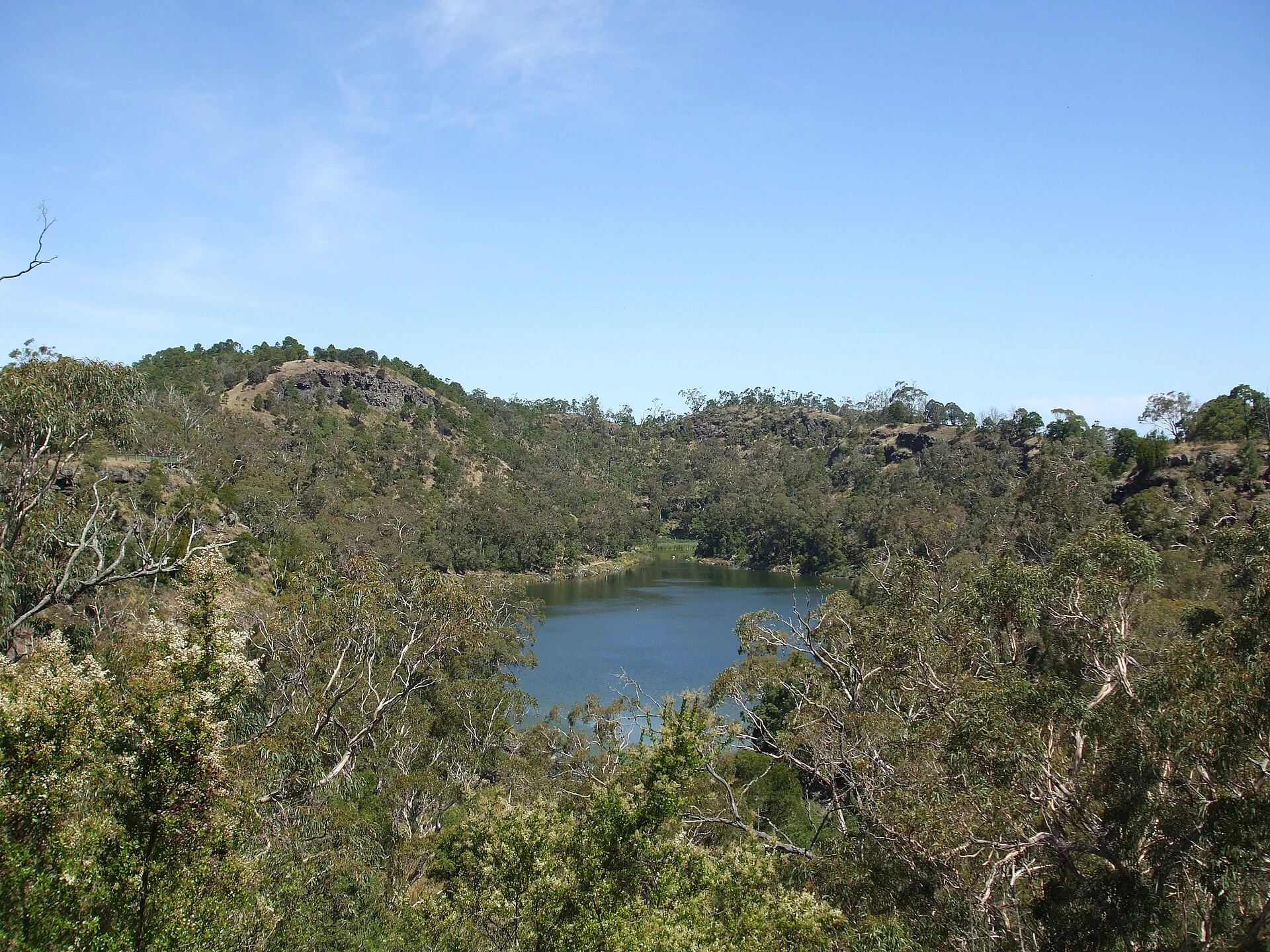
Budj Bim, in south-west Victoria, asks you to change the way you look at the landscape. The channels, weirs and stone ponds are not isolated ruins: they form part of a system created and maintained by the Gunditjmara people to manage water and kooyang, the Australian short-finned eel. Spread across the national park, Tae Rak and other areas of Country, it is a destination best experienced over two days, with your own vehicle and a guided cultural visit.
Listen to Australia
A documented soundscape that complements this guide to Australia. A weekend among volcanic craters, wetlands and stone channels to understand a living cultural landscape, not simply visit a park.
Audio by Daniel Bamberger · Wikimedia Commons · CC0 · Duration: 02:04
The key decision: combine the park with a cultural tour
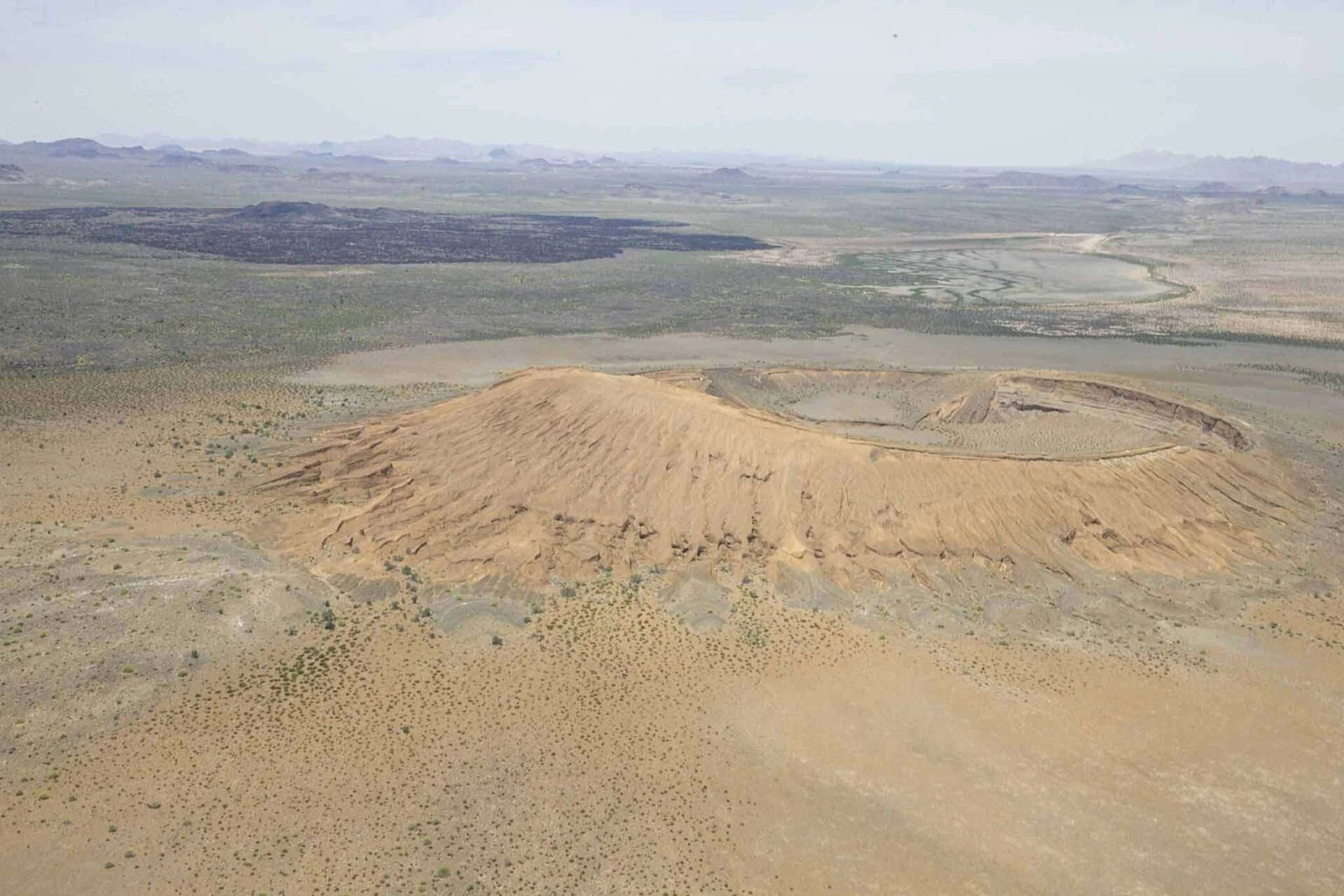
The national park offers the volcanic perspective: a crater lake, lava channels, caves and trails across uneven ground. But that experience alone does not explain the Gunditjmara aquaculture system. To see the eel traps and the remains of stone dwellings included in cultural tours, you need to book a visit with Budj Bim Cultural Landscape Tourism from the Tae Rak Aquaculture Centre.
Do not confuse the two bases: the Tae Rak centre is not inside the national park and is about a 25-minute drive away. Treating the trip as a single stop leads to rushed visits and leaves out an essential part of the landscape. The most sensible option is to stay in the area and devote one day to each perspective.
Day one: the volcano beneath your feet
Start at the visitor area of Budj Bim National Park. The trails begin at the picnic area or the Lake Surprise lookout car park. Lake Surprise and Crater Rim are rated moderate; they help you understand how lava flows created the landforms, channels and cavities that later shaped the movement of surface water.
For a more complete walk, Lava Canal is a longer circuit, with uneven ground throughout. Natural Bridge offers a shorter approach to a lava channel and a cave, but sturdy footwear and a torch are essential: the interior can be dark and slippery. This is not a park for lightweight footwear or for setting out without water, sun protection or warm layers in case the weather changes quickly.
The park has a sealed road to the picnic area, and the final access to the campsite includes a short gravel section suitable for conventional vehicles. The interior tracks do not all have the same conditions: before heading along them, check the park’s latest update.
Day two: Tae Rak, Kurtonitj and the scale of the system
Book a cultural tour so that the channels and wetlands stop being a succession of stones that are difficult to interpret. Budj Bim’s value lies in the relationship between the volcanic flow, water, stone walls and the kooyang’s life cycles. For at least 6,600 years, the Gunditjmara have modified and maintained these water systems to trap, preserve and harvest eels; the cultural connection and associated knowledge continue today.
A guided visit also provides context that cannot be gained from an information sign: Tae Rak, Kurtonitj and Tyrendarra are distinct components of one cultural landscape. Do not turn them into a race between photo stops. Choose a tour that explains one or two places in depth and let the guide indicate which areas can be visited and what respectful practices are expected.
The Tae Rak centre can be visited without a tour, but access to the traps and the remains of stone houses is part of the cultural tours. The programme, café hours and tour departure times can change, so check them directly before planning your journey.
Access and getting around: a road-trip destination, not a public-transport outing
Budj Bim fits better into a road itinerary through western Victoria than into a quick excursion from Melbourne. The park area is about 300–330 kilometres from Melbourne, depending on the official reference point used. For Tae Rak, the local organisation says that public transport is currently unavailable; relying on regular connections is not a dependable strategy.
A conventional car covers the main journeys between the park and Tae Rak. If you do not drive, look into an organised visit that includes transport or a charter in advance, and confirm the logistics with the operator. Do not assume that a cultural tour includes the national park, or that public transport can take you from the park to the Tae Rak visitor centre.
What it means to visit respectfully
Budj Bim is not an empty backdrop or a piece of engineering disconnected from the people who made it possible. It is Gunditjmara Country and a living cultural landscape managed with the participation of the Traditional Owners. The visitor’s best contribution is simple: book with operators connected to the place when you want to understand its heritage, remain on trails and boardwalks, do not touch or move stones, take all rubbish with you and accept that some areas may not be open for independent access.
In terms of accessibility, the Tae Rak building and toilets have ramps and wheelchair facilities. The first part of its two-hour tour includes accessible areas, but other sections cross gravel, boardwalks and places reached only on foot. Power wheelchairs may work in some areas where manual chairs have difficulty. It is best to explain your specific needs when booking rather than assume that the entire tour has the same level of access.
Official sources to check before setting out
- UNESCO, Budj Bim Cultural Landscape: historical context, the landscape’s scope and its heritage values.
- Budj Bim Cultural Landscape Tourism, Plan Your Visit and Frequently Asked Questions: tour bookings, access to Tae Rak, mobility, weather conditions and accessibility.
- Parks Victoria, Budj Bim National Park and visitor guide: road access, trails, facility conditions and park rules.
References consulted during editorial review. Times, requirements and advisories may change: always confirm with the official source.
- https://whc.unesco.org/en/list/1577whc.unesco.org
- https://www.parks.vic.gov.au/-/media/project/pv/main/parks/documents/visitor-guides-and-publications/budj-bim-national-park/budj-bim-national-park-visitor-guide.pdf?rev=12839d4615d5441ca7ea41c096f36a67www.parks.vic.gov.au
- https://www.parks.vic.gov.au/places-to-see/parks/budj-bim-national-park?trk=public_post_comment-textwww.parks.vic.gov.au
- https://www.budjbim.com.au/www.budjbim.com.au
- https://www.budjbim.com.au/visit/questions/www.budjbim.com.au
- https://www.unesco.org/en/world-heritage/list?hub=88737www.unesco.org
- https://visitgreatoceanroad.org.au/things-to-do/culture-and-history/cultural-experiences-at-budj-bim/visitgreatoceanroad.org.au
- https://open-science.dev.unesco.org/records/hja7y-c8y54open-science.dev.unesco.org
- AustraliaWikidata · CC0 1.0 · Wikidata · Q408
- AustraliaWikidata · CC0 1.0 · Wikidata · Q3960
- AustraliaWikidata · CC0 1.0 · Wikidata · Q104269190
- AustraliaWorld Countries — mledoze · ODbL 1.0 · World countries dataset by mledoze and contributors · ODbL 1.0
- AustraliaWorld Bank Open Data · CC BY 4.0 · World Bank
- AustraliaDBpedia · CC BY-SA 3.0 · DBpedia