Austria · Lower Austria and Styria
The Semmering Railway: trains, viaducts and a walk between Semmering and Breitenstein
The Semmering Railway is best experienced by combining a full train journey with a section on foot: this is how to understand its curves, viaducts and the mountain’s true scale.
Conditions described in the guide: confirm current requirements and access with the official source before travelling.
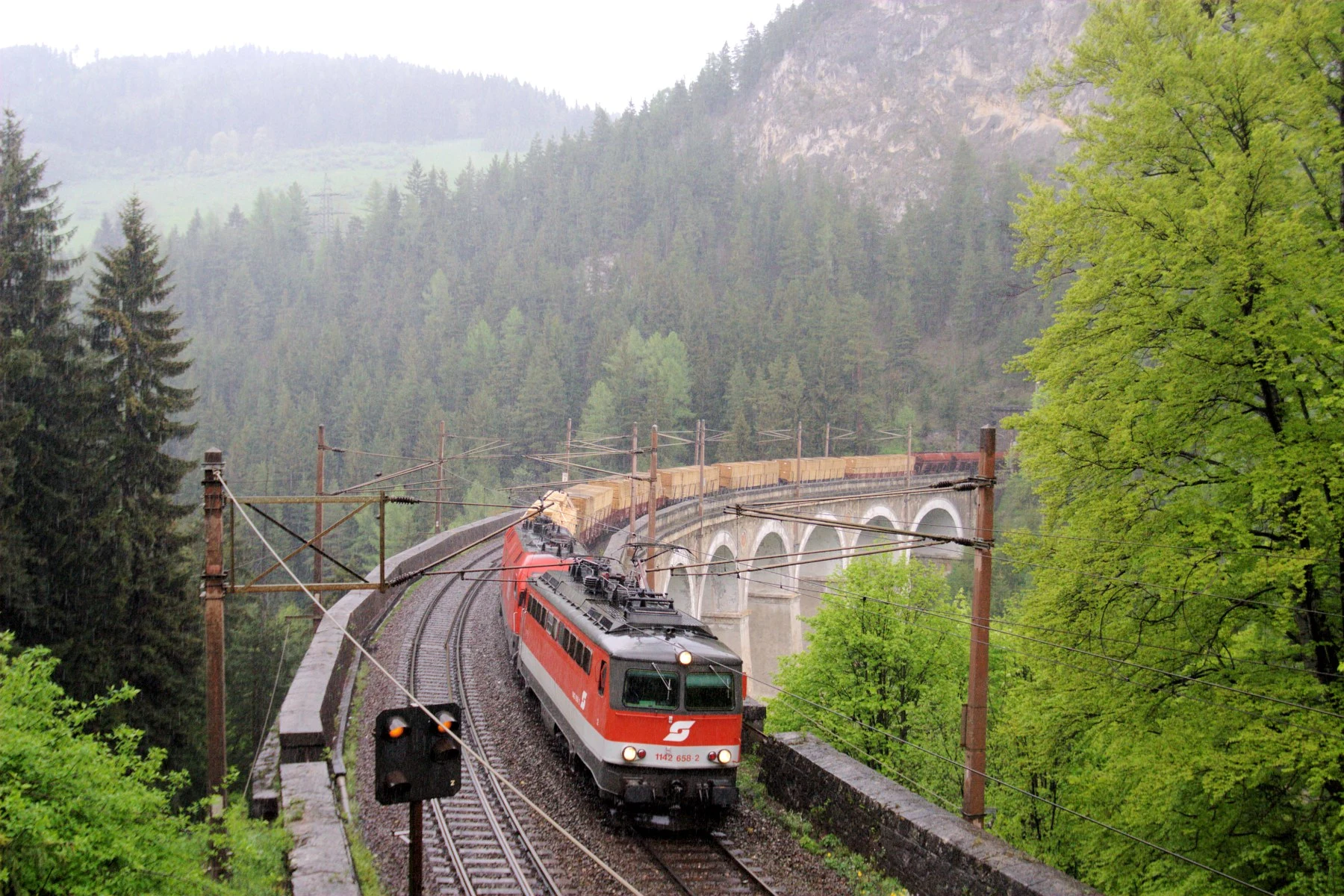
The Semmering Railway is not a panoramic train detached from its surroundings: it is a historic infrastructure that still structures the Alpine crossing between Gloggnitz and Mürzzuschlag. Travelling along it shows how nineteenth-century railway engineering negotiated gradients, ravines and rock; walking a selected section, by contrast, reveals the physical dimension that a train window compresses. The practical choice is simple: use the train to understand the whole system and save the walk for taking your time at the points where the line changes valley.
A line to travel, not simply tick off
The historic route covers 41 kilometres between Gloggnitz and Mürzzuschlag, climbs to the Semmering Pass and links tunnels, viaducts and masonry bridges. Its route opened in 1854 and has been part of the World Heritage list since 1998. The value of the journey lies not in chasing every engineering work from a single viewpoint, but in recognising its logic: the railway gains height through broad curves, enters and leaves the mountain, and uses slopes that seem impossible from the train.
First, make the full journey seated beside a window. Then decide whether to get off at Semmering for a walk or continue to Mürzzuschlag. You do not need to hire a car to appreciate the line: the stations provide a good framework for a slower visit and spare you from turning lay-bys and local roads into a photographic chase.
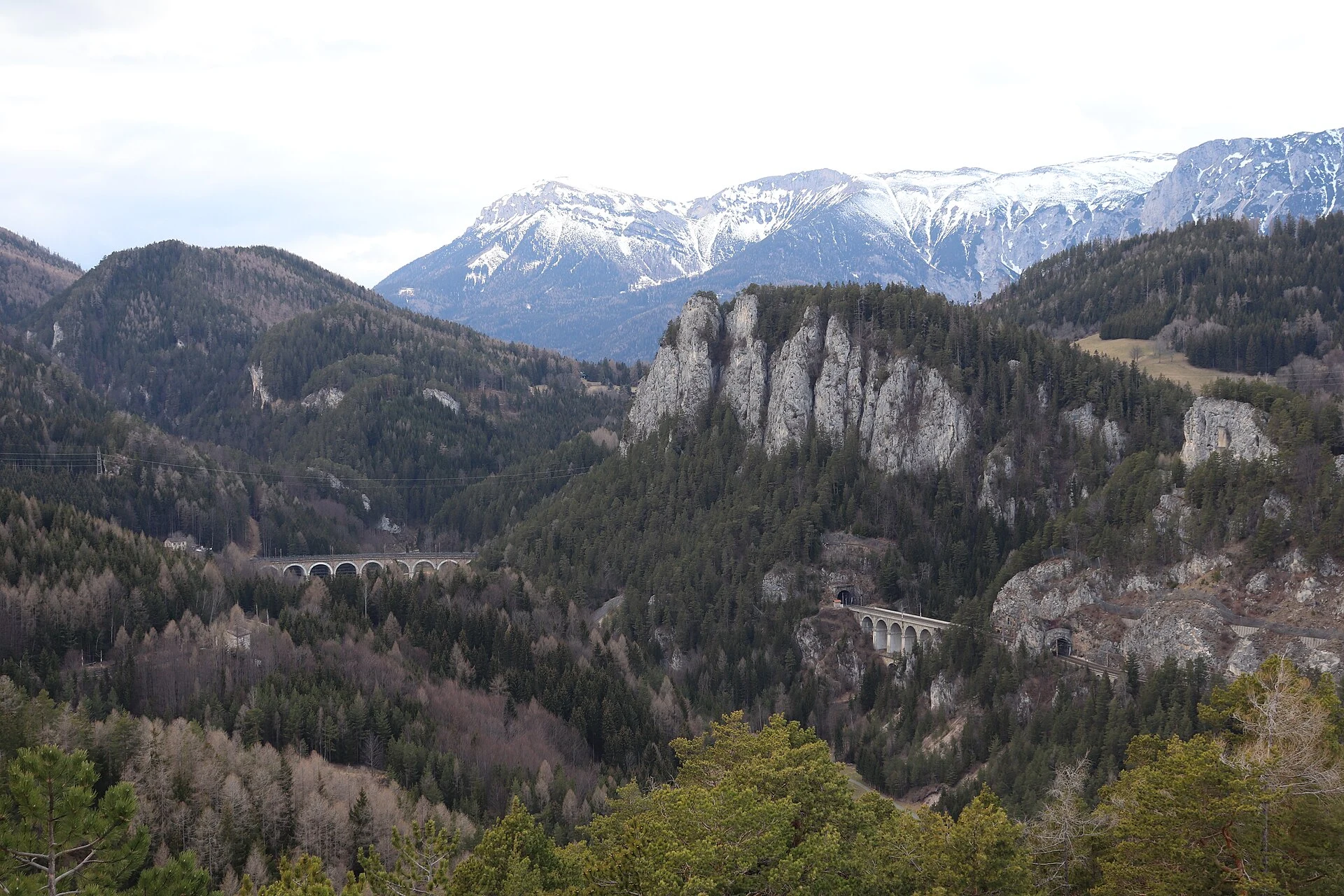
The walking section that gives you scale
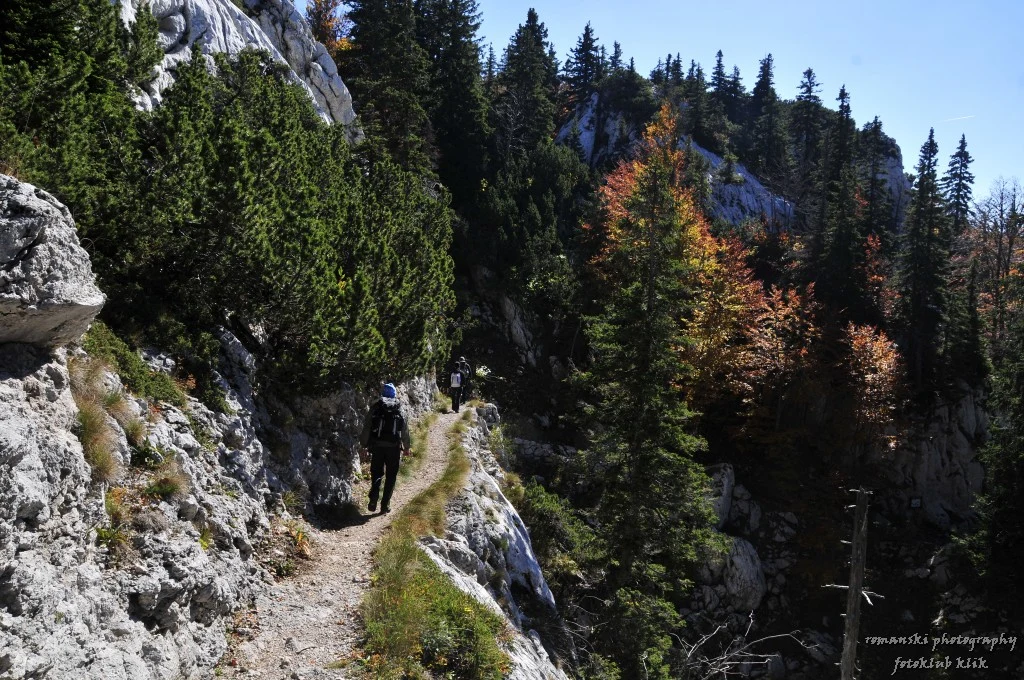
From Semmering station, the railway trail towards Breitenstein offers a focused reading of the landscape: viewpoints such as Doppelreiterwarte and 20-Schilling-Blick allow you to observe the Kalte Rinne Viaduct from outside the railway corridor. It is a route of around 9 to 10 kilometres, with noticeable elevation gain and moderate difficulty; local information estimates about three hours of actual walking.
This is not an urban stroll or a route to improvise in lightweight footwear. There is woodland, changing elevations and ground that may be wet. The appeal lies precisely in alternating distant views, embankments and structures that the train passes through in seconds. Never walk on the tracks or cross railway areas: the viewpoints and marked route are the responsible way to approach the infrastructure.
Semmering as a place to interpret the line
Semmering station works well as a decision point: it houses an information centre dedicated to the line, with maps, models and materials that help identify what you have seen during the journey. It is worth visiting before the walk if you are interested in the work of Carl Ritter von Ghega, because it turns viaducts and tunnels from simple landscape scenes into technical responses to highly demanding terrain.
The architecture associated with the area’s former Alpine resort life also deserves attention. Hotels and villas appeared when the railway made the pass accessible to travellers from Vienna. This layer explains why the site is a cultural landscape, not merely a transport project: the railway, mountain and historic tourism development have been linked from the outset.
Mürzzuschlag to round off the journey
If you have a long day or an overnight stay in the area, continue to Mürzzuschlag and visit the Südbahn Museum, next to the station. Its railway galleries take you from observing the route to the history of the southern connection towards Trieste. It is a good choice for anyone who prefers technical context and railway artefacts to adding another walk.
The train–Semmering–Mürzzuschlag combination involves a clear trade-off. Doing it all in one day means prioritising: either the walking section and viewpoints, or the museum and a more leisurely visit. Trying to complete the walk, information centre and museum without any spare time can reduce the journey to watching the clock.
Allow extra time for works and trail changes
The line remains in service, but timetables, railway works and route alterations may change. Check ÖBB’s real-time journey planner to choose trains and review disruptions on the day; do not rely on old timetable screenshots. Before setting out on foot, check Semmering’s official page to confirm the trail’s condition, any diversions and whether the information centre is open.
Bring water, a waterproof layer and enough battery power to consult the map when coverage is not constant. If storms, poor visibility or very wet ground are forecast, keep the train journey and postpone the walking section: the railway experience still makes sense without forcing a mountain route. This is a visit that improves with fewer stops and more attention to one well-chosen section.
References consulted during editorial review. Times, requirements and advisories may change: always confirm with the official source.
- https://whc.unesco.org/en/list/785whc.unesco.org
- https://whc.unesco.org/en/decisions/2746whc.unesco.org
- https://whc.unesco.org/en/statesparties/at/whc.unesco.org
- https://whc.unesco.org/en/list/785/documentswhc.unesco.org
- https://whc.unesco.org/document/154268whc.unesco.org
- https://whc.unesco.org/en/listwhc.unesco.org
- https://whc.unesco.org/en/documents/207157whc.unesco.org
- https://www.unesco.org/en/memory-world/documents-semmering-railway-imperial-royal-historical-museum-austrian-railwayswww.unesco.org
- AustriaWikidata · CC0 1.0 · Wikidata · Q40
- AustriaWikidata · CC0 1.0 · Wikidata · Q25114801
- AustriaWikidata · CC0 1.0 · Wikidata · Q4825411
- AustriaWorld Countries — mledoze · ODbL 1.0 · World countries dataset by mledoze and contributors · ODbL 1.0
- AustriaWorld Bank Open Data · CC BY 4.0 · World Bank
- AustriaDBpedia · CC BY-SA 3.0 · DBpedia
- Turismo y cultura en AustriaCrossref · Metadatos públicos; derechos específicos por campo cuando correspondan · Crossref