Kiribati · ocean and conservation
The Phoenix Islands require permission, a vessel and self-sufficiency
The Phoenix Islands Protected Area is not a conventional island destination: reaching it depends on an authorised expedition, not a regular tourist connection.
Conditions described in the guide: confirm current requirements and access with the official source before travelling.
Viajalo Atlas
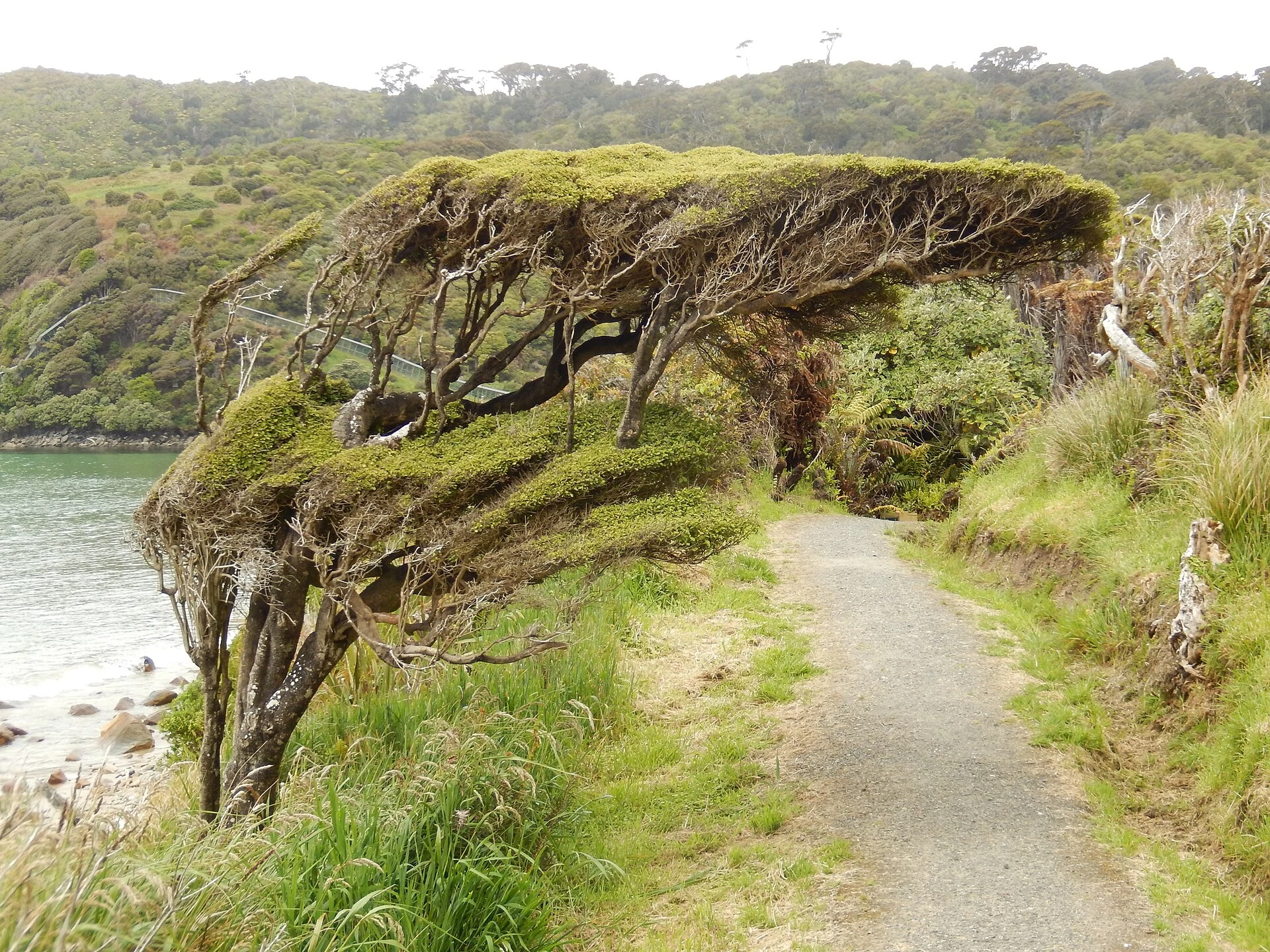
Photography pending verification
In the oceanic heart of Kiribati, the Phoenix Islands form a group of remote atolls and seabeds whose scale is best understood from a vessel rather than through a beach itinerary. The key question is not how many days to spend there, but whether the trip can accommodate autonomous logistics, specific permits and a low-impact visit. For most travellers, Kiritimati or Tarawa are far more realistic options; the Phoenix Islands require a different level of preparation.
A vast marine area, not an island with visitor services
The Phoenix Islands Protected Area brings together atolls, reefs, seamounts and open ocean across 408,250 km². Its value lies precisely in the isolation and continuity of these ecosystems, not in a chain of visitor facilities.
Kanton is the group’s main human reference point, but it should not be interpreted as an equipped tourist base. The visit must be planned as an expedition voyage: accommodation, water, provisions, fuel, communications, medical evacuation and waste management all need to be arranged by the operator before departure. If a proposal does not explain these matters in writing, it is not a sufficient basis for committing to the trip.
Arriving in Kiribati does not mean having access to the Phoenix Islands
Kiribati has international air gateways in South Tarawa and Kiritimati, but neither should be understood as a regular link to the protected area. Available tourism-planning documents describe access to the Phoenix Islands by government supply vessel or chartered boat; the authorities also envisage low-volume tourism subject to conservation requirements.
This changes how the trip must be booked. First confirm a specific expedition, its authorisation and its operating dates; only then does it make sense to buy international flights and allow extra nights at the departure point. Flight schedules, boat availability, the condition of Kanton’s wharf or airstrip, and any future infrastructure are all variable details that must be checked directly before payment.
The permit is part of the itinerary
The published visitor rules for the area require permits and include immigration and clearance procedures in Kanton. It is not enough to arrive by yacht or hire a boat: the operator must be able to show that the appropriate authorisation has been coordinated for the planned activities, including landings, diving or fishing where applicable.
Ask for clear answers to five questions: who handles the permit; which islands or areas may be visited; whether landing is confirmed; what rules apply to wildlife observation; and what the plan is for removing all waste. The rules and zoning are evolving, so do not rely on sailors’ accounts or permits from previous seasons.
The best practice is to minimise the expedition’s footprint
In an archipelago where bird colonies, reefs and lagoons depend on a fragile balance, a responsible visit is deliberately restrained. The aim should not be to accumulate landings, but to spend the necessary time in authorised places without disturbing wildlife or leaving behind materials, food or waste.
Choose an operator that keeps groups small, takes all rubbish away and has biosecurity protocols for equipment, footwear and cargo. It should also explain how it avoids disturbing birds and how it manages anchoring and navigation. Photography and diving are legitimate reasons to travel, but they do not justify approaches that alter animals’ behaviour or landings outside authorised conditions.
A travel decision that can quite reasonably be no
The Phoenix Islands suit travellers who already have experience with remote navigation or who are joining a small-scale scientific, conservation or expedition voyage with proven logistics. They are not a good fit for rigid-date holidays, a need for constant connectivity, a fixed budget or expectations of guaranteed hotels and transfers.
If the main interest is experiencing Kiribati and its island life with simpler organisation, consider South Tarawa or Kiritimati first. Saving the Phoenix Islands for a time when an authorised operation exists, with sufficient time and a sound environmental plan, protects both the trip and the destination.
References to check before booking
- UNESCO World Heritage Centre, Phoenix Islands Protected Area: area, natural values, heritage inscription and conservation monitoring.
- Government of Kiribati, Phoenix Islands Protected Area visitor guidelines: permits, visitor clearance and rules of conduct. Confirm with the relevant authority that the document and its conditions remain valid for the date of your voyage.
- Official Kiribati tourism portal: international air connections to South Tarawa and Kiritimati. Check flight days, stopovers and operational changes with the airline before issuing tickets.
- Kiribati Ministry of Foreign Affairs and Immigration: visa and entry requirements applicable to your nationality.
- Kiribati national tourism action plan: context on access by boat and planned tourism development. This is planning information, not confirmation that departures are available.
References consulted during editorial review. Times, requirements and advisories may change: always confirm with the official source.
- https://whc.unesco.org/en/list/1325whc.unesco.org
- https://whc.unesco.org/en/statesparties/kiwhc.unesco.org
- https://whc.unesco.org/en/list/1325/documents/whc.unesco.org
- https://whc.unesco.org/document/105314whc.unesco.org
- https://whc.unesco.org/en/statesparties/ki/whc.unesco.org
- https://whc.unesco.org/en/decisions/3982whc.unesco.org
- https://whc.unesco.org/en/list/1325/maps/whc.unesco.org
- https://whc.unesco.org/en/decisions/9112/whc.unesco.org
- KiribatiWikidata · CC0 1.0 · Wikidata · Q710
- KiribatiDBpedia · CC BY-SA 3.0 · DBpedia