Gabon · Loango National Park
Planning Loango National Park around seasons, lagoons and transfers
In Loango, reaching the coast is only the beginning: the season determines which ecosystems you explore, what wildlife you may see and how much time each transfer requires.
Conditions described in the guide: confirm current requirements and access with the official source before travelling.
Viajalo Atlas
Photography pending verification
Loango National Park brings together Atlantic coastline, lagoons, savanna and rainforest in southwestern Gabon. This diversity is its main attraction, but it also means that a stay must be built around water-based logistics and realistic wildlife expectations, not a list of guaranteed sightings. It is a destination for travellers who accept coordinated transfers, flexible days and accompanied excursions in a protected landscape where observation must always come second to its ecological rhythms.
A park of freshwater, brackish water and ocean
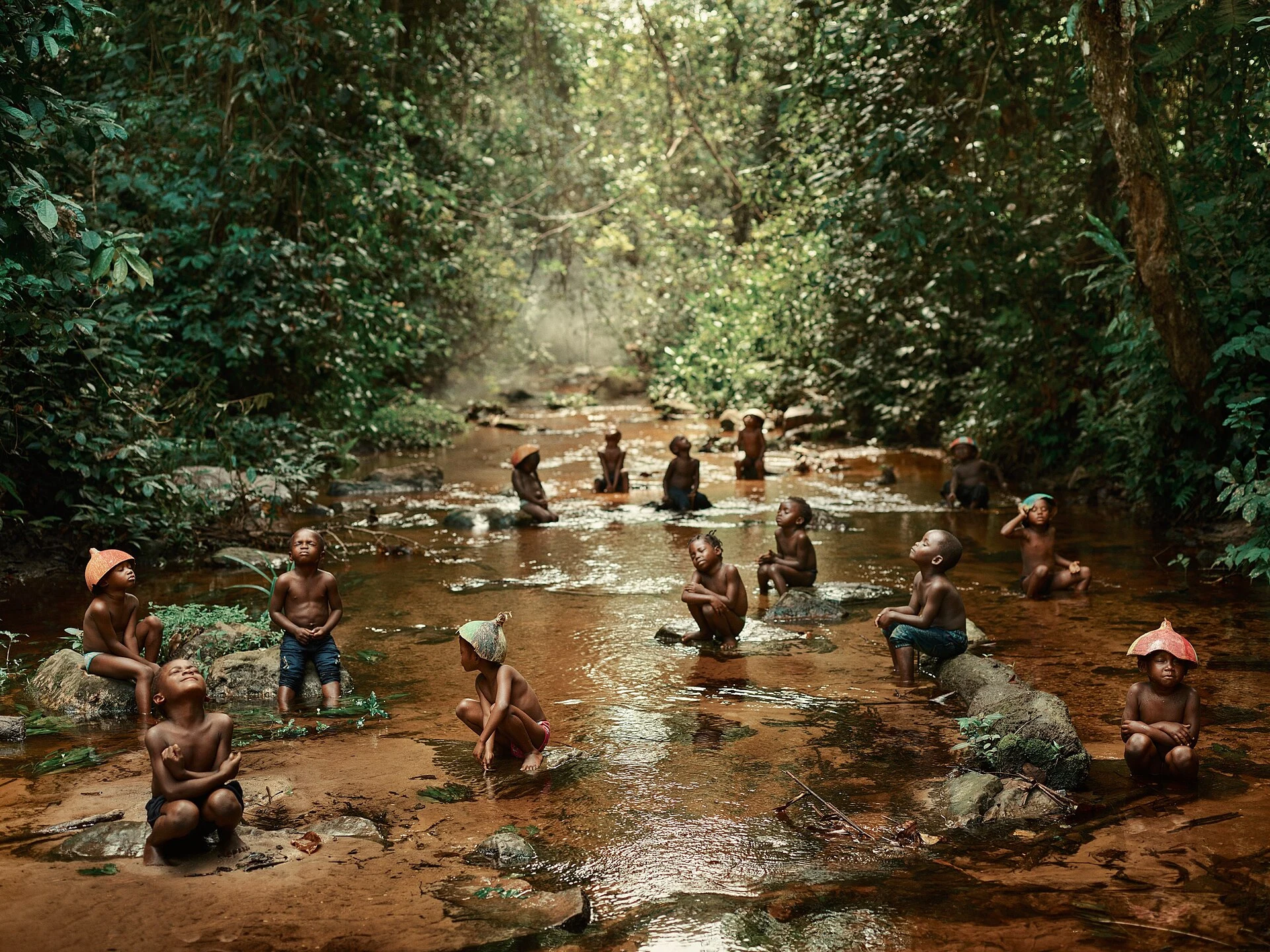
Loango is best understood as a mosaic: the Iguéla Lagoon, waterways, wetlands, forest, savanna and beach follow one another without any one environment replacing the others. The experience changes with each setting: a vehicle can cover open savanna; a boat brings you closer to banks and lagoons; and a guided walk slows the pace to focus on tracks, vegetation and birds.
The value of the area is not limited to the sight of large mammals beside the sea. The Petit Loango area forms part of a wetland of international importance, providing breeding and feeding functions for aquatic wildlife and including beaches that are important for marine turtles. Choose activities that explain this connection between lagoon and coast, rather than concentrating every outing on the beach. A quiet boat trip may be more in keeping with the place—and less physically demanding—than stringing together long overland drives.
Wildlife is wild and encounters are uncertain. Ask the local team which habitat you will visit, how long the transfer will take and how they expect visitors to behave if elephants, buffalo or primates appear. Keeping your distance, remaining quiet and following the agreed itinerary are part of the experience, not secondary restrictions.
The season should match a specific interest
If humpback whales are your priority, the local operator schedules coastal whale-watching outings between mid-July and mid-September. For night patrols focused on nesting turtles, the stated window runs from October to February. These are two very different proposals: the first depends on sea conditions and a departure from Port-Gentil; the second requires nighttime availability, discreet clothing and acceptance that no sighting is guaranteed.
From November to April, rainfall affects transfers and, according to the operational information available, favours the presence of large mammals on the beach. Do not turn this pattern into a promise: choose these dates only if you are interested in the wetter landscape and can accept changes of plan. For a first stay, it is more sensible to book enough nights to separate a lagoon day, a savanna or forest day and a coastal outing if conditions allow.
Before buying flights, confirm the exact dates of each activity, the condition of the tracks and the planned navigation with your accommodation or operator. Weather and operational conditions change and may alter an outing on the same day.
Getting there is a substantial part of the journey
Port-Gentil is the usual gateway for arranging a visit to Loango. From Libreville, it may be reached by air or sea; the regular maritime service publishes a route between the two cities, but its schedules, availability and boarding conditions should be checked directly before fixing international connections. From Port-Gentil, reaching the park is not a matter of taking urban transport: accommodation providers and operators usually coordinate combinations of vehicle and boat to the chosen base.
This reliance on organised transfers has a practical consequence: avoid planning Loango as an improvised day trip. Ask in writing which segments are included—pickup, boat, vehicle, guide, meals and return—and leave a time buffer before and after. Booking each journey separately may appear cheaper on paper, but it increases the risk that one delay will disrupt the entire itinerary.
Since 2026, the managing authority has communicated an obligatory access form for tourist activities in protected areas. Confirm who handles it, what documents are required and whether it is included in your bill. Before departure, also review Gabon’s entry requirements, the security situation and medical and evacuation coverage: these are decisions that should not be delegated to the safari booking.
What kind of traveller will get the most from Loango
Loango suits travellers who prefer a slow stay and accept that the programme may adapt to rain, tides, navigation and wildlife. A 4x4 or boat outing may be a reasonable alternative for people who do not want to undertake long walks; by contrast, forest walks require precise questions about distance, terrain, mud, heat and the possibility of encountering animals. Do not assume that a camp, boat or trail is accessible without specific confirmation.
Responsible travel is also practical: bring less luggage to simplify transfers, avoid asking guides to approach animals and do not base the visit on activities that require changing their behaviour. When booking, look for a local guide, clear instructions and a small group size. Loango’s quality lies in its ecological transitions, not in accumulating species or photographs.
Finally, follow the current official travel advice for Gabon. Foreign authorities point out that the security situation, protests, internal restrictions and medical care outside major cities require preparation and the ability to adjust your plans. Checking the context just before departure matters as much as choosing the season.
References to check before travelling
Information subject to change: consult these sources when finalising bookings and again before travelling.
- Gabon’s National Parks Agency: communication on the access form for protected areas and administrative conditions.
- Convention on Wetlands: Petit Loango profile, its ecosystems, uses and relationship with the national park.
- Loango operator: activities, indicative turtle and whale seasons, and guided options.
- NGV Gabon: maritime connections between Libreville and Port-Gentil, schedules and boarding conditions.
- Official notice from the United States Department of State: security, health and entry requirements to confirm for the travel date.
References consulted during editorial review. Times, requirements and advisories may change: always confirm with the official source.
- https://travel.state.gov/en/international-travel/travel-advisories/gabon.html?gsid=bcc82484-6b8c-4a27-b72e-7cdfed0c86ebtravel.state.gov
- https://www.gov.uk/foreign-travel-advice/gabonwww.gov.uk
- https://www.diplomatie.gouv.fr/fr/information-par-pays/gabon/conseils-aux-voyageurs-securitewww.diplomatie.gouv.fr
- https://www.smartraveller.gov.au/destinations/africa/gabonwww.smartraveller.gov.au
- https://travel.gc.ca/destinations/gabontravel.gc.ca
- https://www.loango-tourism.com/activitieswww.loango-tourism.com
- https://atgabon.com/wp-content/uploads/2017/07/Tourism-brochure-Gamba-Complex_English-Dec-14LowRes.pdfatgabon.com
- https://visitgabon.com/gabon/travel-guidesvisitgabon.com