Comoros · Nature and planning
Mohéli, an island park to visit with time and a guide
Mohéli is best understood as an inhabited island within a biosphere reserve: choose one base, leave room for transfers, and make every trip to the sea or forest a locally arranged activity.
Conditions described in the guide: confirm current requirements and access with the official source before travelling.
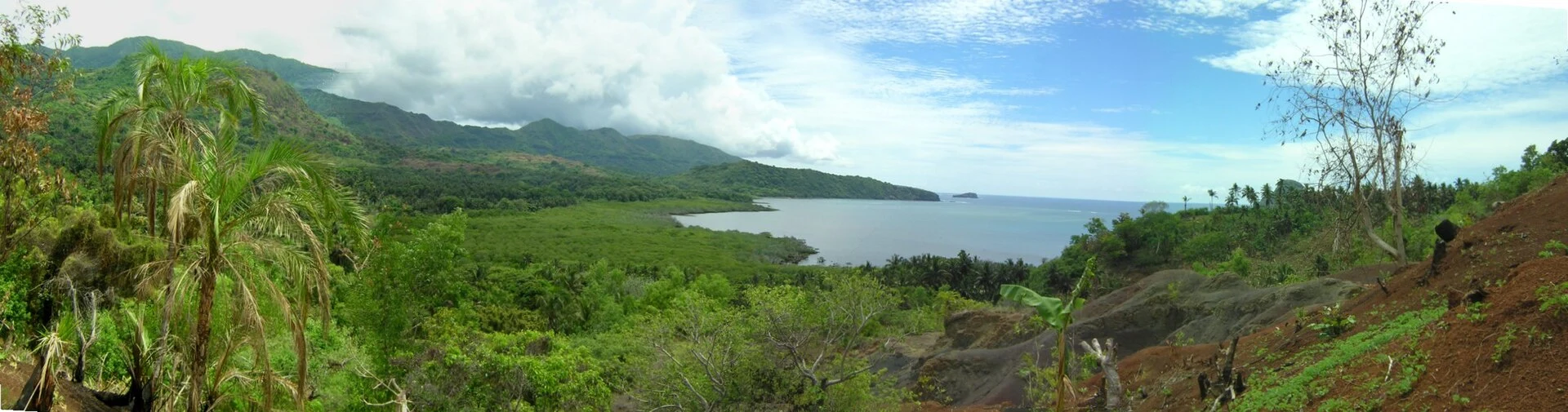
Mohéli—also known as Mwali—brings together coastline, islets, forest and communities that depend directly on these ecosystems. Its scale invites visitors to stay awhile, but not to improvise: the park is not an isolated enclosure, and the island does not operate with the predictability of a resort destination. Travel with genuine time to spare, a health and transport plan reviewed shortly before departure, and a willingness to adjust your itinerary.
The reward is a fuller visit: observing the coast without turning wildlife into a spectacle, walking through inland landscapes and understanding that conservation here is organised alongside everyday island life.
An entire island before a beach excursion
The Mwali Biosphere Reserve covers all of Mohéli’s land and marine territory; within it, the National Park protects coastal environments as well as forests and watersheds. This scale changes how you plan: rather than stringing together photogenic stops, choose a simple base and half-day outings that do not depend on too many connecting journeys.
Nioumachoua is a useful reference point for visitors who want to learn about the park’s work and reach the southern islets. For land excursions, ask which routes are operating and who will accompany you. The park itself includes guided visits, hiking and wildlife observation, but do not assume that a particular activity will be available on a given date.
Itsamia and Nioumachoua call for different rhythms
The coastline around Itsamia is associated with the breeding of marine turtles, while the area around Nioumachoua provides access to boat trips towards islets and reefs. These are complementary experiences, but they are not interchangeable: one centres on the coast and patient observation; the other also depends on a boat, sea conditions and local organisation.
Do not travel expecting a guaranteed sighting. In a breeding area, the right approach is to accept biological uncertainty and follow staff or guide instructions on distance, length of stay, lighting and photography. If animal behaviour or sea conditions suggest cancelling, cancellation is part of a responsible visit.
Time in reserve is worth more than a full schedule
Inter-island connectivity and local services can change; road and sea journeys also require more attention than usual. Mohéli therefore works better as part of a three- to five-day stay than as a tight stopover between flights or ferries. This margin allows you to separate a day at sea from a day in the forest, reschedule if the weather changes and avoid pressuring an operator to depart in doubtful conditions.
Avoid driving at night, and do not make public transport your only option. If you need to travel around the island, arrange the vehicle, driver, meeting point and a reasonable return time in advance. Carry enough cash, a power bank, water and an easily accessible copy of your documents: these are practical precautions, not a substitute for confirmed logistics.
The rainy season does not rule out Mohéli, but it changes the plan
Between December and April, heavy rain, storms and episodes affecting roads, crossings and services may occur. This is not an automatic reason to rule out the island, but it is a reason to avoid overly tight connections and plan extra nights before an international flight.
At any time of year, confirm the marine forecast, access conditions and your chosen activity directly with Mohéli National Park or the local provider. Do not post sensitive wildlife locations in real time, leave no waste on beaches or boats, and prioritise services that work with guides and island communities. The park defines itself as a protected area co-managed with communities and focused on the sustainable use of resources.
Before deciding whether it suits you
Mohéli suits travellers who accept quiet days, changing plans and observation activities with context. It may not suit those who need nearby medical assistance, highly stable infrastructure, fully documented physical accessibility or connections with little spare time. Emergency and healthcare services are limited, especially outside the main population centres.
Take out insurance that covers medical evacuation, bring enough medication for the entire stay, and confirm entry requirements, transit conditions and official notices according to your passport. Also check the inter-island transport situation shortly before travelling: an improvement project or the existence of a route does not, on its own, mean that reliable service will operate on a particular date.
Sources to check before departure
- Mohéli National Park: contact the park for information on guided visits, current rules, available activities, access and conditions in Nioumachoua and Itsamia.
- UNESCO’s Man and the Biosphere Programme: context on the Mwali Biosphere Reserve, its terrestrial and marine ecosystems, and its designation in 2020.
- Nairobi Convention / validated environmental report on Comoros: information on marine-turtle monitoring and the importance of Itsamia; use it as context, not as a promise of sightings.
- Comoros Maritime Interconnectivity Project: general information on port and connectivity improvements; always confirm the service actually operating with the carrier.
- Official travel advisory from the Government of Canada, updated on 9 September 2026: before booking, check the situation regarding security, health, roads, navigation and weather conditions.
- Spain’s travel advice, current on 11 September 2026: check for changes to regional connections and consular recommendations applicable to your itinerary.
References consulted during editorial review. Times, requirements and advisories may change: always confirm with the official source.
- https://www.comorostourism.com/en/www.comorostourism.com
- https://www.picmc.org/www.picmc.org
- https://travel.gc.ca/destinations/comorostravel.gc.ca
- https://comorostourism.com/en/ontc/a_proposcomorostourism.com
- https://www.exteriores.gob.es/es/ServiciosAlCiudadano/Paginas/Detalle-recomendaciones-de-viaje.aspx?trc=Comoraswww.exteriores.gob.es
- https://mohelinationalpark.com/mohelinationalpark.com
- https://www.sgtm.com/destination-anjouan/www.sgtm.com
- https://whc.unesco.org/en/tentativelists/6974/whc.unesco.org
- ComorasWikidata · CC0 1.0 · Wikidata · Q970
- ComorosWorld Countries — mledoze · ODbL 1.0 · World countries dataset by mledoze and contributors · ODbL 1.0
- ComorosWorld Bank Open Data · CC BY 4.0 · World Bank
- ComorosDBpedia · CC BY-SA 3.0 · DBpedia