Somalia · travel decision
Mogadishu’s Maritime Heritage and Why a Tourist Trip Should Wait
Mogadishu’s old city preserves an important maritime and urban memory, but current official advisories make a tourist trip inadvisable.
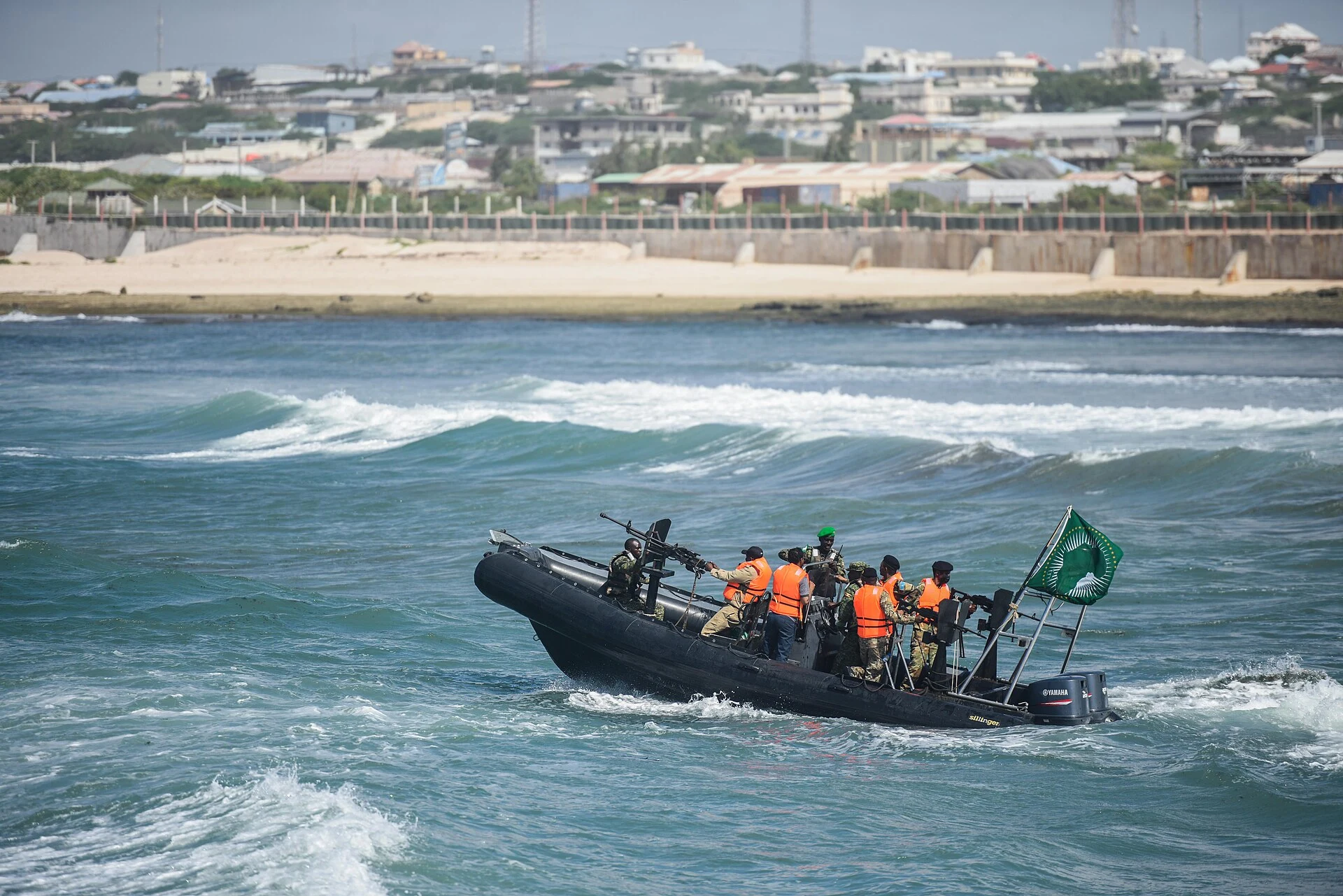
Mogadishu brings together port history, coral-stone architecture and Somali urban life around its old city and the Secondo-Lido lighthouse. However, this cultural richness does not make the destination a responsible tourism option right now: as of September 2026, the official advisories consulted recommend against travel to Somalia or limit travel to very specific essential purposes. For anyone planning a holiday, the most useful decision is to postpone the trip and, in the meantime, get to know the city through Somali cultural sources and heritage institutions.
An Indian Ocean city, not a historical backdrop
Mogadishu’s old city is a living urban fabric where narrow streets, ancient mosques, coral-stone homes, commerce and memories of Indian Ocean maritime connections coexist. Its importance cannot be reduced to isolated buildings: what matters is the relationship between the port, neighbourhoods, community practices and ways of inhabiting a coast exposed to rapid change.
The Secondo-Lido lighthouse brings together several layers of this history. It is a navigational structure built during the Italian occupation, but it stands beside a city whose commercial importance is much older. Reading it solely as colonial heritage would erase the trading, religious and cultural networks that connected Mogadishu with Arabia, Persia, India and other cities along the Swahili coast.
It is also important not to give it a designation it does not have: the lighthouse appears on a tentative list of World Heritage, a preliminary step that is not the same as inscription on the World Heritage List.
Heritage is tied to everyday life and vulnerability
Recent conservation initiatives do not treat the lighthouse as separate from the rest of Mogadishu. Following a partial collapse, technical work has addressed its stability and the future of nearby historic neighbourhoods. At the same time, recurring floods and urban pressure affect both the buildings and the people who live and work in them.
For a future visitor, this reality calls for a non-extractive approach: the old city is not a backdrop available to explore without consequences, but an inhabited space whose heritage depends on infrastructure, security, drainage, housing and local participation. Oral traditions, maritime knowledge and community practices are as much a part of that heritage as walls and towers.
For this reason, even if general travel conditions were to change, a thoughtful visit would need to prioritise legitimate local intermediaries, community rules and spending that does not intrude on residential spaces or turn hardship into spectacle.
The condition defining any plan: security
For independent tourism, the main practical fact is not which neighbourhood to choose or how much time to set aside, but that the authorities consulted continue to issue warnings of the highest severity. The US advisory, issued on 21 May 2026, says not to travel to Somalia because of risks including armed conflict, violent crime, kidnapping, terrorism, limited medical services and landmines. It also notes that US consular capacity inside the country is very limited.
The British recommendation, current on 10 September 2026, advises against all travel to Somalia, including Somaliland, except for certain regional exceptions where it nevertheless recommends travelling only if essential. These differences in wording do not amount to approval for a holiday: both sources describe a context incompatible with an ordinary tourist getaway.
It would be imprudent to present routes, beaches, hotels, urban transport options or advice on bypassing risks. Anyone with a professional, family or humanitarian reason to travel should work with their organisation, the relevant authorities, their insurer and specialised security advisers; a travel article cannot replace that planning.
What to do with your curiosity about Mogadishu while the trip waits
Postponing a trip does not mean ignoring the city. A respectful preparation can begin with Somali maritime history, the religious and domestic architecture of the old city, and projects led by Somali professionals to document and protect its heritage. This is a way of recognising Mogadishu’s present cultural value without demanding immediate tourist access.
Before revisiting any plan, check the official advisories, the civil aviation situation, the realistic availability of consular assistance, entry requirements and effective medical-evacuation cover once again. Do not assume that flight information, permits, local services, insurance or security data published in advance remain valid: these details are changeable and must be confirmed directly with the relevant organisations.
The best travel decision today is to maintain your interest in Mogadishu and leave the visit until conditions allow a safe and respectful presence.
Sources to check before planning
- US Department of State: travel advisory for Somalia, issued on 21 May 2026. Confirm the risk level, consular assistance and aviation-related restrictions before making any decision.
- UK Foreign, Commonwealth & Development Office: travel advice for Somalia, current on 10 September 2026. Check the regional map and applicable insurance coverage.
- UNESCO: assessment and recent work on Mogadishu’s old city and the Secondo-Lido lighthouse, published in 2025 and 2026.
- UNESCO World Heritage Centre: entry for the Mogadishu Secondo-Lido lighthouse on the tentative list. Confirm that it is a tentative nomination, not an inscribed site.
References consulted during editorial review. Times, requirements and advisories may change: always confirm with the official source.
- https://www.unesco.org/en/articles/building-resilience-future-mogadishus-old-townwww.unesco.org
- https://travel.state.gov/en/international-travel/travel-advisories/somalia.htmltravel.state.gov
- https://whc.unesco.org/en/tentativelists/6754/whc.unesco.org
- https://whc.unesco.org/document/207663whc.unesco.org
- https://whc.unesco.org/en/statesparties/so/whc.unesco.org
- https://www.unesco.org/en/articles/illuminating-past-mogadishus-lighthouse-leads-heritage-revival-somalia?hub=68313www.unesco.org
- https://www.gov.uk/foreign-travel-advice/somaliawww.gov.uk
- https://travel.state.gov/en/international-travel/travel-advisories/somalia.html?os=vbkn42tqhotravel.state.gov
- SomaliaWikidata · CC0 1.0 · Wikidata · Q1045
- SomaliaWikidata · CC0 1.0 · Wikidata · Q51131324
- SomáliaWikidata · CC0 1.0 · Wikidata · Q704736
- SomaliaWikidata · CC0 1.0 · Wikidata · Q19895980
- SomaliaWorld Countries — mledoze · ODbL 1.0 · World countries dataset by mledoze and contributors · ODbL 1.0
- Somalia, Fed. Rep.World Bank Open Data · CC BY 4.0 · World Bank
- SomaliaDBpedia · CC BY-SA 3.0 · DBpedia