Dominican Republic · Nature and heritage
Los Haitises from Sabana de la Mar: Mangroves and Caves
Choosing the right departure point, confirming permits and not relying on one particular cave can completely change your visit to Los Haitises.
Conditions described in the guide: confirm current requirements and access with the official source before travelling.
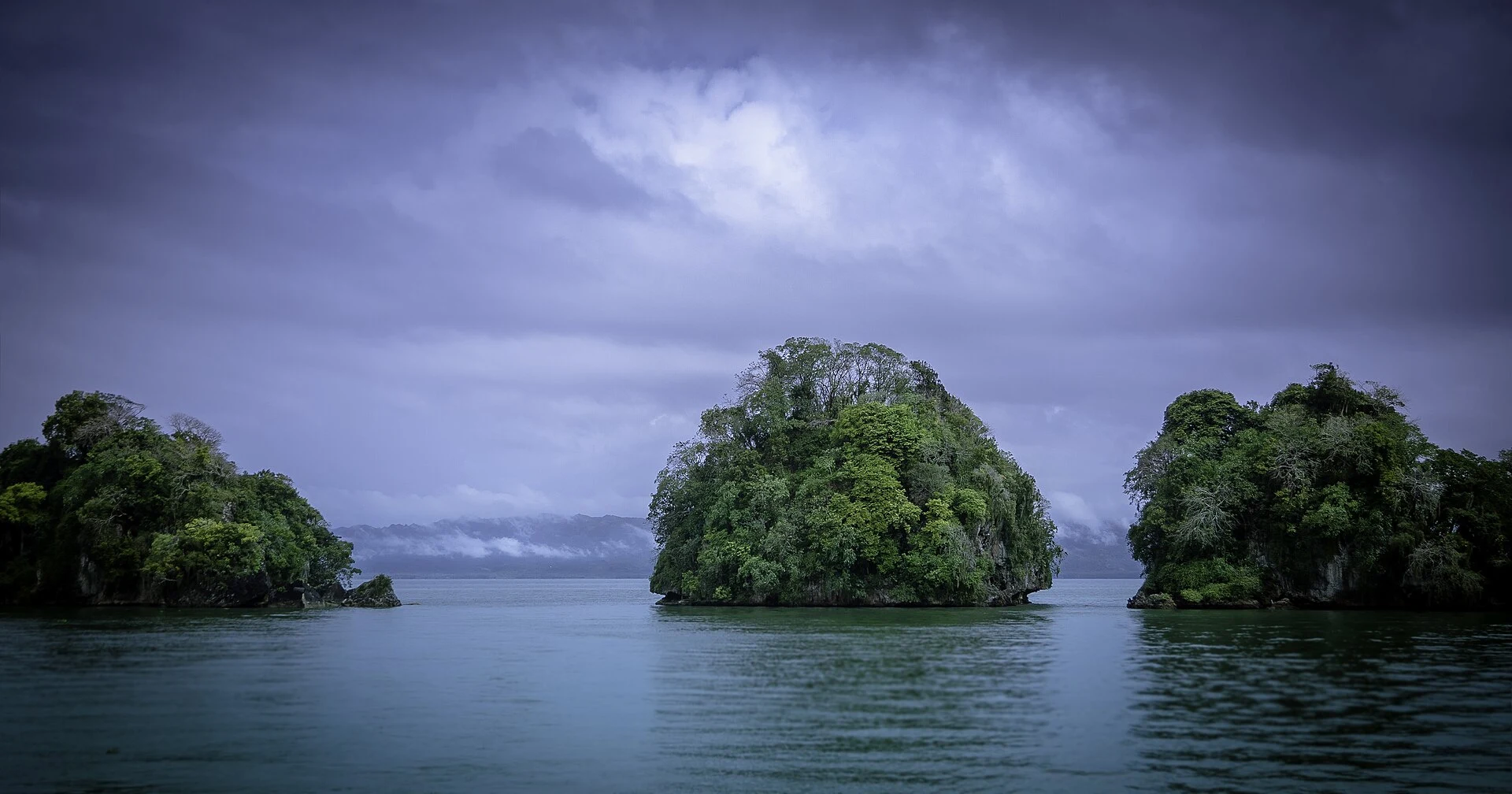
Los Haitises National Park is best understood as a landscape shaped by water: mogotes, mangroves and caves are connected by boat routes rather than experienced as isolated attractions. To visit thoughtfully, decide which shore to depart from, accept that the itinerary may change and treat the rock art as fragile heritage, not as a backdrop for photographs.
Sabana de la Mar or Samaná: two different starting points
The two entrances suit different plans. Sabana de la Mar is the most logical base if the park is your main objective: the park administration is located here, and the maritime access connects directly with the public-use area. Departing from Samaná, by contrast, works better if you are staying on the peninsula and accept that much of the day will be spent sailing across the bay.
Do not choose solely because you have been promised a visit to a particular cave. Before booking, ask the operator about the departure dock, the actual time spent on the water, the planned stops and which authorization procedure they handle. Protected-area documentation indicates that visits must be authorized in advance; confirm the current procedure with the administration before setting out.
The route makes sense from the boat
Sailing reveals the park’s physical logic: karst formations rising beside the water, mangrove channels, coves and small islands used by birds. A visit does not need a long list of landings to feel complete; a well-planned route alternates observation from the boat with one or two stops in the public-use area.
Bring binoculars if you are interested in birdlife and keep your expectations open: bird sightings depend on the time of day, boat noise and the day’s conditions. The place’s value also lies in taking time to observe the edges of the mangroves and understanding that they are habitat, not a scenic passage to rush through.
The caves require flexibility and respect for heritage
The caves of Los Haitises bring together rock art and geology in a humid, vulnerable environment. Look at the panels without touching them, do not rest backpacks against the walls and do not try to improve the lighting in ways that disturb other visitors or affect the site. A good guide or operator should explain what you are seeing and keep the group within the designated areas.
There is a practical reason not to build your entire day around a single cave: Cueva de la Línea was temporarily closed on June 23, 2026, because of deterioration to its access dock. The reopening date and the condition of the other stops can change; check them with the Ministry of Environment and the park administration immediately before your visit.
Plan a day with a genuine alternative
Plan the day in two layers. The first, essential one, is sailing among mangroves and mogotes and stopping wherever conditions and authorization allow. The second can be the caves, a short trail or birdwatching. That way, if one stop is changed, the outing still makes sense.
Ask in advance whether there will be time on land, what type of boat is used and whether you will share it with other visitors. This information will help you choose between a panoramic excursion and a visit focused more closely on the park. For a less rushed experience, staying near your chosen departure point avoids turning Los Haitises into a long round trip from another tourist area.
Responsible visiting starts before you board
In a protected area, leaving no trace is a practical instruction: take all your waste back with you, do not remove shells, plants or other natural elements, and do not feed or chase animals. In the caves, scratching walls, rocks or trees is prohibited; archaeological remains and painted surfaces must not be touched.
Also avoid amplified music and ask that the boat remain outside sensitive mangrove areas. Choosing a visit that follows park-ranger guidance and does not promise access beyond the public-use zone is a simple decision with real consequences for the site.
Sources to check before you go
- Ministry of Environment and Natural Resources: profile and public-use information for Los Haitises National Park.
- Ministry of Environment and Natural Resources: notice concerning the temporary closure of Cueva de la Línea, June 23, 2026.
- Dominican Republic Tourism: official information about Los Haitises and boat departures from Samaná.
- BirdLife International: Los Haitises biodiversity profile.
- Avibase, Birds Canada: bird list for Los Haitises National Park, updated in 2025.
Confirm with official sources the entry authorization, available stops, dock conditions, sailing conditions and any operational changes.
References consulted during editorial review. Times, requirements and advisories may change: always confirm with the official source.
- https://ambiente.gob.do/medio-ambiente-dispone-cierre-temporal-cueva-la-linea-los-haitises/ambiente.gob.do
- https://ambiente.gob.do/parque-nacional-los-haitises/ambiente.gob.do
- https://www.godominicanrepublic.com/things-to-do/national-park-los-haitiseswww.godominicanrepublic.com
- https://ambiente.gob.do/wp/download/1771/anexo-g-leyes-y-normas/292287/ley-no-64-00.pdfambiente.gob.do
- https://ambiente.gob.do/wp/download/2106/areas-protegidas/294272/parque-nacional-los-haitises.pdfambiente.gob.do
- https://es.godominicanrepublic.com/destinos/samanaes.godominicanrepublic.com
- https://ambiente.gob.do/wp/download/626/cambio-climatico/42570/segunda-comunicacion-nacional-rd.pdfambiente.gob.do
- https://ambiente.gob.do/wpfd_file/parque-nacional-los-haitises/ambiente.gob.do
- República DominicanaWikidata · CC0 1.0 · Wikidata · Q786
- Dominican RepublicDBpedia · CC BY-SA 3.0 · DBpedia
- Potencialidades ecoturísticas de la República DominicanaOpenAlex · CC0 1.0 · OpenAlex
- Potencialidades del turismo ornitológico en El Caribe. Un análisis de República DominicanaOpenAlex · CC0 1.0 · OpenAlex
- Análisis del perfil, motivaciones, y valoraciones de los turistas gastronómicos. El caso de la República DominicanaOpenAlex · CC0 1.0 · OpenAlex
- “Tipologías turísticas en república dominicana: El caso del turismo del golf”Crossref · Metadatos públicos; derechos específicos por campo cuando correspondan · Crossref
- Fiscalidad y turismo en la República DominicanaCrossref · Metadatos públicos; derechos específicos por campo cuando correspondan · Crossref
- REPÚBLICA DOMINICANACrossref · Metadatos públicos; derechos específicos por campo cuando correspondan · Crossref
- La importancia de llamarse República Dominicana, o por qué nombrarse de otra forma que no sea HaitíCrossref · Metadatos públicos; derechos específicos por campo cuando correspondan · Crossref