Burundi · Living culture
Gishora and Gitega National Museum: drums, memory and travel planning
Gishora Sanctuary is best understood as a visit centred on listening and context, not a quick performance. The key decision is simple: go only if you can book ahead, speak with the custodians and combine it with the Gitega National Museum.
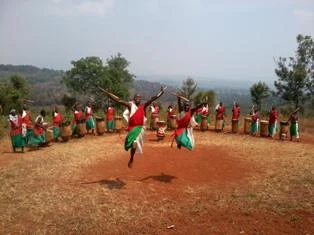
Around 7 km from Gitega, Gishora brings together real drums, political memory and an artistic practice passed down through generations. The ritual dance of the royal drum of Burundi has been inscribed on UNESCO’s Representative List of the Intangible Cultural Heritage of Humanity since 2014; it involves more than percussion alone, including dance, heroic poetry and singing.
The choice is not Gishora or nothing: it is an isolated performance or a contextualised visit
Go to Gishora if you want to understand a living tradition and can devote a substantial part of the day to it, rather than simply arriving to photograph a choreographed performance. UNESCO describes a semicircular formation, with a central drum and a group of at least a dozen drums—always an odd number—as well as dancers and singing. The practice is linked to national and local celebrations, social messages and the transmission of knowledge; hearing an explanation before the performance completely changes the visit.
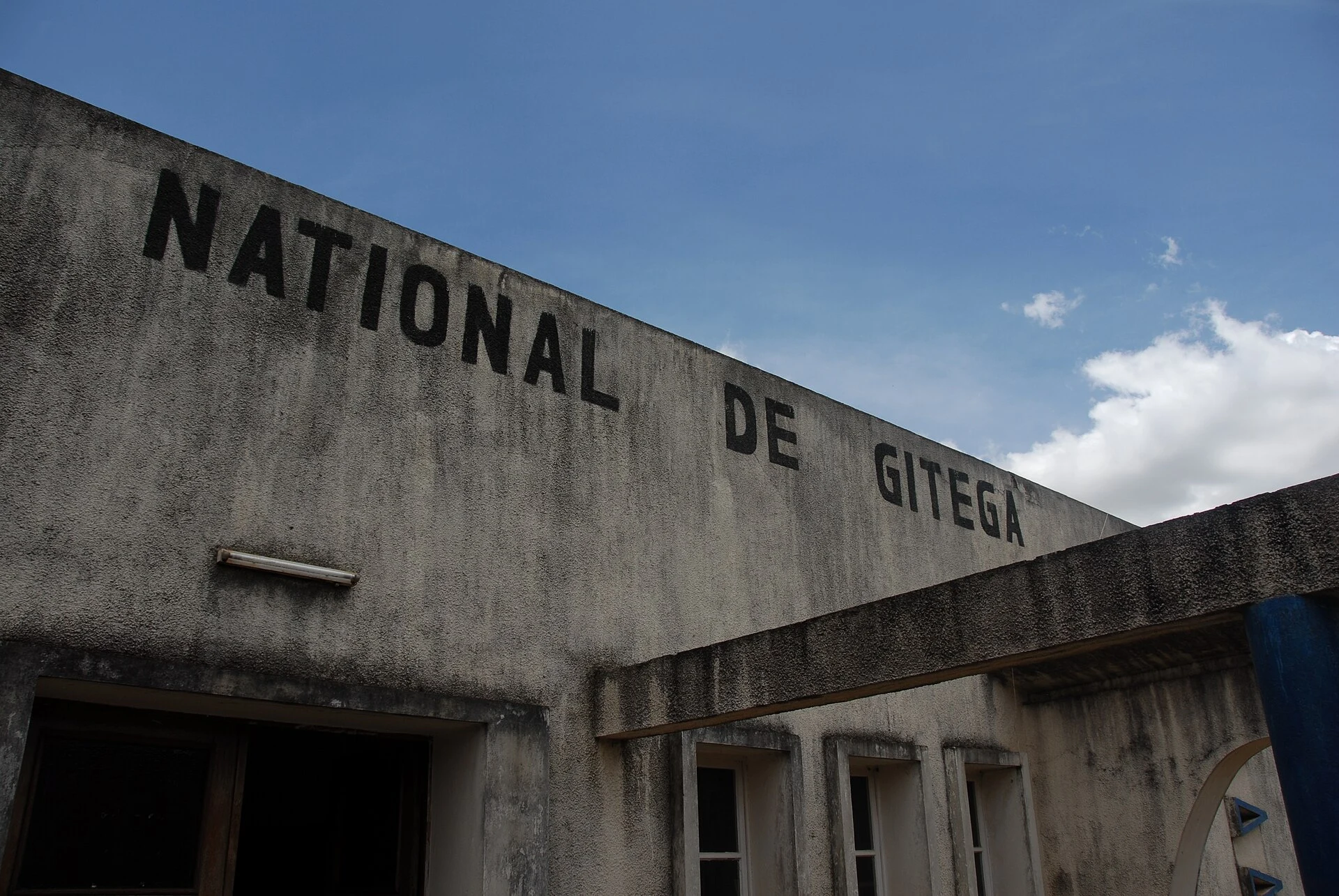
The best combination is to add the Gitega National Museum before or afterwards. Founded in 1955, it holds ethnographic and archaeological collections, photographs and a reconstructed royal compound; it does not replace the sanctuary, but it helps place the objects, the monarchy and the material forms of Burundian memory in context.
If you only have a few hours and your priority is a quick cultural experience, do not force the journey from Bujumbura: a presentation without mediation may leave you with a striking but incomplete impression. If you spend a night in Gitega, by contrast, Gishora makes more sense as part of an unhurried day.
What to ask before confirming
The official tourism portal places the sanctuary on a hill about 7 km from Gitega’s urban centre and says that visitors can attend drumming performances there. However, the official pages consulted do not publish a regular schedule, prices, visit duration or accessibility conditions. Confirm directly with the tourism contact or an authorised organiser the date, interpretation language, return transport, whether seating is available during the performance, toilet facilities, the access terrain and the rules on photography and video.
Also ask who will receive payment for the performance and the mediation. It is a concrete way to support a visit that recognises the work of the performers and custodians, rather than treating the tradition as a free extra attached to a transfer. Do not ask for sequences to be repeated solely for the camera or enter the instrument area; always follow the host’s instructions.
How to watch the performance without turning it into a backdrop
Arrive in time to hear the names and roles of the drums, observe how the group is organised and, if the opportunity arises, ask about how young people learn. UNESCO notes that the bearers come from drum sanctuaries in different parts of the country and that many are descended from sanctuary guardians; transmission takes place mainly through practice and also through formal education.
Do not automatically interpret what you see as a relic of an extinct monarchy. Gishora contains real history, but it is also a contemporary practice: the ritual drum remains a vehicle for cohesion, transmission and collective expression. The useful question is not “Can I touch a drum?” but “What part of this practice do you consider important for a visitor to understand?”
A practical decision that should not be overlooked
Gishora is close to Gitega, but any plan in Burundi requires checking the context before setting out. The US State Department advisory dated 29 April 2025 recommended reconsidering travel to the country because of political violence, crime and health risks, and warned that checkpoints could restrict movement and that borders could close without notice. Do not use that date as a current assessment: check the advisory in force for your nationality, local conditions and the feasibility of the journey on the day you leave.
Do not arrange night travel or assume that a cultural booking resolves logistics or safety. If official recommendations, your insurance or a reliable local contact do not support a clear daytime transfer, the responsible decision is to postpone the visit. Gishora deserves attention; it does not deserve to be visited by ignoring warning signs.
A minimum plan: half a day with two different rhythms
Book the sanctuary visit first and leave enough time for the encounter not to be reduced to a timed hour. Afterwards, visit the Gitega National Museum if it is open and its access conditions suit you. This order means listening first to a living practice and then setting it against historical collections and context; reverse it if you would rather reach the sanctuary with some background. On the day of your visit, verify the opening hours, closures and conditions at both sites through official sources or local contacts.
References consulted during editorial review. Times, requirements and advisories may change: always confirm with the official source.
- https://tourisme.gov.bi/en/cultural-tourism/tourisme.gov.bi
- https://tourisme.gov.bi/le-burundi/tourisme.gov.bi
- https://tourisme.gov.bi/tourisme.gov.bi
- https://www.visitburundi.bi/www.visitburundi.bi
- https://tourisme.gov.bi/tourisme-culturel/tourisme.gov.bi
- https://www.gishoradrumsanctuary.com/www.gishoradrumsanctuary.com
- https://gishoradrumsanctuary.com/booking/gishoradrumsanctuary.com
- https://gishoradrumsanctuary.com/faq/gishoradrumsanctuary.com
- BurundiWikidata · CC0 1.0 · Wikidata · Q967
- BurundiWikidata · CC0 1.0 · Wikidata · Q2928649
- BurundiWorld Countries — mledoze · ODbL 1.0 · World countries dataset by mledoze and contributors · ODbL 1.0
- BurundiWorld Bank Open Data · CC BY 4.0 · World Bank
- BurundiDBpedia · CC BY-SA 3.0 · DBpedia