Living heritage and responsible decision-making in Falcón
Coro and La Vela between earth, port and dunes, with travel on hold
Coro and La Vela are best understood as a landscape of building techniques, port life, wind and dunes—not as a succession of façades. But as of September 5, 2026, the first useful decision is not to plan a route: it is to check whether travelling to Venezuela is sensible and feasible.
Conditions described in the guide: confirm current requirements and access with the official source before travelling.
Coro is more than a colonial postcard. Its exceptional value lies in its earthen architecture—wattle and daub, adobe and rammed earth—which brings together local building knowledge, Mudéjar influences and Dutch Caribbean connections. The city and the port of La Vela form a single UNESCO-listed property; looking only at the historic centre leaves out the relationship between streets, crafts, coast and dry landscape.
There is, however, a prior condition. As of September 5, 2026, Canada advises against all travel to Venezuela; the United States maintains a Level 3 advisory for the country, “reconsider travel”; and the United Kingdom advises against all but essential travel to most of the country. These are separate national assessments, but they agree that the situation requires an up-to-date review before booking—not an improvised getaway.
The responsible decision may be to postpone, not optimise
We do not present Coro as an immediate weekend recommendation. Connectivity, entry conditions, insurance, service availability and the security situation can change with little notice. The British advisory, updated on September 2, 2026, notes limited capacity for commercial operations from Maiquetía and asks travellers to confirm the situation directly with the airline or travel provider; Canada also warns of a heightened security situation and shortages that may affect basic conditions. Check these points in the official sources for your nationality before buying flights or accommodation.
For anyone already legally in Venezuela who is considering a visit, the priority should not be to “see everything”, but to have an independent exit plan, reliable local contacts and room to change plans. Do not interpret a less strict advisory as a guarantee of safety: consular advice is a risk-assessment tool, not a certificate of normality.
Start with the material, not the façade
The key to Coro is earthen construction. UNESCO identifies wattle and daub—mud combined with wood and bamboo—adobe and rammed earth as techniques that remain present throughout the property. This changes how you explore it: the point is not to look for the “prettiest” house, but to observe eaves, courtyards, wall thicknesses, openings, repairs and the way the architecture responds to heat, rain and available materials.
It also calls for careful observation. The site has been on the List of World Heritage in Danger since 2005, after exceptional rainfall in late 2004 and early 2005 damaged structures; its material fragility and environmental changes remain part of its history, not a footnote. Do not enter closed buildings, construction sites or spaces that appear unstable, and avoid leaning equipment against walls, climbing them or turning residential doorways and courtyards into photo sets.
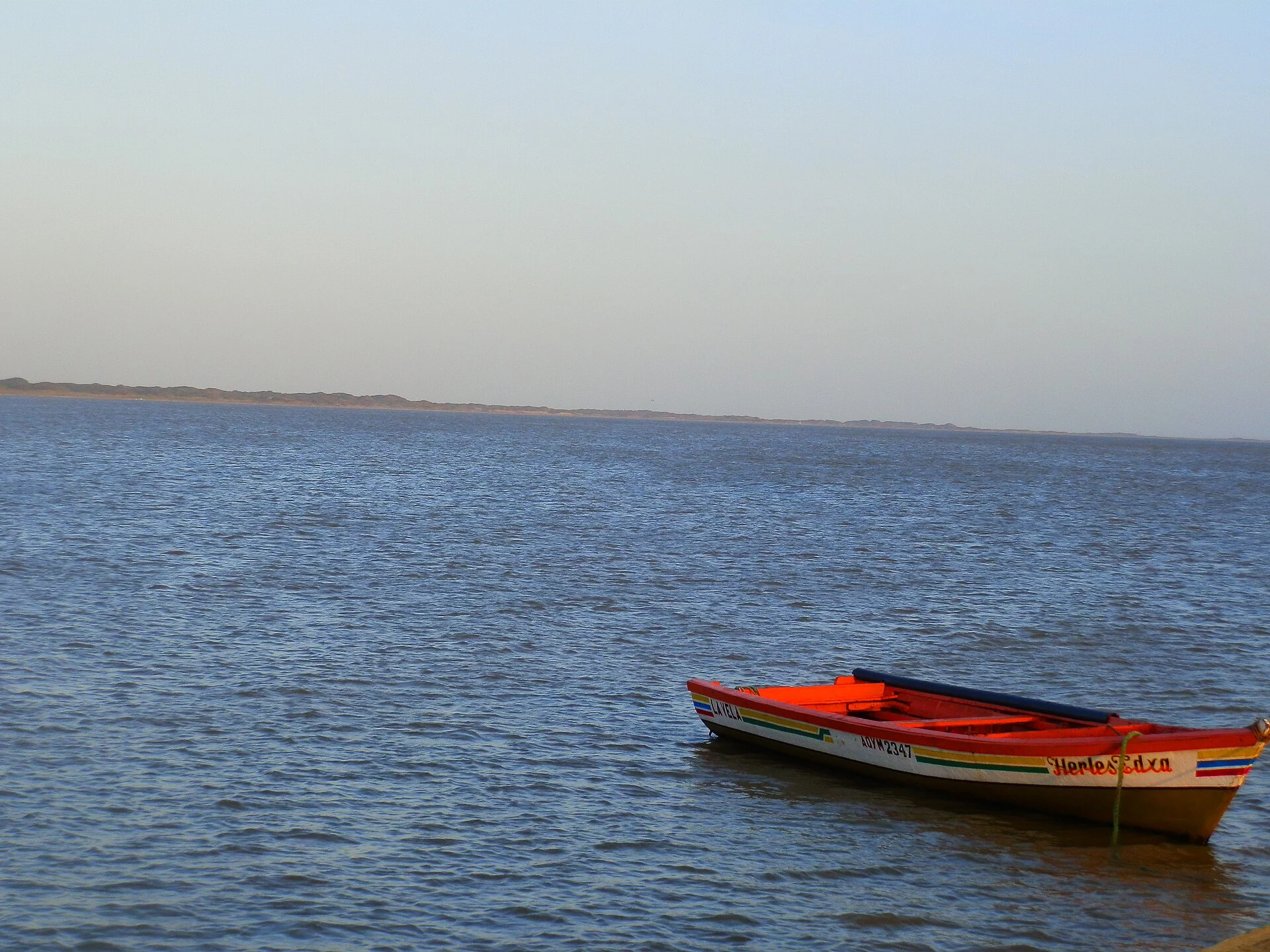
Coro and La Vela: two scales of the same heritage
The UNESCO inscription covers two urban components: Coro and its port of La Vela. Separating them during your visit means missing the logic of the place. Coro allows you to read the urban fabric and domestic, civic and religious uses; La Vela adds the coastal, port and Caribbean scale. UNESCO itself stresses that the urban configuration developed in relation to an Indigenous irrigation channel and that earthen techniques remain connected to active craftspeople.
When responsible travel becomes possible, set aside time to talk—with permission and without demanding demonstrations—to people who work in, live in or manage the heritage. An accredited local guide or cultural institution can provide context on restoration work, temporary closures and sensitive areas that no fixed list can anticipate. Confirm locally and recently which buildings, public spaces and services are actually accessible: we do not publish opening hours or access details because these are changeable operational facts.
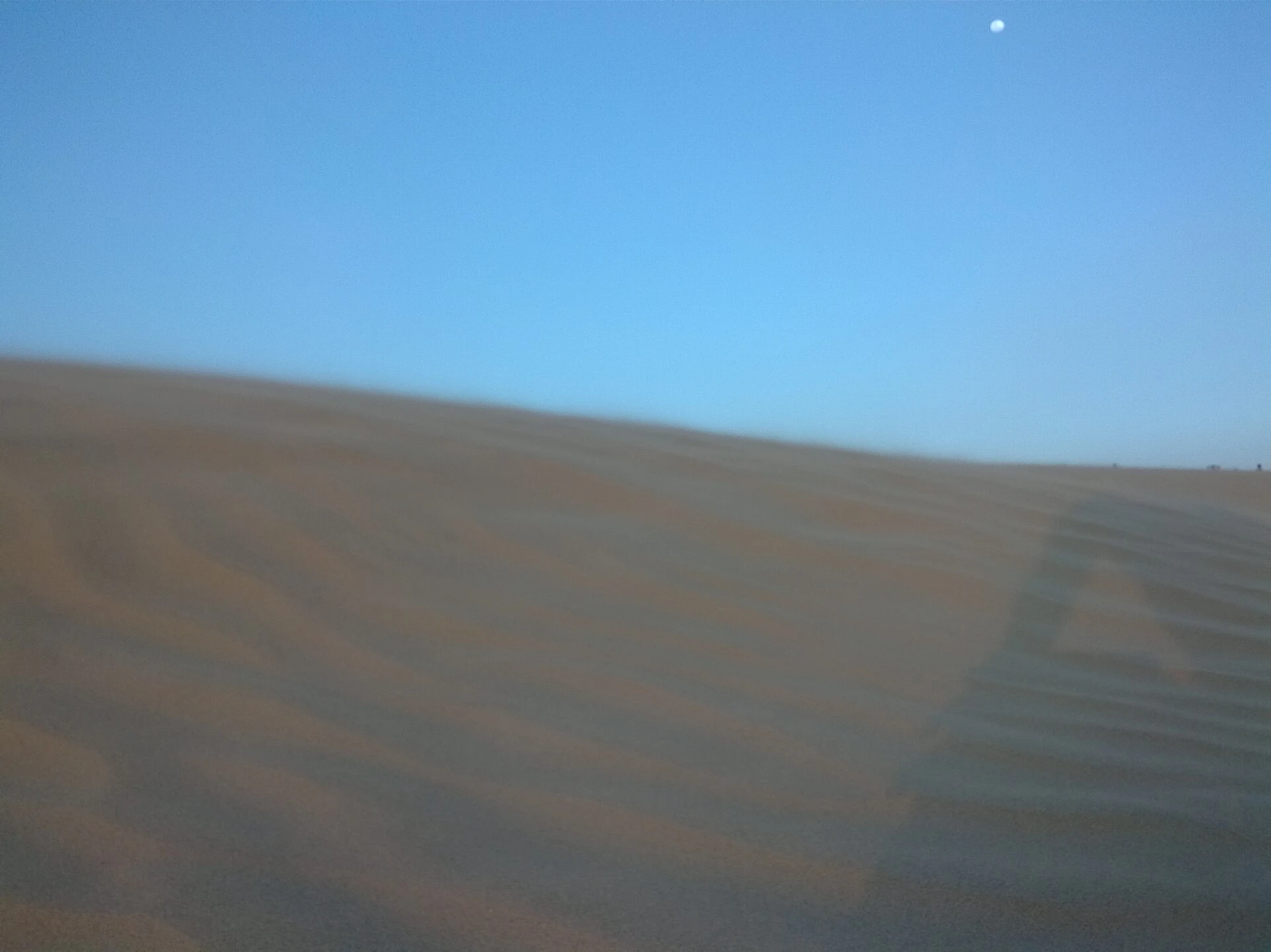
Los Médanos are not an add-on for sliding down sand
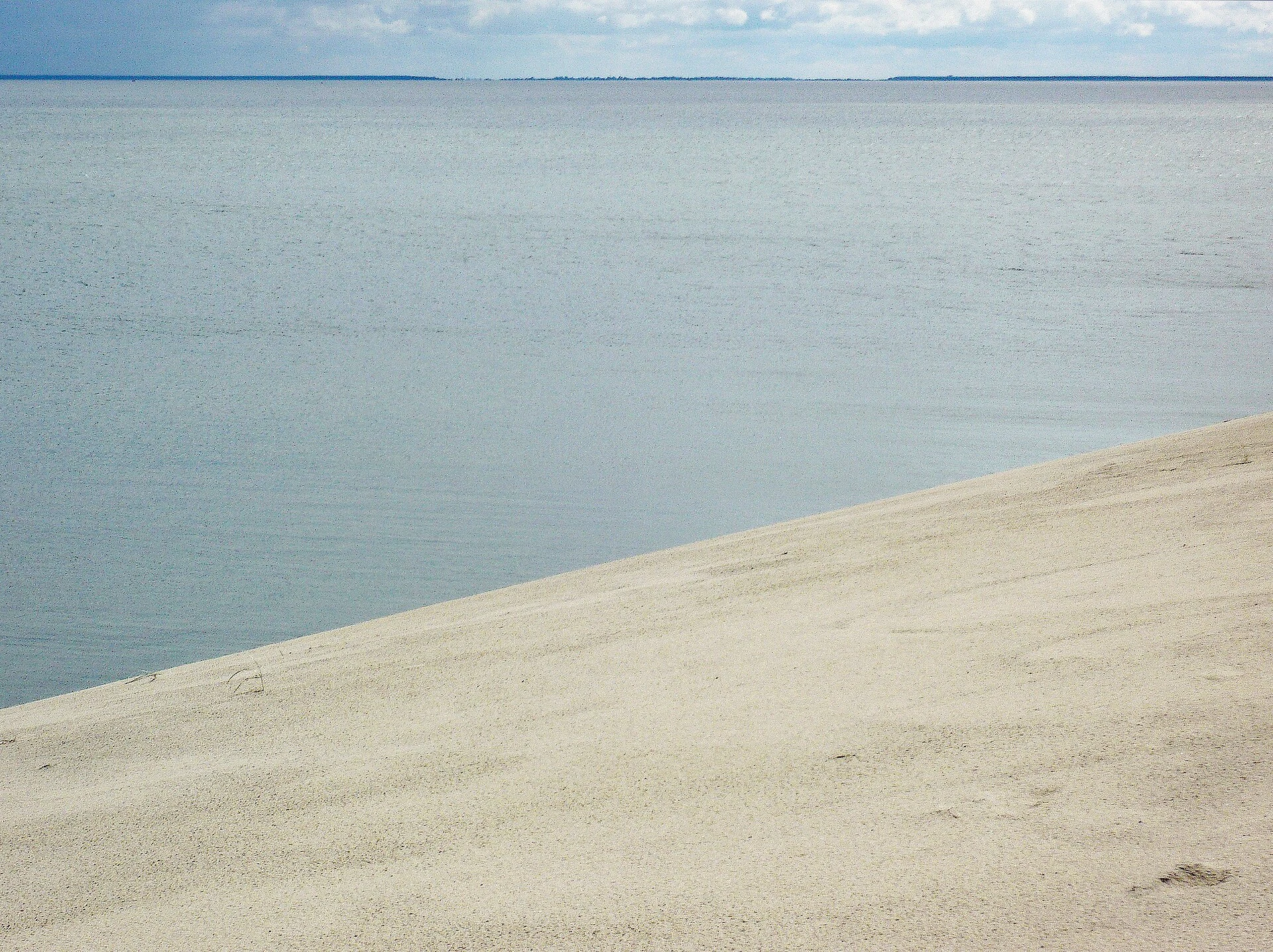
Médanos de Coro National Park broadens the way we understand the territory: it protects dunes, bird-migration corridors, mangroves and other ecosystems associated with the isthmus linking Paraguaná to the rest of Falcón. According to Inparques, its boundaries were modified by Decree 4,548 of 2021 specifically to conserve these natural and cultural values.
If conditions allow a future visit, treat the dunes as a protected area, not an amusement park. Stay in authorised sectors and follow park-ranger guidance; do not create new tracks, leave waste, remove organisms or materials, or engage in practices that accelerate erosion. Inparques’ general recommendations include staying on established routes, taking rubbish away and respecting the area’s specific rules and the instructions of park staff.
A minimum plan for a future visit, not a fixed itinerary
If official advisories, the local context and your own assessment allow you to travel at a later date, plan a short, flexible stay: a slow day for Coro, another to understand La Vela and, only if park management confirms it, a separate block for the Médanos. This avoids stringing together long transfers and reduces the pressure to turn every stop into content.
Before setting out, verify five things with official sources or direct providers: 1) your country’s current consular advisory; 2) entry requirements and documentation; 3) flights that are genuinely operating; 4) road and local transport conditions; and 5) the specific accessibility of accommodation, heritage sites and the park. Historic streets, soft sand and potentially variable infrastructure may create mobility barriers; ask for specific confirmation if you travel with a wheelchair, mobility aids, a pushchair or medical needs. This caution does not diminish Coro’s interest: it places it on the right scale, as an inhabited place whose conservation and real conditions matter more than a rushed visit.
References consulted during editorial review. Times, requirements and advisories may change: always confirm with the official source.
- https://whc.unesco.org/en/list/658whc.unesco.org
- https://whc.unesco.org/en/list/658/documents/whc.unesco.org
- https://whc.unesco.org/en/decisions/523whc.unesco.org
- https://whc.unesco.org/en/documents/112088whc.unesco.org
- https://whc.unesco.org/en/decisions/3360/whc.unesco.org
- https://whc.unesco.org/en/decisions/5965/whc.unesco.org
- https://whc.unesco.org/en/list/658/threatswhc.unesco.org
- https://www.unesco.org/en/culture-emergencies/heritage-emergency-fund/emergency-actions-historic-buildings-coro-and-its-port-world-heritage-property-dangerwww.unesco.org
- VenezuelaWikidata · CC0 1.0 · Wikidata · Q717
- VenezuelaWikidata · CC0 1.0 · Wikidata · Q14513308
- VenezuelaWikidata · CC0 1.0 · Wikidata · Q8875751
- Venezuela, RBWorld Bank Open Data · CC BY 4.0 · World Bank
- VenezuelaDBpedia · CC BY-SA 3.0 · DBpedia
- La planificación y prevención de los impactos ambientales del turismo como herramienta para el desarrollo sostenible: Caso de estudio Timotes, VenezuelaOpenAlex · CC0 1.0 · OpenAlex