Marshall Islands · memory, remote access and technical diving
Bikini Atoll, nuclear memory and reasons to postpone a visit
Bikini Atoll brings together famous wrecks, a vast lagoon and a history of displacement and nuclear contamination. The useful question is not how to get there, but whether your trip has the preparation, time and respect the place requires.
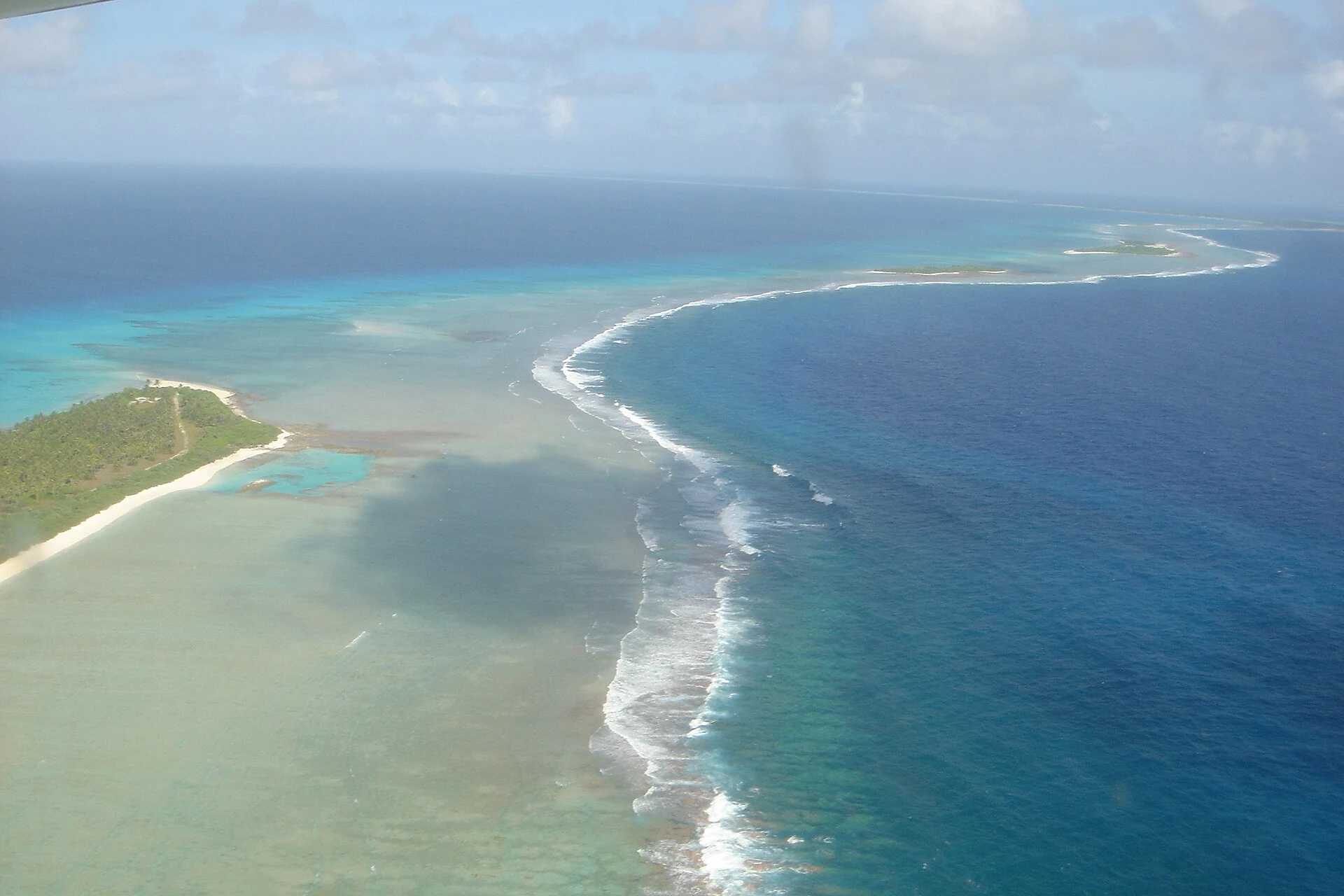
Bikini should not be added to a Marshall Islands itinerary as an extreme version of a beach getaway. Its lagoon preserves wrecks linked to US nuclear tests conducted from 1946 to 1958, but the significance of the site does not end underwater: it is also the homeland of a displaced community and a landscape whose history continues to have environmental, health and political implications.
That is why a responsible decision is not about comparing operators or chasing an image of a “lost paradise”. It means distinguishing between three travel motives that require different answers: learning about the history, undertaking a technical-diving expedition or recognising that it is not yet the right time to go. Bikini can be a deeply meaningful place to visit, but it is not suitable for improvisation, learning to dive wrecks or treating a nuclear legacy as entertainment.
First decide what you are looking for: memory, immersion or a difficult combination
If what draws you is the Pacific’s nuclear history, ask what being physically in Bikini would add that preparation in Majuro would not. The atoll was the site of tests that transformed the territory and the lives of its inhabitants; the Bikini community was displaced, and its diaspora is central to the story. Arriving only to photograph the lagoon or list sunken ships leaves out what makes the place matter.
An expedition makes more sense for someone willing to spend time with that history, listen to the people and organisations who safeguard it, and accept that the visit will not offer a conventional tourist experience. Read testimonies and material produced from within the Marshall Islands before booking. Avoid language that presents the atoll as an empty place available for use: it is a homeland whose people were unable to return to live there permanently.
If your main aim is to understand the contemporary Marshall Islands, a longer stay in Majuro may be a more coherent alternative. It allows you to understand connections, services, everyday rhythms and the continuing effects of nuclear history without turning Bikini into a quick-consumption excursion.
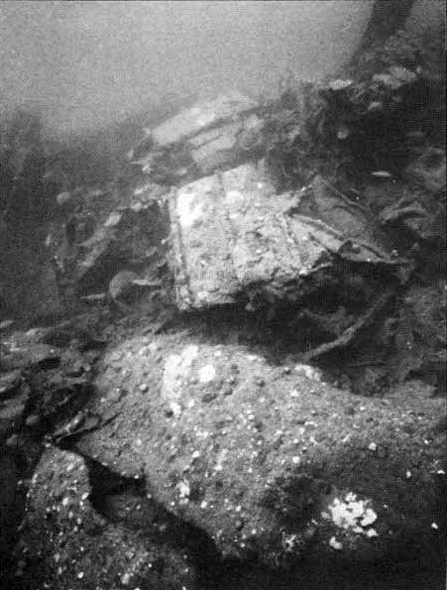
The wrecks do not turn the lagoon into a place to gain experience
Bikini’s underwater fame comes from a fleet sunk during the 1946 tests. That does not amount to an invitation to every diver with a recreational certification. The wrecks may involve depth, currents, penetration, decompression, changing visibility, redundant equipment and isolated logistics. These are conditions for someone already competent in the type of dive proposed, not an intensive course or a chance to collect qualifications.
Ask the operator in writing for the exact minimum profile for each dive, planned depths, whether penetration is involved, how gas is organised, and what emergency, communications and evacuation protocols apply. Do not accept vague phrases such as “advanced divers only”: compare the requirements with your recent, documented experience.
Distance also raises the threshold for caution. Specialised medical infrastructure is limited, and Majuro does not have a hyperbaric chamber. A responsible response may be to skip a particular dive, even if the trip has been expensive. Carry insurance that explicitly covers evacuation and the type of diving you will undertake; many policies exclude technical diving, wrecks or decompression.
Permits and transport: treat every leg as provisional
Bikini does not work like an island where you simply buy a ticket and arrive. Access has been subject to authorisation by the local administration and specific logistical arrangements; diving operations and transport options can change at short notice. Do not book non-refundable international flights around an internal connection that has not been directly confirmed by the expedition organiser.
Build buffer days into the beginning and end of the trip, and prepare a workable plan in case the transfer is delayed or cancelled. Ask who issues the permit, what documents are required, what baggage the journey allows, what water and power supplies will be available on board or ashore, and what happens if weather forces changes to the programme. Also verify the actual cancellation policy, not just the initial advertising.
Do not assume that a sea route, charter flight or advertised expedition will still be operating when you want to travel. These are calendar-sensitive details that you must confirm with the Kili-Bikini-Ejit administration, the transport provider and the chosen operator before paying a deposit.
Radiation requires current information, not brochure certainty
Bikini cannot be explained with a simplistic yes-or-no answer about safety. Environmental and radiological monitoring programmes continue, and relevant recommendations may vary according to the length of your stay, planned activities and consumption of local food. Do not apply advice received for another island, a brief visit or a dive without going ashore.
Before leaving, request current, specific instructions about travel on land, access areas, water and food. Do not collect or consume fish, shellfish, coconuts, fruit or other products from the atoll on your own initiative. Nor should you remove objects from the wrecks or land: besides disrespecting protected heritage, this may breach access rules.
Good practice here is not to seek a reassuring guarantee, but to accept limits. If official guidance is incomplete, the operator cannot explain it clearly, or your medical needs make a complex evacuation unreasonable, postpone the trip.
How to leave a more useful footprint than a photograph
A low-volume visit is not automatically a responsible one. Ask how money is distributed among the operator, crew, permits and the Bikini community; if the answer is opaque, consider not booking. Favour itineraries that include serious historical interpretation, local employment and clear heritage-protection rules over packages that use nuclear history as a spectacular selling point.
On board and ashore, reduce waste at the source: carry a reusable bottle, avoid unnecessary packaging and do not leave the community to manage materials you could have avoided bringing. Follow instructions on photography, landing areas and clothing. Learn a few polite phrases in Marshallese, but do not turn local people into scenery for your travel story.
The most responsible choice may be to support cultural and educational work connected with Bikini without trying to reach the atoll on this trip. That is not a minor form of giving up: it recognises that access to a place of memory is not an automatic visitor’s right.
Before confirming the expedition
Check the specific circumstances of your trip with these official or institutional sources: the Kili-Bikini-Ejit administration for permits and visitor rules; the World Heritage Centre for the site’s cultural scope and protection; the Marshall Islands environmental monitoring programme for radiological information; and your nationality’s consular authorities for entry requirements, medical coverage, transport and current alerts.
Confirm separately—and immediately before departure—permits, transport, diving requirements, evacuation conditions, insurance, and restrictions on food and landings. These elements can change and should not be inferred from travellers’ accounts or outdated information.
References consulted during editorial review. Times, requirements and advisories may change: always confirm with the official source.
- https://whc.unesco.org/en/statesparties/mhwhc.unesco.org
- https://whc.unesco.org/uploads/nominations/1339.pdfwhc.unesco.org
- https://whc.unesco.org/en/list/1339whc.unesco.org
- https://whc.unesco.org/en/listwhc.unesco.org
- https://www.unesco.org/en/world-heritage/listwww.unesco.org
- https://whc.unesco.org/document/206723whc.unesco.org
- https://whc.unesco.org/en/decisions/3999whc.unesco.org
- https://whc.unesco.org/en/statesparties/mh/assistance/whc.unesco.org
- Islas MarshallWikidata · CC0 1.0 · Wikidata · Q709