Guinea-Bissau · travel decision
Bijagós Archipelago travel should wait for safer conditions
The value of Bijagós lies in its tides, mangroves and local approaches to managing the territory. But current advisories and limited medical response make it sensible to postpone the trip and prepare carefully.
The Bijagós Archipelago is not suited to an improvised getaway. Its islands, channels and intertidal flats form a living landscape of immense ecological importance, where wildlife observation cannot be separated from community management of natural resources. Before thinking about Bubaque, Orango or Poilão, however, it is worth addressing a more basic question: do current conditions allow travel with a reasonable margin of safety and access to medical care?
The sensible decision today is not to make Bijagós an immediate plan
As of 7 September 2026, official advisories for Guinea-Bissau point to risks linked to political instability, insufficient healthcare capacity and explosive remnants in certain parts of the country. Although the archipelago is separate from many of those areas, an island trip depends on the broader situation in Bissau, communications and the realistic possibility of receiving assistance or being evacuated if something goes wrong.
The practical recommendation is to postpone an independent or remote nature itinerary until the official advice for your nationality, the political situation and medical-evacuation cover make it possible to plan the trip on a firmer basis. It is not enough for a particular island to appear calm: the logistics begin and end beyond it.
If you are already specifically interested in Bijagós, use this time to prepare: identify the conservation authorities, check the entry requirements that apply to your passport and avoid buying non-refundable connections before confirming the situation. Visa rules, flights, maritime links and access conditions may change; check them with the official sources listed at the end.
What the archipelago really protects
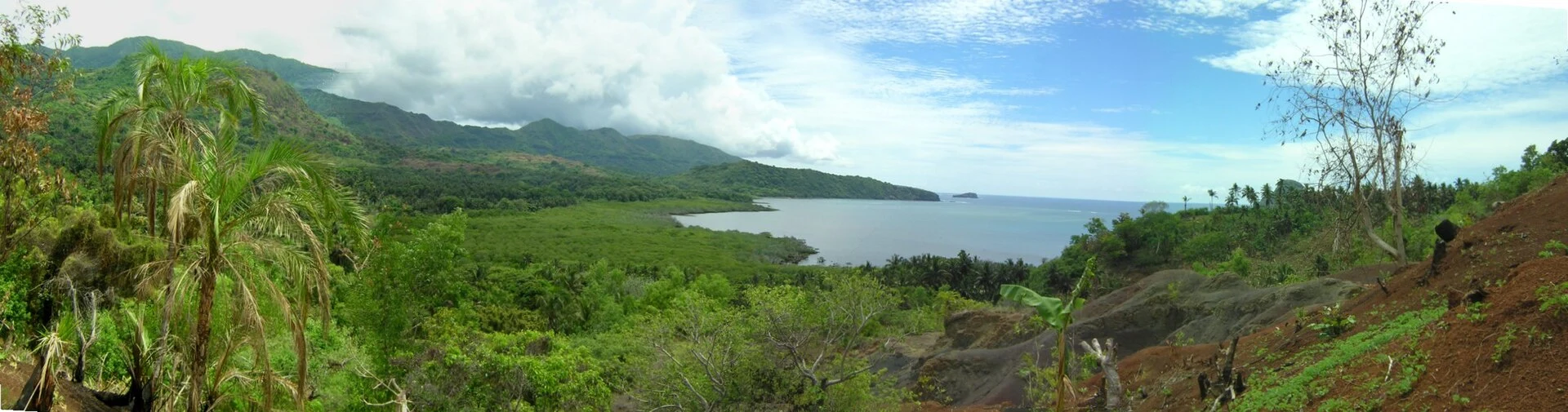
Bijagós is an active deltaic archipelago on the Atlantic coast of West Africa. Its importance does not lie in collecting isolated beaches, but in the relationship between sea, sediments, estuaries, mangroves, tidal flats and channels. The rhythm of the tides sustains a food web on which waterbirds, fish, rays, sharks and sea turtles depend.
The Coastal and Marine Ecosystems of the Bijagós Archipelago – Omatí Minhô were inscribed on the World Heritage List in 2025 because of their ecological processes and biodiversity. The protected area includes, among other sites, João Vieira and Poilão Marine National Park, Orango Islands National Park and the Community Marine Protected Area of the Urok Islands.
Poilão is exceptionally important for turtle nesting; Orango is associated with mangroves, lagoons and wildlife habitats; and the Urok Islands remind us that this is not an empty backdrop but an inhabited and managed territory. That distinction matters when travelling: a responsible visit must accept that conservation, subsistence fishing and local communities’ decisions define the limits of what is possible.
Bubaque, Orango and Poilão are not three equivalent stops
Treating the archipelago as a list of islands leads to poor decisions. Bubaque often serves as an administrative and logistical reference, not as a substitute for protected marine areas. Orango requires an understanding of an environment made up of inhabited islands and sensitive ecosystems. João Vieira and Poilão contain particularly delicate conservation values, so any future visit would have to follow the park’s current rules rather than expectations of wildlife sightings.
The priority should not be to string islands together in a few days, but to ask what kind of access is authorised, who coordinates it, which areas are open and whether the proposed activity contributes to local management. If those answers do not come from a competent authority or an operator clearly connected to the territory, it is better not to assume that access is available.
Nor should you promise yourself encounters with turtles, hippos, manatees or birds. Wildlife is not a service that can be scheduled; Bijagós matters precisely because its ecological cycles do not revolve around visitors.
Preparing a lower-impact future visit
When travel conditions improve, a shorter, well-coordinated stay will be preferable to an ambitious route involving unnecessary transfers. Prioritise contacts who can explain permits, navigation rules, waste management and limits on wildlife observation; be wary of proposals that present beaches, nests or villages as guaranteed-access attractions.
On islands with limited services, carrying a reusable bottle, enough personal medication, sun protection and a basic first-aid kit can reduce pressure on local resources. Protection against insect bites and advice from a travel-medicine professional should be arranged before departure: malaria risk exists in Guinea-Bissau, and available medical care may be very limited.
Cultural preparation matters too. Local ways of using the sea, mangroves and coastal resources are part of the archipelago’s continuity. Ask permission before photographing people or everyday activities, do not enter fishing or gathering areas without an invitation, and avoid leaving waste—even small items—on beaches or boats.
Official references to check before booking
- UNESCO World Heritage Centre: the entry for the Coastal and Marine Ecosystems of the Bijagós Archipelago – Omatí Minhô; confirm the property’s scope, its 2025 inscription and its ecological values.
- Institute for Biodiversity and Protected Areas of Guinea-Bissau (IBAP): publications and materials on Orango and João Vieira–Poilão parks; check permits, visitor rules, contacts and possible restrictions.
- United States Department of State: travel advisory for Guinea-Bissau, issued on 11 December 2025 and current at the time of the consultation on 7 September 2026; check the latest version before deciding.
- Spain’s Ministry of Foreign Affairs, European Union and Cooperation: travel advice for Guinea-Bissau; review the information relevant to your nationality.
- Centers for Disease Control and Prevention: health information for travellers to Guinea-Bissau, including malaria prevention and medical preparation.
Verify all changing information on entry, connections, navigation, park status, health, evacuation and security directly with these institutions and with your insurer.
References consulted during editorial review. Times, requirements and advisories may change: always confirm with the official source.
- https://whc.unesco.org/en/list/1431whc.unesco.org
- https://whc.unesco.org/en/decisions/5132/whc.unesco.org
- https://www.unesco.org/en/mab/bolama-bijagoswww.unesco.org
- https://ibapgbissau.org/publicacao/ibapgbissau.org
- https://whc.unesco.org/en/list/1431/whc.unesco.org
- https://whc.unesco.org/document/122864whc.unesco.org
- https://wwwnc.cdc.gov/travel/destinations/traveler/none/guinea-bissauwwwnc.cdc.gov
- https://unfccc.int/sites/default/files/resource/TCN_Guinea_Bissau.pdfunfccc.int
- Guinea-BisáuWikidata · CC0 1.0 · Wikidata · Q1007
- Guinea-BissauWorld Countries — mledoze · ODbL 1.0 · World countries dataset by mledoze and contributors · ODbL 1.0
- Guinea-BissauWorld Bank Open Data · CC BY 4.0 · World Bank
- Fronteras abiertas, sistema cerrado: por qué las familias argentinas eligen adoptar en Guinea-BisáuCrossref · Metadatos públicos; derechos específicos por campo cuando correspondan · Crossref