Mauritania · protected Atlantic coast
Banc d’Arguin: tides, birds and Imraguen villages
At Banc d’Arguin, travel revolves around permits, tracks, tides and rules that put the ecosystem and Imraguen communities ahead of haste.
Conditions described in the guide: confirm current requirements and access with the official source before travelling.

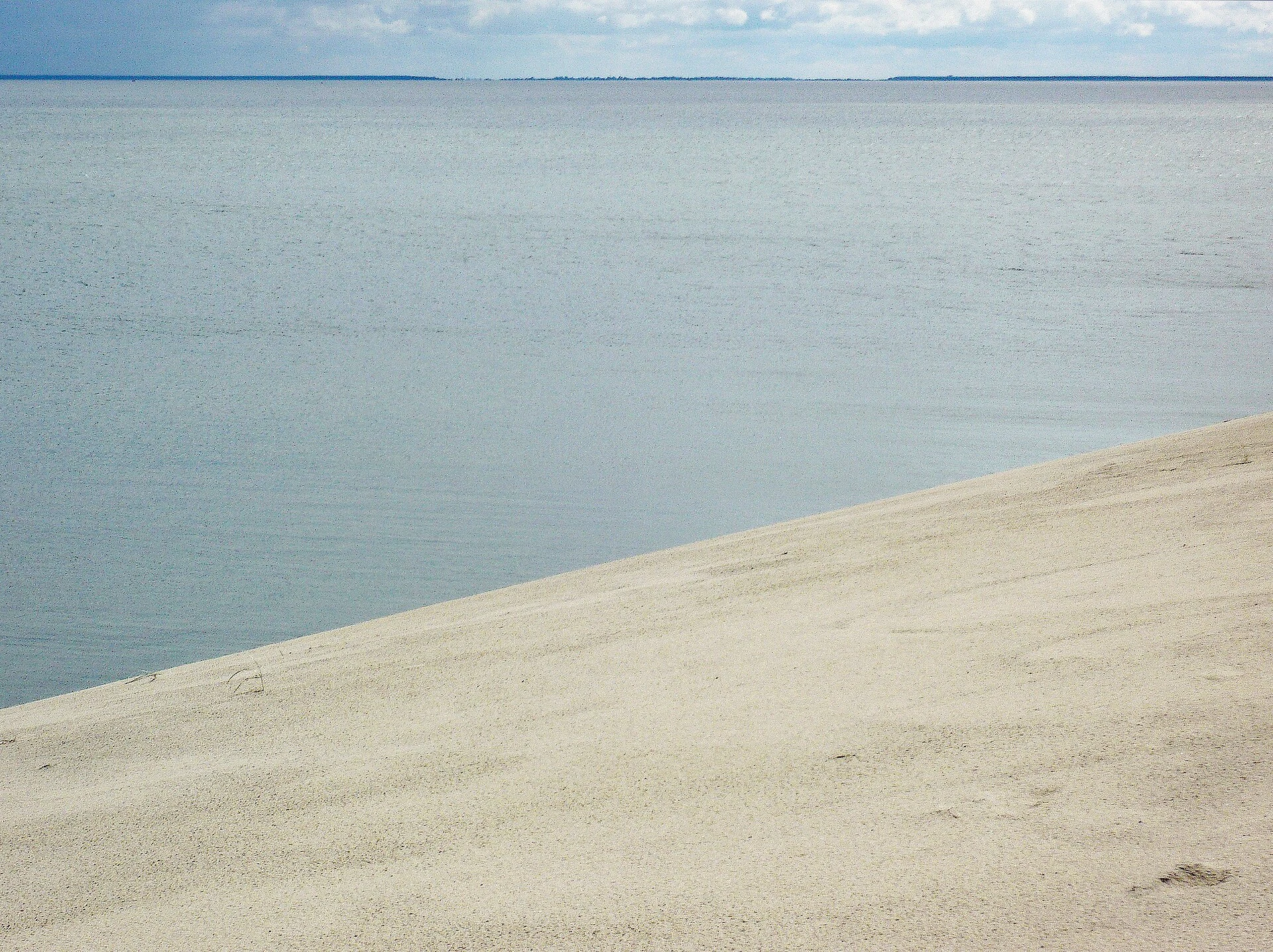
Banc d’Arguin National Park brings together dunes, tidal flats, islets and shallow waters along Mauritania’s Atlantic coast. This is not a conventional beach destination or a place for ticking off a string of stops: its meaning lies in observing how desert, sea and Imraguen fishing share a protected territory. Visiting requires logistical self-sufficiency, a discreet attitude and a willingness to let the wildlife set the pace.
A landscape understood from the ebb tide
The experience here is not concentrated in a viewpoint or a list of species. Shallow waters, sandbanks and expanses of marshland change how the place is read as the tide moves. The park is a vital stopover for migratory birds and is also home to sea turtles, dolphins and a web of life connected to its seagrass meadows.
It is best to approach wildlife watching as a period of waiting, not as a promise of sightings. Binoculars, protection from the sun and wind, your own water and food will help you spend time in the field without turning every journey into an emergency. It can also feel cold, so a light warm layer makes sense even in a Saharan landscape.
The visit begins with permits and a guide
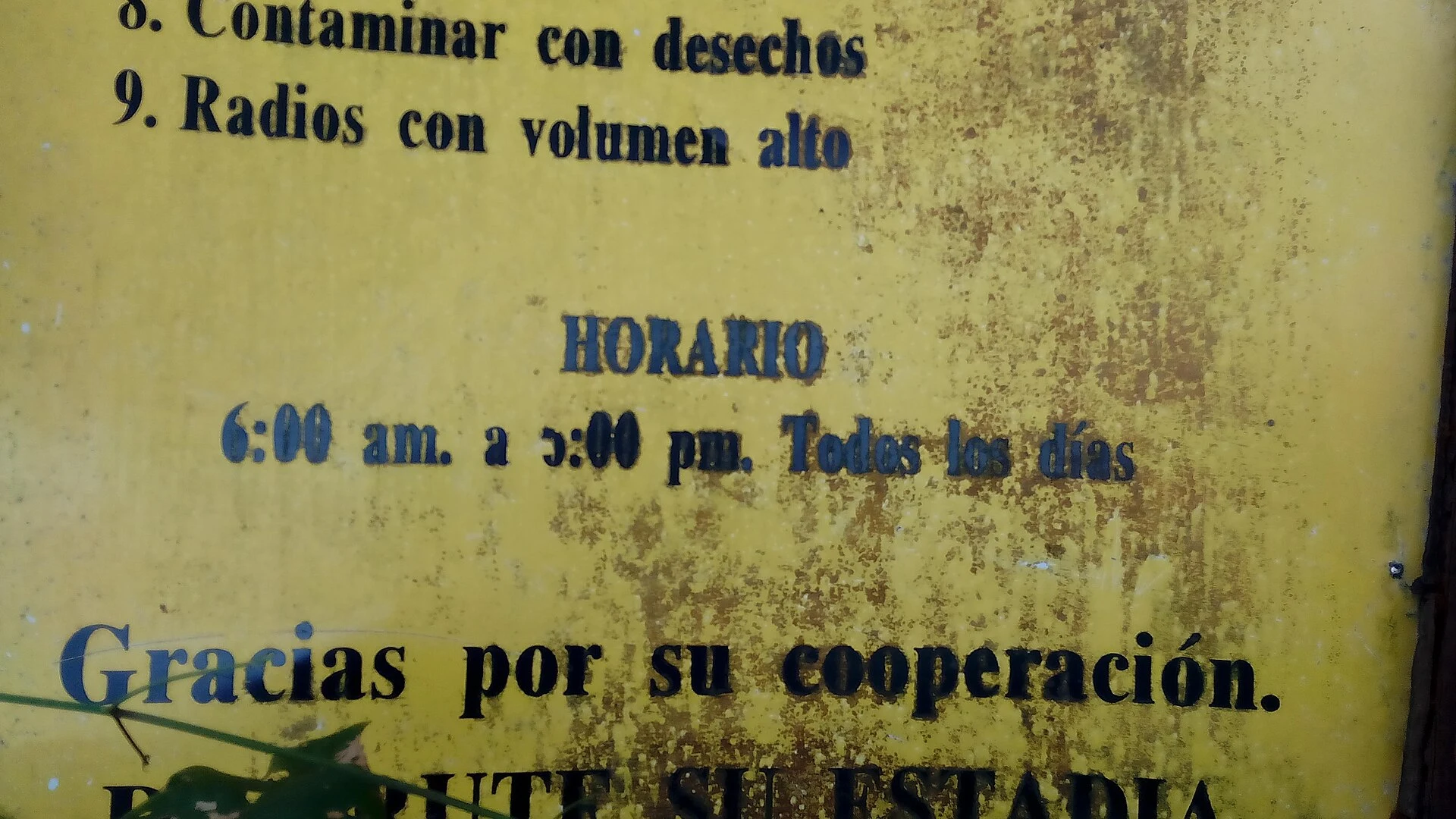
The park itself states that a first visit should be made with a guide. This is not a decorative detail: a guide helps you stay on authorised tracks, interpret the tides and comply with conservation rules. Every vehicle or boat entering the park requires authorisation; photography and sound recording within the protected area are also subject to prior approval.
Do not land on the islands, leave the tracks, collect natural, historical or archaeological remains, or leave any waste behind. Recreational fishing is regulated specifically. Before setting out, confirm directly with the park administration which authorisation applies, the entry point, guide availability and any current fees: these conditions may change.
The Imraguen villages are not a backdrop
Imraguen communities are part of Banc d’Arguin’s present: fishing and knowledge of the coastline are closely tied to everyday life and the conservation of the area. Approach the villages with the same consideration you would show wildlife: do not intrude, do not assume that an everyday activity is available to be photographed, and ask before taking portraits, recording sound or boarding a boat.
The relationship between fishers, fish and dolphins is often presented as one of the park’s defining features. It is better understood as a situated practice, not as a spectacle to be reproduced on demand. An authorised guide can help distinguish respectful observation from an approach that interrupts local work, rest or movements.
The key decision is logistics, not luggage
Banc d’Arguin lies beyond paved roads. The official French advice for this kind of journey is to travel with two vehicles and experienced guides; it also warns against driving at night. Do not treat it as an improvised self-drive excursion or as a route with little room for delays.
As of 10 September 2026, the US advisory for Mauritania recommends reconsidering travel to the country because of terrorism, crime and limited medical infrastructure. This does not, by itself, describe a specific situation inside the park, but it does raise the level of preparation that is reasonable. If you cannot arrange experienced logistics, travel by day, plan for limited communications and medical care outside Nouakchott, and review official advisories immediately before departure, postponing the visit is a prudent decision.
References and checks before departure
- Banc d’Arguin National Park, “Nous visiter” section: access rules; authorisations for vehicles, boats, photography and sound; the need for a guide on a first visit; and environmental rules. Check before booking.
- Banc d’Arguin National Park, institutional presentation: the park’s extent, its creation and its relationship with Imraguen communities.
- UNESCO World Heritage Centre, Banc d’Arguin National Park entry: ecological values, habitats, migratory birds and inscription date.
- US Department of State, Mauritania advisory issued on 18 August 2026 and guidance updated on 3 September 2026: national risk level, infrastructure, health and travel.
- France’s Ministry for Europe and Foreign Affairs, security advice for Mauritania updated on 5 August 2026: night travel and recommendations for unpaved areas, including Banc d’Arguin.
Verify all entry requirements, park authorisations, track conditions, security conditions and health advice with the relevant authorities before travelling.
References consulted during editorial review. Times, requirements and advisories may change: always confirm with the official source.
- https://visitmauritania.com/le-parc-national-du-banc-dargin/visitmauritania.com
- https://visitmauritania.com/parcs-nationaux/visitmauritania.com
- https://whc.unesco.org/en/list/506whc.unesco.org
- https://visitmauritania.com/plage/visitmauritania.com
- https://travel.state.gov/en/international-travel/travel-advisories/mauritania.htmltravel.state.gov
- https://pnba.mr/pnba.mr
- https://www.diplomatie.gouv.fr/fr/information-par-pays/mauritanie/conseils-aux-voyageurs-securitewww.diplomatie.gouv.fr
- https://pnba.mr/nous-visiter/pnba.mr
- MauritaniaWikidata · CC0 1.0 · Wikidata · Q1025
- MauritaniaWikidata · CC0 1.0 · Wikidata · Q309272
- MauritaniaWorld Countries — mledoze · ODbL 1.0 · World countries dataset by mledoze and contributors · ODbL 1.0
- MauritaniaWorld Bank Open Data · CC BY 4.0 · World Bank
- MauritaniaDBpedia · CC BY-SA 3.0 · DBpedia