Syria · travel decision
Ancient Damascus: Why the Trip Should Be Postponed
The heritage of Damascus’s Old City deserves thoughtful preparation, but current conditions mean it cannot responsibly be approached as a tourist getaway.
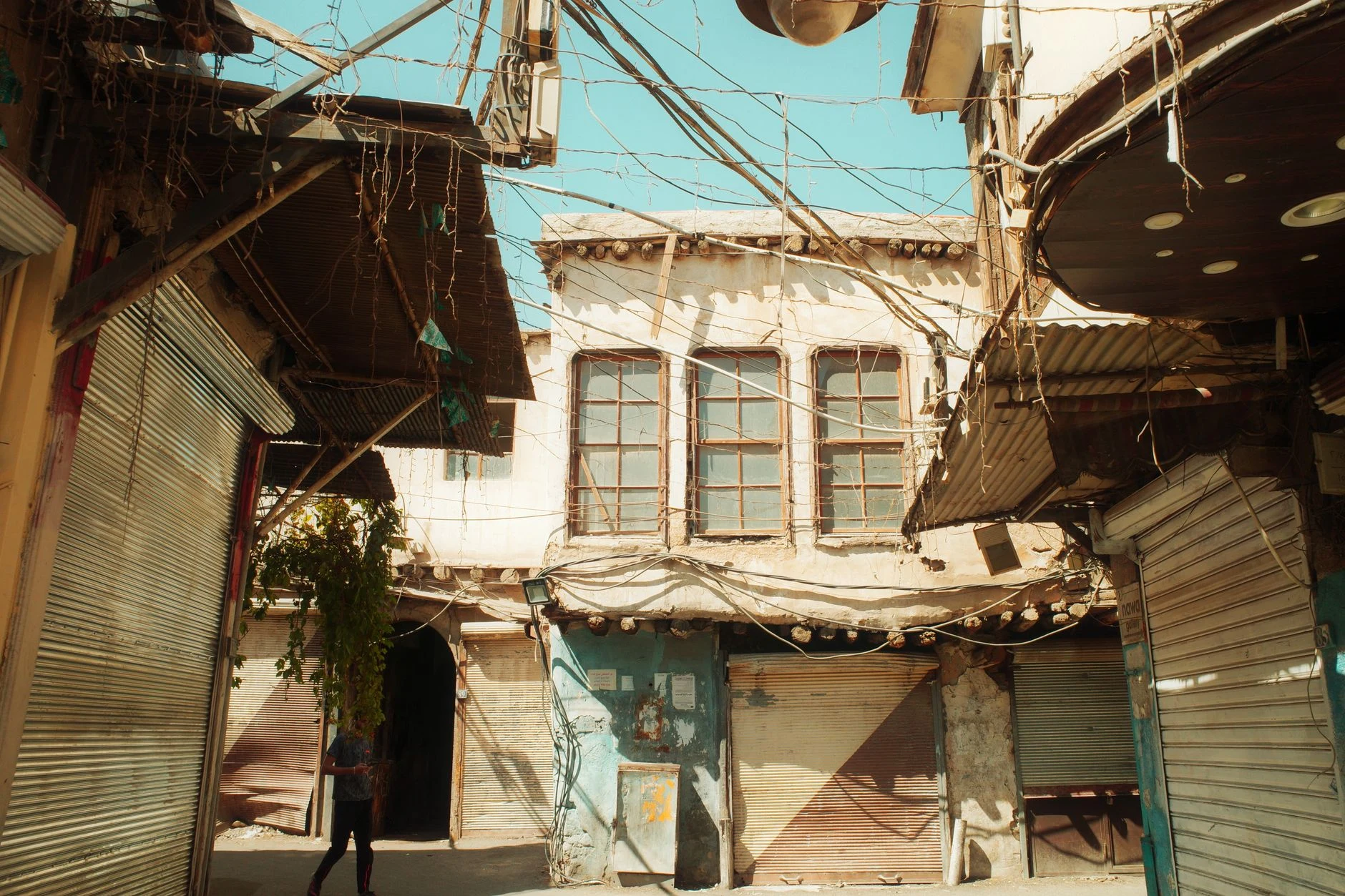
Damascus’s Old City brings together Aramaic, Roman, Byzantine, Umayyad and Ottoman layers within a living urban fabric. That richness does not make the destination a responsible tourism option today: as of September 9, 2026, the official advisories consulted advise against travel to Syria. For anyone who dreams of visiting, the useful decision is to postpone the trip, maintain a well-informed cultural expectation and check official sources again before resuming any planning.
An urban heritage site that requires context
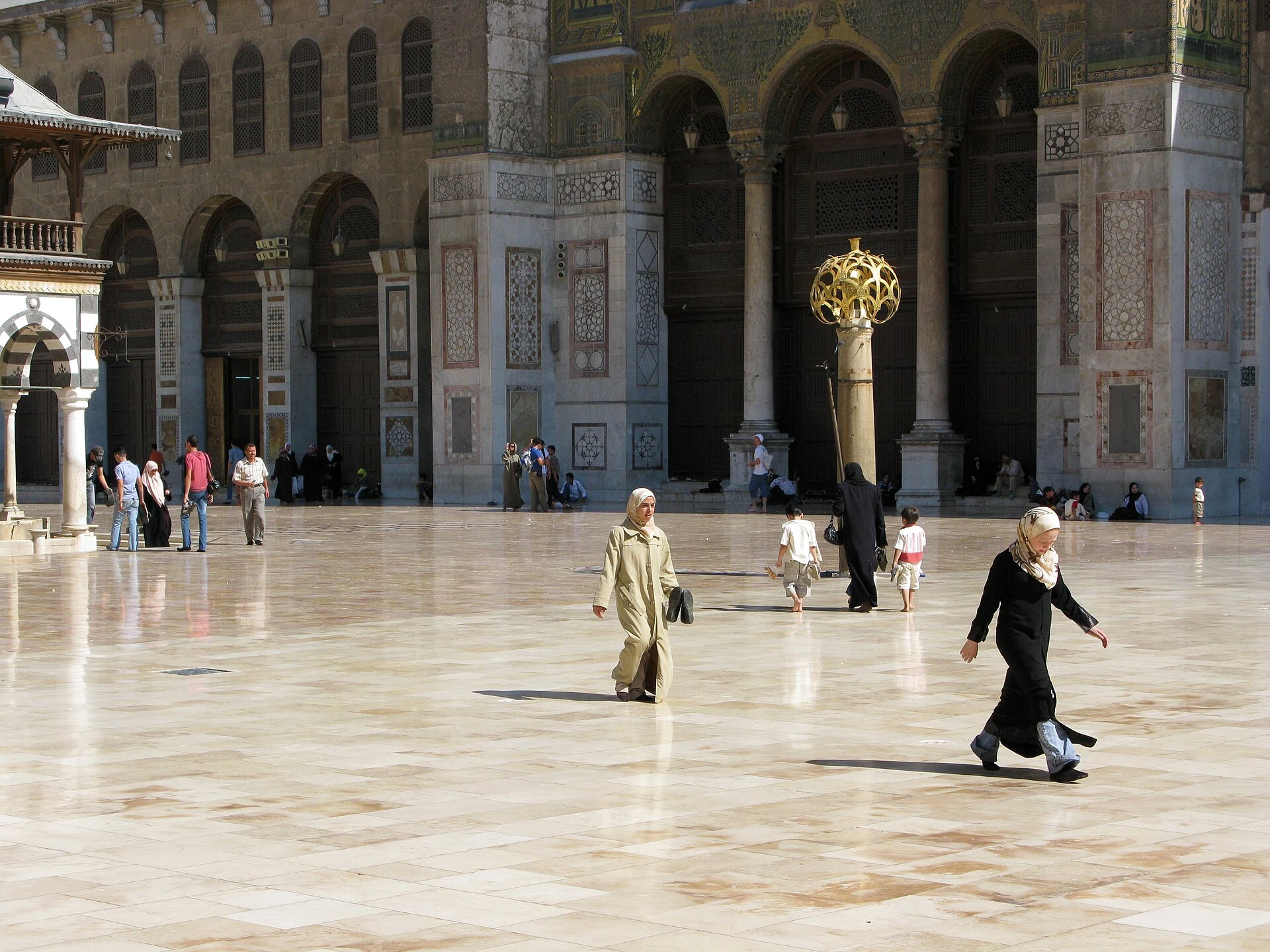
Damascus cannot be understood as a collection of isolated monuments. The Old City’s fabric preserves its Greco-Roman orientation, gates and walls, domestic courtyards, bathhouses, caravanserais, madrasas and markets. Within this ensemble, the Umayyad Mosque is a defining element: it was built in the eighth century on an earlier place of worship and helps reveal the succession of religious and urban traditions that have shaped the city.
Preparing for a future visit should begin with this continuity, not with a list of photographs. The Old City is both built heritage and a place of everyday life; its buildings, shops and places of worship are not a backdrop. It is worth seeking information from cultural institutions and avoiding images or accounts that present damage and hardship as tourist attractions.
Why the trip must wait
The risks are not confined to one particular area, nor can they be resolved by hiring a transfer or choosing a hotel. Current official advisories point to armed conflict, airstrikes, terrorism, kidnapping, crime and a security situation that may change without warning. They also warn of sudden disruptions to flights, airspace, borders and internal travel.
For that reason, it is not sensible to design an itinerary, compare access options or book services for Damascus. Legitimate interest in its heritage does not create an obligation to travel now. Postponing the trip avoids placing additional recreational demand on residents, cultural workers and local services in a volatile context.
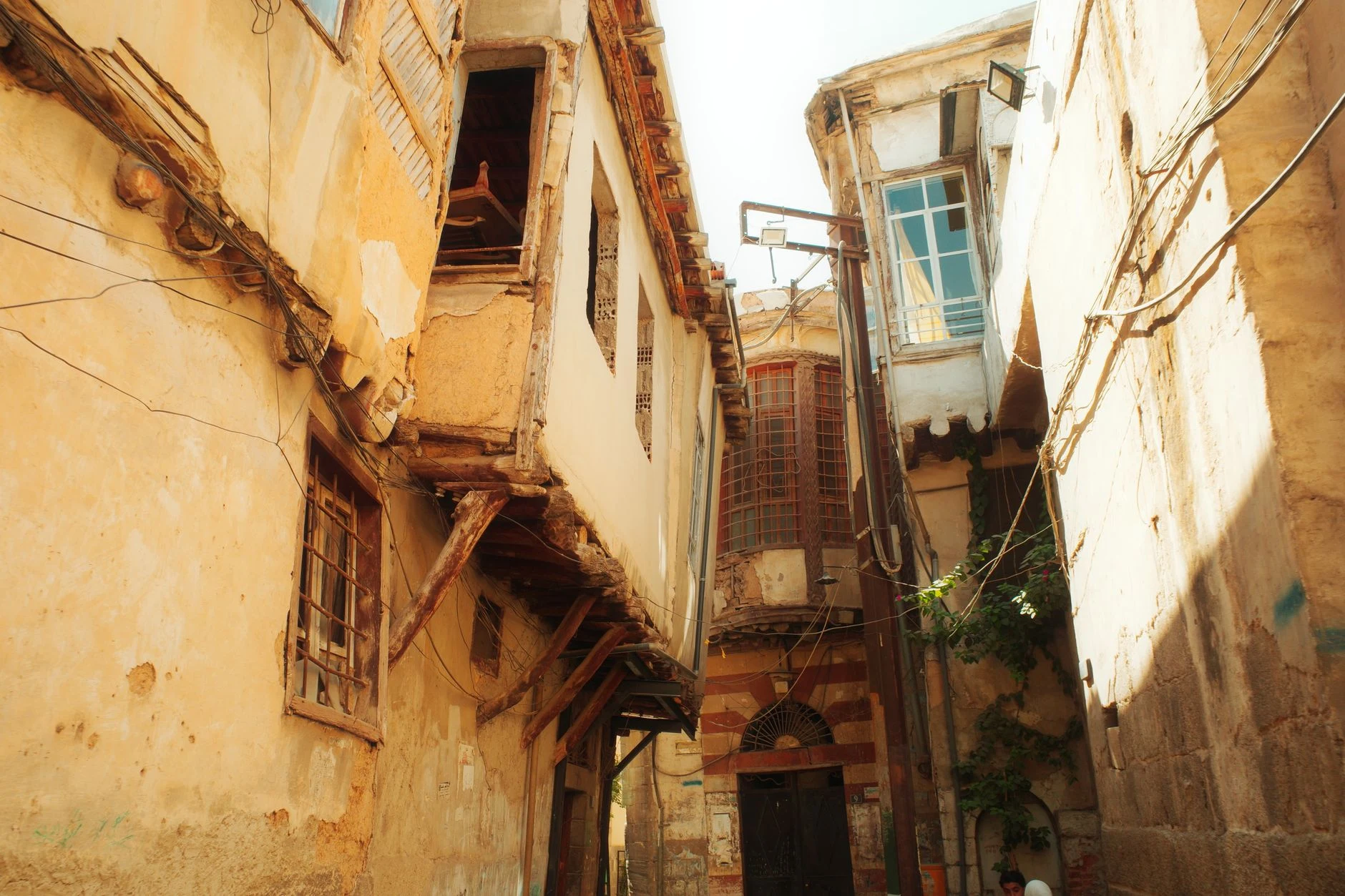
What it means for the city to be at risk
The Old City has been on the List of World Heritage in Danger since 2013. This designation is neither a tourism label nor a guarantee about the condition of every monument: it reflects conservation concerns requiring long-term monitoring, protection and management.
For a future traveller, the practical consequence is straightforward. When conditions make it possible to reconsider the destination, it will be necessary to check again which areas are open, what restoration work has been completed, which visiting rules apply in religious spaces and which local institutions can explain the site without reducing its history to simple narratives. Old photographs, archived opening hours and routes shared on social media should not be treated as current information.
Useful preparation while the trip is on hold
Rather than turning Damascus into an immediate plan, it may be more valuable to study its historical layers: the Umayyad capital, the still-perceptible Roman layout, Ottoman-era neighbourhoods and crafts, and contemporary conservation processes. This preparation will help future visitors understand that a stay will require time, listening and flexibility—not a race between icons.
If official advisories ever stop advising against travel, the first checks should concern safety and consular capacity; next, the actual situation for transport and borders; and only then, access conditions at cultural sites. Until that happens, there is no month, duration or route to recommend.
Official references to review before making any decision
U.S. Department of State. Syria Travel Advisory, Level 4: Do Not Travel, issued August 7, 2026.
Government of Canada. Syria travel advice: avoid all travel; updated September 1, 2026.
UNESCO World Heritage Centre. Old City of Damascus listing and the 2026 decision retaining the property on the List of World Heritage in Danger.
Smartraveller, Australian Government. Do not travel advice, current as of September 7, 2026, with warnings about sudden changes to flights, borders and security.
References consulted during editorial review. Times, requirements and advisories may change: always confirm with the official source.
- https://whc.unesco.org/en/list/20whc.unesco.org
- https://whc.unesco.org/en/documents/107614whc.unesco.org
- https://whc.unesco.org/en/list/20/documentswhc.unesco.org
- https://whc.unesco.org/en/statesparties/sy/whc.unesco.org
- https://whc.unesco.org/en/statesparties/sywhc.unesco.org
- https://whc.unesco.org/document/152985whc.unesco.org
- https://whc.unesco.org/en/decisions/9006whc.unesco.org
- https://whc.unesco.org/en/search/?criteria=damascus+oldest+citywhc.unesco.org
- SiriaWikidata · CC0 1.0 · Wikidata · Q858
- SiriaWikidata · CC0 1.0 · Wikidata · Q20001528
- SiriaWikidata · CC0 1.0 · Wikidata · Q37437611
- SyriaWorld Countries — mledoze · ODbL 1.0 · World countries dataset by mledoze and contributors · ODbL 1.0
- Syrian Arab RepublicWorld Bank Open Data · CC BY 4.0 · World Bank
- SiriaDBpedia · CC BY-SA 3.0 · DBpedia