Cultural planning in Vatican City
Planning Vatican City’s Museums, Basilica and Necropolis
The Vatican Museums, St Peter’s Basilica and the necropolis involve different schedules, access arrangements and levels of effort. Choosing one carefully can transform the experience.
Conditions described in the guide: confirm current requirements and access with the official source before travelling.
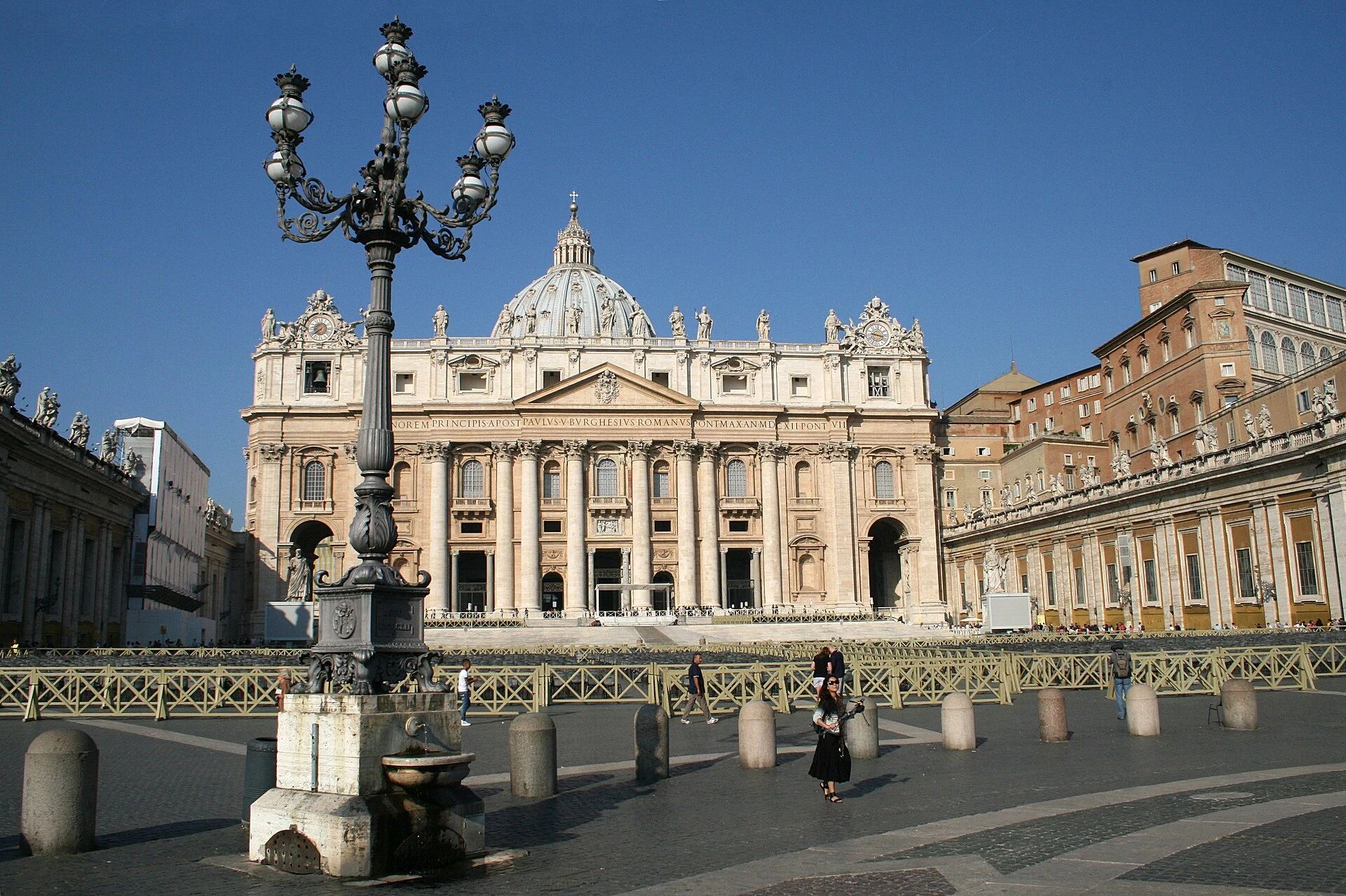
Vatican City brings several places close together on the map, but they are not a single visit. The Vatican Museums, St Peter’s Basilica and the necropolis beneath it each have their own entrances, rules and timings; treating them as one block usually means rushing through them. The useful question is not how many places you can fit in, but what kind of experience you are looking for: an art collection, a place of worship and architecture, or underground archaeology visited with a guide.
Allow time for security checks, changes linked to religious celebrations and the strain of an intense day. In a site that remains a place of prayer, work and heritage conservation, travelling light, dressing appropriately and respecting silence are not merely matters of etiquette: they are part of the visit.
Three entrances, three ways of being there
The Vatican Museums are a collection-based visit: the route brings together antiquities, paintings and historic rooms, culminating in the Sistine Chapel. They deserve a substantial part of the day if you want to look carefully rather than simply reach the end. Buy tickets exclusively through the official channel and check the opening calendar, closures and available time slots before organising the rest of your day.
St Peter’s Basilica works differently. It is an active place of worship and may be affected by liturgical celebrations or organisational requirements. It can make sense to enter without turning the visit into a race to the dome: the nave, the baldachin, the Pietà and the Vatican Grottoes provide plenty to see at a measured pace.
The Vatican Necropolis is neither a freely accessible extension of the basilica nor something to be confused with the grottoes. It is an underground archaeological site with Roman tombs, an assigned route and an authorised guide. It is the right choice for anyone wanting to understand the site’s archaeological foundations—not for those looking for a quick stop or complete flexibility with timings.
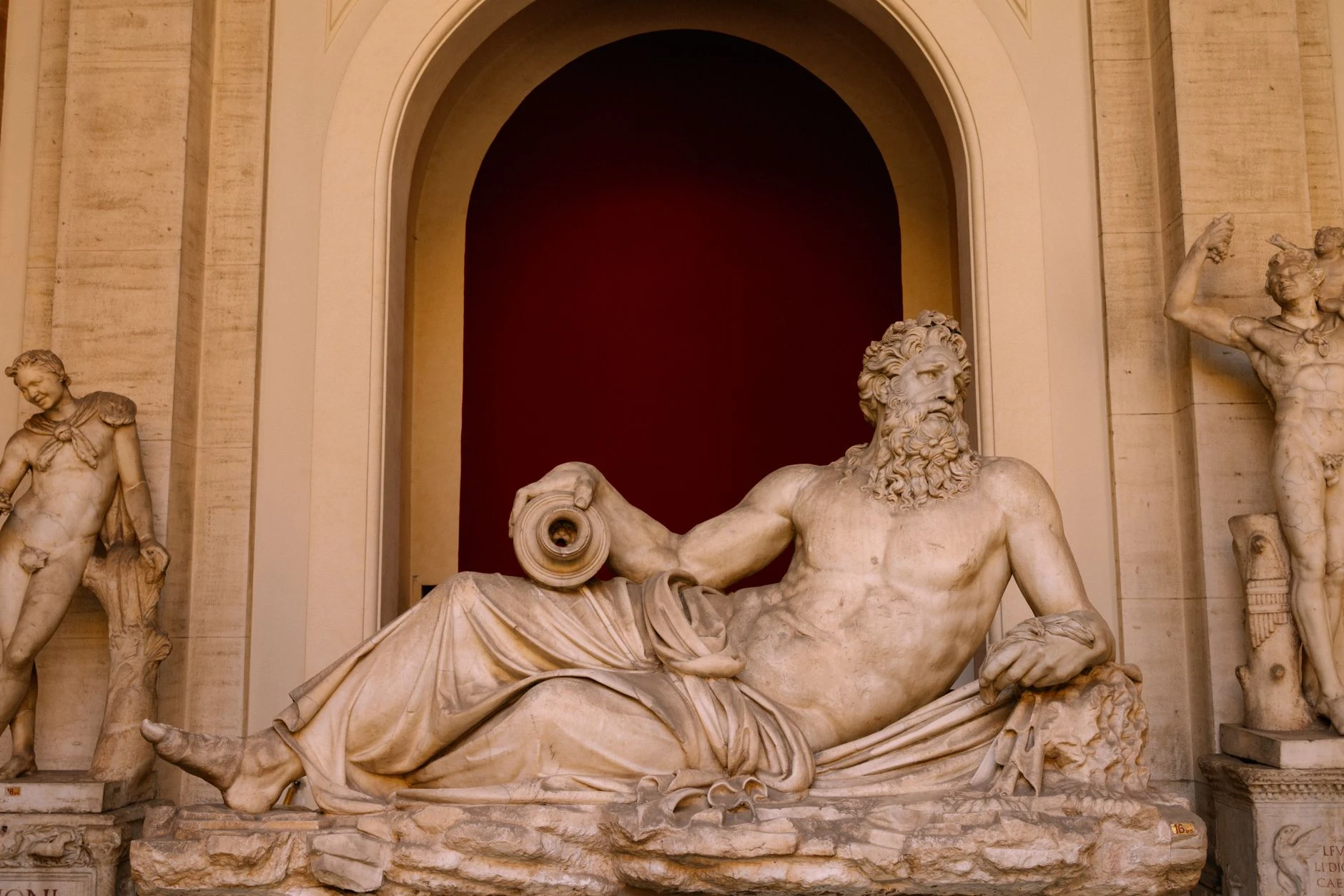
The dome: a view that requires an advance decision
Climbing the dome adds a very specific architectural perspective: from close up, you can appreciate the mosaics and the scale of the structure, and ultimately the relationship between the square, the basilica and Rome. But it is a separate activity, with a specific ticket and access control.
The lift does not reach the top. Even with that option, there are 320 steps; the complete route totals 551, including narrow and steep sections. It should therefore not be treated as an automatic add-on for young children or for people with vertigo, claustrophobia, cardiorespiratory conditions or reduced mobility. The dome is not wheelchair accessible either.
If the climb matters to you, book it in a time slot that does not depend on linking it to other commitments. If the effort is not suitable, the basilica remains a complete visit in its own right. Check the current conditions beforehand, as access may change because of religious events, capacity limits or weather.
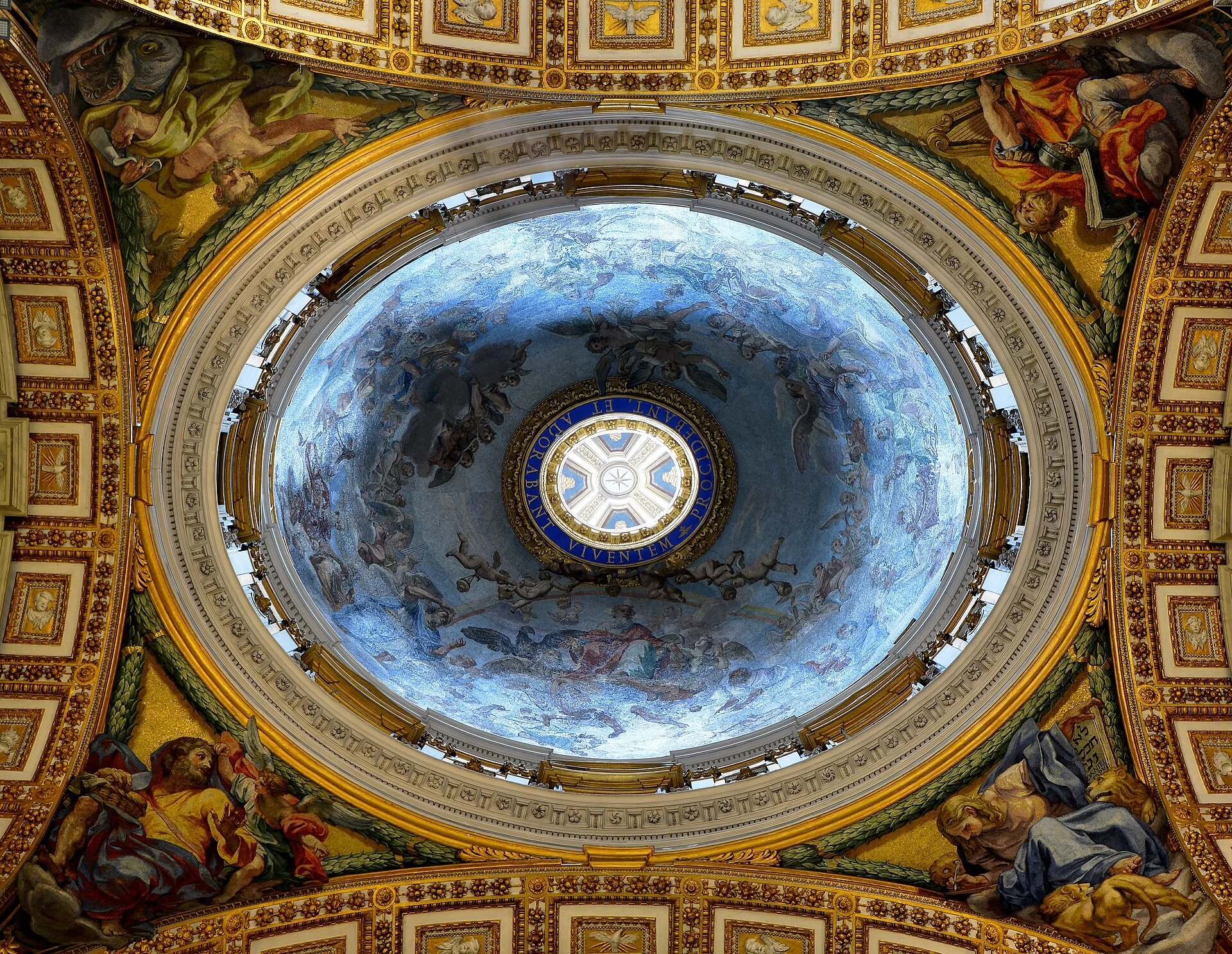
The necropolis requires a more precise schedule
The necropolis can only be visited with a mandatory reservation and as part of a group accompanied by authorised staff. The assigned time matters: you must arrive in advance, and arriving late may mean losing the tour. Access is through a specific entrance beside the colonnade, not the basilica’s ordinary queue.
Beneath St Peter’s, the interest lies not only in the tradition associated with the apostle’s tomb. The route lets you see a Roman necropolis and understand how the present basilica was built over earlier funerary landscapes. This sequence—Imperial Rome, apostolic memory and the modern basilica—offers a historical perspective that cannot be gained from the square.
There are practical limitations to consider: the underground space has humidity, a distinctive temperature, steps and uneven flooring. It is not accessible to people with mobility disabilities, and photography and video are not permitted. It is best to make it the focus of your morning or afternoon, rather than an activity squeezed between two timed entrances.
A realistic itinerary based on your priority
For a first visit focused on art, give the main block of time to the Vatican Museums and consider the basilica as a separate second visit if you still have time and energy. Silence is required in the Sistine Chapel and photography is not allowed; accepting that rule in advance helps prevent the end of the tour from becoming a logistical frustration.
For architecture and religious life, choose the basilica and, only if the effort is suitable, the dome. This combination leaves more time to observe the square, the portico and the interior without the density of a long museum route. Keep your schedule open: celebrations may alter access or the time available.
For archaeology, schedule the necropolis first and build a basilica visit around it. This is the plan most dependent on a reservation, but also the one that best connects the Roman underground with the contemporary building. Trying to combine all three areas in a few hours usually turns their differences into a succession of queues, security checks and fatigue.
Accessibility, luggage and shared conduct
The basilica has ramps and lifts for visitors with disabilities, as well as a reserved entrance in the square. The Vatican Museums offer a step-free route, wheelchair loans subject to availability and adapted services; even so, some rooms may require adjustments because of their dimensions or layout. Communicate specific needs in advance and consult the official maps.
The necropolis and the dome involve clear physical restrictions. Choosing not to go up or down does not mean missing the visit: it is a sensible way to adapt the plan to each traveller’s energy, support needs and actual mobility.
In all three places, carry only a small backpack or personal bag, cover your shoulders and knees, and avoid eating, drinking or speaking loudly wherever indicated. In the Museums, personal photography is allowed outside the Sistine Chapel, without flash or bulky equipment; photography is not allowed in the necropolis. These rules help protect a place of worship and collections subject to constant visitor pressure.
Official sources to check before you go
- Vatican Museums: confirm the calendar, ticket availability, accessible routes, conditions for visitors with disabilities and photography rules.
- Papal Basilica of St Peter / Fabbrica di San Pietro: confirm access to the basilica and dome, celebrations, dress requirements, luggage rules and accessibility services.
- Excavations Office of the Fabbrica di San Pietro: check the mandatory reservation, assigned time, minimum age, physical conditions, access and rules for the necropolis.
Opening hours, prices, closures, availability, routes and entry conditions are changeable details: always verify them with these official sources before booking or travelling.
References consulted during editorial review. Times, requirements and advisories may change: always confirm with the official source.
- https://www.basilicasanpietro.va/en/visitswww.basilicasanpietro.va
- https://www.museivaticani.va/content/museivaticani/en.htmlwww.museivaticani.va
- https://www.basilicasanpietro.va/en/products/the-domewww.basilicasanpietro.va
- https://www.basilicasanpietro.va/en/faq/is-the-visit-to-the-dome-included-in-the-entrance-ticket-to-st-peters-basilicawww.basilicasanpietro.va
- https://www.basilicasanpietro.va/en/help/the-domewww.basilicasanpietro.va
- https://booking.basilicasanpietro.va/en/booking.basilicasanpietro.va
- https://www.basilicasanpietro.va/en/faq/is-st-peters-basilica-accessible-to-people-with-disabilitieswww.basilicasanpietro.va
- https://www.basilicasanpietro.va/en/services-for-pilgrimswww.basilicasanpietro.va
- Ciudad del VaticanoWikidata · CC0 1.0 · Wikidata · Q237
- Vatican CityWorld Countries — mledoze · ODbL 1.0 · World countries dataset by mledoze and contributors · ODbL 1.0
- Vatican CityDBpedia · CC BY-SA 3.0 · DBpedia
- Luis FERROGGIARO - Víctor Manuel OCHOA CADAVID (eds.), Los últimos cien años de la evangelización en América Latina. Centenario del Concilio Plenario de América Latina. Simposio histórico. Actas. Ciudad del Vaticano, 21-25 de junio de 1999, Libreria EditrCrossref · Metadatos públicos; derechos específicos por campo cuando correspondan · Crossref
- Cipriano CALDERÓN (dir.), Historia de la Evangelización de América. Actas del Simposio Internacional celebrado en la Ciudad del Vaticano, 11-14 de mayo de 1992, Libreria Editrice Vaticana, Ciudad del Vaticano 1992, 941 pp., 23 x 16.Crossref · Metadatos públicos; derechos específicos por campo cuando correspondan · Crossref
- Walter Brandmüller, Eventi eloquenti. L’agire della Chiesa nella Storia Libreria Editrice Vaticana, Ciudad del Vaticano 2014, 150 pp.Crossref · Metadatos públicos; derechos específicos por campo cuando correspondan · Crossref
- PONTIFICIA COMISIÓN PARA AMÉRICA LATINA, Documentos del Santo Padre Juan Pablo II (1988-1993), Tipografía Vaticana, Ciudad del Vaticano 1994, 184 pp.Crossref · Metadatos públicos; derechos específicos por campo cuando correspondan · Crossref
- Los últimos cien años de la Evangelización en América Latina. Centenario del Concilio Plenario de América Latina (Ciudad del Vaticano, junio de 1999)Crossref · Metadatos públicos; derechos específicos por campo cuando correspondan · Crossref
- PONTIFICIA COMISIÓN PARA AMÉRICA LATINA, Nueva Evangelización en América Latina, Libreria Editrice Vaticana, Ciudad del Vaticano 2003, 300 pp.Crossref · Metadatos públicos; derechos específicos por campo cuando correspondan · Crossref