Gabon · National park and cultural landscape
Lopé-Okanda by train through Gabon’s forest, savanna and archaeology
Lopé-Okanda is best understood as a landscape of transition and deep history rather than a safari with guaranteed sightings. The train to Booué can spare you a demanding drive, but it means planning transfers, accommodation and activities in the park well in advance.
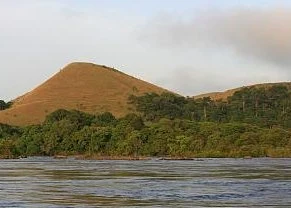
In central Gabon, Lopé-Okanda brings together equatorial forest, relic savannas, the Ogooué Valley and archaeological remains spanning thousands of years. It is a destination for travellers willing to accept a loosely paced itinerary: the reward is not a checklist of animals or monuments, but the chance to observe how a distinctive ecological mosaic and a human history far older than today’s borders coexist.
The practical decisions begin before you leave Libreville. Reaching Booué by train may be preferable to driving along long inland roads, but it does not turn the visit into an independent trip: you need to arrange your transfer from the station, accommodation and the activities that are actually operating in advance.
Listen to Gabon
A documented soundscape that complements this guide to Gabon. Lopé-Okanda is best understood as a landscape of transition and deep history rather than a safari with guaranteed sightings. The train to Booué can spare you a demanding drive, but it means planning transfers, accommodation and activities in the park well in advance.
Audio by Romanian Radio Broadcasting Company · Europeana · CC BY-SA 4.0 · Duration: 01:11
A landscape that asks you to look at two scales
The Lopé-Okanda inscription protects an unusual interface between dense tropical rainforest and relic savannas. This alternation is the key to the visit: from a track or clearing, the savanna can open up the view, while the forest brings the experience back to sounds, humidity and short sightlines.
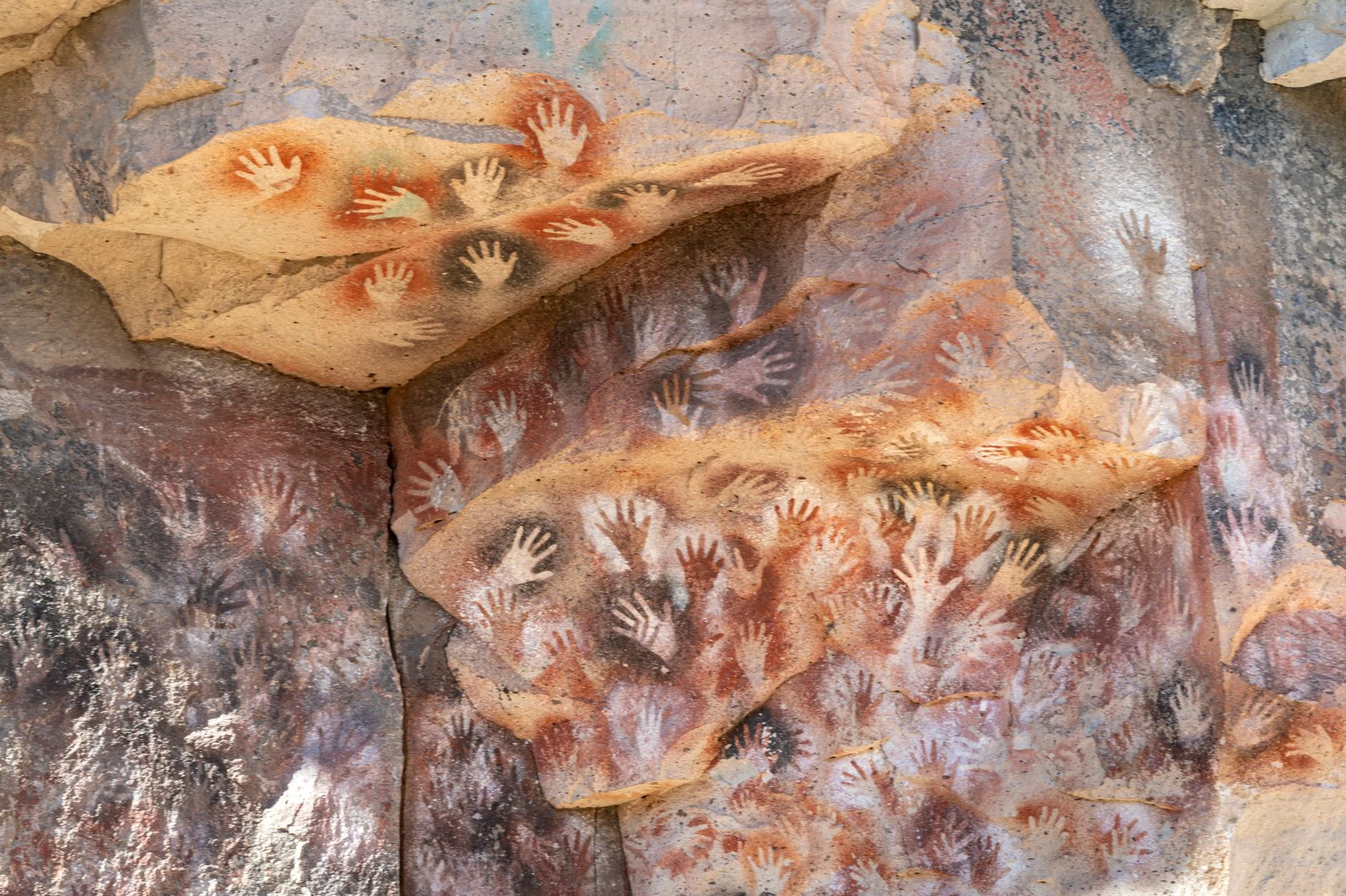
It is also a cultural landscape. Around hills, caves and rock shelters, researchers have documented settlements, ironworking and a group of approximately 1,800 petroglyphs. The Ogooué Valley helps place these remains within population and language movements that connected western, central, eastern and southern Africa. These traces should not be treated as scenery for a safari: they are central to the meaning of the park.
The heritage inscription covers a large area, not a museum with a single route. Ask which archaeological sites can be visited during your stay, under what conditions and with what protective measures. Seeing a site name on a map does not mean it is open or suitable for an independent visit.
Booué and the train as a gateway
The Transgabonese Railway links Owendo, in the Libreville area, with Franceville. The operator’s own tourism information identifies Booué as a rail access point for Lopé and presents the train as a reasonable alternative to the long road journey.
There is a clear trade-off. The train reduces the need to hire a vehicle for the intercity journey, but timetables, stops, ticket sales and possible changes must be confirmed directly with the operator before you buy flights or book non-refundable nights. Also coordinate who will meet you in Booué and how you will return: the station is a gateway, not the end of the logistics.
If the overnight service matches your dates, expect to arrive without having seen the landscape along the way. Keep your arrival day for the transfer, an initial orientation and rest; save field activities for full days.
Designing a visit that does not depend on a sighting
At Lopé-Okanda, a good day combines a landscape objective with an interpretive one. This might be an outing across the savanna or a forest-area excursion, followed by a conversation with the local team about the forest–savanna mosaic, park management or the area’s archaeology. Activities advertised by local operators include safaris, walks, birdwatching, boating and visits linked to the rock engravings, but availability should never be assumed.
Avoid building the trip around the promise of seeing a particular species. Animals move according to conditions visitors cannot control, and responsible observation requires distance, quiet and allowing guides and protected-area rules to set the pace. Bring binoculars, protection from rain and mud, water and a light insect-protective layer; ask in advance how much time will actually be spent in vehicles, on foot and on the water.
For a first stay, plan at least two full days in the park area, in addition to travel time. Less time may work as an introduction, but leaves little margin for a railway change, heavy rain or a delayed activity.
Preparation is part of the itinerary
Lopé is not a last-minute urban excursion. French is especially useful for handling transport changes and coordinating local services. Carry a cash reserve, confirm transfers in writing and keep accessible copies of bookings, documents and contacts. If you need adjustments for mobility, diet, medical equipment or communication, describe them to the accommodation and activity provider before arrival; there is no basis for assuming that every track, vehicle or facility will be accessible.
Do not choose the inland road as an improvised backup plan. Consular authorities warn that roads and tracks outside Libreville may be in poor condition and recommend avoiding night driving. If the train does not fit your plans, consider a professional driver with local experience and schedule journeys during daylight.
For travellers with a US passport, there is one decisive preliminary check: the US Department of State reports that Gabon’s Council of Ministers announced on 18 December 2025 the suspension of visas for US citizens. Before making any non-refundable payment, confirm directly with Gabon’s diplomatic representation whether you can obtain entry authorization. The same source and the US health authority indicate that health requirements and recommendations may change; a travel-medicine consultation well in advance is an essential part of a trip to a remote park.
Sources to check before booking
- UNESCO, the Lopé-Okanda Relict Ecosystem and Cultural Landscape entry: heritage scope, the relationship between forest and savanna, archaeology and petroglyphs.
- Setrag, passenger information and tourism presentation for Lopé National Park: the Transgabonese Railway, access via Booué and current service conditions.
- US Department of State, Gabon travel advice, issued 2 April 2026: visa status for US citizens, transport and consular preparation.
- US Centers for Disease Control and Prevention, Gabon health information, reviewed 25 August 2026: yellow fever, malaria and medical preparation.
- France’s Ministry for Europe and Foreign Affairs, safety advice for Gabon, updated 4 July 2026: driving, night travel and the security context.
Before setting out, verify railway timetables, stops, tickets, transfers from Booué, park access, available activities, entry requirements and health recommendations with these institutions.
References consulted during editorial review. Times, requirements and advisories may change: always confirm with the official source.
- https://whc.unesco.org/en/news/2183whc.unesco.org
- https://whc.unesco.org/en/decisions/6287/whc.unesco.org
- https://whc.unesco.org/en/statesparties/gawhc.unesco.org
- https://whc.unesco.org/en/activities/1157/whc.unesco.org
- https://whc.unesco.org/fr/actualites/2183whc.unesco.org
- https://whc.unesco.org/en/decisions/7039whc.unesco.org
- https://whc.unesco.org/en/decisions/6044/whc.unesco.org
- https://whc.unesco.org/en/list/1147whc.unesco.org
- GabónWikidata · CC0 1.0 · Wikidata · Q1000
- GabonWikidata · CC0 1.0 · Wikidata · Q37551598
- GabonWorld Countries — mledoze · ODbL 1.0 · World countries dataset by mledoze and contributors · ODbL 1.0
- GabonWorld Bank Open Data · CC BY 4.0 · World Bank
- GabonDBpedia · CC BY-SA 3.0 · DBpedia