Côte d’Ivoire · Urban heritage
Grand-Bassam on foot: Quartier France, the museum and the lagoon
A day in Grand-Bassam works best when the walk brings together the colonial fabric, the museum and the N’zima village, without separating history, everyday life and the coast.
Viajalo Atlas
Photography pending verification
Grand-Bassam lends itself to a getaway from Abidjan, but it deserves more than a quick turn along the beach. Its appeal lies in reading the urban space: the Quartier France, the former administrative and commercial functions, the National Costume Museum and the N’zima fishing village form a setting where colonial memory, local practices and the lagoon landscape coexist.
The useful choice is to devote a full day to it—or stay overnight if you want to walk without rushing—and accept that not every historic building can be visited inside. The historic city is an inhabited place and a heritage site under conservation, not a uniform backdrop.
Listen to Ivory Coast
A documented soundscape that complements this guide to Ivory Coast. A day in Grand-Bassam works best when the walk brings together the colonial fabric, the museum and the N’zima village, without separating history, everyday life and the coast.
Audio by KONE IF · Wikimedia Commons · CC BY-SA 4.0 · Duration: 01:42
Start with the city’s form, not a façade
The walk makes more sense if it begins in the Quartier France and follows the relationship between straight streets, administrative buildings, former residences and vegetation. Grand-Bassam was a colonial capital, port and judicial centre; that specialisation left an urban structure that helps explain who occupied which areas and why.
Look for the galleries, verandas and gardens as responses to the climate and to the hygienist models of the period, but avoid treating them as a nostalgic image. The value of the ensemble also lies in the social hierarchies that organised the space. Walk slowly, observe current uses and do not try to enter buildings that are closed, private or deteriorated.
Make the National Costume Museum a contextual stop
The National Costume Museum, housed in the former governor’s palace, helps shift attention from colonial architecture towards Côte d’Ivoire’s clothing cultures. Its collections bring together clothing, adornments, masks, models and documentation, so allow time to read the labels and ask about the exhibitions currently on display.
Do not assume the opening hours, price, availability of guided tours or photography conditions: these are changeable details that should be confirmed directly with the museum or local cultural channels before leaving Abidjan. If the museum is closed, keep the route: the building and its position within the neighbourhood still help explain the former administration.
Set the colonial reading alongside the N’zima village
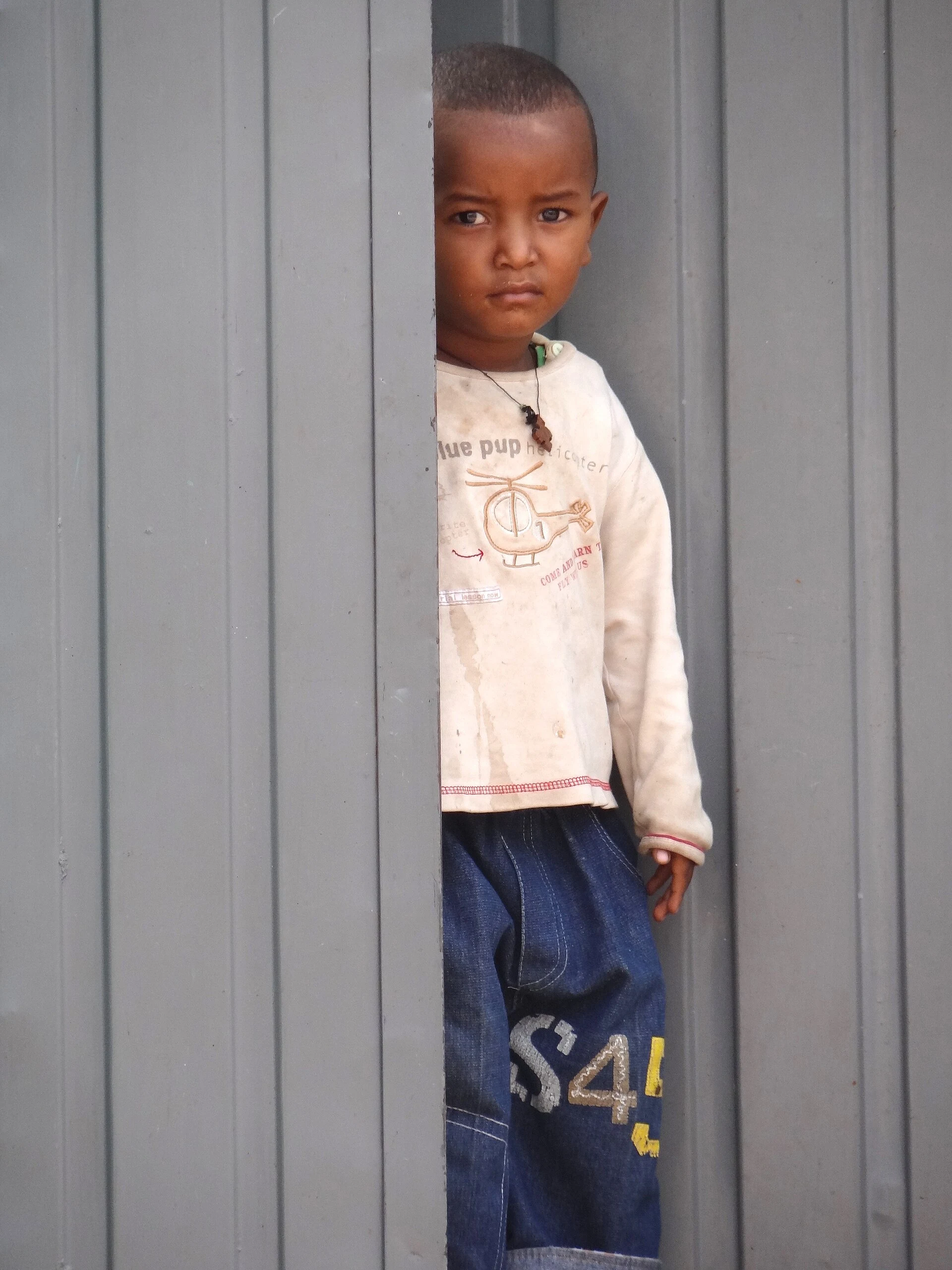
The visit remains incomplete if the N’zima village appears only as a footnote. Its presence within the heritage landscape shows the continuity of a fishing community alongside the city planned during the colonial period. This coexistence allows a less linear and more precise reading of Grand-Bassam: it is not only a former capital, but also a place where local ways of life remain essential.
When approaching residential areas, fishing activity or community gathering places, behave as a visitor in a living space: ask permission before photographing people, do not turn everyday work into a spectacle, and buy crafts only if you can ask about their origin and how they were made. The main craft centre may be a reasonable stop, but conversation and traceability matter more than accumulating souvenirs.
Plan a day with room for water, heat and transfers
From Abidjan, approach Grand-Bassam as a destination with a walking pace once you arrive, not as a race between photogenic spots. A good sequence is to explore the Quartier France first, visit the museum if it is open, continue towards the areas linked to the lagoon and finish on the coast, without making the beach the sole objective.
The strip between ocean and lagoon gives the city its character, but it also calls for attention to the day’s conditions. Heavy rains and flooding have historically affected parts of the city; check the weather, road conditions and municipal notices before setting out. Bring water, sun protection and footwear that can cope with uneven paving. Anyone needing a step-free route, adapted toilets or specific access should confirm these in advance: universal accessibility should not be assumed in old heritage buildings.
References for preparing your visit
Before travelling, consult the UNESCO World Heritage Centre entry for the Historic Town of Grand-Bassam; communications from Grand-Bassam Town Hall; national cultural information about the National Costume Museum; and notices from Côte d’Ivoire’s Ministry of Tourism. Use these official sources to verify transport from Abidjan, weather conditions, museum opening, fees, local events and any temporary restrictions.
References consulted during editorial review. Times, requirements and advisories may change: always confirm with the official source.
- https://whc.unesco.org/fr/list/1322whc.unesco.org
- https://whc.unesco.org/en/list/1322whc.unesco.org
- https://whc.unesco.org/en/list/1322/documentswhc.unesco.org
- https://whc.unesco.org/en/statesparties/ci/whc.unesco.org
- https://whc.unesco.org/en/documents/117781whc.unesco.org
- https://whc.unesco.org/en/activities/976/whc.unesco.org
- https://whc.unesco.org/en/canopy/grand-bassam/whc.unesco.org
- https://whc.unesco.org/en/decisions/8878/whc.unesco.org
- Costa de MarfilWikidata · CC0 1.0 · Wikidata · Q1008
- costa de MarfilWikidata · CC0 1.0 · Wikidata · Q37790802
- Ivory CoastWorld Countries — mledoze · ODbL 1.0 · World countries dataset by mledoze and contributors · ODbL 1.0
- Cote d'IvoireWorld Bank Open Data · CC BY 4.0 · World Bank
- Costa de marfilDBpedia · CC BY-SA 3.0 · DBpedia
- EL DIÁLOGO ENTRE AUTÓCTONOS E INMIGRANTES A PRUEBA EN TIEMPO DE CRISIS: EL CASO DE LOS SENEGALESES EN COSTA DE MARFILCrossref · Metadatos públicos; derechos específicos por campo cuando correspondan · Crossref
- Building Educational Bridges: The IUTEA Project in Costa de MarfilCrossref · Metadatos públicos; derechos específicos por campo cuando correspondan · Crossref