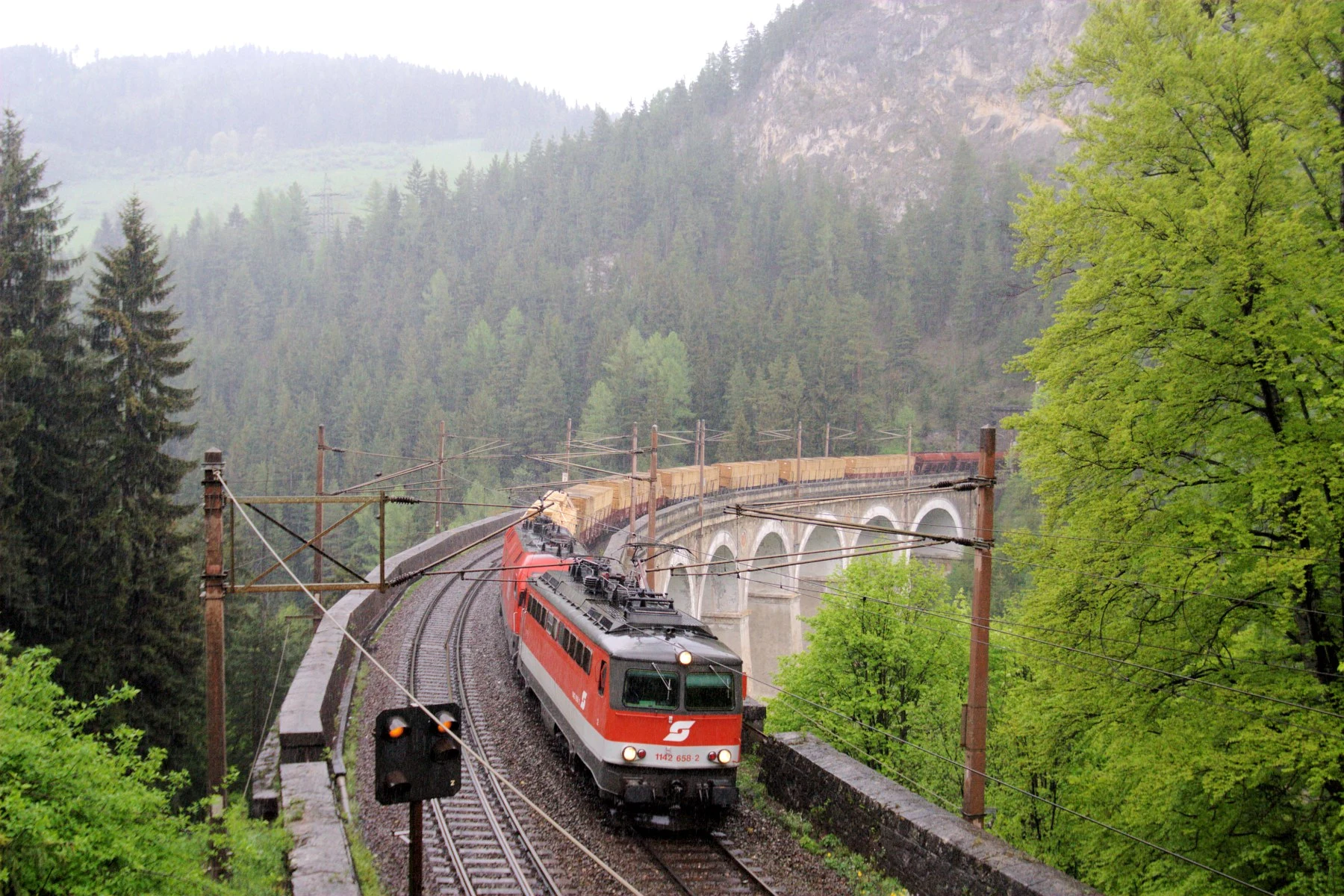
From Septemvri to Dobrinishte on Bulgaria’s Narrow-Gauge Train
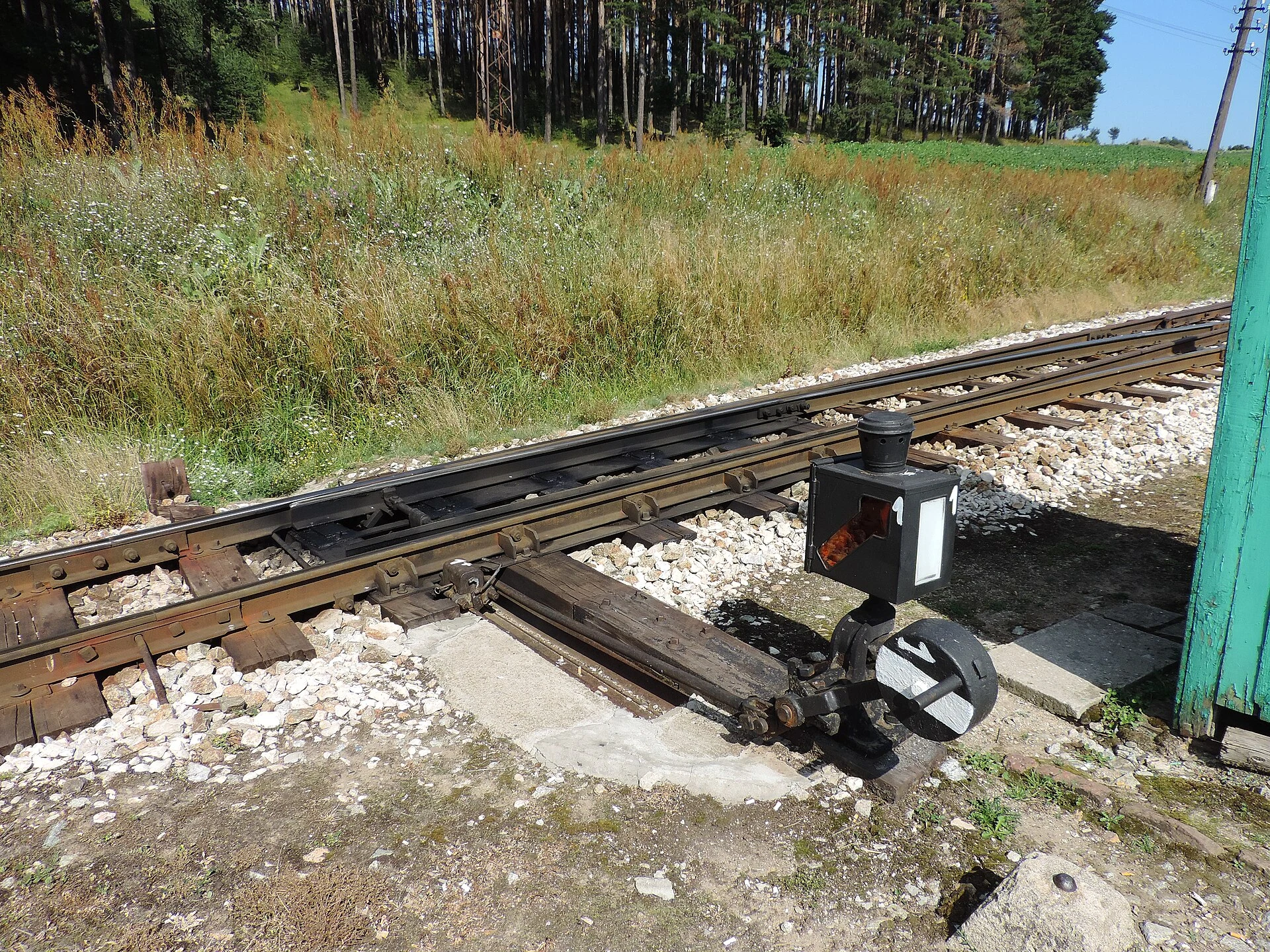
Bulgaria’s only operational narrow-gauge railway is not a panoramic train designed for visitors: it remains an everyday link between mountain communities. Riding it helps you understand western Bulgaria with fewer transfers, less haste and better decisions about which sections to walk—and which to simply watch from the window.
Between Septemvri and Dobrinishte, the narrow-gauge railway runs for around 125 kilometres, linking the Thracian Plain with the Rhodopes, Rila and the valley below Pirin. The point is not to “do” three mountain ranges in one day, but to accept the railway’s own scale: tunnels, tight curves, small stations and a journey that also serves local residents. BDZ says the line serves more than 50,000 people and that, in part of the high-mountain section between Velingrad and Yakoruda, it is the only alternative for reaching larger towns.
Visual context for BulgariaContext video selected for this guide; it does not by itself identify every place mentioned.Video by Zhivko Minkov · Pexels · Pexels License · Duration: 00:09
♫
Listen to Bulgaria
A documented soundscape that complements this guide to Bulgaria. Bulgaria’s only operational narrow-gauge railway is not a panoramic train designed for visitors: it remains an everyday link between mountain communities. Riding it helps you understand western Bulgaria with fewer transfers, less haste and better decisions about which sections to walk—and which to simply watch from the window.
Cultural or ambient audio selected as context; it does not necessarily represent every place mentioned. Audio by Gerganoff · Wikimedia Commons · CC BY-SA 4.0 · Duration: 00:2501
Why choose this line—and when not to
It is a good choice if you want the journey to be a central part of the trip, would like to reduce mountain driving and are interested in linking places such as Velingrad, Yakoruda, Razlog, Bansko and Dobrinishte without turning every stop into a rushed excursion. It is not the right option if you need to reach Bansko quickly, have a rigid schedule or expect the comfort, frequency and catering of a dedicated tourist train.
The line uses a 760 mm gauge and passes through 35 tunnels; its slowness is not a flaw to be optimised away, but the condition that lets you read the landscape. The section between Svetа Petka and Avramovo traces a kind of figure eight as it gains altitude, and Avramovo station stands at 1,267.4 metres: BDZ identifies it as the highest railway station in the Balkans.
The key decision: travel the whole line or stay halfway
Doing the full journey makes sense for anyone who wants a continuous railway day and ends in Dobrinishte, Razlog or Bansko. But a more human-paced version is to split it over two nights: one around Velingrad, to slow down before the climb, and another at the Razlog, Bansko or Dobrinishte end. That way, you do not turn every station into a photograph from the platform, and you leave room for delays, weather or a change of plan.
For a hike, choose one access point and check the waymarking, elevation gain, return route and onward connection in advance. BDZ mentions trails from several stations, including Avramovo, and points to connections from the Bansko and Dobrinishte area towards Pirin; this does not replace mountain planning. Pirin National Park is a natural World Heritage Site, so its trails should be treated as part of a protected area, not as an extension of the station.
Septemvri serves as the railway gateway to the line. From Sofia, take a standard-gauge train and change there; from Plovdiv, the usual logic is likewise to travel on the national network before connecting with the narrow gauge. Allow a generous margin for the transfer: the value of the itinerary lies in its continuity, but a tight connection can derail the day.
Check before setting out: BDZ warns that works on the network may alter timetables and recommends checking the latest schedule even if you already have a ticket. Use the official journey planner for your specific date, including connecting trains to Septemvri.
BDZ states that individual journeys and groups of up to ten people on this line normally do not require advance purchase; even so, do not take this as a guarantee of a seat or as a recommendation to travel without checking. Timetables, rolling stock, purchasing conditions and onboard services can change: confirm them on the line’s official page and again in the digital timetable on the day.
Travel with water, some food and an extra layer for changing temperatures. Bring only as much luggage as you can lift and keep an eye on without blocking the passage: this is mountain public transport, not a panoramic carriage with a luggage room. If you need mobility assistance, space for a wheelchair, are travelling with a bicycle or have any specific requirement, ask BDZ directly for confirmation before buying; the public information consulted does not allow uniform accessibility to be promised across all carriages or stations.
05
A responsible route: do not turn the line into a backdrop
The best gesture here is simple: use it as people who depend on a public service use it. Let local passengers board and get off, avoid blocking doors and aisles with luggage or tripods, buy from businesses in the places where you stay overnight and do not ask staff to interrupt operations for photographs. Small stops are not empty scenic platforms.
There is no need to pursue Pirin as a checklist of summits. Dobrinishte lies at the foot of the mountain, but arriving by train does not mean being prepared for alpine terrain or having transport included to a trailhead. If you continue towards the park, check official sources for that day’s conditions, restrictions and transport.
06
The practical detail for 2026: paying in euros
Bulgaria adopted the euro on 1 January 2026. For this journey, that simplifies expense comparisons for visitors from the eurozone, but it does not remove the need to carry a small cash buffer and check which payment methods are accepted at accommodation, small stations or local shops. The European Commission confirms the adoption date and the irrevocable conversion rate of €1 = 1.95583 Bulgarian leva, which is useful when interpreting older prices or signs that may still refer to the former currency.
Sources and checks
References consulted during editorial review. Times, requirements and advisories may change: always confirm with the official source.