St Kitts · heritage and memory
Brimstone Hill and the human cost of a Caribbean fortress
Brimstone Hill Fortress deserves an unhurried day—not only for its walls and views, but also for understanding the slavery and imperial rivalry embedded in its construction.
Conditions described in the guide: confirm current requirements and access with the official source before travelling.
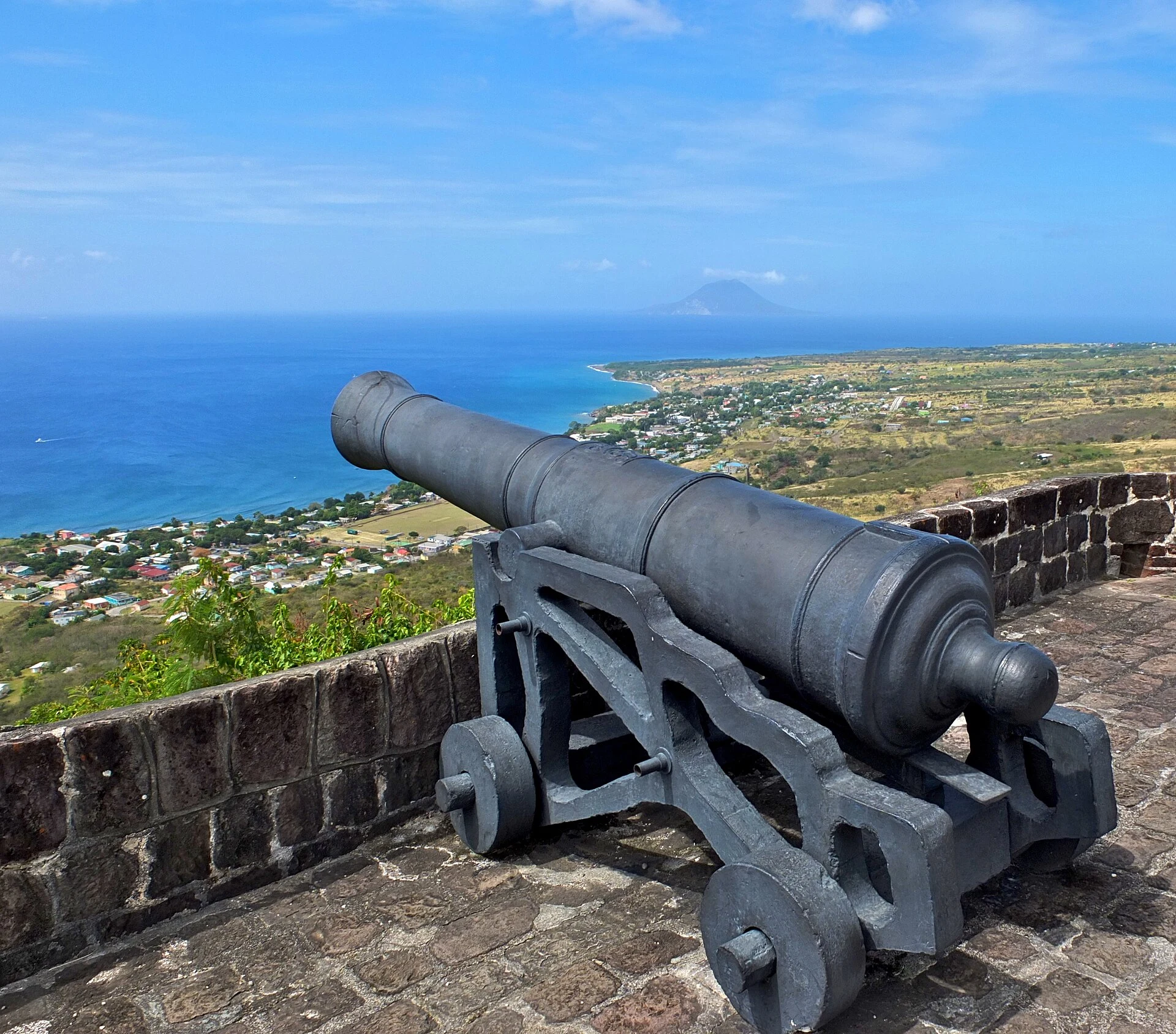
On the island of St Kitts, Brimstone Hill overlooks the coast from a volcanic rise. The visit may look brief on a map, but it becomes more meaningful when experienced as a whole: ramps, bastions, cisterns, ruins and exhibition spaces explain a fortress designed to watch the sea and uphold a colonial order based on the forced labour of enslaved Africans. This is not a decorative stop between beaches, but a place to set aside time for reading and attentive observation.
What you are really visiting
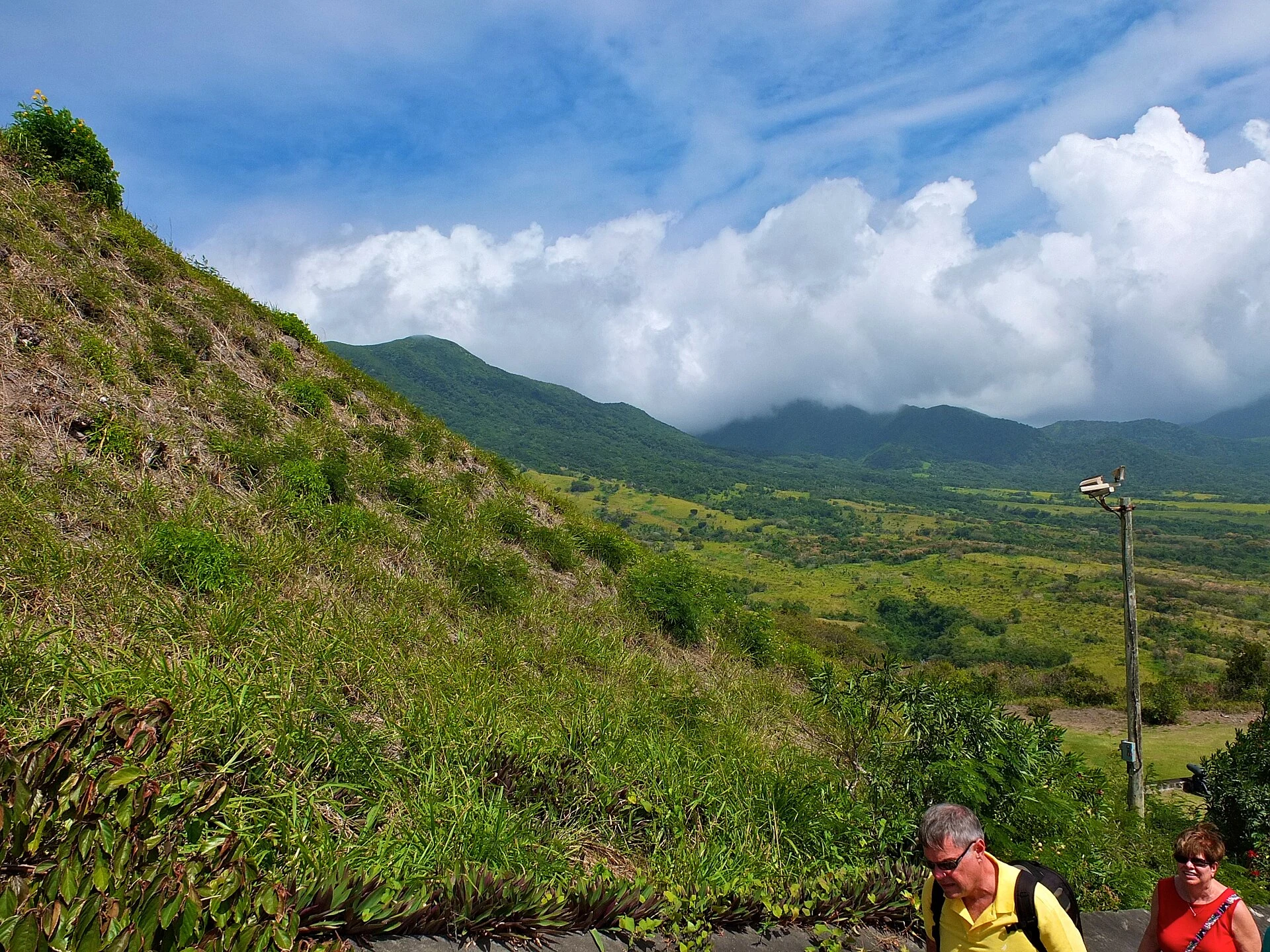
The citadel was not built as an isolated structure. Its position, slope and different levels were all part of the military strategy: from above, it becomes clear why the western coast was decisive and how the volcanic landscape was turned into defensive infrastructure.
But the engineering should not obscure the people who made the complex possible. Brimstone Hill was designed to support British colonial expansion and built and maintained through the labour of enslaved Africans. The stone walls, storehouses, barracks and artillery platforms allow for a discussion of military technique, but also of exploitation, the Atlantic slave trade and the resistance of the Caribbean societies that emerged from this process.
It is worth exploring the citadel’s panels and museum first, if they are open, before focusing on the panoramas. That way, the cannons and sea views stop being mere scenery and become connected to territorial control, conflicts between empires and the island’s sugar economy.
A visit paced as an ascent
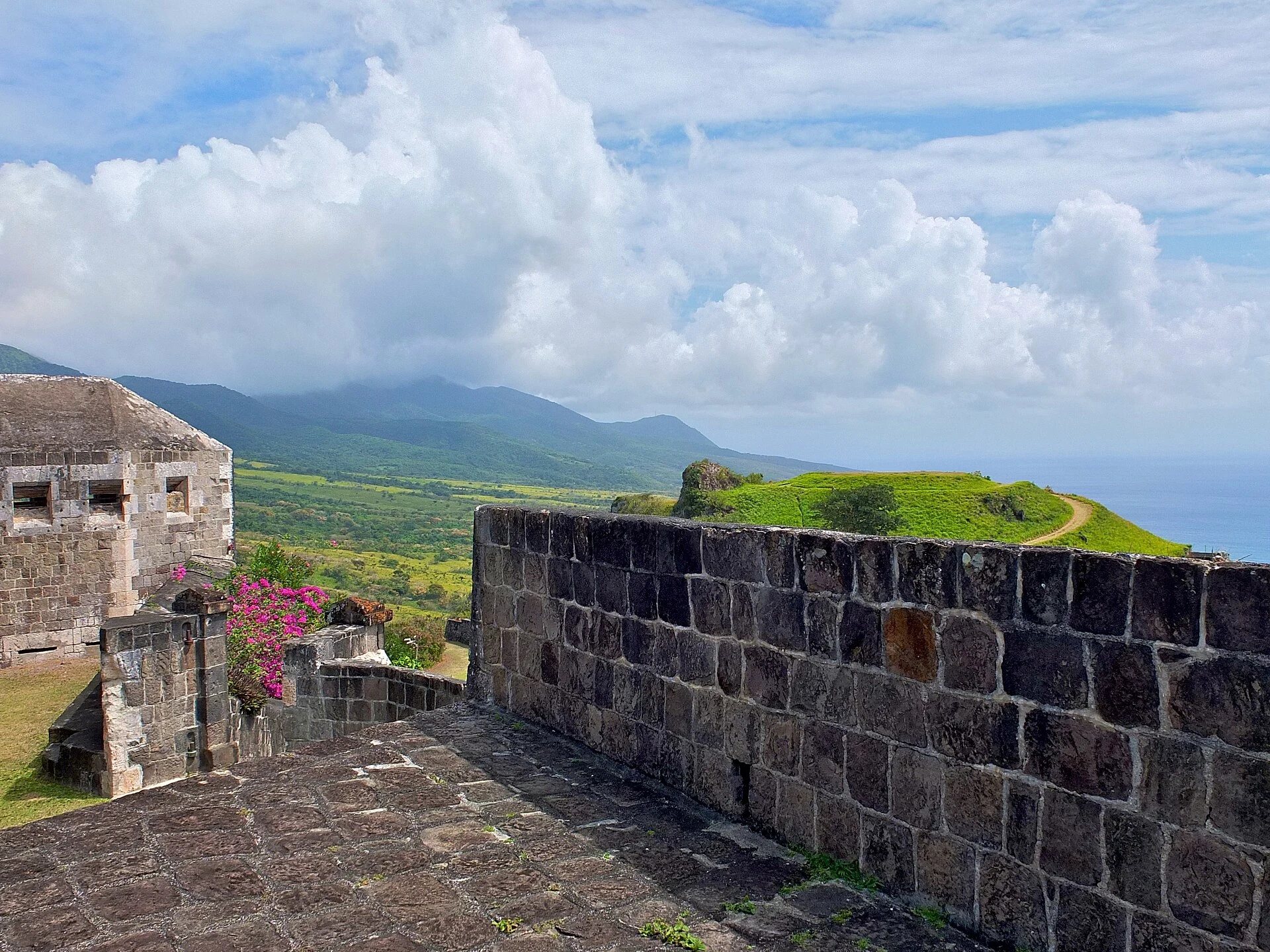
Plan Brimstone Hill as a half-day visit and allow plenty of time, rather than treating it as a rushed stopover. The approach ends at a historic site with changes in level, ramps, steps and stone surfaces; the route calls for slow progress, supportive footwear, sun protection and water.
The reward of the climb is not limited to the highest point. Stop at the intermediate levels to see how the bastions, retaining walls and ruined buildings fit together. The changes in elevation show that the fortress was a complete system, not a single citadel. If you are travelling with someone who struggles with stairs, slopes or uneven ground, contact the park directly to ask which areas are manageable before setting out.
Heavy rain can affect both the hillside and the opening of the site. For that reason, leave this visit in a flexible part of your itinerary and check access conditions on the day. Do not assume that every section will be available or that the visiting time suggested by third parties will suit your pace.
How to get there without making the journey uncertain
Brimstone Hill lies in western St Kitts, near Sandy Point and outside Basseterre. The final road section is an important part of the logistics: for most visitors, a hire car or a taxi arranged for both the outward and return journeys offers more control over arrival and pick-up times than trying to improvise the return.
Local minibuses connect communities across the island, but it is unwise to base a time-sensitive visit on being dropped off or collected at the fortress entrance. If you take public transport towards Sandy Point, ask in advance how you will cover the final stretch and make the return journey. The advantage is less driving yourself; the drawback is reduced predictability at a site whose access requires coordination.
If you are staying on Nevis, treat Brimstone Hill as a full-island excursion, not as an automatic addition to a day in Charlestown. The sea crossing between the two islands has variable schedules, and you must add ground transfers at both ends. It only works as a day trip if you have a generous margin and confirm the boat schedules first.
See the landscape without erasing its history
From the bastions, the Caribbean Sea and the nearby islands fill much of the view. That horizon is precisely a reason to pause: the fortress was designed to monitor approaches from the sea, not to provide a neutral viewpoint. Photography can be part of the visit, as long as it does not replace engagement with the site.
A responsible choice is to avoid turning ruined spaces, military artefacts or references to slavery into mere backdrops for portraits. Give priority to images of the architecture, the terrain and the construction details; follow staff instructions and do not climb onto walls or enter restricted areas. Maintaining a complex exposed to rain, wind and steep slopes also depends on keeping to the areas open to visitors.
To round off the day, leave time to return unhurriedly to the coast or your accommodation. Brimstone Hill works best as the historical focus of a day in western St Kitts, rather than as one stop in a chain of viewpoints.
Before you go: official checks
Details that can change—opening hours, admission fees, payment methods, temporary closures, access after rainfall and available activities—should be confirmed directly with the park administration before you visit.
Also check the ferry timetable if you are combining St Kitts and Nevis: services and departure times may vary from day to day. To arrange ground transport, ask your accommodation or chosen provider to confirm the pick-up point and return time in writing.
Sources consulted and where to verify
- UNESCO World Heritage Centre: Brimstone Hill entry, inscription, heritage values, relationship with slavery, terrain configuration and possible closures after heavy rain.
- Brimstone Hill Fortress National Park Society: direct information from the site to check opening hours, admission and contact details before visiting.
- Government of St Kitts and Nevis: guidance on local travel in Nevis and etiquette when photographing residents or homes.
- St Kitts and Nevis ferry timetable service: operational check of departures between the islands; use it only as a confirmation close to your travel date.
References consulted during editorial review. Times, requirements and advisories may change: always confirm with the official source.
- https://whc.unesco.org/en/list/910/whc.unesco.org
- https://whc.unesco.org/en/decisions/2631/whc.unesco.org
- https://whc.unesco.org/en/statesparties/knwhc.unesco.org
- https://whc.unesco.org/en/list/910/documents/whc.unesco.org
- https://whc.unesco.org/uploads/nominations/910.pdfwhc.unesco.org
- https://whc.unesco.org/document/198472whc.unesco.org
- https://whc.unesco.org/en/documents/113303whc.unesco.org
- https://whc.unesco.org/en/statesparties/kn/assistancewhc.unesco.org
- San Cristóbal y NievesWikidata · CC0 1.0 · Wikidata · Q763
- Saint Kitts and NevisWorld Countries — mledoze · ODbL 1.0 · World countries dataset by mledoze and contributors · ODbL 1.0
- St. Kitts and NevisWorld Bank Open Data · CC BY 4.0 · World Bank
- Saint Kitts and NevisDBpedia · CC BY-SA 3.0 · DBpedia