Eastern Jordan
Azraq’s Wetland, Wildlife Reserve and Fortress in One Day
A day east of Amman brings together a fragile wetland, reintroduction programs and a basalt fortress. The key is to plan around expectations, timing and reservations.
Conditions described in the guide: confirm current requirements and access with the official source before travelling.
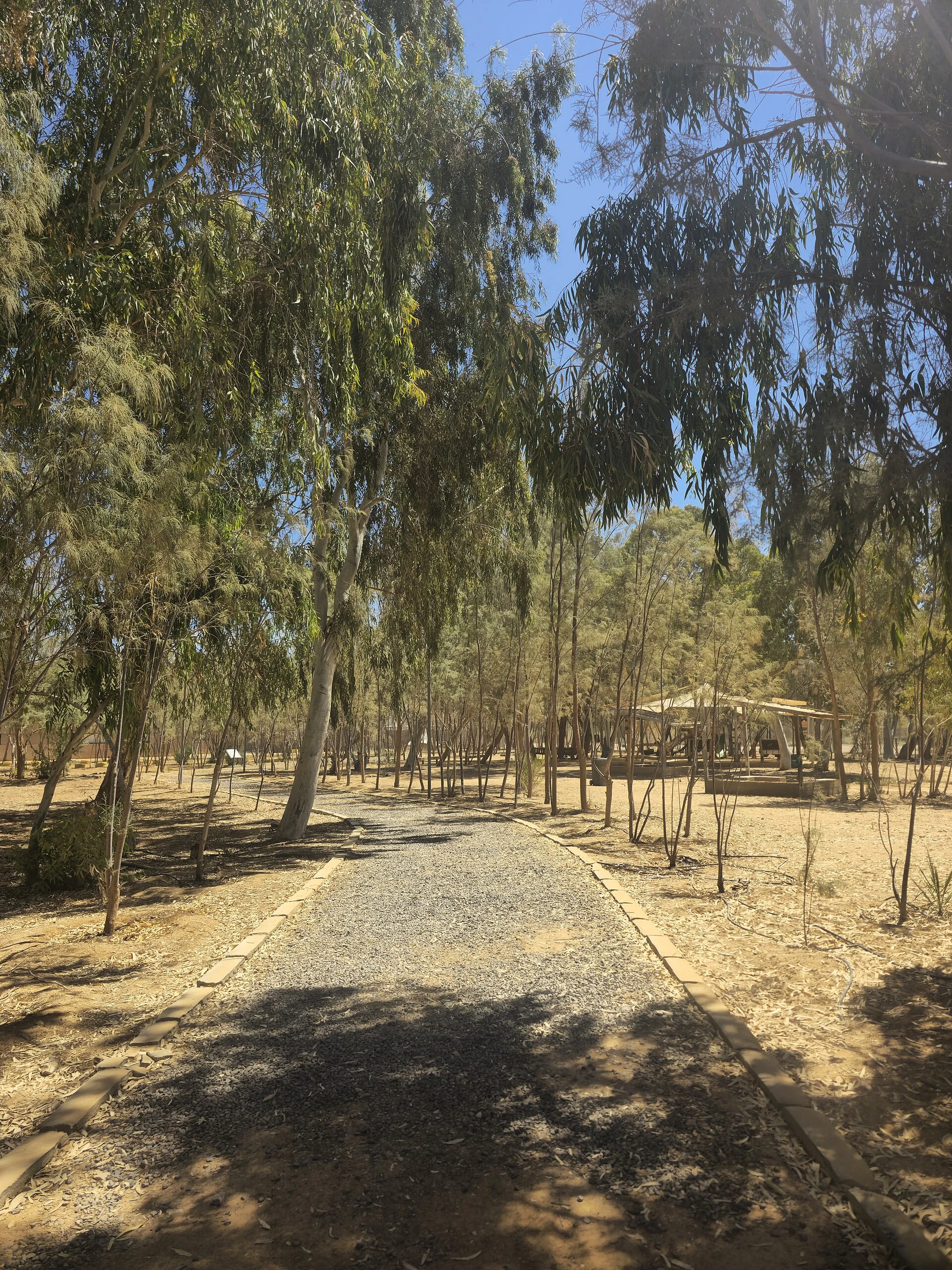
Azraq rewards visitors who replace the idea of an empty desert with that of a landscape sustained — and contested — by water. Around the oasis are a restored wetland, a desert wildlife reserve and a fortress built from black basalt. This is not an outing for collecting stops: it is a good way to understand why a spring, a migration route and species recovery can all depend on decisions made far beyond the landscape visible from the car.
The order matters: wetland first, wildlife second
Begin at the Azraq Wetland Reserve. Its boardwalks and viewpoints offer a short, focused visit and are the best starting point for seeing the site as a wetland under intense water pressure, rather than as a postcard of permanent abundance. The visible water is part of a restoration effort launched after groundwater extraction radically transformed the oasis.
Then allow more time for the Shaumari Wildlife Reserve. The experience there focuses on breeding and reintroduction programs, particularly for the Arabian oryx, as well as gazelles, ostriches and wild asses. A guided safari helps explain this work better than a rushed visit to the visitor centre. Wildlife sightings are never guaranteed: it is better to judge the outing by the hamada landscape, interpretation and conservation project than by a checklist of animals.
A realistic day trip from Amman
Azraq lies east of Amman, and the three main stops are close enough to combine in a long day by rental car, with a driver or on a pre-arranged tour. Do not try to add the western desert castles on the same day if your priority is walking or taking a safari: you would turn a contextual visit into a sequence of car parks.
A sensible order is to reach the wetland early, continue to Shaumari for your reserved activity and finish at Qasr al-Azraq when the light softens the contrast of the basalt. If you choose a several-hour wetland walk or a cycling activity, leave the fortress for another time or extend your stay. Both reserves operate activities with minimum and maximum capacities; check availability, departure time, language, trail conditions and whether your group meets the minimum directly before arranging transport.
Two ways to explore the Azraq Wetland Reserve
For a first visit, the short boardwalk routes are the clearest option: they take little time and let you focus on reed beds, stretches of water and birds without committing to a major hike. They suit travellers who prioritise interpretation, families and anyone who needs to keep physical effort low.
Mud routes and walks linked to the village of Azraq require considerably more time and are sold as guided group experiences. Cycling options are also available. They are interesting alternatives if you already know Jordan’s major archaeological sites and want to devote the day to its cultural and ecological landscape, but they should not be treated as independent walks: heat, exposed ground and group logistics change the experience considerably. Carry extra water, sun protection and closed shoes, and confirm operating conditions before setting out.
Shaumari is not a spectacle safari
The reserve was created as Jordan’s first protected area dedicated to breeding threatened or locally extinct species. That history explains both the value and the limits of a visit: some wildlife is seen in managed areas, and the main purpose is not to offer a photographic chase.
The oryx safari and observation routes take place with a guide. For travellers short on time, the short safari gives the most direct introduction to the project; those who want to stay active can choose cycling itineraries or a bird- and wildlife-observation route on foot. The latter lasts between one and two hours, depending on the published schedule. If you have limited mobility, ask in advance which parts of the route are by vehicle, what boarding involves and what surfaces are present at the visitor centre: accessibility should not be inferred from a tourism listing.
Qasr al-Azraq as a historical finale
Qasr al-Azraq adds another dimension to the day: it is not an isolated ruin in reddish sand, but a basalt-stone fortress connected to the oasis and its resources. Its rectangular layout, courtyards, mosque, rooms, well and heavy stone doors allow visitors to explore a building whose military and logistical usefulness depended on controlling a water source.
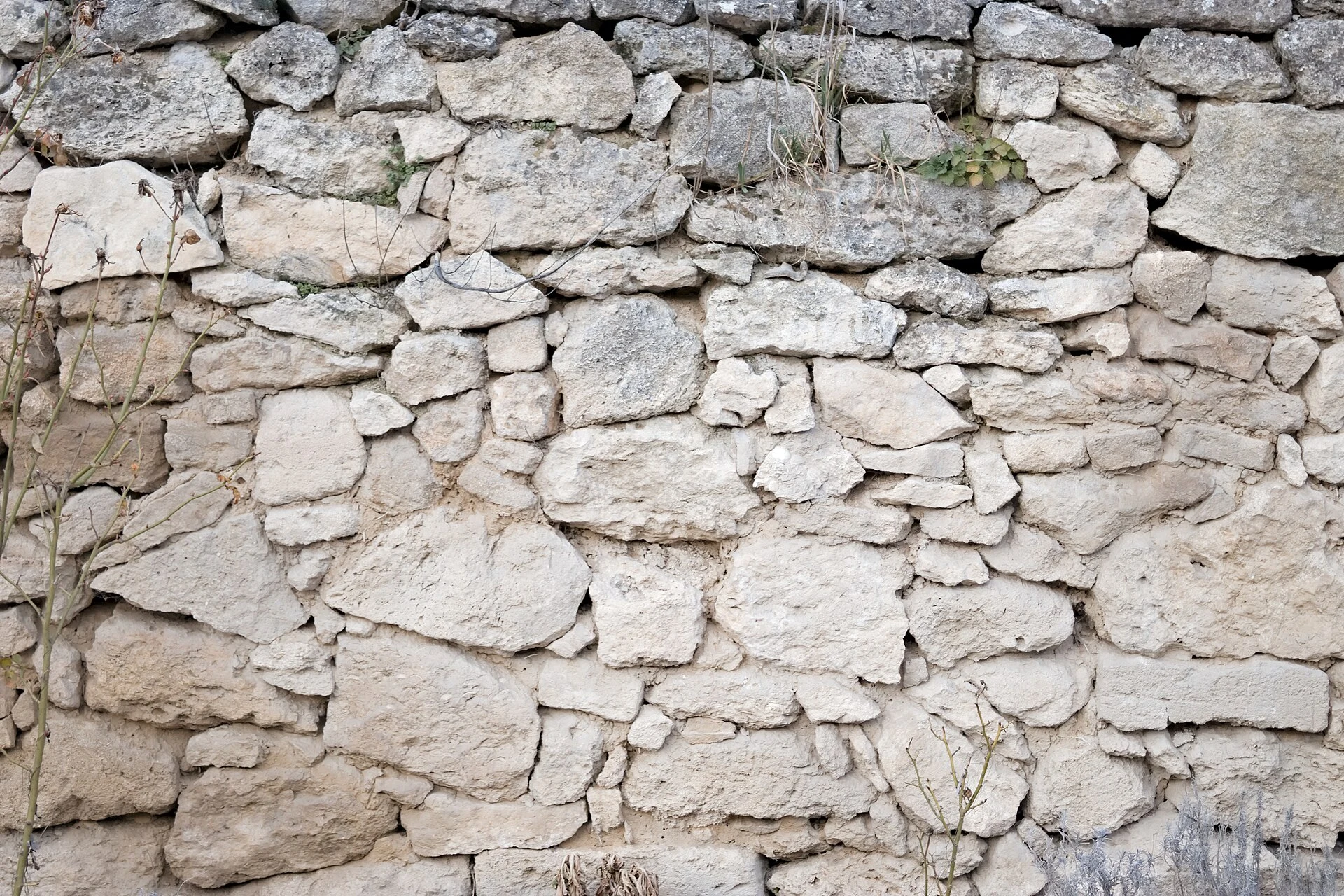
Walk all the way around the courtyard and look at the differences in texture and masonry before seeking a panoramic photograph. The interest lies in the relationship between construction, water and movement across the steppe. Access conditions and the fortress entrance are operational matters that can change: check them on the public ticketing platform or with the antiquities authority before travelling.
Before confirming the plan
Check the operating bulletin for the Azraq Wetland Reserve and Shaumari: opening hours, available activities, minimum group sizes, routes, fees and advance-booking requirements may change. In spring and autumn, the national tourism office highlights Azraq as a place to observe migratory birds, but that reference does not replace confirmation of conditions on the ground.
Choose this day if you are interested in a landscape where conservation and human water use are part of what you are visiting. If you are looking for open-ended desert driving, high dunes or an overnight camp experience, other Jordanian destinations will be a better fit. Here, the responsible choice is to remain on authorised itineraries, not feed animals and avoid presenting the oasis as an inexhaustible backdrop.
References to check before setting out
The Royal Society for the Conservation of Nature publishes the routes, capacities, durations and conditions for Azraq and Shaumari activities for 2026.
The Jordan Tourism Board places the reserves and Qasr al-Azraq in the Azraq region and points to the importance of bird migration in spring and autumn.
The Ramsar Sites Information Service documents the oasis’s ecological transformation, including the historic pressure caused by groundwater extraction and its inclusion in the Montreux Record.
The Jordanian antiquities authority’s public ticketing platform allows visitors to check operational information for Qasr al-Azraq.
References consulted during editorial review. Times, requirements and advisories may change: always confirm with the official source.
- https://sp.visitjordan.com/page/17/entrancefees.aspxsp.visitjordan.com
- https://international.visitjordan.com/wheretogo/zarqa/international.visitjordan.com
- https://www.rscn.org.jo/public/uploaded_files/reservation/Shaumari%20Wildlife%20Reserve%20Trails%202026.pdfwww.rscn.org.jo
- https://www.rscn.org.jo/reserve/3www.rscn.org.jo
- https://international.visitjordan.com/sustainabletourism/international.visitjordan.com
- https://edutravel.visitjordan.com/enedutravel.visitjordan.com
- https://www.rscn.org.jo/uploaded_files/reservation/Shaumari%25202025-1.pdfwww.rscn.org.jo
- https://www.rscn.org.jo/press-releases-veiw/200www.rscn.org.jo
- JordaniaWikidata · CC0 1.0 · Wikidata · Q810
- JordaniaWikidata · CC0 1.0 · Wikidata · Q16218108
- JordâniaWikidata · CC0 1.0 · Wikidata · Q1754836
- JordaniaWikidata · CC0 1.0 · Wikidata · Q22944651
- JordanWorld Countries — mledoze · ODbL 1.0 · World countries dataset by mledoze and contributors · ODbL 1.0
- JordanWorld Bank Open Data · CC BY 4.0 · World Bank
- JordanDBpedia · CC BY-SA 3.0 · DBpedia
- JordaniaDBpedia · CC BY-SA 3.0 · DBpedia