Slovakia · Slovenské rudohorie
Banská Štiavnica and the tajchy in two days of mining heritage
In Banská Štiavnica, steep streets, underground galleries and historic reservoirs form a single landscape. This plan helps you decide what to see, how to get around and what to check before travelling.
Conditions described in the guide: confirm current requirements and access with the official source before travelling.
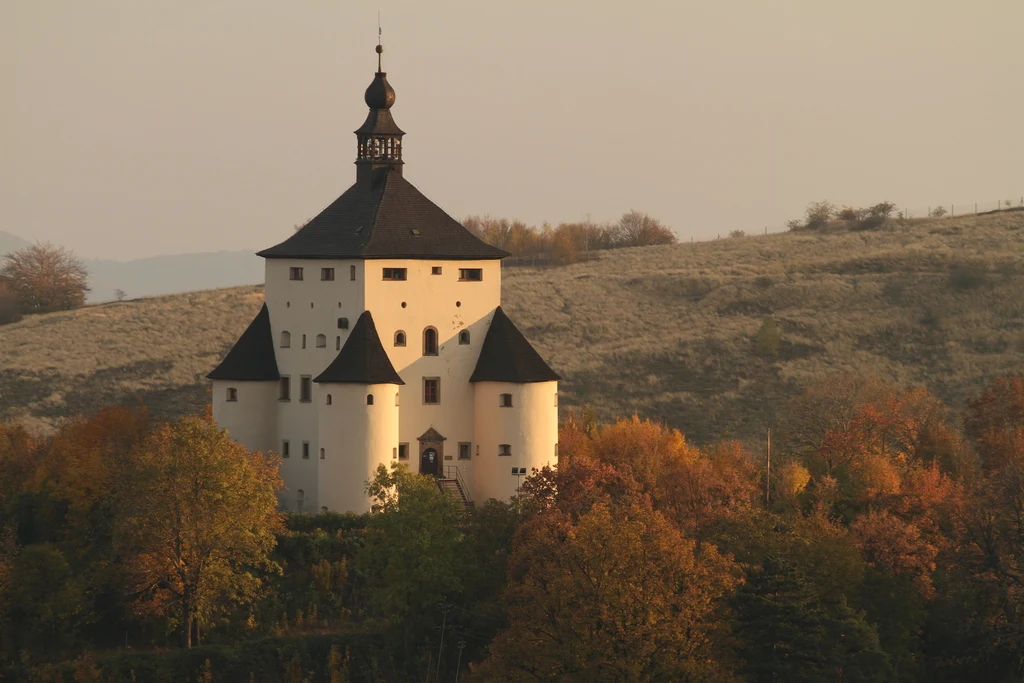
Banská Štiavnica is best understood as a city shaped by mining and by the water that made it possible to extract minerals from a challenging mountain. Its historic centre deserves time, but the visit becomes more meaningful when combined with a mining experience and the tajchy: artificial reservoirs, canals and hydraulic works that formed part of the same system. Two days are enough to do this without turning your stay into a race between monuments.
Choose an urban base, not a collection of buildings
Set aside your first morning for the historic centre, where the slopes are part of the route. The Holy Trinity Square, Old Castle, New Castle and former burgher houses explain the prosperity of a mining town, but it is also worth looking at the relationship between the streets and the hillsides: here, the industrial landscape does not begin on the outskirts.
For a clearer reading of the place, Kammerhof—the former seat of the mining administration—is a good first stop. Then choose a single underground experience according to your interests and tolerance for enclosed spaces. The Glanzenberg drainage gallery runs beneath the centre and can only be visited with a guide. The open-air mining museum, somewhat removed from the urban core, combines surface installations with a descent into the mine. These are not interchangeable visits: Glanzenberg focuses on the historic gallery beneath the city; the museum presents machinery, techniques and mining work more extensively.
Admission, tour languages, opening hours, capacity and possible personal restrictions may change. Check them before organising your day, especially if you are travelling with children or if claustrophobia could be an issue.
The tajchy are not just a scenic addition
Devote your second day to understanding the tajchy. These reservoirs were not designed as recreational lakes: they collected and distributed water to the mining operations, where it helped power pumping and lifting systems. Together with ditches, canals and other devices, they solved an essential problem in deep mining: removing water from the galleries and providing energy in rugged terrain.
Klinger is a sensible option if you want to combine water and mining heritage without going too far from Banská Štiavnica. For a more open-ended day, look for a tajchy outside the city, but choose your destination only after checking bus timetables and the return journey. Počúvadlo and the area around Štiavnické Bane can work well when services are suitable, although you should not assume that connections will be frequent or plan a tight rail connection.
Walk on signposted paths and respect the rules of the protected landscape. Outside built-up areas, vehicle access and parking are limited to roads, local routes and car parks; do not turn tracks or verges into makeshift parking spaces.
Travelling without a car means accepting a slower pace
Banská Štiavnica station is connected by rail with Hronská Dúbrava, where you can connect to the regional network. It is a possible arrival option for those who prioritise train travel, although it requires checking connections for the specific day and planning the final leg to your accommodation or the centre.
Within the city, walking is the best way to link the main buildings, but you need to allow for slopes and uneven paving. Regional transport serves places outside the centre; how useful it is depends greatly on the day, the season and the destination chosen. In summer, some connections to the museum, the tajchy and the trains are usually strengthened, but these services are seasonal and should not be treated as the basis for a year-round itinerary.
The most sensible option for a car-free weekend is to limit yourself to one well-connected out-of-town destination and leave plenty of time for the return. With a car, the advantage should not be multiplying stops, but reaching a particular tajchy or trail without depending on a sparse timetable.
A practical two-day sequence
Day 1: Start at Kammerhof, explore the historic centre at an unhurried pace and finish the afternoon with Glanzenberg or the open-air mining museum. Choose the latter if you are interested in the technical dimension and the mine experience; choose Glanzenberg if you would rather connect the underground with the streets you have just explored.
Day 2: Choose a tajchy according to the transport available. If you want to avoid fragile logistics, combine Klinger with the open-air museum or a short walk on the edges of the city. If a regional round trip fits your schedule, spend the day at an outlying reservoir and scale back the urban programme. Bring water, shoes with good grip and an extra layer for the underground spaces; the city and the mines call for different rhythms.
The important decision is not how many lakes or castles you mark on the map, but which relationship you want to see: that between a mountain city, its galleries and the water system that sustained its mining activity for centuries.
References to check before setting out
- UNESCO, Banská Štiavnica and its technical monuments: historical context, the scope of the heritage ensemble and the function of the reservoirs and canals.
- Slovak Mining Museum: access conditions for Glanzenberg and the open-air mining museum, including guided visits and restrictions on entering underground spaces. Check opening hours, admission, languages and reservations.
- Administration of the Štiavnica Mountains Protected Landscape Area: the protected status of the surroundings, the mining origins of the tajchy and rules on driving and parking outside urban areas.
- Railways of the Slovak Republic and IDS BBSK: the railway line to Banská Štiavnica and bus timetables, including seasonal services. Always check the date of validity, operating days and any works or diversions.
References consulted during editorial review. Times, requirements and advisories may change: always confirm with the official source.
- https://whc.unesco.org/en/list/618/whc.unesco.org
- https://whc.unesco.org/en/list/618/documents/whc.unesco.org
- https://whc.unesco.org/document/180594whc.unesco.org
- https://whc.unesco.org/document/153892whc.unesco.org
- https://whc.unesco.org/archive/2015/whc15-39com-8E-en.pdfwhc.unesco.org
- https://whc.unesco.org/en/documents/111762whc.unesco.org
- https://whc.unesco.org/document/181050whc.unesco.org
- https://whc.unesco.org/en/search/?category=World+Heritage+Properties&criteria=mosaic+reservoir+engineeringwhc.unesco.org
- EslovaquiaWikidata · CC0 1.0 · Wikidata · Q214
- SlovakiaWikidata · CC0 1.0 · Wikidata · Q7541598
- SlovakiaWorld Countries — mledoze · ODbL 1.0 · World countries dataset by mledoze and contributors · ODbL 1.0
- Slovak RepublicWorld Bank Open Data · CC BY 4.0 · World Bank