Anuradhapura on a scale of monasteries, reservoirs and pilgrimage
Sri Lanka’s ancient capital is not a single site: divide it into zones, understand its sacred spaces and allow time to travel between them.
Read guide →Democratic Socialist Republic of Sri Lanka
All articles about the country, including other pages. Select a point to discover its guides.
If the map does not load, all guides remain available in this list.
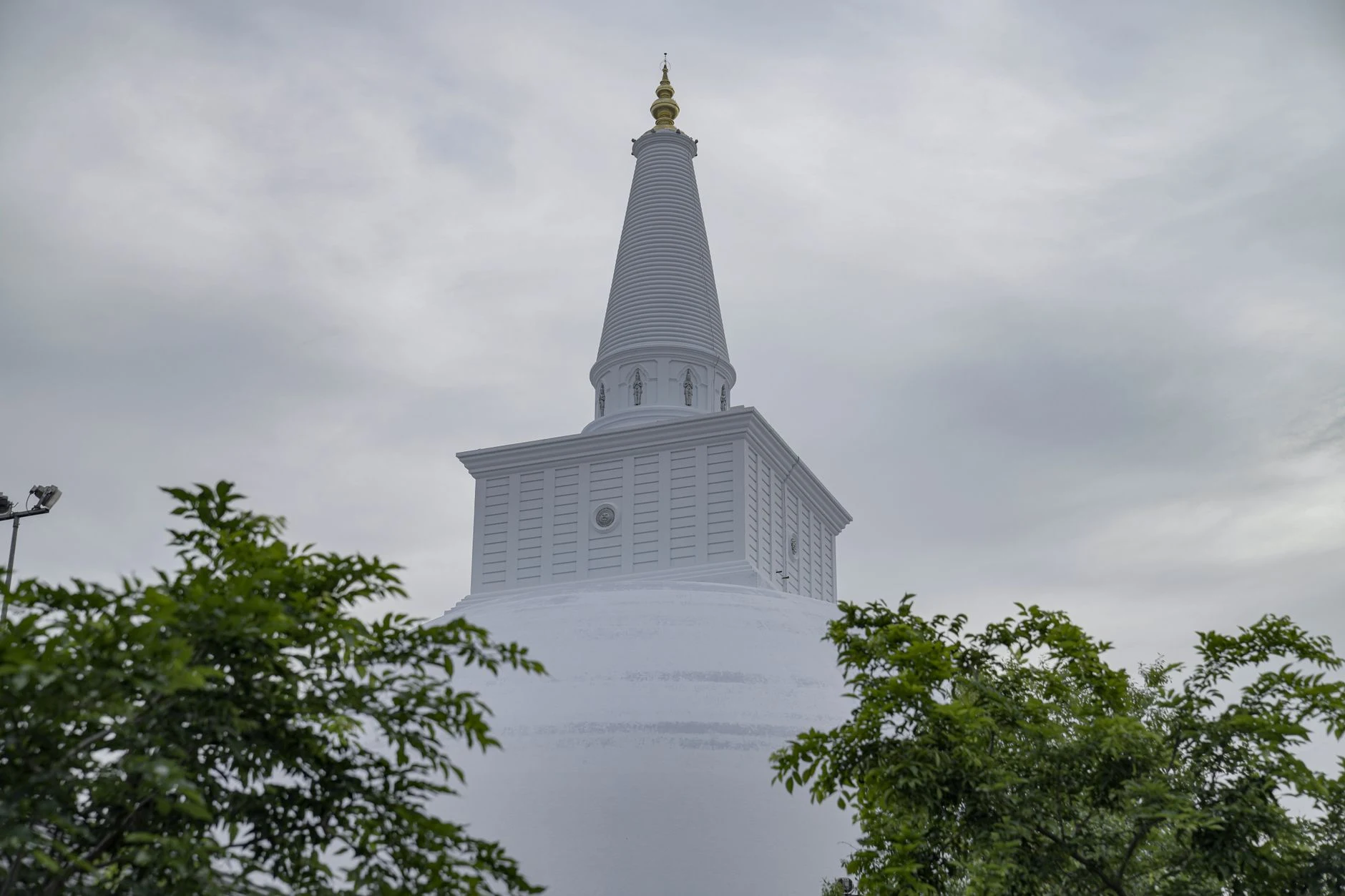
For around 1,300 years, Anuradhapura was a centre of power and religion. Its ancient city is best understood in layers: monasteries, stupas, reservoirs, hydraulic systems and urban remains that require time and travel between sectors.
Explore the place →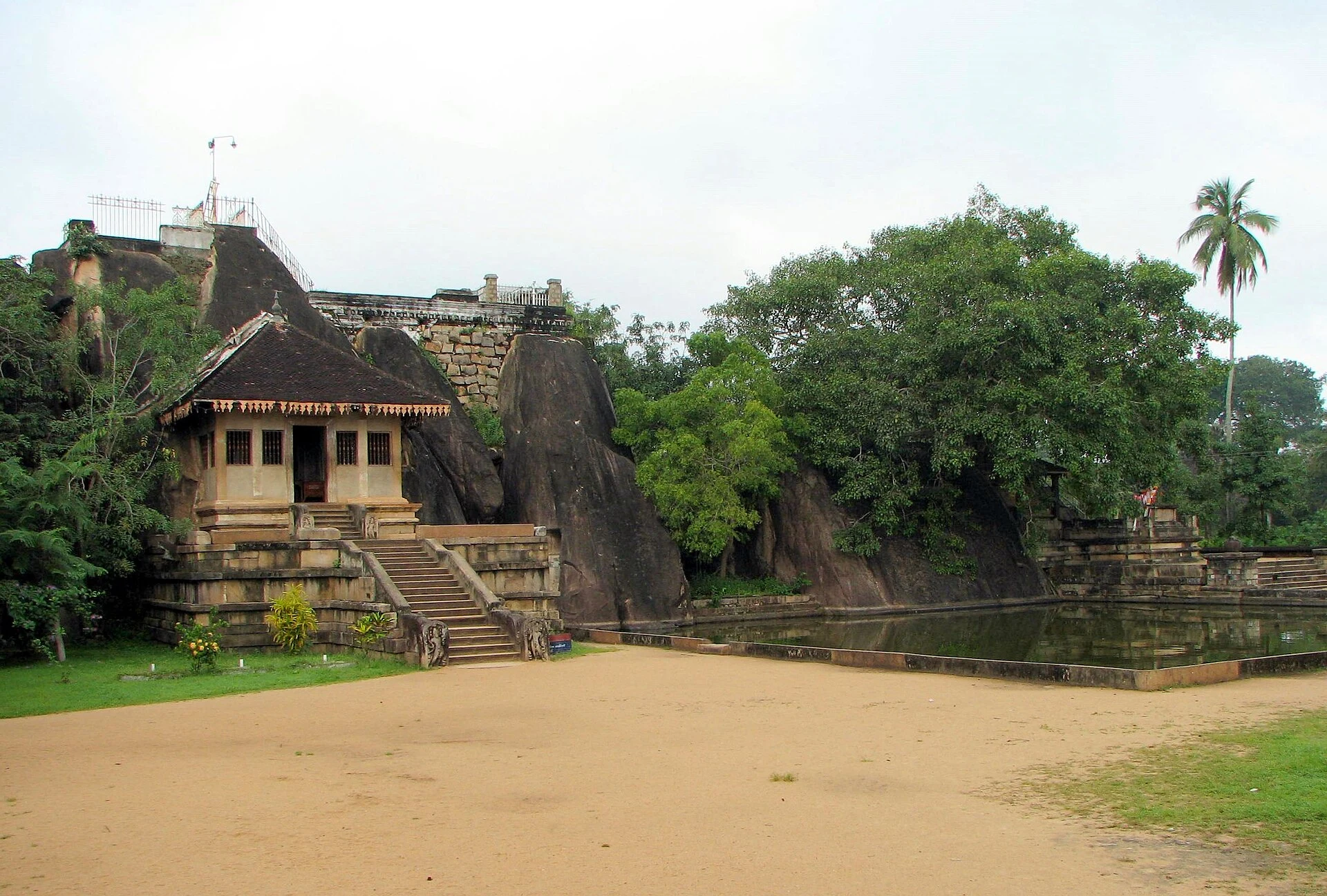
Isurumuniya is a rock-cut temple within Anuradhapura’s sacred area. It can be added to the first day’s route, particularly for its reliefs and close observation of its steps, guard stones and sculptures.
Explore the place →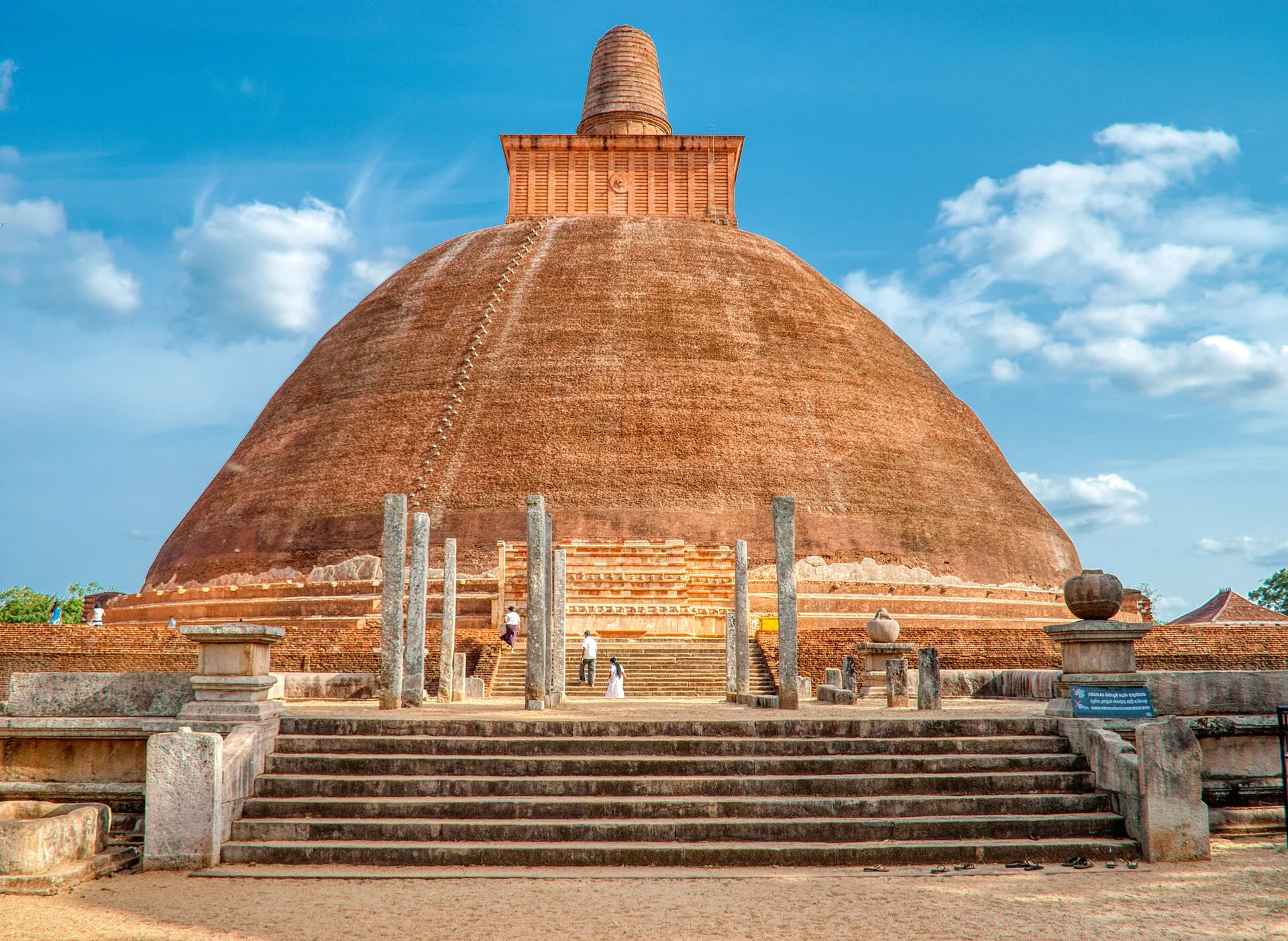
Jetavanaramaya forms part of Anuradhapura’s extensive monastic landscape. Visiting it helps compare the architectural scale and religious organization of this former centre of power, together with Abhayagiri and the Kuttam Pokuna ponds.
Explore the place →Lovamahapaya, known as the Bronze Palace, belongs to Anuradhapura’s sacred core alongside Sri Maha Bodhi and Ruwanweliseya. It helps explain the relationship between devotion, monastic community and monumentality within an extensive historic city.
Explore the place →
Ruwanweliseya is a major dagoba in Anuradhapura’s sacred area, associated with Buddhist pilgrimage. It forms part of the core that also includes Sri Maha Bodhi and Lovamahapaya, and calls for respectful conduct, time and attention to religious rules.
Explore the place →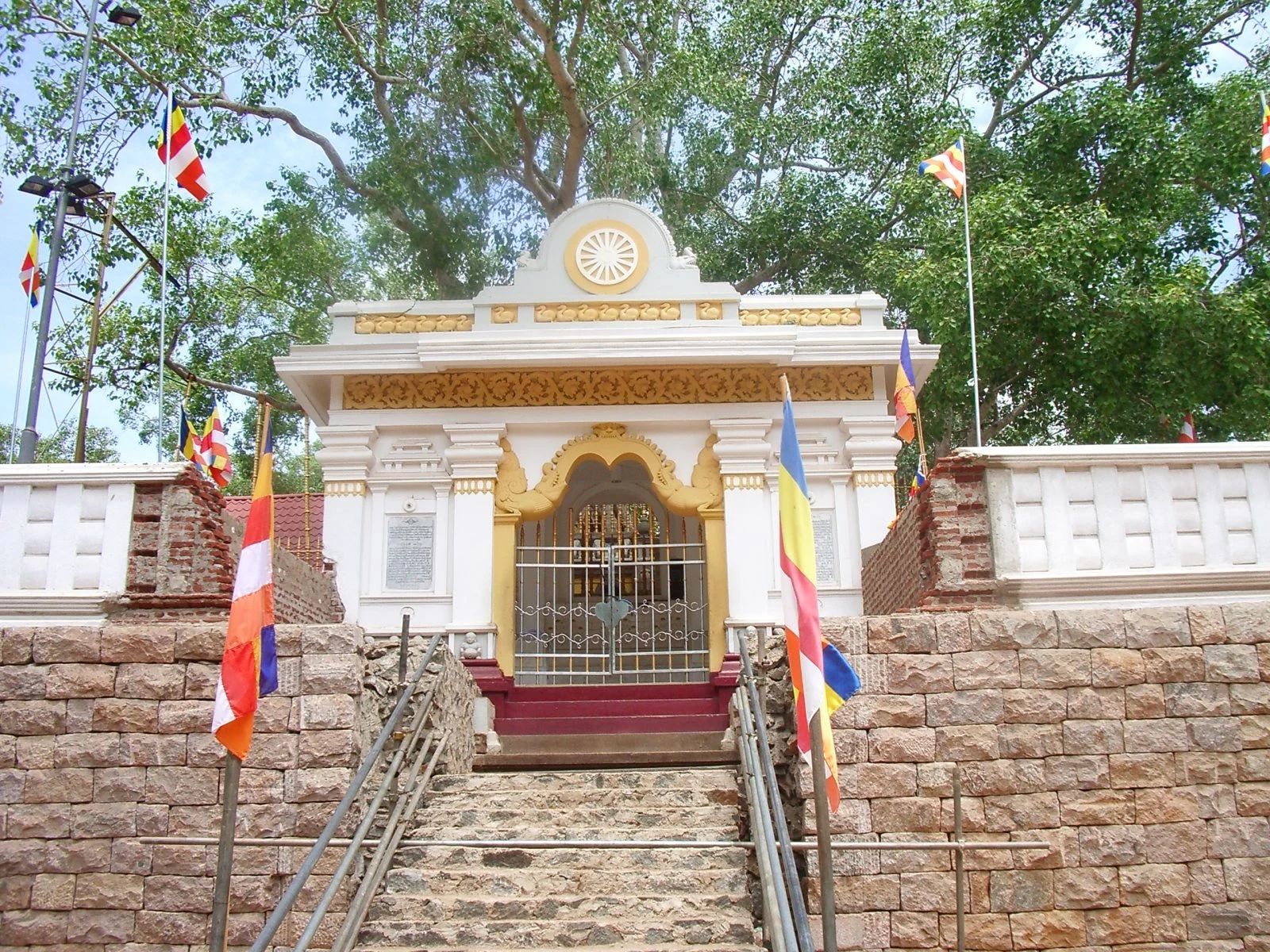
Sri Maha Bodhi is a pilgrimage site in Anuradhapura’s sacred core. It is visited alongside Ruwanweliseya and Lovamahapaya and calls for respectful behaviour, modest clothing and attention to the site’s rules.
Explore the place →